

ABCDE assessment
A rapid emergency assessment that checks airway, breathing, circulation, disability, and exposure to identify immediate life-threatening problems.
Pregnancy, baby, child development, health, and parenting terms explained in clear, simple language.
Understanding unfamiliar terms can make pregnancy, birth, baby care, child development, health, and parenting easier to navigate. Mamaspedia’s A–Z Glossary provides clear, mom-friendly definitions of common symptoms, conditions, procedures, body terms, developmental concepts, and everyday parenting language.
Browse terms alphabetically or use search to quickly find an explanation. Each glossary term also connects to related Mamaspedia articles where you can explore the topic in more detail.
A rapid emergency assessment that checks airway, breathing, circulation, disability, and exposure to identify immediate life-threatening problems.
ABC observation is a behavior-tracking method that records what happens before, during, and after a behavior.
Abdominal distension is swelling or enlargement of the abdomen, which can be a warning sign after possible magnet ingestion.
A deliberate cut made through body tissue during surgery, which requires monitoring and care while it heals.
Injury to the abdomen that can happen with a fall, collision, or direct blow during outdoor activity.
A screening finding that suggests a possible condition or cannot be interpreted reliably, but does not by itself establish a diagnosis.
A test or reading outside the expected range that may need repeat measurement or closer follow-up.
Absenteeism means missing work because symptoms, illness, or job demands make attendance too difficult.
The actual likelihood or probability that an outcome will occur within a specified group and time period.
Absorbable sutures are stitches used for repair that dissolve on their own as tissue heals.
Abstinence is choosing not to have sex, which may be temporary or long term for personal, medical, or relationship reasons.
A performance level describes how consistently or effectively a particular criterion appears in a child’s work.
An academic goal is a specific learning or school-related result a child works toward over a defined period.
Academic growth describes how much a student has advanced from a previous baseline over a period of time.
Academic integrity means producing and submitting schoolwork honestly rather than copying or presenting someone else’s work as one’s own.
Academic anxiety is worry or fear related to school performance that may lead to avoidance, distress, or reduced participation.
Academic socialization is the process through which children develop beliefs about learning, future goals, and the value of education.
Acceptance is acknowledging that something is real and responding practically, even if you do not yet feel happy about it.
The design and support that allow children with physical, sensory, or medical needs to participate fully in school activities.
An account inventory is a list of online services a child uses, including login details, recovery contacts, and data risks.
Account security means protecting online accounts with safe logins, recovery plans, privacy settings, and routines that reduce unauthorized access.
A medicine used to relieve pain and reduce fever, also known as paracetamol in many countries.
The acid mantle is the skin's slightly acidic protective surface layer that helps support barrier function.
A common skin condition that causes pimples and breakouts, and it can sometimes worsen during pregnancy.
How well a room’s sound conditions allow children to hear speech clearly despite reverberation, background noise, and competing sounds.
A temporary bluish discoloration of a newborn’s hands and feet, usually caused by cool temperatures and improved by warming.
A short, shared plan identifying priority goals, strategies, responsible adults, measures of progress, and dates for review.
An active ingredient is the drug component in a medicine that produces its intended therapeutic effect.
Active labor is the phase when contractions and cervical changes progress toward birth more consistently.
Listening carefully, reflecting what a child says, checking understanding, and avoiding immediate correction or minimization.
Active management of labor is a planned, protocol-driven approach that uses defined assessments and interventions to address slow labor progress.
Active management of the third stage is medical care after birth to help deliver the placenta and reduce bleeding risk.
Active-phase arrest is no cervical dilation after active labor begins despite ruptured membranes and an adequate period of contractions or augmentation.
Bearing down is the deliberate or reflexive effort to push downward during contractions as the baby moves through the pelvis.
Intentional, proportionate observation and guidance that changes with a child's age, ability, task risk, and need for emergency support.
A healthcare-directed limit on physical activities to reduce risk while a child recovers from illness or injury.
Activity tolerance is the amount and type of activity a baby can comfortably manage before needing rest or a change in stimulation.
Acupuncture is a complementary treatment used by some pregnant people near term to encourage cervical change or contractions.
A condition or symptom that starts suddenly and develops over a short period.
An acute stress response is the body’s immediate reaction to a threatening or overwhelming event, often causing rapid worry, anger, or alarm.
Help-seeking is identifying a need, appropriately gaining attention, asking politely, and thanking the person who provides assistance.
Added sugar is sugar put into food or drinks during processing, preparation, or cooking rather than naturally present in whole foods.
Adhesions are internal bands of scar tissue that can form after abdominal surgery.
The process of adapting emotionally and behaviorally to a significant change, such as moving, while gradually regaining interest, functioning, and flexibility.
The teen developmental stage marked by rapid brain development, social learning, identity formation, and growing independence.
A stress hormone that can rise when someone feels unsafe and make contractions feel more intense.
Advance care planning is the process of documenting values, decision-makers, and important information for future medical care.
An advance directive is a formal document that guides medical care if a person cannot speak for themselves.
A health problem that happens after vaccination and may or may not be caused by the vaccine.
Self-advocacy is communicating one’s needs, requesting appropriate support, and participating in solutions while retaining responsibility.
Exercise that raises the heart rate and breathing for a sustained period, often called cardio.
Affective arousal is the body’s emotional activation in response to an experience, such as frightening or upsetting online content.
Affordances are the actions or uses an object makes possible for a child's body, such as hitting, grasping, or tapping.
Afterpains are cramp-like uterine pains following childbirth that may be more noticeable during breastfeeding or after previous births.
Age-appropriate activities are activities matched to a child’s abilities, stamina, understanding, and level of safe challenge.
Tasks a child can reasonably learn and perform with assistance appropriate to the child's developmental stage, increasing participation and ownership over time.
An age label identifies a toy's intended developmental range and helps caregivers recognize hazards that may not be appropriate for younger children.
Agency is the feeling that you can influence what happens, express preferences, and get a fair turn.
The total amount of a substance a person gets from all products, uses, and sources combined.
Behavior intended to hurt, threaten, or intimidate, such as hitting, biting, choking, or using objects as weapons.
A safety device in a car that inflates during a crash and is meant to work together with the seat belt.
A drying method that removes residual moisture from clean feeding equipment by allowing it to dry naturally in circulating air.
Air travel during pregnancy is usually safe when the pregnancy is uncomplicated, but timing, health conditions, and access to care affect risk.
The passage that carries air to the lungs and must remain open so a baby can breathe freely while being carried.
A reduction in airway size that makes airflow harder and can cause whistling breathing sounds in babies.
Airway positioning means keeping a baby's head and neck positioned so the nose, mouth, and upper airway remain clear for breathing.
A psychoactive substance that is not considered safe in pregnancy and is generally avoided completely.
A condition where too many notifications make clinicians less responsive to important alerts.
An algorithm is a set of software instructions that processes information to produce an outcome, such as selecting online content.
Algorithm literacy is the ability to understand how digital systems use data and predictions to shape what people see online.
Allergic conjunctivitis is noncontagious eye inflammation caused by an immune reaction to allergens such as pollen or dander.
Allergic contact dermatitis is an itchy skin reaction caused by contact with an ingredient that triggers an allergy.
Allostatic load is the cumulative wear and tear on the body caused by repeated or prolonged stress responses.
An allowance is money given for optional extra work, while basic household contributions remain part of participating in family life.
An allowed amount is the negotiated rate an insurance plan recognizes for a covered healthcare service.
A fetal protein measured in maternal blood that may be elevated with an open neural tube defect or other pregnancy conditions.
Higher-elevation environments where exercise feels harder and pregnant people may need a slower pace.
Mixed emotions are simultaneous or rapidly changing feelings, such as relief, grief, fear, happiness, or resentment after birth.
An ambulatory surgery center is an outpatient facility that performs procedures on screened patients and tracks safety events like transfers and revisits.
Amniocentesis is an invasive prenatal diagnostic procedure that analyzes amniotic fluid to evaluate fetal chromosomes and other conditions.
A description of whether twins share one amniotic sac or have separate sacs.
Amniotic fluid is the liquid surrounding the fetus that supports development and can influence the fullness of the pregnant abdomen.
The amniotic sac is the membrane-filled structure surrounding the fetus and amniotic fluid that can rupture before or during labor.
Amniotomy is a procedure that intentionally ruptures the amniotic sac to support or accelerate labor when clinically appropriate.
A brain structure that helps detect what is important and learn what feels threatening.
The anagen phase is the active growth phase of hair follicles, which estrogen can prolong during pregnancy.
Anaphylaxis is a severe systemic allergic reaction that can cause bronchospasm, wheezing, skin symptoms, and circulatory instability.
A routine anchor is an important event that stays relatively stable even when its exact clock time changes.
Iron-deficiency anemia is a clinical condition in which inadequate iron affects healthy blood formation and requires professional assessment.
A deeper loss of sensation, often used when a procedure or surgical birth requires stronger numbing.
Aneuploidy is a chromosomal condition in which an embryo has too many or too few chromosomes.
Loss of interest or pleasure in activities that used to feel enjoyable.
The A-not-B error is a pattern in which a baby repeatedly searches in an earlier hiding place after seeing an object moved elsewhere.
A menstrual cycle in which no egg is released from the ovary.
A pre-labor or early labor meeting with anesthesia staff to review whether an epidural or other pain relief is safe and practical.
Education before birth that helps people understand labor, consent, procedures, warning signs, and newborn care.
Steroid medicines given during pregnancy to help speed fetal lung maturity when preterm birth is a concern.
Hospital admission before delivery for closer monitoring, testing, treatment, fetal assessment, or specialist care during pregnancy complications.
Anthropometric assessment evaluates physical measurements such as weight, length, and head circumference to monitor growth.
Antibiotic-associated diarrhea is loose or watery stool caused by medication-related changes in the balance of intestinal bacteria.
Antibiotic prophylaxis is preventive antibiotic treatment given around a procedure to reduce the risk of developing an infection.
Antibiotic stewardship means using antibiotics only when benefits are likely to outweigh risks and unnecessary exposure.
An anti-burst ball is an inflatable ball designed to deflate gradually instead of rupturing suddenly if damaged.
Performance anxiety is intense fear or nervousness that occurs when a person expects to speak, perform, or be evaluated by others.
Antidiarrheal medication is medicine used to slow diarrhea, but it can be unsafe for infants unless a clinician recommends it.
A medicine used to reduce nausea and vomiting, sometimes given by injection, infusion, rectal, or other non-oral routes.
Medicine used to lower unsafe blood pressure and reduce stroke risk while maintaining blood flow to the placenta.
An autoimmune condition that increases abnormal clotting and can cause pregnancy loss.
An antipyretic is a medicine used to reduce fever, with the goal of improving comfort rather than always normalizing temperature.
Anxiety is excessive worry or fear that can cause emotional, physical, sleep, and school-functioning difficulties in children.
An anxiety disorder is a condition in which fear and worry are persistent, hard to control, and disruptive.
A condition involving persistent worry, panic symptoms, or intrusive thoughts during pregnancy that interfere with daily life.
The aorta is the body’s largest artery, carrying blood from the heart to the rest of the body.
An aortic aneurysm is an abnormal enlargement of the aorta that can rupture and become rapidly life-threatening.
An aortic rupture is a life-threatening tear or break in the main artery that can cause collapse, shock, or rapid death.
Aorto-caval compression occurs when the pregnant uterus presses on major blood vessels, especially during prolonged flat-on-the-back positioning.
A newborn assessment recorded at one and five minutes that describes breathing, heart rate, tone, color, and response after birth.
Aphasia is an acquired language disorder that can affect communication after changes or injury involving the brain.
Apnea is a pause or stop in breathing that requires immediate emergency attention in a baby.
An apology is a statement that takes responsibility for a hurtful action and acknowledges the other person's feelings.
Requests that allow an app to use device features or information such as location, photos, contacts, camera, or microphone.
Darkening of the skin around the nipples that is common and usually normal during pregnancy.
Use of scents, essential oils, or scented products, sometimes for comfort, that may also trigger symptoms or sensitivities.
Physiological arousal is a state of increased bodily alertness and emotional activation that can make it harder to calm down or sleep.
An infant's ability to become calmer, more alert, sleepier, or more organized in response to caregiving and surroundings.
Articulation is the process of shaping airflow and voiced sound with the tongue, lips, and other parts of the mouth.
Artificial intelligence-generated content is media made or altered by AI that may look or sound realistic even when fabricated.
Aspiration is the entry of food, liquid, or secretions into the airway, potentially causing recurrent wheezing and chronic cough.
Clear, respectful communication that states needs or feelings without attacking others.
Assertiveness is clear, respectful self-expression that lets a child state needs or boundaries without being aggressive.
The use of another person’s hands, body weight, or verbal cues to help someone move into, hold, or leave a labor or recovery position.
Operative vaginal birth uses instruments such as a vacuum or forceps to assist delivery in selected clinical circumstances.
Communication supports such as preprogrammed messages, visual cards, or button sequences that help a nonspeaking child seek an adult.
A relationship where two things happen together more often, without proving that one caused the other.
Asthma is a chronic inflammatory airway disorder causing recurring wheezing, cough, chest tightness, and difficulty breathing.
ASTM F963 is the main U.S. toy safety standard that sets requirements to reduce hazards in toys for children.
The asymmetric tonic neck reflex produces a fencing-like posture when a newborn’s head turns, extending limbs on the face side and flexing the opposite limbs.
Atelectasis is a partial collapse of small airways that may develop after anesthesia and prolonged bed rest.
Atopic dermatitis is a recurrent inflammatory skin condition that causes dry, itchy, inflamed patches and is commonly called eczema.
Atopy is an inherited tendency to develop allergic diseases, including allergic asthma, eczema, and other hypersensitivity conditions.
A behavior or signal a baby uses to get a caregiver’s response, such as looking, babbling, reaching, or making a sound.
Attention difficulties are problems sustaining focus, concentrating, or managing distractions during learning, play, or daily activities.
A situation where separate groups of people see the same online content, changing how it may be interpreted.
A test that checks how well a child can hear sounds and speech.
Auditory processing is how a baby’s brain notices, interprets, and responds to sounds such as voices, music, or noise.
Communication methods that supplement or replace speech, such as visual cards, gestures, or preprogrammed communication devices.
Authoritative caregiving is a parenting style that combines warmth, responsiveness, firm limits, and consistent expectations.
An authorization for release of medical information is written permission allowing a healthcare practice to send specified records to another recipient.
Automated auditory brainstem response testing measures electrical activity along the hearing pathway after sounds are presented to a baby.
A physiological state of alertness, vigilance, and stress reactivity that can make it harder for a child to settle.
The autonomic nervous system helps regulate arousal and body functions such as heart rate, breathing, digestion, and stress responses.
The developing ability to manage automatic body functions and remain organized during activity or sensory input.
A child's gradually developing ability to participate in daily tasks, make choices, solve manageable problems, and contribute with appropriate support.
Autonomy support is a parenting approach where children have an age-appropriate voice while adults keep clear boundaries and limits.
Autosomal recessive inheritance means a child may be affected when both reproductive partners carry variants in the same gene.
Auto-videosomnography is an objective method that uses automated video analysis to measure and assess infant sleep behavior.
Avoidance is trying to escape a task, feeling, or situation that seems threatening, overwhelming, or likely to lead to criticism or failure.
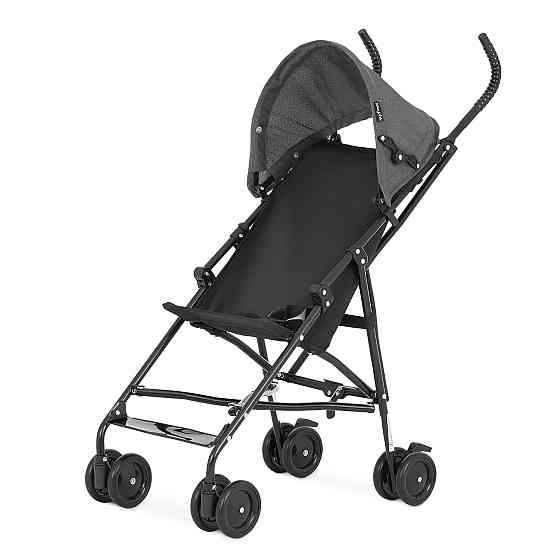
300D Lightweight & Travel-Friendly Design - Weighing just 7.4 pounds, the Dream On Me Aero Travel Light Stroller makes traveling with your little one...
$33.99
View ProductA stage of early speech in which babies repeat speech-like sounds as practice for talking.
The Babinski reflex causes the great toe to extend and the other toes to fan when the sole is stroked.
A short-lived period of tearfulness, mood swings, anxiety, or irritability after birth.
A baby bottle nipple is the soft feeding tip that controls how milk leaves the bottle for an infant.
A late-pregnancy change in which the fetus descends into the pelvis, making the abdomen or uterus feel lower before birth.
A specialized appliance that can steam ingredients, blend them, or perform both preparation steps in one vessel.
Frustration is an emotional response that occurs when a goal is blocked or a demand becomes overwhelming.
A service that lets families rent, rotate, or exchange baby equipment instead of buying every item.
A short period when a baby may eat or sleep differently because of rapid growth or development.
A complementary feeding approach in which babies pick up appropriately prepared foods and control their own eating pace.
Stranger safety teaches children practical rules for uncertain situations involving unfamiliar people, animals, or environments without making them fearful.
A baby registry is a curated list of items and support that family and friends can choose to provide for an expected baby.
A baby routine is a familiar pattern of cues and activities that helps a baby anticipate what comes next.
A baby schedule is a planned pattern for feeding, sleeping, playing, and caregiving at approximately specified times.
A fabric carrying device that supports a baby against a caregiver’s body while allowing hands-free carrying.
A baby walker is a mobile infant device that can create hazards by allowing fast movement and access to unsafe areas.
Babywearing is carrying an infant or young child close to a caregiver’s body using a sling, wrap, or carrier.
Background television is television playing nearby when a child is not actively watching, which may still affect attention and interaction.
Back labor is labor pain or pressure felt mainly in the lower back that rises and falls with contractions.
Pain in the lower back that can happen during labor and may continue between contractions.
Backup child care is prearranged alternate supervision available when a parent’s work demands, illness, or emergencies disrupt the usual plan.
Backward planning is organizing steps by working from a due date toward earlier checkpoints for completing and reviewing a task.
Bacterial conjunctivitis is pink eye caused by bacteria, often suspected with thick discharge and eyelids stuck after sleep.
The ability to stay steady without tipping over.
Balance billing occurs when an out-of-network provider bills a patient for amounts beyond the insurer’s allowed payment.
Sitting balance is the ability to control the body’s center of mass over its support base while the head, trunk, and limbs move.
A fast, bouncy style of stretching that uses repeated movement instead of a slow, steady hold.
Balloon catheter induction is a mechanical ripening method that uses an inflated balloon to apply pressure inside the cervix.
A barking cough is a harsh, brassy cough characteristic of croup and often becomes sudden or worse during nighttime.
Barrier ointment is a protective skin product that may help shield an infant's irritated skin from moisture and further irritation.
Basal body temperature is the body’s resting temperature, measured each morning to help identify patterns associated with ovulation.
Longer-acting insulin that helps control background blood sugar between meals and overnight.
A person’s usual pattern of symptoms, measurements, and functioning used to recognize meaningful change over time.
A small infant sleep space designed for a young baby and typically placed beside an adult bed.
Bathroom independence is a child’s gradual ability to manage restroom tasks safely while receiving supervision appropriate to their development.
Bath safety involves preparing supplies, staying within immediate reach, and never leaving a young child unattended in or near bathwater.
Bed-sharing means an infant and caregiver sleep on the same sleep surface rather than on separate surfaces.
A bedtime routine is a dependable wind-down sequence, such as washing, pajamas, reading, and goodnight, that supports sleep preparation.
A strategy that builds momentum by beginning a small, manageable action instead of waiting to feel fully motivated.
Emotional dysregulation is difficulty identifying, expressing, or recovering from strong emotions.
A temperament style marked by caution, hesitation, and a slow approach to unfamiliar people or activities.
Benzocaine is a topical numbing medicine that can be dangerous for infants if used in teething products.
The ability to use both sides of the body together in a coordinated way during movement and manipulation tasks.
Bilious vomiting is green or yellow vomit that may contain bile and can suggest an urgent gastrointestinal problem.
A billed charge is the provider's initial submitted price for a healthcare service before insurance adjustments or payments.
Bioavailability is the amount of a medicine that reaches the bloodstream and can produce its intended effect.
A treatment that uses feedback to retrain muscle coordination during bowel movements.
A backup plan for labor and birth that lays out what to do if plans change or urgent symptoms appear.
A maternity care setting for low-risk pregnancies that offers labor and birth services outside a hospital.
Birth center eligibility criteria are written rules used to decide whether a pregnancy is appropriate for birth center care.
A planned set of routes, boundaries, check-ins, and responses that helps children manage risks during independent dog walking.
A birth checklist is a concise document organizing critical medical information, clinician-reviewed plans, and flexible birth preferences.
Birth dissonance is the emotional and cognitive tension that occurs when an expected birth experience differs from what actually happens.
An urgent complication during labor, birth, or early postpartum that may require rapid coordinated care for the birthing person, baby, or both.
A large inflatable ball used for rocking, circles, and other position changes during labor.
A birth partner provides emotional, physical, informational, and practical support to a person during labor and birth.
Birth preferences are a communication document describing desired support, pain relief, mobility, monitoring, and feeding choices during birth.
Birth satisfaction is a person's evaluation of how their labor and birth experience felt, including its outcome, support, communication, and sense of control.
The birth environment is the physical, sensory, social, and communication setting surrounding labor and childbirth.
A birth story is a personal account that organizes labor, delivery, emotions, and the transition into parenthood.
Birth trauma is significant emotional distress after a birth experience that felt frightening, overwhelming, helpless, or unsafe.
Birth weight is a newborn’s body weight measured shortly after delivery and interpreted according to gestational age and other factors.
Birth-weight regain is a newborn's return to the weight recorded at birth, often occurring within ten to fourteen days.
The Bishop score is a clinical measure that summarizes cervical readiness before labor induction.
A blastocyst is an early cluster of cells that develops from a dividing fertilized egg before implantation.
A common cleaning and disinfecting product that usually contains sodium hypochlorite.
Repeated checking of blood sugar levels, often at home, to see whether glucose stays within the desired range.
Regular tracking of blood pressure readings to detect hypertension patterns during or after pregnancy.
Giving donated blood through a vein to replace blood loss or treat severe anemia.
A bloody show is blood-tinged mucus released as the cervix begins to efface and dilate near labor.
Blue light is a short-wavelength light from screens and some bulbs that can signal the brain to stay awake and delay sleep.
A person’s right to control what happens to their body and refuse unnecessary touching, photographs, or private contact.
Body awareness is an infant’s developing understanding of the body as a distinct, moving, sensing, and perceiving self.
Repeatedly monitoring your body, such as weighing yourself or checking mirrors or photos, in a way that can feed anxiety.
Body mass index is a measure that relates body weight to height and is commonly used to assess older children and adolescents.
The body midline is an imaginary vertical line that divides the body into right and left halves.
Body proportions describe the relative size and shape of body regions, such as the head, trunk, arms, and legs, as children grow.
Body representation is the brain’s organized understanding of the body, including its parts, position, movement, and sensory experiences.
A close emotional bond that helps a child feel safe and responsive to a caregiver.
A child restraint that raises a child so the vehicle’s lap-and-shoulder belt fits correctly across the pelvis, chest, and shoulder.
A raised surface that holds washed feeding equipment apart so air can circulate while water drains away during drying.
Nipple flow is the rate at which milk passes through a bottle nipple during feeding.
Bottle propping is wedging a bottle against an object so a baby can feed without an attentive caregiver holding it.
Bottle refusal is a baby's repeated hesitation or rejection of bottle feeding despite possibly feeding normally at the breast.
A bottle warmer is an appliance that gently heats a baby bottle using water, steam, or a controlled heating chamber.
Limits that communicate what a child is comfortable with and identify behaviour that is unacceptable or unsafe.
BRAIN decision-making is a labor decision tool for asking about benefits, risks, alternatives, recommendations, and the option to wait.
The BRAT diet is a short-term food pattern of bananas, rice, applesauce, and toast sometimes used during diarrhea.
Braxton Hicks contractions are irregular practice contractions that usually improve with rest or hydration and do not steadily intensify.
Breast engorgement is breast fullness caused by increased milk production, blood flow, lymphatic congestion, and fluid accumulation after birth.
Breastfed stool is usually soft or loose, mustard-yellow or yellow-green, and may contain small seed-like particles.
Breastfeeding biting is when an infant briefly clamps or bites the breast, usually during pauses or near the end of a feed.
A way of holding and aligning a baby during nursing to support breathing, attachment, milk transfer, and parental comfort.
Breast milk is the milk produced by a lactating person to feed an infant.
The handling and storage of expressed breast milk using appropriate containers, temperatures, labels, timing, and discard rules.
A breast pump is a device that removes milk from the breast so it can be collected and stored for later feeding.
Breast refusal is when a baby resists or will not feed at the breast, sometimes because feeding has become stressful or uncomfortable.
Breast soreness, sensitivity, or swelling that can occur when pregnancy hormones increase breast tissue and blood flow.
A coached pushing style in which a person holds the breath during the push.
Controlled breathing uses slow, comfortable breaths, often with a slightly longer exhale, to reduce overbreathing and manage physical anxiety symptoms.
Breech presentation occurs when the fetus is not positioned head-down, such as with the buttocks or feet oriented toward the birth canal.
A group of enzymes in pineapple that is often linked to the idea that pineapple might start labor.
The small airways deep in the lungs that move air in and out and can narrow during bronchiolitis.
Bronchiolitis is an infection and inflammation of the small airways, most commonly affecting infants and causing wheezing and breathing difficulty.
A safety arrangement in which a child walks with a sibling, neighbor, or friend instead of traveling alone.
Bullying is repeated harmful or intimidating behavior by peers that can affect a child’s safety, learning, participation, or emotional wellbeing.
The force that helps an object float in water.
Burns are tissue injuries caused by heat, hot liquids, chemicals, electricity, flames, or other sources of damaging energy.
Burping helps release swallowed air after feeding and may make a newborn more comfortable if they seem unsettled.
Button battery ingestion occurs when a child swallows a small button-shaped battery, which can cause rapid internal injury.
The bystander role is the responsibility of someone who receives harmful content to avoid spreading it and seek support.
The air pressure maintained inside an aircraft cabin, which is lower than sea-level pressure but generally tolerated during uncomplicated pregnancy.
A stimulant found in true teas and many other drinks that may need to be limited during pregnancy.
A mineral that supports fetal bone and teeth development while helping maintain the pregnant person’s skeletal health.
Calibrated trust means neither believing everything nor dismissing everything, but judging sources by expertise, evidence, and accountability.
A calorie is a unit of energy in food and drink that the body uses as fuel.
Canonical consonant-vowel syllables are repeated speech-like sequences that combine consonants and vowels, such as ba-ba-ba or da-da-da.
A compound in spicy foods that stimulates pain and heat receptors in the mouth and gut.
A gas released when baking soda and vinegar react, creating fizz and foam.
Carbon monoxide is an odorless, potentially fatal gas produced by fuel-burning devices and dangerous in enclosed spaces.
Carbon monoxide exposure occurs when carbon monoxide enters the body and reduces oxygen availability by binding to hemoglobin.
A medical emergency in which a person is unresponsive and not breathing normally because effective circulation has stopped.
The amount of blood filling the heart before it pumps, which can fall when back-lying compresses blood vessels.
The cardinal movements of labor are sequential fetal positional adjustments that help the baby move through the pelvis during birth.
Disease of the heart and blood vessels, including conditions such as heart attack and stroke.
Cardiorespiratory fitness is how efficiently the heart and lungs supply the body with oxygen during physical activity.
A designated zone in a home organized for a specific caregiving activity, such as feeding, diapering, sleeping, bathing, or play.
A care cycle is a repeatable sequence of newborn care activities, such as feeding, burping, changing, soothing, observing, and resting.
Caregiver boundaries are clearly stated limits about responsibilities, visits, communication, transportation, privacy, and working conditions.
A baby's developing ability to identify familiar caregivers through repeated voice, smell, face, touch, and routine cues.
Caregiver fatigue is exhaustion that can impair attention, judgment, memory, and reaction time while caring for a baby.
Caregiver stress is the physical and emotional response to demands such as infant crying, including tension, shame, anger, or rapid breathing.
Carrier screening checks whether a person carries a gene variant linked to an inherited condition that could affect a child.
Carrying high means the pregnant uterus and abdominal prominence appear closer to the upper abdomen or rib area.
Carrying low means the pregnancy bump appears to sit lower in the pelvis or lower abdomen.
The date after which a car seat should no longer be used because its safety performance can no longer be assured.
A five-point harness is a child restraint with waist, crotch, and shoulder straps that helps keep a child securely seated.
A car-seat harness is the restraint system that secures a child in a car seat during travel.
Car seat safety involves choosing, installing, and using a seat according to the child’s size, manufacturer instructions, and local requirements.
A sequence in which one labor intervention makes additional interventions more likely.
Castor oil induction uses castor oil to irritate the gastrointestinal tract and potentially stimulate uterine activity.
Catastrophic thinking is expecting the worst possible outcome and treating uncertain events as if they will cause complete failure or disaster.
Catch-up growth is faster-than-average growth that helps a child who started smaller move toward a higher position on a growth chart.
Stress-related chemicals, including adrenaline, that rise during a brief alarm response.
A fetal heart rate pattern that is indeterminate, meaning it is neither clearly normal nor clearly abnormal.
Catharsis is a feeling of emotional release that may follow expressing or processing difficult experiences.
Play in which a child performs an action and observes a predictable result from that action.
Celiac disease is an immune-mediated condition that can impair nutrient absorption after gluten-containing foods are introduced.
The point where body weight is balanced; it shifts during pregnancy and can affect stability.
Central incisors are the two front teeth in each dental arch, with the lower pair usually erupting first in babies.
A fetal position in which the baby is head-down and generally oriented for vaginal birth.
Cephalization is a developmental pattern in which the head is relatively large compared with the rest of the body.
Cephalocaudal development describes motor control progressing from the head and neck downward toward the trunk and legs.
A collection of blood beneath the membrane covering a newborn’s skull bone that usually resolves gradually but may contribute to jaundice.
Cephalopelvic disproportion is a suspected mismatch in which the fetal head and maternal pelvis do not align effectively for birth.
Cervical dilation is the opening and widening of the cervix, reaching approximately 10 centimeters before pushing usually begins.
Cervical effacement is the thinning and shortening of the cervix as the body prepares for and progresses through labor.
An internal labor exam used to assess cervical dilation, effacement, fetal station, position, and labor progress.
Cervical insufficiency occurs when the cervix opens or shortens too early in pregnancy, potentially increasing the risk of premature birth.
Cervical mucus is vaginal fluid whose consistency changes during the menstrual cycle and may signal that ovulation is approaching.
How prepared the cervix is for labor, including whether it is soft, shortened, and starting to open.
Cervical ripening is the process of helping the cervix soften, thin, and open before labor induction.
Swelling of the cervix during labor that can make dilation slow, stall, or appear to reverse.
The cervix is the lower part of the uterus that connects to the vagina and helps separate the uterus from vaginal penetration.
Cesarean delivery is a surgical birth in which a baby is delivered through incisions in the abdomen and uterus.
Cesarean recovery is the healing period after surgical birth, involving postoperative monitoring, pain management, movement, wound care, and postpartum support.
A cesarean incision infection is an infection at the surgical wound that may cause redness, warmth, drainage, fever, or worsening pain.
Skin irritation caused by repeated rubbing.
A changing table is an elevated surface for diaper changes that needs a stable base, approved pad, restraint system, and active supervision.
A check-first rule is a family safety routine where children pause and ask an adult before risky online actions.
Chest compressions are rhythmic presses on the lower sternum that help keep blood moving during CPR.
Retractions occur when the skin pulls inward around the ribs, ribcage, or neck, indicating increased work of breathing.
Caput is soft swelling of the baby’s scalp that can develop from pressure during labor.
The taking or separating of a child from caregivers without permission, which may involve a family member, acquaintance, or unknown person.
Childbirth advocacy means helping a birthing person communicate preferences, understand care, and have questions addressed during birth.
Childbirth confidence is the belief that you can participate in labor decisions, use coping strategies, ask for help, and adapt to changes.
Child-directed speech is speech adapted for babies with expressive intonation, clear pauses, repetition, and a warm, attentive tone.
A child’s protection and control over personal information, location, images, messages, and other data shared online.
A trained professional who helps families choose, install, and assess child restraints for a vehicle and a child’s individual needs.
The COPPA Rule is a U.S. privacy regulation requiring certain online services to notify parents and obtain verifiable consent before collecting children’s information.
A Children's Product Certificate is a document issued by a manufacturer or importer showing that a children's product meets applicable safety requirements.
A child-resistant closure is packaging designed to make access more difficult for children, though it does not completely prevent access.
Packaging designed to make it harder for children to open medications and other substances, but it is not completely childproof.
A deeply flexed neck position in which the chin rests against the chest and can narrow a young infant’s airway.
The Children’s Health Insurance Program provides health coverage for some children whose families earn too much to qualify for Medicaid.
Choking prevention uses developmentally appropriate foods, removal of small objects, seated eating, and age-appropriate response training.
An object or piece small enough to block a child’s airway and cause choking.
A pregnancy condition that can cause intense, generalized itching and needs medical evaluation.
A nutrient involved in brain and cell membrane formation.
Chores are ordinary household tasks children complete to practise skills, contribute to family life, and gradually become more independent.
Chorionicity describes whether multiples share a placenta or amniotic sac, which affects monitoring and birth timing.
Tiny fingerlike projections in the placenta that usually contain genetic material matching the fetus.
Chorionic villus sampling is an invasive prenatal diagnostic test that removes a small placental tissue sample to analyze fetal chromosomes.
A chromosomal abnormality is a genetic problem involving an incorrect number or structure of chromosomes in an embryo or fetus.
Chromosomal microarray is a genetic test that can detect some chromosomal deletions or duplications in fetal cells.
Chronic absenteeism means missing a substantial proportion of scheduled school days, according to the applicable state or district definition.
Chronic stress is a prolonged stress response that can disrupt sleep, emotional regulation, immune resilience, memory, and learning.
A disturbance in the body’s sleep-wake timing, which can be affected by evening light exposure and nighttime device use.
An economic model that keeps products and materials in use through reuse, repair, refurbishment, and recycling.
A classical uterine incision is a vertical cut in the upper uterus that may increase rupture risk.
Class placement is the school’s administrative decision assigning a child to a grade, instructional group, or academic level.
A classroom change is moving a child to another placement when safety, education, participation, or wellbeing is substantially affected.
A clean-catch technique is a way of collecting a urine sample to reduce contamination.
Clinginess is an increased need for caregiver closeness, often shown by wanting to be held and resisting separation.
A forceful breath-holding technique that can sharply increase pressure inside the abdomen during physical exertion.
Closed-loop communication is a safety technique in which an instruction is repeated back and confirmed as understood.
Cluster feeding is a pattern in which an infant feeds frequently over a concentrated period, often temporarily during growth or developmental changes.
A coached form of labor pushing in which the care team gives instructions about when and how to push.
A coagulation disorder is a clotting problem that can contribute to excessive bleeding during or after birth.
Verbal or physical pressure used to make someone comply or gain status.
A pattern of pressure, anger, exclusion, or shame used to force another child to comply.
A repeated pattern where one child escalates, the other retaliates, and aggression is unintentionally reinforced.
Cognitive behavioral therapy is an approach that helps people change unhelpful thoughts and behaviors by examining how they interact with feelings and body sensations.
The growth of thinking, learning, and problem-solving abilities as a child develops.
The mental discomfort that happens when beliefs and experiences clash.
The ability to shift attention or behavior from one activity or demand to another.
The amount of mental effort required to process information, complete a task, or manage distractions in an environment.
Coinsurance is the percentage of an insurance plan’s allowed amount that the patient pays after meeting applicable deductibles.
Colic is recurrent, hard-to-console crying in early infancy that often peaks during the first months.
Collaborative Problem Solving is an approach where adults and children work together to solve a child's concern while keeping clear limits.
Colostrum is the early breast fluid produced during pregnancy and after birth before mature breast milk becomes established.
Combination feeding provides an infant with both breast milk and infant formula to meet nutritional needs.
A combined spinal-epidural is a neuraxial technique using a fast spinal dose followed by an epidural catheter for ongoing pain relief.
Comfort positioning is a secure, supportive way to hold an infant during care while allowing access to the body area being examined or treated.
A gradual, step-by-step way of rebuilding closeness by checking comfort and stopping when touch becomes uncomfortable.
A plan that names one person to receive updates and share them with others to reduce repeated calls and confusion.
The abilities children use to understand, share, and use language and other signals to interact with people.
A communication tree is an arranged contact system specifying who makes calls, shares information, collects children, and updates others during changing circumstances.
A separate condition that exists alongside pregnancy-related symptoms or another illness.
Games in which players try to beat others rather than succeed together.
Complementary feeding is the introduction of solid foods and textures alongside breast milk or infant formula as a baby develops.
A complete blood count, a blood test that measures cells such as red cells, white cells, and platelets.
Complete breech is a breech position where the baby’s hips and knees are flexed, making the baby appear seated cross-legged.
Complicated grief is a prolonged, intensely distressing grief response that keeps a person stuck and unable to resume life.
Compromise is an agreement in which each side gives up something to reach a fair solution.
Compulsive checking is repeated monitoring of a body sign or symptom to relieve anxiety temporarily.
Compulsive sexual behavior is a repeated pattern that feels uncontrollable, causes distress, or interferes with daily responsibilities and relationships.
A computed tomography scan uses X-rays to create detailed images and may identify bleeding, skull fractures, or other structural emergencies.
The abilities children use to understand, create, and respond to messages through texts, video calls, games, and other digital spaces.
Concentration is the amount of active medication contained in a specific volume of liquid, such as milligrams per milliliter.
Fertilization occurs when a sperm cell penetrates an egg, creating the first cell of a developing embryo.
A conciliatory gesture is a concrete action meant to help repair a hurt relationship and make amends.
A concussion is a brain injury that may cause confusion, headache, vomiting, seizure, loss of consciousness, or difficulty staying awake.
Conditioned arousal is when the brain learns to link bed with alertness, effort, and worry instead of sleep.
Protecting private personal, medical, family, or emotional information by sharing it only with people who need to know.
A situation where the placenta and fetus have different chromosome patterns, which can make NIPT look abnormal when the fetus is normal.
Communication repair is the process of addressing misunderstandings, clarifying expectations, and helping a child safely re-enter a learning relationship.
The process of addressing disagreements by expressing concerns, listening, considering solutions, and repairing relationships when appropriate.
The tendency to match group norms in order to maintain acceptance or fit in.
Confounding by indication occurs when people in compared groups differ because their care setting reflects medical need rather than random assignment.
Congenital heart defects are structural heart problems present at birth that develop during pregnancy.
An infection present before birth, acquired from the mother during pregnancy.
Structural birth defects that develop before birth and are present at delivery.
The conjunctiva is the thin membrane covering the white of the eye and the inner eyelids.
Physical touch used only when it is wanted and clearly helpful during labor.
A consent form is a signed document that may record a consent discussion but does not replace the discussion itself.
Infrequent or difficult bowel movements that may occur when progesterone relaxes gastrointestinal muscles and slows intestinal transit.
Contact sleep is when an infant sleeps while being held or resting in close physical contact with a caregiver.
Sports with a higher chance of body contact or collision, which increase injury risk during pregnancy.
An illness that can spread from one person to another, especially when symptoms suggest active infection.
A contingency fund is money reserved to cover unexpected costs or changes in a baby's needs.
Contingency planning prepares responses for possible changes in labor, care needs, transportation, childcare, or other practical circumstances.
Consistent care in which information and clinical judgment carry forward from one healthcare encounter to the next.
A system that tracks glucose levels throughout the day and night using a small sensor.
A noninvasive breathing support that keeps small airways open while a newborn continues breathing on their own.
Contraction duration is the time from when uterine tightening begins until the uterus has completely relaxed.
Contraction spacing is the interval from the beginning of one uterine contraction to the beginning of the next.
Labor contractions are regular, intensifying uterine contractions that cause cervical change and signal true labor.
Labor timing is tracking contraction patterns and related changes to understand labor progression and when to contact a care team.
A contraindication is a condition or circumstance in which a medication should not be used because its potential harm is unacceptable.
A parenting approach where adults keep a health or safety boundary while giving the child limited choices within it.
A procedure that uses gentle pulling on the umbilical cord to help deliver the placenta.
A repeated pattern in which one child uses pressure to shape what another child says, does, shares, or believes in a friendship.
A social skill in which children wait for their turn and let others act in an agreed order.
A convertible crib is a crib designed to change into later bed types, such as a toddler bed, daybed, or full-size bed.
Cooing is an early infant vocal stage involving soft, vowel-like sounds often produced during relaxed social interaction.
Play in which children work together toward a shared goal while practicing communication, turn-taking, problem-solving, and repair after conflict.
Coordination of benefits determines how multiple health plans share responsibility for paying a person’s covered medical bills.
A shared parenting arrangement after a romantic relationship ends, focused on dividing baby care, decisions, and responsibilities.
A copay is a fixed dollar amount a patient pays for a covered healthcare service.
Strategies children use to manage distress and get through difficult feelings or situations.
An emergency in which the umbilical cord descends ahead of the fetus during labor or before birth.
Core body temperature is the temperature inside the body that best reflects how warm someone truly is.
Caregiver support that helps a child calm, name feelings, breathe, move, or use sensory tools before self-regulating independently.
Trunk stability is the ability to control the head and torso, creating a steady base for reaching, rotating, and shifting weight.
The corpus luteum is temporary ovarian tissue that produces progesterone after ovulation and helps support the early pregnancy.
Corrected age is an age adjustment clinicians may use when considering developmental expectations for babies born before their due date.
Corrective feedback is guidance that addresses a child’s behavior or work and gives clear, specific steps for improvement.
Cortisol is a normal hormone that helps regulate metabolism, immune function, and fetal development during pregnancy.
Cost per wear is the purchase price divided by how many times an item is expected to be used.
A double hip squeeze is inward pressure on both sides of the pelvis during contractions for labor comfort.
A vaccine that helps prevent COVID-19 and is recommended during pregnancy.
Co-viewing is watching or using media with a child while an adult helps interpret content and connect it to real-world learning.
Cow's milk protein intolerance is a reaction to milk proteins that can trigger gastrointestinal symptoms and inflammation in some babies.
A skin condition that causes greasy scaling, especially on the scalp and nearby areas.
A small infant sleep bed similar to a bassinet, generally intended for early use and subject to product-specific limits.
Mild uterine or pelvic discomfort that can occur as the uterus and supporting ligaments adapt during early pregnancy.
Crawling is a form of infant mobility in which babies move across the floor using coordinated support and movement from their limbs.
Creative expression is the use of art, crafts, music, or movement to communicate ideas, feelings, and experiences.
The ability to generate original and useful ideas through imagination, curiosity, and flexible thinking.
A cyberattack where exposed login details are tried on other websites or accounts.
Credential theft is when someone tries to steal login information through fake offers, links, quizzes, or other deceptive requests.
A crib mattress is a firm, flat mattress that fits snugly inside a crib to provide a safe infant sleep surface.
A criterion is one specific feature of work that is considered when evaluating an assignment or determining performance.
A critical period is a developmental window when forming fetal organs or body systems may be especially sensitive to harmful influences.
Cross-contamination is the transfer of germs from one surface, object, or food item to another.
The cross-cradle hold uses the arm opposite the feeding side to support the baby’s shoulders and skull while guiding the baby toward the breast.
A marked place where pedestrians cross a road, designed to make crossing locations more predictable for children and drivers.
A crotch strap is a restraint strap between a child's legs that helps prevent sliding out beneath a tray.
Croup is a common childhood respiratory illness involving swelling of the upper airway that causes a barking cough and sometimes noisy breathing.
Crowning occurs when the baby's head remains visible at the vaginal opening as it passes through the stretched tissues.
Crown-to-rump length measures an embryo or fetus from the top of the head to the bottom of the torso.
Cruising is a developmental movement in which a baby moves sideways while holding onto furniture for support.
The cry curve is the typical pattern in which infant crying rises during early weeks, peaks around six to eight weeks, then gradually declines.
Crying during pregnancy is an emotional stress response that is usually not harmful when occasional and self-limited.
A cryptic pregnancy is an uncommon pregnancy that remains unrecognized because typical symptoms are absent, subtle, misinterpreted, or falsely reassured by testing.
Cue cards are brief, organized notes with keywords that prompt a speaker’s memory instead of reproducing the full presentation.
Curatorship means intentionally choosing, organizing, and reflecting on media instead of only consuming automatically selected content.
Cyanosis is a bluish discoloration of the lips, tongue, or skin caused by inadequate oxygenation and requiring emergency evaluation.
Cyberbullying is harmful online behavior that shames, threatens, ridicules, or repeatedly targets someone through shared digital content or messages.
Excess moisture in a building caused by problems such as leaks, condensation, flooding, or inadequate drainage.
Data minimization means sharing or collecting only the personal information necessary for a specific safety, removal, or support purpose.
Unusual tiredness or sleepiness during the day caused by poor or disrupted sleep.
A drink or product with most of its caffeine removed, though some caffeine may still remain.
Tea with most of its caffeine removed, though it can still contain a small amount.
Decision fatigue is reduced mental capacity that makes ordinary choices and caregiving tasks feel more complex after prolonged stress or activity.
The ability to make meaningful medical decisions, including accepting or refusing care, when conscious and able to understand choices.
The decision-to-birth interval is the time between deciding that birth should occur and the baby’s actual birth.
A recovery period after school or activities that gives a child’s nervous system time to calm before evening demands.
The cleaning and disinfection process used after care to make rooms, equipment, and surfaces safe for the next patient.
A deductible is the amount a person or family pays for eligible covered services before insurance begins sharing costs.
Deemed newborn eligibility allows a baby born to an enrolled mother to receive Medicaid without submitting a separate application.
Deemed newborn Medicaid coverage provides automatic or simplified Medicaid protection for eligible babies when the birthing parent had Medicaid at delivery.
A deep latch is a breastfeeding attachment in which the baby takes a wide mouthful of breast tissue and feeds with effective tongue positioning.
Dehydration occurs when a child lacks enough fluid, with warning signs including fewer wet diapers, reduced urination, or concerning appearance.
Dehydration signs in babies are warning changes such as fewer wet diapers, dry mouth, no tears, sunken eyes, and low energy.
A deliberate gesture used to direct another person's attention or communicate a request before or alongside speech.
Delayed cord clamping means waiting briefly after birth, commonly at least 30–60 seconds, before clamping and cutting the cord.
Delayed labor after rupture of membranes means regular contractions do not begin promptly after the waters have broken.
Delayed tooth eruption is when a tooth has formed but emerges through the gum later than expected.
Delayed tooth formation is when a tooth develops later than expected or may not form normally.
A delivery route is the planned or actual method used to give birth, such as vaginal, assisted vaginal, or cesarean birth.
A measure of how much mass is packed into a given volume, which helps explain why some liquids layer instead of mixing.
Early childhood caries is tooth decay in young children that can damage newly erupted primary teeth and irritate nearby tissue.
A feeling of detachment from your body or self, as though your body belongs to someone else.
Low mood is a reduced or persistently negative emotional state that may affect interest, energy, concentration, relationships, sleep, or school performance.
A depressive condition during pregnancy that may involve persistent low mood, hopelessness, tearfulness, or loss of interest.
A feeling that surroundings or other people are unreal, dreamlike, distant, flat, or visually strange.
Process praise gives accurate, specific feedback about a child’s actions or strategies rather than praising ability or outcomes broadly.
Infant movement asymmetry is a persistent difference in how a baby moves or uses one side of the body.
Newborn care that adjusts lighting, noise, handling, and sleep routines to support an infant’s developing nervous system.
A persistent concern in areas such as communication, learning, attention, motor skills, behavior, or social participation.
Developmental dysplasia of the hip is a condition in which an infant’s developing hip joint has abnormal positioning or stability.
A noticeable period when a baby begins combining emerging abilities after repeated practice and gradual maturation.
Suitable for a child’s current age, abilities, and stage of development without being too easy or too hard.
The growth of children’s abilities over time, including impulse control, flexibility, independence, and emotional regulation.
A developmental plateau is when a child stops gaining expected new skills while previously learned skills remain present.
Developmental play is simple, shared interaction during caregiving that supports learning while respecting a child's comfort and abilities.
Developmental maturity describes a child’s readiness to manage the academic, social, communication, and emotional demands of a learning setting.
Developmental regression is the loss of previously acquired developmental skills, such as language, communication, movement, or daily abilities.
A structured check of whether a child is meeting expected milestones in areas such as language, play, learning, and social interaction.
Developmental surveillance is ongoing monitoring of a child’s growth, behavior, and social functioning over time.
A toy that encourages age-appropriate learning through active play, movement, sensory exploration, or interaction.
Developmental variation means children may develop different abilities at different rates, with strengths in one area and support needs in another.
A process in which children reinforce or escalate each other’s disruptive or risky behavior.
Repeated contact with peers who normalize rule breaking, aggression, dishonesty, or other risky behavior.
A parenting approach that acknowledges and names a child's feelings while maintaining a necessary boundary or expectation.
Tissue that is no longer supplied by the body’s circulation and can dry out and separate naturally.
A dangerous diabetes emergency caused by severe insulin lack and buildup of acids called ketones.
The skin covered by a diaper, which needs frequent cleaning because moisture, stool, urine, heat, and friction can irritate it.
The process of changing and cleaning a baby’s diaper area to remove stool and urine and limit germ spread.
Diaper dermatitis is an inflammatory rash in the diaper area caused by moisture, irritants, and friction.
Diaper output is the pattern of an infant’s wet and soiled diapers used with other information to assess intake and hydration.
The diaphragm is the muscle separating the chest from the abdomen and is involved in breathing and hiccup reflexes.
Diaphragmatic breathing is slow, gentle breathing that uses the diaphragm and lengthens the exhale to reduce physiological arousal.
Loose, watery, or more frequent stools than normal.
Diastasis recti is a widening of the connective tissue between the abdominal muscles, which can cause abdominal bulging or weakness after pregnancy.
Dichorionic diamniotic twins each have their own placenta and their own amniotic sac.
Unequal parent behavior toward children that can create resentment when siblings feel compared or labeled differently.
Differentiated instruction adapts teaching methods, tasks, or difficulty levels to match students’ individual learning needs.
Diffusion of responsibility occurs when each adult assumes someone else is watching, creating an unsafe gap in supervision.
Online consent is permission to capture or share someone’s image, message, or information for a specific audience or purpose.
A digital footprint is the lasting trail of posts, images, usernames, comments, and data a child leaves online.
Patterns of how, when, why, and with whom a child uses screens or digital media.
The ability to use digital health tools and understand the information they provide.
Digital permanence means online content may continue to exist as copies even after deletion or disappearance from an app.
Online privacy is the expectation and practice of controlling who can see, download, tag, or reshare personal digital information.
The public and semi-public impression of a teen created by their online posts, interactions, profiles, and data trails.
Emotional or physical strain linked to online conflict, reputation worries, social comparison, or constant digital monitoring.
A digital thermometer is an electronic device used to measure body temperature and help observe whether a baby may have a fever.
Disagreements between children over toys, rules, teasing, exclusion, fairness, or status as they learn to get along in groups.
Disaster recovery is the physical and emotional process of restoring routines, services, supplies, and a child’s sense of control after a storm.
Written or verbal guidance given before leaving care that explains recovery steps, activity limits, warning symptoms, and who to contact.
A written or electronic summary of the birth, hospital course, medications, warning signs, follow-up, and care contacts after discharge.
Planning before leaving hospital to identify clinical milestones, practical barriers, follow-up needs, and support for a safe transition home.
Telling a trusted adult what happened, including after a child has replied to, clicked, or shared something with a contact.
Discordant results are test results that do not agree with each other or with the clinical picture.
Unfair or harmful treatment related to characteristics such as disability, race, religion, sex, gender, language, or appearance.
An injury in which a bone is forced out of its normal position in a joint.
Disorganized attachment is a pattern marked by contradictory, fearful, frozen, confused, or apprehensive behavior toward a caregiver under stress.
Dissociation is a disruption in the usual integration of awareness, memory, identity, bodily sensation, or surroundings.
Distracted feeding occurs when a baby shifts attention away from eating toward environmental sounds, movement, people, objects, or internal sensations.
Diuresis is increased urination as the body gets rid of extra fluid after pregnancy and birth.
The ability to generate multiple possible ideas or uses instead of following one fixed answer.
An omega-3 fatty acid that supports fetal brain and retinal development during pregnancy.
A dog bite is an injury caused by a dog’s teeth and may occur even with a familiar, well-loved family pet.
Dog body language is communication through posture, movement, facial expression, vocalization, and other physical signals.
A set of routines that helps children respond to visitors without opening the door, sharing information, or facing unsafe situations.
A Doppler fetal monitor is a handheld device clinicians may use to listen to the fetal heart rate during labor.
A pattern in which a greater exposure is associated with a greater chance of an outcome.
Douching is washing inside the vagina with water or products, an unnecessary practice that may irritate tissue and disrupt the normal environment.
A doula is a trained professional who provides continuous practical and emotional support during labor and birth.
A chromosomal condition caused by an extra copy of chromosome 21.
A drop-side crib is a crib design with a movable side rail that can fail dangerously and is not permitted under current U.S. safety standards.
Drowning is a life-threatening event that can occur when a person cannot keep their airway above water, even in shallow water.
A sleep-settling approach in which a fed and comfortable baby is placed down sleepy but still awake.
A newborn care approach that keeps the umbilical stump clean, dry, and exposed to air so it can heal naturally.
A mattress with separate surfaces designed for different developmental stages, such as a firmer infant side and a toddler side.
Medical equipment designed for repeated use, often delivered and set up at home for recovery, monitoring, or mobility support.
A dural puncture is an unintended opening in the membrane around the spinal fluid that can cause a positional headache after an epidural.
A dural puncture epidural is an epidural technique used to improve medication spread while keeping the medicine in the epidural space.
A way of coping in which two partners manage stress together and adjust to each other’s needs.
A learning-related condition in which written language is much harder to produce than spoken or understood language.
The ear canal is the delicate passage inside the ear where wax is produced and should not be probed at home.
Ear drainage is fluid, pus, or blood coming from the ear and may suggest an ear problem rather than teething.
The tympanic membrane is the eardrum, the thin structure in front of the middle ear that clinicians examine for infection signs.
An eardrum perforation is a hole or tear in the eardrum that can occur after injury from objects inserted into the ear.
An ear infection is inflammation or infection in or around the ear that may cause pain, fever, discharge, swelling, or redness.
Breastfeeding initiation is the beginning of breastfeeding, ideally within the first hour after birth when parent and newborn are medically stable.
Early breastfeeding initiation means helping a newborn begin breastfeeding during the first hour after birth when medically appropriate.
Early development is the period when infants and young children acquire motor, language, cognitive, social-emotional, and self-regulation skills.
Leaving the maternity unit sooner than the usual postnatal stay while still meeting agreed clinical safety criteria.
Early feeding is feeding support soon after birth to assess alertness, latch, suck, swallowing, and newborn adaptation.
Early intervention services are support services that can help a child develop while additional evaluation is still underway.
The early skills that support later reading, including vocabulary, story understanding, and connecting spoken language with print.
Waking well before the desired morning time and not being able to fall back asleep.
Feeling full sooner than expected after eating only a small amount of food.
A pregnancy lasting from 37 weeks 0 days through 38 weeks 6 days, before the full-term window begins.
An early warning system combines multiple clinical observations to help care teams recognize concerning patterns and possible deterioration.
Ear pain is discomfort or pressure in the ear that babies may show through crying, sleep trouble, or feeding difficulty.
Ear pressure is discomfort from changing cabin pressure that can affect the middle ear during airplane ascent and descent.
Ear pulling is when a baby tugs or rubs the ear, which may signal discomfort but can also have non-infection causes.
Earwax is a protective substance made in the ear canal that traps debris, moisture, dust, and microorganisms.
A common pregnancy phrase that misleadingly suggests doubling food intake instead of focusing on nutrient-rich eating.
An echocardiogram uses ultrasound to create images that show the structure and function of the heart.
Eclampsia is a serious seizure condition in pregnancy or postpartum that may require magnesium sulfate treatment.
An ectopic pregnancy occurs when a fertilized egg implants outside the uterus, commonly in a fallopian tube.
A period when eczema symptoms worsen after being calmer, often due to irritation or triggers.
Swelling caused by fluid buildup in body tissues, commonly affecting the ankles and feet during pregnancy.
Effleurage is light, repetitive stroking over areas such as the abdomen, thighs, arms, or back during labor.
A planned C-section is a cesarean birth scheduled in advance when vaginal birth may carry medical risks.
A planned labor induction chosen without an urgent medical indication, usually after counseling in selected low-risk pregnancies.
Electrolytes are minerals such as sodium, potassium, and magnesium that help regulate body fluids and support essential physiological functions.
A short-term diet that removes certain foods to help identify or reduce symptom triggers.
Wandering is moving away from supervision without fully understanding danger or being able to explain the reason for leaving.
The early developing stage after fertilization, when rapidly dividing cells begin forming the body's structures.
The embryonic period is the early stage of development before week 9, when the basic body plan and organs are forming.
An emergency is a situation involving immediate danger or a need for urgent medical help from trained responders.
An emergency action plan outlines how a sports program responds to injuries, medical emergencies, communication needs, and emergency services.
Emergency medical care is immediate local assessment and treatment for severe or rapidly worsening symptoms.
A portable card listing a child’s identity, medical information, emergency contacts, and location details for caregivers during an emergency.
A structured plan listing medical, household, transportation, and backup contacts for managing urgent situations during labor and after birth.
A hospital unit that evaluates and treats potentially serious symptoms requiring examination, monitoring, or emergency medical resources.
An emergency dispatcher receives calls, asks for important information, and guides callers while help is being sent.
A brief, calm practice in which family members rehearse reaching the shelter and following protective actions before severe weather occurs.
A legal and ethical basis for urgent care when a patient cannot meaningfully decide and delay could cause serious harm.
An emergency kit is a portable collection of food, water, medications, documents, comfort items, and other essential supplies.
A concise document containing essential medical, pregnancy, medication, allergy, and contact information for rapid sharing during an emergency.
Emergency services provide immediate professional assistance through responders such as paramedics, firefighters, or police.
9-1-1 is an emergency telephone number used in many areas to request immediate help from emergency services.
Emergency obstetric care is rapid maternity care given when urgent maternal or fetal problems make delay risky.
Hurricane preparedness is advance planning and supplies that help families reduce danger and maintain children’s care during a storm.
A planned sequence of actions for moving away from danger, contacting help, and following instructions during an emergency.
A storm shelter is a sturdy enclosed place designed to protect people from severe weather, tornado winds, and flying debris.
A moisturizing product that helps soothe dry skin and support the skin barrier.
A state of caregiver exhaustion that can make setting limits and managing family conflict harder.
Emotional labor is the work of recognizing, discussing, and managing caregivers' emotional needs during early parenthood.
Emotional neglect is a persistent failure to notice, understand, or adequately respond to a child’s emotional and developmental needs.
A reduced ability to feel or access emotions, often occurring as a response to overwhelming stress, trauma, or fear.
Eating in response to stress or emotion rather than physical hunger.
The ability to manage anxiety, stress, and minor changes well enough to follow a planned route and seek help.
The gradual process of healing after a loss or painful experience so emotions become easier to manage over time.
Emotional regulation is a child’s ability to manage feelings, stress, and reactions without becoming overwhelmed or dysregulated.
Empathy, validation, and steady presence that help a person feel heard and less alone during labor or recovery.
A stress response pattern involving suppression, denial, disengagement, or avoidance that can prolong emotional and physical stress.
Emotional tears are tears shed in response to feelings such as grief, stress, relief, empathy, joy, or meaningful social experiences.
A way of helping children name and manage feelings while setting clear limits on hurtful behavior.
The practice of naming feelings so a child can better understand and manage them.
Emotion work is the deliberate management of feelings to function, remain safe, and cope during labor and birth.
A health insurance plan offered through an employer, with enrollment typically handled by the employer's benefits office or plan administrator.
A sense of being informed, respected, capable of expressing preferences, and actively involved in decisions during childbirth and care.
An endocrine disruptor is a substance that can interfere with the body's hormone signaling and may be a concern during pregnancy.
Endometriosis is a medical condition identified in the article as a possible concern affecting fertility and requiring medical advice.
Natural chemicals that help reduce pain and may support a trance-like focus during labor.
Energy density is how many calories a food provides in a given amount, often with less nutrition per bite.
Engorgement is painful breast fullness that can occur when milk is not removed regularly or sufficiently.
Enhanced Recovery After Surgery is a structured care pathway using measures such as early mobilization to improve recovery and reduce complications and hospital stays.
An entanglement hazard is a cord, tie, or loose clothing feature that can catch around an infant or on nearby equipment.
Tube feeding delivers milk through a tube when a newborn cannot yet feed safely or effectively by mouth.
An enteric-coated medicine has a protective coating that prevents release in the stomach and controls where the drug dissolves.
Entrapment is a safety hazard in which a child becomes caught in a gap or space and cannot get free.
Environmental stressors in pregnancy are social, physical, or chemical exposures that may affect well-being and readiness for birth.
The epidermis is the skin's outer layer, which includes the stratum corneum at its surface.
Neuraxial analgesia reduces labor pain through medication delivered near the nerves while allowing the patient to remain awake.
A small tube placed in the epidural space to deliver pain medicine during labor.
The space in the lower back where an epidural catheter is placed to deliver pain medicine during labor.
Epigenetic regulation involves chemical and cellular processes that influence whether genes are activated or silenced without changing DNA.
An episiotomy is a surgical cut made at the vaginal opening during birth when clinically needed.
Ergonomics means arranging the body, screen, furniture, and tools to reduce strain during device use.
An eruption cyst is a fluid-filled, sometimes blood-tinged swelling over a tooth that is about to emerge.
Erythema toxicum neonatorum is a benign newborn rash with blotchy red patches and tiny bumps or pustules in the first days of life.
The biological process of producing red blood cells, which requires adequate iron and supports healthy blood formation.
The muscular tube connecting the mouth to the stomach, where a lodged button battery can produce serious chemical and electrical injury.
A tremor disorder that can cause rhythmic head movement, sometimes appearing as yes-yes or no-no motion.
An ultrasound-based estimate of how much the fetus weighs.
A group of hormones that support growth, blood vessel changes, and later preparation for birth and breastfeeding.
The eustachian tube is a drainage passage from the middle ear to the back of the nose and throat.
Evacuation is the prompt movement of people away from a dangerous area to a safer destination or shelter.
The process in which a liquid slowly turns into vapor and disappears from a surface.
Evaporative heat loss occurs when moisture on the skin turns into vapor, lowering body temperature as heat leaves the body.
Evening primrose oil is a supplement promoted for cervical ripening before induction, with weak evidence and safety concerns.
A structured process of finding, evaluating, and applying evidence alongside the clinical context and perspectives of people affected by a decision.
Executive function is a set of thinking skills that helps children pause, control impulses, assess risk, and make decisions.
A violations-of-expectation experiment studies infants' understanding by measuring whether they look longer at events that seem physically impossible.
The week a pregnancy is expected to end in birth, used to anchor maternity leave timing and planning.
The process of planning a test by changing one thing at a time and comparing the result.
An explanation of benefits is an insurer document summarizing how a healthcare claim was processed and what the patient may owe.
Exploration is how babies learn about their bodies, people, and surroundings through looking, listening, moving, touching, and mouthing safe objects.
Expressed breast milk is milk removed from the breast and stored or transported for feeding a baby later.
Expressing milk is removing breast milk by hand or pump so it can be stored and fed later.
The language a child uses to express thoughts, needs, and feelings with words, gestures, or writing.
Extension is the normal backward tipping of the baby’s head as it passes under the pubic arch and is born.
An extension request is a respectful appeal for additional time to complete a task while proposing a realistic date and accepting responsibility.
External cephalic version is a procedure performed before labor to turn a fetus into a head-down position.
Outward-facing behavior concerns such as inattention, impulsivity, oppositionality, aggression, or emotional outbursts.
Organized experiences outside the core academic timetable, such as sports, music, arts, clubs, volunteering, and student leadership.
A pattern in which extracurricular commitments consistently displace sleep, meals, recovery, schoolwork, or other basic needs.
Extremely low birth weight describes a newborn weighing less than 1,000 grams at birth and often requiring complex medical and nutritional care.
Eye contact is looking directly toward another person, but it need not be continuous and may feel uncomfortable or distracting for some children.
Fluid, crust, or mucus-like material that collects around a baby's eye, especially near the inner corner or lashes.
Eye misalignment is when the eyes do not line up or work together as expected.
Digital eye strain is eye discomfort from prolonged screen viewing, often involving tired, dry, watery, or blurry eyes and headaches.
The developing ability to notice, remember, and identify familiar faces, which becomes more reliable across infancy.
A facility charge is a fee from a hospital or other care setting that may be added separately to professional clinician fees.
A hospital listing that may allow limited disclosure of a patient’s location and general condition if the patient has not objected.
Fading support is the gradual reduction of adult prompts and assistance as a child becomes able to complete a task independently.
A clinical term for induction that does not lead to active labor despite appropriate attempts to prepare the cervix and stimulate contractions.
A missed or delayed recognition of clinical deterioration that prevents timely treatment or transfer to higher care.
Fainting is a temporary loss of consciousness that should be reported promptly during labor or recovery.
A cough-like sound that may come from infant vocal play, imitation, attention seeking, or discomfort rather than airway irritation.
A fake giveaway is a deceptive prize offer designed to make children click, share information, pay, or download something unsafe.
Falls are injuries caused by accidentally dropping from one level to another, often involving stairs, windows, furniture, or elevated surfaces.
A screening result that suggests a possible condition even though follow-up testing ultimately shows the baby does not have it.
A false-positive rate describes how often a test or monitoring pattern looks concerning when no serious problem is present.
A misleading sense of safety when a result looks normal but a problem is still developing.
A family-centered cesarean adapts surgical birth to support experiences such as skin-to-skin contact, delayed cord clamping, and viewing the birth.
Family-centered neonatal care is an approach that includes parents in communication, decisions, and appropriate hands-on care of their newborn.
A private phrase shared with trusted adults to verify unusual requests about travel, money, school pickup, or changes of plan.
The repeated interaction patterns within a family that shape connection, conflict, routines, and emotional climate.
A family agreement or routine for managing technology use, privacy habits, and wellbeing check-ins.
A family reunification plan identifies meeting places and contacts to help caregivers and children reconnect after separation during an emergency.
A short set of family safety instructions covering actions, meeting places, contacts, and support during an emergency.
Family-school communication is the two-way sharing of information between families and educators about a child’s learning, needs, strengths, and supports.
Fascia is a strong layer of connective tissue that covers the abdominal muscles and helps support the abdominal wall.
Fasting is not eating or drinking calories for a set period before a medical test.
Intense tiredness in early pregnancy caused by hormonal changes, increased blood volume, sleep disruption, and placental development.
Fear extinction is the gradual reduction of a learned fear response when an expected catastrophe does not occur.
Tokophobia is severe fear of childbirth that can affect daily functioning, pregnancy care, or decisions about labor and birth.
A way germs spread when contaminated material from feces is accidentally swallowed.
Fecundability is the probability of becoming pregnant during a single menstrual cycle.
A feedback loop occurs when a person's behavior influences later recommendations, which then encourage similar behavior and strengthen the system's predictions.
Strong reluctance or refusal to eat that can develop after painful, stressful, or repeatedly difficult feeding experiences.
Feeding difficulty involves problems taking adequate nourishment, such as tiring, choking, coughing, prolonged feeds, or poor swallowing coordination.
Feeding regression is a noticeable backward change in a baby's established feeding pattern, such as taking less milk or refusing previously accepted foods.
Behavioral or physical signals that a baby is overwhelmed, fatigued, or needs less stimulation.
Fenugreek is an herb traditionally used as a galactagogue, though evidence for increasing milk production is limited and adverse effects are possible.
The Ferguson reflex is the involuntary urge to push caused by the fetal head pressing on pelvic tissues.
The fertile window is the period when intercourse is most likely to result in pregnancy around ovulation.
A fertility evaluation assesses ovulation, semen parameters, and reproductive anatomy to clarify possible causes of delayed conception.
A condition in which the fetus has too few red blood cells or insufficient hemoglobin to carry oxygen effectively.
An abnormally slow fetal heart rate that can indicate reduced oxygen delivery and require urgent assessment during labor.
The growth and maturation of a developing baby, including organ formation, sensory development, movement, and weight gain.
A fetal echocardiogram is a detailed ultrasound examination of a developing baby’s heart structure and function.
A strong, often involuntary urge to bear down that can happen during labor as the baby descends.
The proportion of fetal DNA in a blood sample, which can affect how reliable an NIPT result is.
Fetal growth restriction is a condition in which a fetus is smaller than expected because growth has not progressed normally.
The way the baby's head is oriented in the pelvis, usually described by which direction the occiput faces.
The baby’s heartbeat during labor, which clinicians monitor because concerning patterns can affect pushing decisions.
An unusual fetal heart rate pattern that can signal the baby is under stress during labor.
A temporary slowing of the fetal heart rate, interpreted in relation to contractions and clinical context.
Fetal macrosomia means a baby is estimated to have a high weight for their gestational age.
Head lag is backward or unstable head movement when an infant is gently brought from lying down toward a sitting position.
A fetal position other than the usual head-down presentation that can complicate labor or make vaginal birth unsafe.
Fetal heart rate monitoring evaluates how a fetus responds during labor by tracking its heart rate pattern.
Fetal movement is movement made by the developing fetus, which may become noticeable to a pregnant person around mid-pregnancy.
The fetal period is the stage of pregnancy that begins around week 9, when growth and maturation become the main focus.
Fetal position describes how the fetus is oriented inside the uterus, such as head-down, breech, transverse, anterior, or posterior.
Fetal presentation is the part of the baby that is positioned to enter the pelvis first during birth.
Fetal rotation is the baby’s movement into a different orientation as the cervix dilates and the head descends through the pelvis.
A fetal scalp electrode is an internal monitor used after membranes rupture to measure fetal heart rate more directly.
Fetal sex refers to biological characteristics, including chromosomes or genital anatomy, used to describe a fetus as male or female.
Fetal station describes how high or low the presenting fetal part is relative to the maternal pelvis.
Viability is the possibility that a fetus could survive outside the uterus with intensive neonatal medical care.
Fetomaternal hemorrhage occurs when fetal blood cells enter the pregnant person’s bloodstream.
A fetoscope is a tool clinicians may use to listen to the fetal heart rate during intermittent monitoring.
A fetus is the developing baby after the embryo stage, typically referring to development from about 9 or 10 weeks onward.
Fever during pregnancy is an elevated body temperature while pregnant, often caused by infection and requiring closer medical attention.
A plant nutrient that helps bowel regularity and makes fruit more filling.
Fine-motor skills are coordinated small-muscle movements used for tasks such as writing, cutting, fastening clothing, and handling objects.
Finger foods are appropriately prepared pieces of soft food that a child can grasp, explore, and bring to the mouth independently.
Firearm safety requires firearms to be unloaded, locked, stored separately from ammunition, and accessible only to authorized adults.
A practiced plan identifying exits and a meeting place for leaving home safely during a fire or smoke emergency.
A baby's initial bath after birth, which may be delayed when clinically appropriate.
The golden hour is the protected early period after birth for newborn adaptation, clinical observation, parent contact, and feeding support.
The first stage of labor extends from established labor until the cervix reaches full dilatation.
The first stage of pregnancy, covering conception through 13 weeks and 6 days of gestation.
A first word is a consistent, intentional vocalization that refers to a person, object, action, or social routine.
A fistula is an abnormal connection between two adjacent organs or body structures caused by tissue damage.
Flexion is a labor movement in which the baby’s chin tucks toward the chest to help the head fit through the pelvis.
Floodwater is water covering normally dry land that may contain sewage, chemicals, sharp debris, and infectious hazards.
The relationship between fluid intake and fluid losses that can affect an infant’s weight and hydration status.
Fluoride is a mineral applied to teeth to provide topical protection and help limit acid-related tooth decay.
Flying debris consists of objects carried or thrown by tornado winds, creating a major risk of cuts, impacts, and other injuries.
A crib mattress made primarily from foam, typically offering a lighter construction that is easier to lift during cleaning.
A form of folate important before conception and in early pregnancy for neural tube development.
A fontanelle is a soft area between an infant’s skull bones that may appear sunken when the infant is dehydrated.
An unusually strong immune response to a medicine that can cause swelling, hives, wheezing, faintness, or breathing difficulty.
A strong disgust or inability to tolerate a food, often triggered by smell, taste, texture, or nausea.
Strong dislike or rejection of certain foods, often seen in early pregnancy and sometimes linked with cravings.
An illness caused by germs or parasites in contaminated food, which can be more serious during pregnancy.
Foodborne pathogens are harmful microorganisms in food that can cause illness when contaminated food is eaten.
A food-drug interaction occurs when food or drink changes how a medicine is absorbed, stabilized, or works.
Uncertainty about whether a household will have enough food, enough variety, and enough money or time to get it consistently.
The ways caregivers structure and respond to children’s eating at meals and snacks.
A kitchen appliance that cuts, blends, or pulses ingredients and is useful for preparing larger batches and varied food textures.
Food refusal is when a baby declines offered food, often temporarily because of unfamiliarity, discomfort, appetite, or feeding readiness.
The tendency to notice food cues strongly and feel driven to eat when food is available.
Procedures that keep food safe through hygienic preparation, temperature control, allergen awareness, and clean equipment.
A tool used to measure a food’s internal temperature to confirm it has reached a safe level.
A football hold is a position that places a baby's body along the caregiver's side under the arm while supporting the head.
Footling breech is a breech position where one or both of the baby’s feet are positioned to come first.
Forceful let-down is a fast milk ejection during breastfeeding that can make a baby gulp, cough, or swallow air.
The colic hold places an awake baby face-down along the caregiver’s forearm with the head, abdomen, and pelvis supported.
A retained object is an item that becomes lodged inside the body and cannot be removed safely without medical assistance.
Foreign body aspiration occurs when an object becomes lodged in a child’s airway, often causing sudden or one-sided wheezing after choking.
A foreign body in the ear is an object placed or stuck inside the ear that needs medical assessment rather than home removal.
Forgiveness is letting go of resentment after being hurt, even if the relationship does not return to exactly the same place.
Formula-fed stool is often thicker and may be tan, yellow-brown, light brown, or green-brown in color.
Formula feeding is feeding a baby commercially prepared infant formula, usually using bottles and teats.
Formula preparation hygiene means using clean hands, surfaces, water, bottles, and tools when preparing infant formula.
The handling and storage of prepared infant formula according to appropriate container, timing, labeling, temperature, and discard guidance.
Iron-fortified infant cereal is baby cereal with added iron that can be prepared with milk or another suitable smooth food.
A child restraint facing the vehicle front that uses an internal harness, often with a top tether, after rear-facing limits are outgrown.
The first one to two hours after birth, when bleeding, uterine tone, vital signs, pain, and newborn status are monitored.
A break or crack in a bone.
Frank breech is a breech position where the baby’s buttocks are closest to the cervix and the legs extend upward.
Twins that begin as two separate eggs fertilized by two separate sperm, like ordinary siblings.
A freestanding birth center is a birth center outside a hospital, where transfer distance and hospital relationships affect emergency escalation.
A freeze response is an involuntary reaction to fear in which a child may become unable to move, speak, or respond.
Friction is rubbing between the skin and another surface that can create mechanical stress and worsen inflammation or superficial skin damage.
The emotional hurt and adjustment a child may feel when a friendship ends.
The ability to handle frustration without becoming overwhelmed or giving up right away.
A full-size stroller is an all-purpose mobility platform with a larger frame, spacious seat, storage, and adjustable components.
A functional behavior assessment is a structured process for identifying what happens before and after a behavior and what purpose it may serve.
A functional brain injury temporarily disrupts brain activity and communication without necessarily causing visible structural damage on standard scans.
The way a symptom or condition affects a child’s daily activities, sleep, school, sports, eating, or independence.
Functional impairment is when a behavior begins to interfere with school, meals, hygiene, relationships, sleep, or daily responsibilities.
A fundal check uses abdominal palpation after birth to assess uterine position and firmness and confirm that contractions are limiting bleeding.
Manual pressure applied to the top of the uterus during labor to try to help push the baby out.
Furniture tip-over is an injury hazard in which unstable or climbable furniture falls onto a child.
Furniture tip-over prevention means securing tall furniture to a wall and using it safely to reduce the risk of it falling on a child.
A noisy, protective response that helps an infant manage food and differs from choking because breathing is not obstructed.
A galactagogue is a substance traditionally used or marketed to promote lactation and increase breast milk production.
Gaming withdrawal irritability is anger, distress, or agitation that happens when a child is asked to stop gaming or loses access to a device.
The gastrocolic reflex is a normal response in which eating stimulates movement of the colon and may trigger a bowel movement.
Gastroesophageal reflux disease is a condition in which acidic stomach contents flow back into the esophagus and may irritate or enter the airways.
Viral gastroenteritis is an infection that inflames the stomach and intestines, often causing watery stools, vomiting, fever, or cramps.
Gaze aversion is an infant’s temporary turning away from eye contact, often used to reduce stimulation and support self-regulation.
A manicure that uses gel polish cured under a UV or LED lamp for a long-lasting finish.
The process in which inherited biology and life experiences influence each other to shape development.
General anesthesia makes the patient unconscious during surgery and requires airway management, so it is reserved for selected situations.
Specialized counseling that helps explain prenatal test results and guide follow-up testing decisions.
Geolocation is location information that can reveal or help identify where a child is or has been.
The length of time a pregnancy has progressed, usually measured in weeks from the first day of the last menstrual period.
Diabetes that develops during pregnancy and is commonly screened for between 24 and 28 weeks.
Gestational diabetes screening uses glucose testing during pregnancy to identify elevated blood sugar that may affect fetal growth and delivery planning.
The first fluid-filled structure of an early pregnancy seen on ultrasound.
A movement of the body or hands that conveys meaning, such as pointing, showing, reaching, or leaning away.
Giardiasis is a parasitic intestinal infection that can cause prolonged loose stools, gas, poor appetite, and poor weight gain.
Gingivitis is inflammation of the gums, often caused by plaque, that can make gums red, swollen, tender, and prone to bleeding.
A global fee is one bundled package price that may cover much of maternity care, not only labor and birth.
The glottis is the opening between the vocal cords that closes briefly during a hiccup.
A screening blood test in pregnancy that checks how the body handles a glucose drink and flags possible gestational diabetes.
An eating pattern that avoids gluten and is medically necessary for people with celiac disease.
A 4-day window before the minimum interval when a vaccine dose can still count as valid.
A stepwise approach that transfers a task from adult demonstration to child practice, supervision, and eventual independent completion.
A grading rubric is a scoring tool that identifies assignment features and describes qualities of performance across different achievement levels.
Gradual exposure is practicing increasingly difficult steps toward a feared situation while learning to remain present as anxiety rises and falls.
A teaching approach that gradually reduces adult help as a child demonstrates reliable street-crossing skills in different situations.
Grasping is coordinating the fingers, thumb, and palm to hold and secure an object.
Grief is the intense emotional response to loss, often involving sadness, yearning, and difficulty returning to normal life.
Gross motor development is the growth of large-muscle skills such as running, balancing, climbing, jumping, and coordinating body movements.
A grounding technique directs attention to immediate sensory experiences or a manageable task to reduce distress and stay engaged in the present.
A type of bacteria screened for late in pregnancy to guide antibiotic treatment during labor when needed.
Growling is a warning vocalization that communicates an animal feels uncomfortable and may need more distance from a child.
A growth evaluation is a clinical assessment of measurements, feeding, health, examination findings, and development to understand a baby's growth pattern.
A growth plate is an area of developing tissue in a child’s bone that can be vulnerable to repetitive stress and acute injury.
A growth trajectory is the pattern and direction of a child’s measurements over time rather than a single measurement.
Growth velocity is the rate at which a child’s weight, length, or head circumference changes over a period of time.
A mind-body technique that uses imagined scenes or sensations to focus attention and support coping during labor.
Gum massage is gentle rubbing or pressure on a baby's gums to ease teething discomfort for a short time.
Gingival tenderness is soreness or sensitivity of the gums, often occurring where a tooth is erupting.
Habit automaticity is the gradual process by which a repeated behavior becomes more automatic through repetition in a stable context.
Hair dye is a cosmetic product containing chemicals used to change or enhance the color of hair.
Seeing or hearing things that other people do not perceive.
A method of removing breast milk manually without relying on an electric or manual breast pump.
Hand preference is a tendency to use one hand more often, which may fluctuate normally during early infancy.
A labor position with weight supported on the hands and knees, sometimes used to relieve back pressure.
A germ-reducing hand product with at least 60% alcohol used when soap and water are not available.
Hand-to-hand transfer is a baby’s ability to move an object from one hand into the other during purposeful play and exploration.
Hand hygiene is the practice of cleaning hands with soap and water or supervised sanitizer use to reduce exposure to microorganisms.
Harassment is unwanted behavior such as following, touching, sexual comments, threats, or persistent conversation that makes someone feel unsafe.
Harmful content is online material that may distress, mislead, endanger, or encourage unsafe behavior in children.
The ability to notice and judge dangers, such as approaching, turning, or reversing vehicles, while navigating traffic.
Head and neck support stabilizes a newborn during lifting and holding while keeping the face visible and the chin away from the chest.
Head circumference is the measurement around an infant’s head, used to monitor skull and brain growth as part of development.
A measurement pattern showing how a baby’s head size changes over time, used as context for neurologic assessment.
Independent head control is a baby's ability to hold their head steady without another person supporting the head and neck.
Repeated shaking or bobbing movements of a baby’s head that may be benign, developmental, or a sign needing medical review.
A health anchor is a recurring routine that protects a child’s physical and emotional well-being, such as sleep, meals, movement, hygiene, or connection.
Health anxiety is ongoing fear that a normal sensation or symptom means serious illness or harm.
A health care proxy is documentation naming someone who may help make health care decisions if the patient cannot decide.
Sensitive information about a child’s body, wellbeing, symptoms, routines, or care that may be collected by apps.
A health information exchange is a secure electronic system that allows authorized healthcare organizations to share patient information.
Health insurance is coverage that pays all or part of a child's medical costs under an employer, Marketplace, Medicaid, CHIP, or other plan.
A health insurance claim is a request submitted to an insurer for processing and payment of covered healthcare services.
Health misinformation is misleading health-related content that may affect care decisions, emotions, habits, or safety behaviors.
A child’s overall safety, privacy, relationships, health, and functioning in relation to digital technology use.
Hearing loss is reduced ability to hear sounds, which can affect a baby’s listening, speech, and language development.
Hearing screening checks whether a newborn responds normally to sounds and helps identify babies who may need further hearing evaluation.
A burning sensation caused when stomach contents reflux into the esophagus, often worsening during pregnancy as muscles relax and abdominal pressure increases.
Illness caused or worsened by excessive heat exposure, which can make children or dogs overheated and unwell.
Heavy metals are contaminants such as lead, arsenic, cadmium, and mercury that can affect infant development and health.
A heel-prick blood test uses a small newborn blood sample to screen for inherited and other medical disorders.
A heel-prick test collects a few drops of blood from a newborn’s heel to screen for selected inherited and metabolic conditions.
A collection of blood within tissue that may cause swelling, pressure, pain, dizziness, or faintness after birth.
Heme iron is iron from animal tissues that the body generally absorbs more efficiently than plant-based iron.
Hemodynamic instability means the cardiovascular system is not maintaining enough blood flow to meet the body's needs.
Hemoglobin is the protein in red blood cells that carries oxygen through the body.
A blood test that estimates average blood sugar over the past few months.
Swollen veins around the rectum that can develop or worsen during pregnancy because of increased pelvic pressure and straining.
A plant-based product taken for health benefits that may contain active ingredients not proven safe in pregnancy.
A tea made by steeping herbs, flowers, roots, seeds, or bark from plants other than the tea plant.
A hiccup is an involuntary diaphragm contraction followed by brief closure of the vocal cords, producing a rhythmic sound.
A supported seat that helps a child sit upright during feeding after becoming developmentally ready for solids.
A high-contrast pattern uses strongly different colors or tones to create a clear visual target that young infants may notice more easily.
High-dose supplements provide large amounts of nutrients and can be risky, especially when combined with other products in pregnancy.
A high-powered magnet is a strong magnet that can attract through intestinal walls and cause pressure injury, perforation, obstruction, or infection.
A high-risk pregnancy has an increased chance of complications for the pregnant person, the fetus, or both, requiring closer monitoring.
Extra monitoring during pregnancy to watch for problems sooner and respond quickly if changes happen.
High-touch surfaces are objects or areas people touch often that can transfer germs to a baby.
A U.S. healthcare privacy framework that governs how protected health information is used, shared, safeguarded, and documented.
A bending pattern that uses the hips and knees while keeping the spine more neutral.
Hives are raised, temporary wheals that can move around the body and may signal an allergic reaction in babies.
Hoarseness is a raspy or altered voice caused by inflammation around the vocal cords, commonly occurring with croup.
A child’s ability to stay home safely based on maturity, judgment, emotional comfort, communication skills, and following instructions.
A family plan that sets rules, check-ins, safe locations, emergency responses, and limits for children staying home without an adult.
A home birth is a planned birth at home, usually considered for carefully selected low-risk pregnancies with backup transfer plans.
Home birth eligibility screening is the process of checking whether a pregnancy is a suitable match for planned home birth.
Structured observation during a planned home birth to track maternal wellbeing, fetal wellbeing, and labor progress.
A prepared plan for moving from home to hospital if labor or newborn findings need facility-based care.
A home cardiorespiratory monitor tracks an infant's heart rate or breathing outside a clinical setting.
A home fetal Doppler is a device that may detect a fetal heartbeat but cannot assess overall fetal well-being.
A urine test done at home that looks for hCG to check whether someone is pregnant.
Shifts in pregnancy hormones that can affect energy, sleep, appetite, and how strongly emotions are felt.
A disruption in normal hormone signals that can affect ovulation, cycle timing, and early pregnancy.
Being formally admitted to the hospital for inpatient monitoring, treatment, or further evaluation.
A hospital bag contains documents, clothing, personal supplies, medications, chargers, and newborn essentials needed during labor and discharge.
A birth in a hospital where emergency obstetric, anesthesia, blood, and newborn services are immediately available.
A caregiver handoff is the transfer of responsibility for a child, including practical information about care, activities, and what happens next.
Hospital policy is a standardized rule that guides consistent care, safety practices, and decision-making in clinical settings.
Postpartum care in a hospital setting with longer observation and immediate access to emergency and specialty services.
Emergency transfer is moving from home birth to hospital care when complications require time-sensitive obstetric or neonatal treatment.
A healthcare facility rule set that controls who may enter clinical spaces, when they may be present, and expected behavior.
A hormone produced during early pregnancy that supports pregnancy and is detected by most pregnancy tests.
Hydration is the process of keeping the body supplied with enough fluid.
A skin-lightening ingredient used for hyperpigmentation that is commonly avoided in pregnancy because of absorption concerns.
A hypercoagulable state is a condition in which blood is more likely than usual to form clots.
A severe form of pregnancy nausea and vomiting that can cause dehydration, weight loss, and need medical treatment.
High blood sugar, which can affect pregnancy outcomes and increase complication risks.
An increased reaction to odors that can make foods seem overpowering or unpleasant during pregnancy.
Darkening of the skin caused by extra melanin, the pigment that gives skin its color.
A condition in which prolactin levels are too high and can interfere with ovulation and periods.
Blood pressure that is elevated repeatedly or severely enough to require closer monitoring and possible treatment during labor.
A pregnancy-related condition involving high blood pressure that can affect the mother and baby.
A pregnancy-related hypertensive disorder monitored through blood pressure checks and symptoms such as headache or visual changes.
Hypertonia is increased muscle tone that causes unusually stiff muscles and can affect an infant's movement and positioning.
Hyperventilation is breathing faster than the body needs, which can increase muscle tension and make sensations feel more intense.
A calm, awake behavioral state when a baby can look, listen, track objects, vocalize, and tolerate gentle interaction.
A childbirth approach using focused breathing, guided imagery, relaxation, and self-hypnosis to reduce fear and improve coping.
Hypoallergenic lotion is a moisturizer formulated to reduce the likelihood of triggering sensitivity or irritation on delicate skin.
Hypoglycemia is an abnormally low blood sugar level that can develop quickly in a young infant with poor intake.
A low potassium level in the blood that may cause weakness, palpitations, and dangerous heart rhythm problems if severe.
Hypomania is an elevated or irritable mood with increased energy, reduced need for sleep, rapid thoughts, or impulsive behavior.
Hyponatremia is an abnormally low sodium concentration that can result when excessive plain water dilutes the body’s electrolyte balance.
The hypothalamic-pituitary-adrenal axis is a hormone system that coordinates the body's response to stress.
Hypothermia is a dangerously low body temperature that infants may develop with limited warning during cold exposure.
Hypotonia is decreased muscle tone that can affect posture, movement, and the ability to maintain a stable seated position.
Hypovolemia means the circulating blood volume is too low to meet the body's needs.
An emergency contact saved on a phone so emergency personnel can access selected contact information when help is needed.
Twins that begin as one fertilized egg that later splits, so they usually share the same DNA.
Imitation is copying another person’s actions, sounds, or play behavior.
Immediate postpartum monitoring checks a mother's bleeding, uterine firmness, vital signs, pain, placenta, and birth-related injuries after delivery.
The immediate postpartum period is the first minutes and hours after childbirth, when the parent recovers and the newborn adapts.
A pushing approach in which a person starts bearing down soon after full cervical dilation is confirmed.
A handheld blending tool that processes food directly inside a deep container instead of transferring it to a separate appliance.
Immunization administration is the clinical work involved in preparing and giving a vaccine, which may be billed separately from the vaccine.
An immunization registry is an official system that stores and retrieves a person's vaccination history from healthcare or public health records.
A planned timetable for vaccines based on disease risk, immune response, and when protection is needed.
A reduced ability of the immune system to fight infections and other health threats.
Pretending to be a trusted person or organization by copying names, logos, writing styles, or profile images.
Implantation is the process in which the early embryo attaches to the uterine lining after traveling toward the uterus.
A vaccine that does not contain live organisms and is commonly used in pregnancy when vaccination is recommended.
A bulge at or near a surgical incision that can occur if the abdominal wall does not heal firmly.
Cesarean incision care involves protecting the surgical wound, following dressing instructions, and monitoring for infection, drainage, separation, or worsening pain.
An inclined sleeper is an infant sleep product that places the baby's head or torso at an elevated angle.
An inconsistent routine changes basic expectations or caregiving patterns so often that children cannot reliably predict what will happen next.
An incubator is NICU equipment used to help a newborn maintain a stable and appropriate body temperature.
Play a child does alone, without joining a group, often used to build focus, creativity, and independence.
Independent rolling is a baby’s ability to move from back to tummy and tummy to back without help.
Independent sitting is a developmental milestone in which a baby can remain upright without continuous support from another person or object.
The ability to pause, gather information, and form a reasoned view instead of simply copying or agreeing automatically.
Independent travel is a young person’s ability to use transportation without continuous adult supervision while managing routine and unexpected situations safely.
The condition of air inside a school building, influenced by ventilation, pollutants, odors, moisture, and infectious particles.
A medical process used to start labor with methods such as cervical ripening, membrane rupture, or oxytocin.
Contractions that may feel strong or frequent but do not create effective, consistent pressure on the cervix.
Infant abdominal massage is gentle belly massage used by some caregivers to soothe a baby’s gas discomfort.
Infant anticipation is a baby’s early ability to expect what is likely to happen next in familiar routines.
Infant attention is a developing ability to orient toward, focus on, and shift away from people, objects, and sensory experiences.
An infant’s attention span is the developing ability to orient, stay alert, process input, and disengage when stimulation is enough.
Botulism is a serious illness that infants can develop from honey, which is not appropriate before 12 months of age.
A wearable carrier that holds a baby close to an adult while keeping the baby's face visible and airway clear.
Early baby behaviors such as looking, smiling, cooing, or pausing that signal social interest or response.
Infant CPR is an emergency procedure taught in first aid training to help a baby while emergency responders are being contacted.
Inconsolable crying is crying or agitation that does not improve with usual soothing, feeding, holding, or comfort measures.
Infant cues are a baby's behaviors and physical signals that show engagement, fatigue, stress, or a need for a pause.
Infant-directed singing uses slower tempo, wider pitch range, repetition, and expressive pauses to engage a baby's attention and support communication.
Infant-directed speech is a communication style using expressive pitch, slower pacing, clear pronunciation, repetition, and short phrases for babies.
Infant dyschezia is straining while a baby learns to coordinate belly pressure and pelvic floor relaxation for bowel movements.
Infant emergency preparedness is planning supplies, feeding, medical information, transport, and care steps before a disaster or urgent situation.
The ability to manage feelings and behavior, especially during frustration or change.
Formula is a prepared infant food used to feed babies when breast milk is not used or not enough.
Infant gas is air or intestinal gas in a baby’s digestive tract that may cause squirming, crying, or discomfort.
Infant hydration is maintaining a baby’s fluid balance mainly through breast milk or formula, with water added after solids begin.
A benign vascular growth that may become more noticeable after birth and can require evaluation if it grows rapidly or affects function.
A baby’s early laugh is a social and sensory response to stimulation, novelty, or connection with a caregiver.
Gentle, caregiver-provided stroking of a baby’s body that may promote comfort and connection when performed safely.
How a baby’s nervous system organizes sleep, feeding, sensory input, arousal, and caregiver cues.
A developmental movement in which an infant turns onto the side or stomach, signaling that some bassinets may no longer be appropriate.
A baby scale is a device designed to measure an infant's body weight safely and consistently.
Infant sleep is a changing developmental pattern with short sleep cycles, frequent waking, and shifting sleep distribution during the first year.
A sleep cycle is a repeating pattern of sleep stages that includes brief arousals when a baby may partially wake between cycles.
Infant sleep cycles are short, light sleep periods that commonly end with brief waking, stirring, vocalizing, or crying.
A change in alertness in which a baby is unusually difficult to wake, less responsive, or unable to interact normally.
A sleep positioner is a device intended to hold an infant's head or body in a particular position during sleep.
Infant soothing uses calm, familiar techniques such as holding, soft vocal sounds, gentle movement, feeding, or reducing environmental stimulation.
Infant suffocation risk is the possibility that unsafe sleep locations or materials could block breathing, especially when a caregiver accidentally falls asleep.
Infant temperament is a biologically influenced pattern of activity, sensitivity, emotional reactivity, and self-regulation.
Infant visual attention is a baby's developing ability to look at, process, and respond to visual information.
A normal developmental behavior in which babies practice sounds as they learn what their mouth, voice, and breathing can do.
Tracking an infant’s weight under consistent conditions over time to identify meaningful growth patterns and support clinical care.
Clinical practices and supplies used to reduce contamination and infection risk during and after birth care.
The inferior vena cava is a large vein that returns blood from the lower body to the heart.
Pressure on the large vein that returns blood from the lower body to the heart.
Influenza, or flu, is a viral illness that often begins suddenly with fever, aches, fatigue, and cough.
A seasonal vaccine that helps prevent influenza, commonly called the flu.
Clear explanations that reduce uncertainty by helping a person understand options, timelines, and what to ask next.
Clear permission that is specific, voluntary, informed, and reversible when sharing information, images, or videos involving others.
A consent process in which a capable patient declines a recommended intervention after understanding risks, benefits, and alternatives.
Ingestion is the swallowing of an object or substance, which may cause choking, internal injury, obstruction, or other medical complications.
An ingrown toenail occurs when the nail edge digs into the surrounding skin, causing pain or inflammation.
Inhalation exposure occurs when a person breathes fumes, vapors, or airborne particles released by a product.
A placental hormone measured in the quad screen and used to calculate risk for certain chromosomal conditions.
A child’s developing ability to pause, manage urges, and choose behavior during emotionally or socially demanding moments.
A crib mattress containing internal springs, which may provide a substantial feel or firm perimeter depending on its construction.
Insecure-avoidant attachment is a pattern in which a baby may avoid contact after separation while still experiencing distress.
Insecure-resistant attachment is a pattern in which a baby seeks closeness but remains very distressed and difficult to soothe.
Persistent difficulty falling asleep, staying asleep, or obtaining restorative sleep despite having an opportunity to sleep.
Practical help that meets basic needs, such as water, positioning, transportation, childcare, meals, or medication reminders.
Insulin resistance is a reduced response to insulin that helps redirect more glucose and nutrients to the fetus during pregnancy.
Care coordination is the organized sharing of information, routines, and responsibilities among adults who care for the same baby.
A pest-control approach that prioritizes sanitation, pest exclusion, moisture control, and physical methods before chemical treatment.
Penetrative sexual activity between partners, often called sex, that may or may not lead to orgasm.
An illness that happens at the same time as pregnancy symptoms but is not part of normal pregnancy changes.
A small brush used to clean between teeth where a regular toothbrush cannot reach.
An approach to teaching that starts with what a child already likes and uses that interest to build skills and participation.
Internal fetal monitoring uses an internal device to get a clearer fetal heart rate tracing during labor.
Inward-facing emotional or behavioral symptoms such as anxiety, low mood, withdrawal, rumination, or body complaints.
Internal rotation is the baby’s turn within the pelvis to align the head with the pelvic outlet for birth.
The ability to notice internal body signals, such as fatigue, tension, boredom, or overstimulation.
An intervention rate describes how often a clinical action occurs within a defined birth care population.
An intestinal obstruction is a blockage that prevents contents from moving normally through the intestines.
Intestinal perforation is a hole or tear in the intestine that allows intestinal contents and bacteria to enter the abdominal cavity.
Closeness between partners that can include kissing, touching, sex, massage, cuddling, and emotional connection.
Physical, emotional, or coercive abuse by a partner that can make pregnancy unsafe.
An infection of the membranes and fluid around the baby during labor.
An intracranial hemorrhage is bleeding inside the skull that can follow a head injury and requires urgent medical assessment.
Medical care and monitoring during labor and delivery.
A fertility procedure that places prepared sperm directly into the uterus around ovulation to increase the chance of conception.
A pregnancy located inside the uterus.
An intrauterine pressure catheter is an internal monitor used during labor to measure contraction strength.
A set of measures used during labor to improve a concerning fetal heart rate pattern or fetal oxygenation.
Intravenous fluids provide hydration and energy through a vein when a newborn is not ready to take enough milk by mouth.
Intraventricular hemorrhage is bleeding into the brain's ventricular system, especially a concern in preterm infants.
Intrusive thoughts are unwanted thoughts that can be frightening or distressing and may occur without an intention to act on them.
An involuntary bearing-down reflex is an automatic urge to push that occurs when contractions and pelvic responses prompt the body to bear down.
Iodine is a mineral needed to produce thyroid hormones and support fetal brain and nervous-system development.
Radiation with enough energy to remove electrons from atoms, which can damage tissue at higher doses.
Iron is an essential mineral that supports hemoglobin production, oxygen transport, cellular energy, and brain development in infants.
Iron-rich foods provide iron needed during complementary feeding and include meat, legumes, tofu, eggs, and fortified infant cereals.
A menstrual cycle with widely varying bleeding intervals, very long or short cycles, or missed periods.
Irritant dermatitis is skin inflammation caused by repeated contact with friction, moisture, chemicals, or other irritating substances.
Ischemia is reduced blood flow to tissue, which can occur when swallowed magnets exert pressure on the intestine.
A pattern where itching leads to scratching, which damages skin and worsens inflammation.
The process of improving something by testing it again and again.
Jaundice is yellowing of the skin or eyes caused by elevated bilirubin, and worsening or early jaundice in newborns requires clinical assessment.
A strong feeling that someone may be taking away attention, closeness, or belonging in a relationship.
Jet lag is sleep and body-clock disruption that happens after crossing time zones before the body adjusts to local time.
Skin-to-skin contact is holding a diapered infant against a caregiver’s bare chest while maintaining a clear airway and supervision.
A karyotype is a chromosome test performed on fetal cells to help identify chromosomal conditions.
A keloid scar is an overgrown raised scar caused by more prominent collagen production during healing.
A ketogenic diet is a very low-carbohydrate, high-fat eating plan meant to shift the body into ketosis.
Ketones are fuel molecules the liver produces from fat during fasting, calorie deficit, or carbohydrate restriction.
Ketosis is a metabolic state in which the body makes ketones from fat when carbohydrate intake is very low.
Labor marked by contractions that develop a pattern, intensify, last longer, move closer together, and continue despite rest or hydration.
A nurse who provides bedside clinical care, monitoring, medication support, comfort measures, coordination, and advocacy during labor and birth.
A hospital maternity area organized for triage, labor, birth, recovery, newborn support, and emergency escalation.
Labor augmentation uses medical methods to strengthen or speed labor that has already started.
Problems during labor or birth that can increase maternal or newborn risk and require closer monitoring or urgent treatment.
The length of time labor lasts, which can vary widely as contractions, cervical change, fetal position, and maternal factors interact.
A time-sensitive maternal or fetal problem during labor requiring prompt assessment or intervention because continued observation may be unsafe.
Preferences for room surroundings, sensory cues, privacy, movement, and support people that may help someone cope during labor.
The use of medical methods to start labor in someone who has previously had a cesarean birth.
Laboring down is a period of passive descent during which contractions move the baby lower before active pushing begins.
A medical step used during labor or birth that should have a clear indication, benefit, and consent.
Labor pain is discomfort caused by uterine contractions, cervical changes, pressure, and stretching during childbirth.
An analgesic is a medicine intended to relieve pain and improve comfort without necessarily treating the underlying cause.
A labor position is the posture a person uses during contractions and pushing in labor.
A change in a laboring person's body position, such as turning, rolling, sitting, squatting, or shifting side to side.
The way labor moves through cervical change, baby descent, contractions, pushing, and delivery over time.
Assessment of how labor is advancing using contractions, maternal signs, baby descent, and selected examinations.
Labor risk is the chance that labor may become unsafe without monitoring, support, or medical intervention.
A hospital room set up to support labor, birth, emergency response, and immediate postpartum and newborn care.
A phase of labor identified by cervical change, contraction patterns, birth progress, and delivery of the placenta.
Ongoing emotional and practical support during labor from a partner, doula, nurse, midwife, or other trusted person.
A labor timeline describes the expected pace of labor stages, while allowing wide individual variation and clinical reassessment.
Breastfeeding is feeding a baby breast milk directly from the lactating parent's breast.
A trained professional who helps assess milk removal, pumping technique, equipment fit, and infant feeding concerns.
Breastfeeding support is practical and emotional assistance with feeding, including positioning, recognizing cues, protecting rest, and finding professional help.
Lactogenesis II is the hormonal transition after delivery when breast milk volume increases as progesterone falls and prolactin acts more fully.
A nursing position in which the parent reclines while the baby rests prone on the parent's chest with support.
Language development is the gradual process through which babies learn to understand and communicate using sounds, gestures, words, and social interaction.
Language reciprocity is back-and-forth communication in which a child and caregiver take turns vocalizing, responding, and sharing attention.
Lanugo is fine, soft hair that can develop on the fetus during the second trimester.
A lap infant is a child younger than two years who travels without a ticketed seat while seated on an accompanying adult's lap.
The larynx is the voice-producing structure that converts airflow from breathing into sound through vocal fold vibration.
The last menstrual period is the menstrual cycle used as the starting point for calculating gestational age and estimating a due date.
A latch is the way a baby attaches to the breast to feed effectively and comfortably.
Late hunger cues are distress behaviors that may occur when a hungry baby becomes increasingly upset and harder to organize for feeding.
The latency period is the time between rupture of membranes and delivery.
Prenatal care that starts after the usual early pregnancy booking period, often in the second or third trimester.
Late preterm birth refers to birth around 34 to 36 weeks, before full term but closer to term than earlier preterm birth.
A sense that repeated setbacks mean your actions will not make a difference.
Learning difficulties are persistent problems acquiring or using academic skills that can make schoolwork and progress harder.
Using and controlling a dog leash safely to prevent sudden pulling, tripping, escapes, and loss of control.
A length board is measuring equipment used to determine an infant’s recumbent length accurately while the baby lies flat.
Length-for-age is a growth measurement that provides information about a baby’s linear growth compared with age-based expectations.
Abnormally low alertness or energy in a baby, especially when the baby is hard to wake or cannot feed normally.
Leukonychia is white spots or streaks that appear in the nail plate.
Libido is a person's level of sexual desire or interest in sexual activity.
A local anesthetic used to numb pain that can be unsafe in teething products for babies.
A life jacket is a properly fitted flotation device that supports buoyancy during boating or unexpected entry into deep or moving water.
Loosening of the ligaments that can make joints less stable during pregnancy and easier to strain.
Linea nigra is a darkened vertical line that may develop down the abdomen during pregnancy because of increased skin pigmentation.
A type of tissue breakdown caused by a strongly alkaline environment that may continue even after the battery is removed.
A birth or procedure position with the legs raised and separated, used for exams, repairs, or assisted birth.
A vaccine made with a weakened live organism that is usually avoided during pregnancy.
The weight or force that a structure can hold up.
A medicine that numbs part of the body by blocking pain signals.
Local muscle fatigue is tiredness in specific muscles caused by holding a posture, bracing, or maintaining effort during labor.
A feature that allows an app or other people to see a child’s current or repeated physical location.
Log rolling is a transfer technique that involves rolling onto the side before sitting up to reduce twisting and strain after surgery.
The feeling of being alone or not connected to other people.
A style of play that gives children movable everyday objects to combine, transform, and use in open-ended ways.
Loss of appetite is a noticeable reduction in a baby’s usual interest in or intake of milk, formula, or solid foods.
An upward movement of the presenting fetal part in the birth canal that can occur when the uterus no longer contains it normally.
An official venue service or secure location where separated children stay while staff help coordinate reunification with caregivers.
Lotus birth is a practice in which the placenta remains attached to the newborn until the umbilical cord separates naturally.
Low birth weight means a baby weighs less than 2,500 grams at birth and may require additional monitoring and care.
A low-carbohydrate diet reduces carbs, especially refined starches and sugars, without necessarily causing sustained ketosis.
The lower central incisors are the two bottom front teeth, and they usually come in first.
The lower esophageal sphincter is a muscle valve that can be immature in infants, contributing to reflux and spit-up.
Low libido is reduced sexual desire, which can be influenced by fatigue, nausea, pain, stress, mood, medication, or relationship factors.
Low milk supply means breast milk production may be insufficient to meet an infant’s intake needs after clinical assessment.
A pregnancy progressing normally without significant medical or obstetric complications that would require special monitoring or change travel advice.
A negative view of oneself that may develop when a child believes being left out means something is wrong with them.
A low transverse uterine incision is the most common uterine cut type and often allows discussion of TOLAC.
A loyalty conflict occurs when a child feels pressured to take sides or manage emotions between caregivers.
Lubrication is a compatible product used to reduce friction during sexual activity and help protect delicate tissue and barriers.
The lower part of the spine in the small of the back.
Lung maturation is the process by which fetal lungs develop enough to work after birth.
The phase after ovulation when progesterone helps prepare and maintain the uterine lining.
Maceration is the softening of skin caused by prolonged exposure to moisture.
A medication used during severe preeclampsia to lower the mother's risk of seizures.
Magnet ingestion occurs when a child swallows one or more magnets, which can attract through intestinal tissue and cause serious internal injury.
An older airport security detector that senses metal without using radiation and is not harmful to a fetus.
Malabsorption is reduced absorption of nutrients from the digestive tract, which can contribute to inadequate growth and weight gain.
Malware is harmful software that can be installed through unsafe downloads and may steal information or damage a device.
Managed risk is allowing children age-appropriate challenges with supervision and sensible boundaries instead of eliminating all risk.
A mood state marked by unusually high energy, less need for sleep, and risky behavior.
Manual removal is a procedure in which a trained clinician enters the uterus through the vagina and cervix to remove retained placental tissue.
A clinical procedure where a clinician uses a hand during vaginal examination to turn the baby’s head toward a better position.
Health insurance purchased through the federal or a state health insurance Marketplace, often with enrollment managed through an online application.
A Marketplace plan is health insurance purchased through a federal or state health insurance exchange, often with income-based financial assistance.
Massage therapy during labor uses touch techniques to help reduce discomfort, anxiety, and muscle tension during contractions.
Mastitis is an inflammatory breast condition that can cause localized pain, firmness, redness, fever, and other systemic symptoms.
Inflammation or infection involving tissue around the mastoid bone behind the ear, requiring prompt medical assessment.
Masturbation is solo sexual activity used to explore comfort, arousal, and bodily responses without another person’s involvement.
A powdered green tea made from the whole leaf, so it may contain more caffeine than a typical brewed tea.
Antibodies made by the pregnant person that can cross the placenta and help protect the baby.
A sudden severe deterioration in the birthing person that requires immediate emergency response.
The developing emotional bond between a pregnant person and the fetus, often growing through movement, scans, naming, and preparation.
A pregnancy specialty that manages higher-risk pregnancies and complex fetal problems.
A maternal-fetal medicine specialist is an obstetric expert who cares for complex pregnancies and high-risk fetal concerns.
Low blood pressure in the birthing parent, which can happen after epidural medication and may affect placental blood flow.
Vaccination during pregnancy to protect the pregnant person and help shield the baby before and after birth.
Monitoring of the birthing person's vital signs, symptoms, comfort, hydration, bleeding, contractions, and emotional wellbeing during labor.
Prenatal blood screening that measures substances in the pregnant person's blood to estimate the chance of certain fetal conditions.
A life-threatening condition in which the body does not receive enough blood flow and oxygen, often due to severe bleeding.
Maternal stabilization is preparing and supporting the birthing person before transport to reduce the risk of deterioration during movement.
Retroactive coverage makes eligible healthcare services received before formal approval payable from an earlier qualifying date.
The legally protected leave period a worker can take around childbirth, including time before and after the baby is born.
A maternity service that assesses labor concerns, pregnancy symptoms, and urgent needs to direct a person to appropriate care.
Mealtime boundaries are clear, consistent limits that teach children what behavior is expected while eating.
A meal train is an organized system where support people bring meals during postpartum recovery.
Means-end behavior is using an action as a way to achieve a desired result, such as moving around an obstacle to reach an object.
Meconium is a newborn's first stool, a thick dark material passed after birth.
Meconium aspiration syndrome happens when a baby has breathing trouble after meconium is present and aspiration interferes with gas exchange.
Meconium-stained amniotic fluid contains the baby's first stool and may require assessment when it is thick or accompanied by fetal concerns.
The ability to understand and make safe, thoughtful choices about technology, privacy, and online information sharing.
Media multitasking is using or switching between multiple media activities, which can increase cognitive switching demands and reduce learning depth.
The median is the midpoint of a reference population, with approximately half of comparable measurements below and half above it.
Medicaid is a joint federal and state health coverage program for eligible people with limited income or certain medical or family characteristics.
A medical action plan provides written instructions for managing a child’s condition and recognizing when urgent medical care is needed.
Clinical expertise used during labor to assess risk and recommend care, while still remaining bounded by patient autonomy and consent.
A professional medical interpreter helps people with language barriers communicate accurately with health care staff during medical care.
Symptoms whose cause is not clear right away and may involve more than one body system.
Documents that describe a child’s past care, test results, diagnoses, medicines, procedures, and treatment history.
A birth experience that uses medication or anesthesia to reduce labor pain while supporting safety and participation.
Postpartum recovery that includes medicines to reduce pain and inflammation so healing, movement, feeding, and rest are easier.
A medication administration log records what medication was given and when, helping caregivers follow an established child care plan accurately.
The amount of active medicine contained in a specific volume of liquid, often stated as a strength on the label.
The specific amount of medicine prescribed to be given at one time or during a defined period.
A preventable mistake involving a medicine’s product, concentration, dose, timing, or administration to the wrong person.
Treatment that uses approved medicines to manage opioid addiction and reduce cravings and withdrawal.
A written list of all medicines and supplements a child takes, including doses, timing, effects, and side effects.
A medication override is emergency access to certain medications before full pharmacist review when urgent treatment is needed.
Medication reconciliation is the process of reviewing all medicines and supplements to identify duplications, discrepancies, and dosing problems.
Practices that prevent unsafe access, dosing changes, or use of medication without explicit instructions from a responsible adult.
An unwanted or harmful response to a medicine that may range from mild symptoms to a serious condition requiring urgent evaluation.
A mediolateral episiotomy is an episiotomy cut angled away from the anus to reduce anal sphincter extension risk.
Melanonychia is a brown or black pigment band that appears in a nail.
Melasma is pregnancy-related facial skin darkening caused by increased pigmentation, often appearing as irregular patches on the face.
A hormone involved in darkness signaling and sleep timing that may increase the uterus’s response to oxytocin near labor.
A membrane sweep is a procedure that separates the amniotic sac membranes near the cervix to encourage labor.
Memory consolidation is the process by which sleep helps stabilize and integrate newly learned information.
Menstrual cramps are lower abdominal or pelvic discomfort commonly caused by uterine contractions influenced by prostaglandins.
The menstrual cycle is the recurring process from the first day of one period to the first day of the next.
Menstruation is monthly vaginal bleeding that occurs when the uterine lining leaves the body because pregnancy did not occur.
A situation involving severe emotional or psychological distress that may create an immediate risk of harm or require urgent support.
Planning before labor that combines medical readiness, practical logistics, and emotional flexibility for childbirth and early postpartum care.
A mental representation is an internal idea of an object, person, or event that remains available when it is not directly perceived.
Fish with enough mercury content to make them unsafe to eat regularly during pregnancy and fetal development.
Metacognition is the ability to think about and reflect on one’s own thoughts, reactions, and decision-making.
Methemoglobinemia is a dangerous blood condition in which blood cannot carry oxygen normally.
A safe crib break is a brief pause in which an overwhelmed caregiver places a baby safely in a cot or bassinet before stepping away to calm down.
A microsleep is a brief, unintended episode of sleep that can occur during severe fatigue and impair safe performance.
The air-filled space behind the eardrum that can become inflamed or infected during an ear infection.
Middle ear fluid is fluid behind the eardrum that can reduce sound transmission and temporarily affect hearing or balance.
Midline crossing is reaching or moving across the body's center from one side toward the opposite side.
A midline episiotomy is an episiotomy cut straight from the vaginal opening toward the anus.
A midwife is a licensed birth clinician who provides medical assessment and care during pregnancy, labor, and birth.
Midwifery care is a maternity care model focused on pregnancy support, labor care, birth, postpartum follow-up, education, and shared decision-making.
Milia are tiny white or yellow-white bumps caused by trapped keratin in small surface cysts, often on a newborn's face.
Heat rash is a sweat-related rash caused by blocked sweat ducts, producing clear bumps or red itchy bumps in warm or covered areas.
The milk ejection reflex is the release of milk from the breast caused by oxytocin-driven contraction of cells around the milk-producing alveoli.
Milk stool is the established stool that develops after meconium and transitional stool as a newborn begins receiving breast milk or formula.
Milk transfer is the movement of breast milk from the breast to the baby during effective sucking and swallowing.
An airport security scanner that uses non-ionizing millimeter-wave energy to detect concealed objects without producing medical-style images.
Coping methods that use attention, breathing, relaxation, movement, sound, or support to help manage labor pain and fear.
Mindfulness is paying attention to present experiences without adding self-criticism or becoming caught up in judgment.
Mindfulness-based childbirth preparation teaches people to notice sensations, thoughts, and fear during labor without automatically reacting to them as danger.
A coping approach that involves noticing contractions and sensations without adding panic or self-criticism.
A bland oil that can be applied briefly to soften stubborn scale before washing.
A smaller crib that provides an infant sleep space while using less floor area than a standard crib.
A minimum viable routine is a simplified plan that preserves essential care and connection during especially demanding days.
Mirror self-recognition is the developmental ability to understand that a reflection represents oneself rather than another person.
A miscarriage is a pregnancy loss that occurs before the fetus reaches viability, often during the first 20 to 24 weeks.
Misinformation is inaccurate or misleading information that may be presented online without reliable supporting evidence.
Aerobic exercise that raises heart rate and breathing while still allowing a person to speak in complete sentences.
A modified-release medicine is designed to release its drug gradually or at a specific rate over time.
Molding is the slight overlapping of fetal skull bones during labor to help the baby’s head adapt to the pelvis.
Monochorionic diamniotic twins share one placenta but have separate amniotic sacs.
Monochorionic monoamniotic twins share both one placenta and one amniotic sac, increasing cord entanglement risk.
A twin pregnancy in which both babies share one chorion and placenta, which can require closer monitoring.
Emotional variability during early pregnancy that may include anxiety, excitement, ambivalence, or other changing feelings.
A simple record of moods, sleep, symptoms, and triggers to spot patterns and guide support.
Light exposure is the use of natural or bright light to help shift the body clock toward the desired sleep schedule.
Motion sickness is nausea and related symptoms caused when the inner ear, eyes, and other sensory systems send conflicting movement signals.
Motivational interviewing is an evidence-informed communication approach that emphasizes partnership, permission, autonomy, and the person’s own priorities.
Motor control is the brain and nervous system’s coordination of muscles to produce purposeful, balanced, and appropriately timed movement.
The process by which a child gains movement skills such as rolling, sitting, crawling, standing, and walking.
Motor learning is the active process of improving movement through exploration, repetition, sensory feedback, and adjustment.
The ability to organize and carry out a sequence of movements.
Mouthing is a common way babies explore objects by bringing safe items to their mouths.
Movement-evoked pain is pain that increases or changes when a person moves or performs activity.
An M-shaped hip position keeps an infant’s knees flexed and higher than or level with the buttocks while the thighs receive support.
The mucus plug is a seal in the cervix that helps block bacteria and other substances from entering the uterus during pregnancy.
Multidisciplinary care involves coordinated input from clinicians in several specialties for a complex medical problem.
Multi-factor authentication is an account security step that requires an extra proof, such as a verification code, beyond a password.
The normal process of learning and using more than one language over time.
Multimodal pain management combines medicines with different mechanisms to improve postoperative comfort while reducing reliance on any single medication.
A pregnancy with more than one fetus.
The brain’s process of using sensory information to organize and coordinate movement.
Muscle tone is the baseline level of tension in muscles, which can affect how an infant holds the body and moves.
Muscular endurance is the ability of muscles to sustain repeated or prolonged activity without tiring quickly.
Musculoskeletal symptoms are pain or discomfort in muscles, joints, neck, back, shoulders, wrists, or posture-related areas.
The myometrium is the muscular layer of the uterus that contracts during pregnancy and labor.
Myopia is nearsightedness, a vision condition in which distant objects are harder to see clearly.
The nail plate is the visible hard part of the nail that can split, discolor, or separate from the nail bed.
Napping is daytime sleep that may restore an overtired child but can disrupt nighttime sleep if too long or too late.
A narrow therapeutic index means the amount of medicine that helps and the amount that may be toxic are close together.
A stuffy or blocked nose caused by mucus, which can affect a young baby's feeding, sleep, or breathing comfort.
Nasal flaring is widening of a baby’s nostrils during breathing, which can signal increased effort or respiratory distress.
The delicate lining inside the nose that can become irritated or swollen if cleaned too roughly.
A method of gently clearing mucus from a baby’s nose to help with congestion, especially before feeding.
The tear drainage pathway that carries tears from the eye toward the nose.
Natural birth is usually a vaginal birth with minimal intervention when labor progresses normally, while allowing evidence-based care when medically needed.
The proportion of births in a maternity service that are reported as natural, vaginal, physiologic, or low-intervention births.
Outcomes that follow a child's actions and help make routines meaningful without shame, punishment, or compromised safety.
Attempts to start labor without medical supervision, which may be unsafe depending on the method used.
Nonmedication comfort strategies used during labor to reduce distress, support coping, and help the body relax.
A queasy, uneasy feeling in the stomach that can be triggered by strong odors during pregnancy.
The navel is the baby's belly button, the area where the umbilical cord was attached before birth.
Neck flexion is a forward bend of the neck that can cause a baby's chin to press toward the chest and narrow the airway.
Necrotizing enterocolitis is a serious inflammatory intestinal disease that can affect preterm infants.
Negotiation is discussion aimed at reaching an agreement or turn-sharing plan.
Small red or white bumps that can appear on a baby’s cheeks or forehead in early life.
Neonatal alloimmune thrombocytopenia is a condition in which maternal antibodies attack a fetus's or newborn's platelets.
Neonatal depression is poor newborn transition after birth, with signs such as ineffective breathing, poor tone, or persistent cyanosis.
A NICU is a hospital unit that provides intensive medical treatment and monitoring for newborns who need specialized care.
Neonatal physiology is how a newborn’s developing body systems affect medicine absorption, effects, metabolism, and clearance.
Respiratory distress is breathing trouble that may include color change, nostril flaring, chest retractions, or pauses in breathing.
Neonatal transport is the specialized transfer of a newborn to another hospital or regional center that can provide the required level of care.
Newborn warning signs are symptoms requiring prompt help, including breathing difficulty, blue coloring, floppiness, poor responsiveness, or seizure-like activity.
A provider network is the group of clinicians, hospitals, laboratories, and pharmacies that participate in a health insurance plan.
The neural tube is an early embryonic structure that develops into the brain and spinal cord.
Neural tube defects are birth defects involving early development of the brain, spine, or spinal cord.
A pain-relief procedure that delivers medicine near the spinal nerves to block labor pain.
Neurodevelopment is the process through which the brain and nervous system build abilities such as movement, attention, language, and social understanding.
A neurological examination checks nervous system functions such as tone, strength, reflexes, coordination, gait, and cranial nerve function.
A neuromuscular junction is the place where a motor nerve communicates with a muscle fiber to trigger muscle contraction.
A neuromuscular warm-up uses exercises for balance, agility, strength, landing, deceleration, and coordination before vigorous activity.
A neuropsychological evaluation is a detailed assessment of thinking skills, learning, and behavior.
A newborn is a baby in the early period after birth, when temperature control and vulnerability to infection require extra care.
A newborn assessment evaluates a baby’s breathing, circulation, temperature, muscle tone, responsiveness, feeding, and adaptation to life outside the uterus.
Newborn cardiopulmonary transition is the shift from placental support to independent breathing and lung-based circulation immediately after birth.
Newborn care involves meeting an infant’s basic needs through feeding, sleep, hygiene, warmth, observation, and responsive caregiving.
Paced bottle feeding is a method that slows bottle feeding by using an upright position, a more horizontal bottle, and regular pauses.
A pediatric feeding assessment is a clinical evaluation of a child's feeding difficulties, intake, swallowing, growth, and related needs.
Hunger cues are early behaviors that show a baby is ready to feed before crying begins.
Newborn feeding preferences describe how parents want feeding support handled, including breastfeeding, chestfeeding, formula feeding, or supplementation.
Newborn hearing screening is an early hearing check used to help identify babies who may need further hearing review.
Newborn infection prevention means reducing an infant's contact with germs that can cause serious illness in early life.
Neonatal observation is short-term monitoring of a newborn for breathing, blood sugar, jaundice, feeding, infection, or alertness concerns.
The early weeks after birth when a baby's sleep and feeding are still immature and care is often driven by cues.
A newborn rash with fever is a rash accompanied by elevated temperature, which can signal infection or another urgent medical problem.
Newborn reflexes are automatic movements triggered by specific sensory stimuli that provide early information about neurological function and development.
Emergency care used to support a newborn who is not breathing normally or has inadequate circulation after birth.
Newborn screening uses tests soon after birth to identify certain health conditions that may need follow-up evaluation or treatment.
Skin folds are areas where adjoining skin touches, such as the neck, armpits, groin, and spaces behind the knees.
Newborn stabilization is immediate care used to secure a baby’s breathing, circulation, and temperature before transfer or further treatment.
Infant temperature regulation is a newborn’s ability to maintain a safe body temperature in changing environmental conditions.
A transition routine is a predictable sequence of cues and steps that helps a child move between activities with less distress.
Newborn transition assessment is the early check of a baby's breathing, color, tone, and response after birth.
Newborn visual development is the early maturation of the eyes, visual pathways, eye muscles, and brain networks for seeing.
Newborn weight loss is the temporary reduction in weight after birth as fluid is excreted and feeding becomes established.
Nicotine dependence is a medical condition in which nicotine use becomes difficult to stop without support and repeated attempts.
Nicotine withdrawal is the group of physical and emotional symptoms that can occur after stopping nicotine use.
Transfer of a newborn to a neonatal intensive care unit for closer monitoring or specialized treatment after birth.
NICU discharge readiness means a newborn can breathe steadily, maintain temperature, feed adequately, and continue safely with an appropriate home-care plan.
Night weaning is the gradual reduction or ending of nighttime feeds when a baby is developmentally and medically ready.
Night waking is waking during the night, sometimes repeatedly, and requiring substantial caregiver involvement to settle again.
Nipple stimulation is stimulation of the nipples or breasts to encourage oxytocin release and uterine contractions.
A nipple injury is damage to nipple or areolar tissue, such as bruising, abrasion, cracking, bleeding, or a bite wound.
Nitrous oxide is an inhaled pain relief gas used during labor through a mask or mouthpiece for rapid, short-acting relief.
No-blame reporting is a family routine that helps children disclose harmful content or mistakes safely before consequences are discussed.
Waking at night to urinate more than once.
A child safety routine in which a child says no when safe, moves away, and tells a trusted adult what happened.
A rash whose red or purple spots do not fade when pressed and may indicate a serious condition requiring prompt assessment.
Non-cognitive skills are abilities such as persistence, attention control, planning, adaptability, and managing frustration that support learning and behavior.
Non-heme iron is plant-based or fortified iron whose absorption is influenced by other foods and dietary components.
Cell-free DNA screening is a prenatal blood test that analyzes fetal genetic material in maternal blood to screen for certain chromosomal conditions.
Radiation that does not have enough energy to remove electrons from atoms, so it is far less likely to cause tissue damage.
Recovery support after birth that uses comfort measures and practical care instead of pain-relieving or anti-inflammatory medicines.
A fluid whose flow changes when force is applied, so it can seem solid when pressed and runny when left alone.
Non-nutritive sucking is sucking that provides calming or regulation without serving primarily to deliver nutrition.
Comfort strategies that do not use medication, such as breathing support, movement, positioning, warmth, massage, and water therapy.
Nonpharmacologic pain coping strategies are comfort techniques that manage labor discomfort without medication, including movement, warmth, breathing, massage, and relaxation.
Non-rapid eye movement sleep is a sleep state that generally progresses from lighter sleep toward deeper sleep.
Signs that a fetus may not be tolerating labor well and may need urgent treatment or delivery.
A non-routine problem requires discovering a new strategy, interpreting unfamiliar information, or adapting when a usual method no longer works.
A nonsteroidal anti-inflammatory drug is a medicine that reduces inflammation and can also relieve pain and fever.
Ibuprofen is a nonsteroidal anti-inflammatory medicine used to relieve pain and fever, but it is not suitable for every infant.
Nonverbal communication is communication through cues such as facial expression, posture, eye contact, physical distance, silence, and behavior.
A nuchal cord occurs when the umbilical cord is wrapped around the baby’s neck before or during birth.
Nuchal translucency is an ultrasound measurement used with maternal age and blood markers in first-trimester chromosomal screening.
Nulliparity means giving birth for the first time and may be associated with a higher chance of transfer during birth center labor.
A nursing pillow is a shaped cushion that supports an infant at a comfortable height during supervised breast or bottle feeding.
A measure of how much useful nutrition a food provides relative to its calories or portion size.
Nutrient displacement is when restrictive eating crowds out foods that provide vitamins, minerals, fiber, and other needed nutrients.
An infant attention skill in which babies focus on whole objects rather than only separate visual points or features.
Object-based visual attention is when an infant's attention is organized by whole objects rather than only locations or bright spots.
Throwing behavior is a common early childhood action that can reflect exploration, motor practice, and testing what happens next.
A form of infant exploration where babies use objects to learn about movement, texture, sound, cause and effect, and social response.
The developing understanding that an object continues to exist even when it is temporarily out of sight.
Object recognition is the brain's ability to identify something as familiar or meaningful from visual information.
A treatment approach where mild ear infections are monitored closely with comfort care before starting antibiotics.
Observational learning occurs when children develop skills by watching adults notice boundaries, respond calmly, and protect people or animals.
A study that looks for links between an exposure and an outcome without assigning treatment, so it cannot prove cause and effect.
Severe perineal trauma refers to deeper birth tears involving the anal sphincter and sometimes the rectal lining.
A structured maternity monitoring score that combines vital signs and clinical concerns to prompt reassessment or escalation.
An obstetrician is a physician who specializes in pregnancy and birth, especially when complications or higher-risk care are involved.
Sleep apnea involves pauses in breathing during sleep and may require medical evaluation when repeatedly observed in a baby.
A fetal head position in which the back of the baby’s head faces the front of the birthing person’s pelvis.
A fetal head position in which the back of the baby's head faces forward, often fitting the pelvic curve efficiently.
Occiput posterior position is a fetal head position in which the back of the baby's head faces the birthing person's back.
A fetal head position where the baby’s head is sideways in the pelvis during labor.
An occupational health assessment reviews job demands and health needs to recommend practical work restrictions or adjustments.
A health professional who helps people improve daily activities, including play, motor skills, and sensory adaptations.
A heightened reaction to smells that makes ordinary odors feel overwhelming and trigger symptoms like nausea or headache.
Low amniotic fluid during pregnancy, which may signal placental problems or raise concerns during labor.
Omega-3 fatty acids are essential fats found in foods such as fish that contribute useful nutrients during pregnancy.
One-on-one time is predictable, focused attention shared between a caregiver and an older child without competing demands.
A friendship in which one child does most of the adjusting, apologizing, and worrying while the other sets the terms.
A one-time passcode is a temporary security code used to access or verify an account, and it should not be shared.
Practices that help protect children from harmful content, harassment, coercive contact, privacy risks, and unsafe online interactions.
An online scam is a deceptive digital message, offer, or contact that tricks someone into unsafe actions or sharing sensitive information.
Online sexual coercion is pressure, threats, secrecy, or manipulation used to obtain sexual images or contact from a child.
Onycholysis is partial separation of the nail from the nail bed.
Onychoschizia is peeling or layered splitting of the nail edge that can make nails feel thin or fragile.
A hardy parasite stage shed in cat feces that becomes infectious only after it has had time to develop.
Oocyte quality describes how likely an egg is to develop normally after fertilization and support a healthy embryo.
A birth defect in which the baby's brain or spinal cord does not fully close during early development.
A condition in which opioid use becomes compulsive and harmful, often requiring ongoing medical treatment.
Optimism bias is the tendency to expect things to go well, which can make unexpected complications feel especially abrupt.
An oral burn is an injury to the mouth caused by feeding milk that contains excessively hot areas.
Oral clefts are birth defects where the lip or roof of the mouth does not form completely.
Oral exploration is a normal developmental behavior in which babies learn about objects by putting them in their mouths.
A diagnostic test that measures blood sugar after fasting and after drinking glucose to confirm gestational diabetes.
Oral hygiene is the cleaning of the mouth, gums, and teeth to prevent buildup and support dental health.
The development of mouth, tongue, and chewing-like movements needed to safely manage foods with increasingly complex textures.
A structured talk in which a child shares researched information, ideas, or explanations aloud with an audience.
Oral rehydration solution is a liquid used to replace fluids and electrolytes lost through vomiting or diarrhea when medically appropriate.
An oral syringe is a measuring device used to deliver liquid medicine accurately by mouth.
Oral thrush is a mouth infection that can cause feeding refusal or discomfort in infants.
Organogenesis is the developmental process during which a fetus’s major organs form, primarily during early pregnancy.
Orgasm is the peak of sexual pleasure and release during sexual activity.
An automatic response where a baby turns or shifts attention toward a noteworthy sound or stimulus.
Orthostatic hypotension is a drop in blood pressure when standing up that can cause dizziness or fainting.
Ossification is the process in which developing cartilage is gradually replaced by bone.
An infection or inflammation of the ear canal that is treated differently from a middle-ear infection.
Fluid behind the eardrum without the same signs of an active acute ear infection.
Otoacoustic emissions testing measures sounds produced by the inner ear after it receives a sound stimulus.
An otoscope is a medical tool clinicians use to look into the ear and examine the eardrum.
An outcome goal describes the result a child wants to achieve, such as improving a grade or completing a level of performance.
Outdoor play is children’s play outside that encourages movement, exploration, social interaction, and emotional regulation in open spaces.
The outer ear is the visible part of the ear and surrounding skin that can be cleaned gently with a damp cloth.
An unplanned delivery that occurs outside the intended maternity setting, such as in a home, vehicle, public place, or emergency department entrance.
Cost sharing is the portion of covered healthcare expenses that a family pays directly under its insurance plan.
An out-of-pocket maximum is the plan-defined limit on covered, in-network healthcare expenses a patient pays during a policy period.
Ovarian reserve is the remaining pool of recruitable follicles and eggs available for ovulation and potential conception.
Overconfidence is believing that a skill is stronger, a task is easier, or a danger is less significant than it really is.
Overfeeding occurs when an infant consumes more milk than needed, often because fullness cues are overridden or milk continues flowing.
Overhead lifting means lifting or reaching with a load above shoulder level, which increases strain and balance demands.
Overheating occurs when the body becomes excessively warm, often causing sweating, flushed skin, discomfort, or disturbed sleep.
Overprotection is parenting or caregiving that goes beyond real safety needs and limits a child’s normal independence and social practice.
Sensory overload occurs when noise, light, crowds, textures, smells, touch, or transitions overwhelm a child’s ability to cope.
A medicine you can buy without a prescription, which should still be checked before use in pregnancy.
A state caused by staying awake beyond a baby's comfortable tolerance, often leading to irritability and difficulty calming.
A birth intervention unlikely to improve outcomes in the specific clinical situation enough to justify its risks or burdens.
An overuse injury develops when repeated physical stress exceeds a young athlete’s ability to recover and adapt.
Ovulation is the release of an egg from an ovary, typically occurring around the second week of gestational age.
The use of fertility medicine to stimulate the ovaries and help time the release of one or more eggs.
An ovulation predictor kit is a home urine test that detects a rise in luteinizing hormone before ovulation.
Oxytocin is a hormone released during nipple stimulation that causes breast tissue contractions involved in ejecting milk.
Oxytocin augmentation uses the hormone oxytocin to strengthen or coordinate contractions when labor progress is inadequate.
A nipple-shaped device that soothes a baby and should be cleaned after falling on the floor or becoming dirty.
Pacing is balancing activity with rest so doing too much during easier moments does not worsen pain later.
A pain cry is an unusual infant cry that may be sudden, sharp, high-pitched, intense, or difficult to soothe and can signal discomfort.
Pain during sexual intercourse that may follow perineal injury, scar discomfort, pelvic-floor overactivity, dryness, infection, or nerve irritation.
A labor coping pattern where pain increases fear, fear increases muscle tension, and tension makes contractions harder to tolerate.
A palmar grasp is an early hand skill in which a baby closes the whole hand around a piece of food.
A sudden episode of intense fear or physical distress that can happen during pregnancy and may need medical attention if persistent or severe.
A screening test that collects cells from the cervix to check for cervical cancer or precancerous changes.
A measurement mistake that occurs when viewing a liquid level from an angle instead of directly at eye level.
A play style in which children play near each other but do not yet coordinate a common activity for long.
Parallel testing is when two or more tests are done at the same time to answer the question faster or from different angles.
Parental consent is a parent’s verified permission for an online service to collect, use, or disclose a child’s personal information.
Parental controls are tools that help adults limit purchases, downloads, mature content, contact, and device use times.
Parental emotional attunement is a caregiver's increasingly accurate understanding of what an infant may be communicating.
Parental expectations are caregivers’ beliefs and communicated standards about how children will learn, behave, develop, and handle responsibilities.
Parent involvement is the ways parents and caregivers support a child’s learning, relationships, well-being, and participation in school.
The way children learn habits and expectations by watching how parents and caregivers behave with technology and daily routines.
Parental monitoring is age-appropriate caregiver awareness of a child’s activities, contacts, purchases, safety, and routines.
Nutrition delivered through a venous line when feeding by mouth or through the gut is inadequate or impossible.
Parentification is placing emotional or practical caregiving responsibilities on a child that should be handled by an adult.
A parenting approach in which an adult helps stop unsafe behavior, slow the conflict, and guide children toward a solution.
A planned conversation among school staff, caregivers, and sometimes a child about learning, concerns, strengths, and needed support.
Parity describes whether a person has experienced previous pregnancies, which can affect abdominal wall stretching and pregnancy appearance.
Stress a birth partner feels during labor when trying to support the birthing person, follow changes, and communicate under pressure.
A structured labor record used to track fetal, maternal, and labor progress findings over time.
Temporary protection passed from mother to baby through antibodies before the infant can receive many vaccines.
A password made from several words, often easier for children to remember than random symbols.
A password manager is a tool that helps families create and store unique, strong passwords for different accounts.
Pasteurization is a process that heats food or drink to kill harmful bacteria and make it safer.
Eggs that have been heated enough to reduce harmful germs while staying liquid or intact.
Patch testing is trying a small amount of product on a limited area of skin to look for irritation.
A manual screening in which security staff use their hands to check for concealed objects.
A dosing method where the laboring person can press a button for preset epidural medication doses within safety limits.
Complications or recovery problems described by the patient, including symptoms or burdens that may not fit clinician-defined categories.
Patient responsibility is the portion of a healthcare bill assigned to the family after insurance payment and benefit rules are applied.
Patient rights are protections that let patients be informed, participate in decisions, refuse care, and receive respectful treatment.
Patient rights during labor include the ability to understand, accept, decline, or question exams, medications, monitoring, and procedures.
Patient safety culture describes how a care team supports safety through staffing, communication, reporting, teamwork, and response to errors.
A peanut-shaped support cushion used to help position the legs and hips during labor or rest.
Practices that help children and dogs avoid traffic dangers when walking near driveways, crossings, and roads.
A traffic signal that tells pedestrians when to wait or cross, although children must still check for approaching vehicles.
A growth chart is a standardized reference used to track an infant’s weight, length, and head circumference over time.
A physician whose specialty training focuses on caring for children from birth through adolescence.
A request from a clinician for a child to see a specialist about a specific symptom, test result, or concern.
A pediatric specialist is a clinician with expertise in a child-focused medical specialty or specific infant condition.
A visit with a child health specialist for focused evaluation, monitoring, or treatment of a specific concern.
A clinical assessment process that helps determine whether a child needs home monitoring, an appointment, urgent care, or emergency evaluation.
The spread or intensification of problem behaviors among children through group interaction.
A clique is a small, tightly knit social group that can become harmful when it is rigid, exclusive, or controlling.
The process of joining a group of children who are already playing together.
The way children change their thoughts, emotions, or behavior in response to friends, classmates, teammates, or online groups.
Social play is play that helps children practice communication, cooperation, turn-taking, rule negotiation, and handling emotions with others.
Peer pressure is social influence from other children or teens that can push a child to act against their better judgment.
A relationship between children involving companionship, reciprocal interest, trust, respect, emotional support, and reasonably balanced participation.
The everyday process of children communicating, playing, cooperating, and responding to one another while developing social, emotional, and cognitive skills.
A slow circular movement of the pelvis used to create rhythmic mobility while seated or standing.
A group of muscles and supporting tissues that help maintain continence and support pelvic function during pregnancy and daily activities.
Pelvic floor dysfunction is impaired function of the muscles that support pelvic organs and help control bladder and bowel function.
Exercises that train the pelvic-floor muscles through coordinated contraction and relaxation with breathing.
Individualized therapy that assesses and treats pelvic floor symptoms affecting continence, pressure, pain, bowel function, or bladder function.
Individualized therapy using muscle training, bladder and bowel strategies, scar care, and treatment of musculoskeletal factors after pelvic-floor injury.
Pelvic floor relaxation is the ability to release muscle tension and return the pelvic floor to its resting length after contraction.
Bladder, bowel, pain, heaviness, or bulging symptoms that can occur when pelvic floor tissues are strained after birth.
Pain around the pelvic joints that can make certain labor or birth positions harder to tolerate.
The ability to move and adjust the pelvis during labor, which may support comfort, position changes, and progress.
Increased movement of pelvic organs after childbirth, which may contribute to pressure, heaviness, leakage, or exercise intolerance.
The lower opening of the pelvis that the baby passes through during birth.
A feeling of heaviness, fullness, or aching in the pubic or vaginal area caused by stretching ligaments and increasing fetal weight.
Pelvic rest is a clinician-directed restriction on some or all sexual or vaginal activities during pregnancy.
A gentle movement that shifts the pelvis forward and backward to encourage comfortable mobility.
The lower body structure that supports the trunk and helps organize balance during sitting and other movements.
Perceived control is the feeling of being informed, having available choices, and knowing that personal preferences are considered.
A subjective rating of how hard exercise feels to your body at the moment during activity.
Percentage weight change compares a newborn's current weight with birth weight to describe the relative loss or gain.
A percentile shows how a child’s measurement compares with measurements from a reference population of children the same age and sex.
Percentile crossing is movement across growth-chart percentile lines that may require evaluation when persistent or substantial.
Perception-action learning is the process by which infants learn that their movements can change what they see, feel, or hear.
Dermal absorption is the passage of a substance through the skin into the body’s tissues or bloodstream.
Perfectionism is a strong need to meet very high standards that can make mistakes or imperfect work feel unacceptable.
Performing arts are activities like music, choir, dance, and drama that involve structured creative expression before an audience.
Anxiety that develops during pregnancy or the postpartum period.
Depression that occurs during pregnancy or after birth.
The full period of pregnancy, birth, newborn evaluation, and postpartum care considered together for planning.
The connection between a child’s emotional wellbeing, relationships, school life, and behavior.
Perinatal mental health care provides psychological assessment and treatment during pregnancy and the period surrounding birth.
The Edinburgh Postnatal Depression Scale is a validated questionnaire clinicians use to screen for depressive symptoms after childbirth.
Death around the time of birth, used as one measure of how safe a birth setting is.
Perineal care is gentle cleansing and regular maternity-pad changing after vaginal birth to support hygiene, comfort, and recovery.
Perineal massage is gentle stretching and massage of the lower vaginal opening in late pregnancy to prepare tissues for birth.
Pain in the tissues between the vagina and anus that can affect walking, sitting, urination, and bowel movements after birth.
Hands-on support of the perineum and baby’s head during birth to help slow delivery and reduce tissue strain.
Perineal swelling is swelling in the area between the vagina and anus that can occur after vaginal birth.
Injury to the tissues around the vaginal and perineal area that occurs during childbirth and may require healing and follow-up.
An infection affecting a perineal repair or wound, often associated with increasing redness, heat, swelling, separation, or foul-smelling discharge.
The perineum is the area of tissue between the vaginal opening and anus that stretches during childbirth.
Periodic breathing is an irregular newborn breathing pattern with brief pauses followed by faster or deeper breaths.
Perioral dermatitis is inflammation around the mouth that may cause clearly red, raised areas on the surrounding skin.
Redness or irritation around the mouth caused by frequent wiping or friction.
Peripheral circulation is blood flow to the body's extremities, such as the hands and feet, which may normally feel cooler.
Persistent diarrhea is diarrhea lasting 14 days or longer and should be evaluated for ongoing illness or nutrition concerns.
Personal hygiene is routine cleaning and care of the body to maintain comfort, dignity, and cleanliness before and during labor.
Personal information is identifying data about a child that can be combined to create a digital profile or cause harm.
A person’s broader, more stable pattern of traits, habits, and ways of relating to the world.
The ability to understand another person's point of view, thoughts, or feelings.
Persuasive design uses features like urgency, emotion, editing, popularity, or social pressure to influence what children believe or do.
A contagious bacterial respiratory infection also known as whooping cough.
Petrolatum is a greasy ointment base that forms a protective barrier and helps keep moisture in the skin.
The study of how the body absorbs, distributes, processes, and removes a medicine after it is given.
A gradual plan for resuming school attendance by starting with shorter days, selected lessons, or fewer days each week.
A gradual return to work with lighter duties, shorter days, or a staged increase in workload after leave.
Formulated to stay near the skin's natural acidity so it is less likely to irritate or dry out the skin.
Phishing is an online trick that uses fake messages or pages to get someone to share passwords, codes, money, or personal information.
Phonation is the production of voiced sound when airflow passes through vibrating vocal folds in the larynx.
An awareness of speech sounds and sound patterns that supports later speech and literacy.
Steps used to protect skin from light exposure, especially sunlight and visible light.
Phototherapy is a treatment used for newborn jaundice when bilirubin levels require medical management.
Phthalates are fragrance-related chemicals in some personal-care products that have raised concern because they may affect hormones.
Body movement such as walking, cycling, dancing, sports, or free play that supports children’s cardiovascular and overall health.
Movement-based play such as running, climbing, jumping, and balancing that builds the body and brain.
A physician is a medical doctor who can lead clinical care and make medical decisions during labor and birth.
Physiologic desquamation is the normal shedding of superficial epidermal cells as newborn skin adapts after birth.
Physiologic insulin resistance is the normal pregnancy-related reduction in insulin sensitivity that helps keep more glucose available for the fetus.
A condition involving cravings for non-food items, which in pregnancy may be linked with iron deficiency or other concerns.
Selective eating with a very limited range of accepted foods, often avoiding new or unfamiliar foods.
A pincer grasp uses the thumb and index finger together to pick up and control small objects.
Pink eye is inflammation of the conjunctiva that causes eye redness, tearing, discharge, swelling, or irritation.
A placement review is a formal reconsideration of whether a child’s current class or instructional level meets their educational and well-being needs.
The placenta is a pregnancy organ that develops early and produces hormones while supporting the pregnancy and placental circulation.
A group of conditions in which the placenta grows abnormally into or through the uterine wall and can cause severe bleeding.
Placenta adherens is retained placenta caused when the placenta does not fully separate from the uterine wall after birth.
Placental abruption is premature separation of the placenta from the uterine wall, which can turn labor into a medical emergency.
The normal biological changes the placenta undergoes as pregnancy advances, including more fibrotic and mineralized tissue.
Mineral deposits in placental tissue that can appear on ultrasound, often reflecting normal placental maturation near term.
Placental insufficiency is when the placenta is underperforming and may not support the baby well enough.
Placental transfusion is the continued movement of blood between the placenta and newborn during the brief period after birth.
Placenta previa occurs when the placenta covers or lies very close to the cervix, increasing the risk of bleeding.
The ability to think ahead, choose steps, and decide what to do before acting.
The plantar grasp reflex is an automatic flexion of a newborn’s toes when the sole of the foot is stimulated.
Plaque is a buildup of bacteria on teeth and gums that can cause gum inflammation when it is not removed by cleaning.
Platelet antibody testing looks for antibodies that bind to platelets and may help explain immune platelet problems.
Platelets are blood cell fragments that help form clots and limit bleeding.
Platelet transfusion refractoriness means platelet transfusions do not raise the platelet count as expected.
Child-led activity that helps children explore, learn, and practice skills in natural, motivating ways.
A playdate is a planned time when two children spend time together to play and practice social interaction.
Fall prevention involves identifying and reducing hazards that could cause a child to slip, trip, lose balance, or fall in a restroom.
A portable enclosed baby area that may provide a designated space for play or approved travel sleep.
A lower lung infection or inflammation that can cause wheezing when it affects the baby’s lower airways.
Chemical poisoning occurs when a child is harmed by swallowing, touching, or otherwise being exposed to a hazardous chemical product.
Polycystic ovary syndrome is a hormonal disorder that can cause irregular cycles and make ovulation or conception more difficult.
Polycythemia is a higher-than-usual hematocrit or hemoglobin concentration from increased red blood cell volume.
Pool fencing is a maintained physical barrier that separates a pool from the house and play areas and limits unsupervised access.
A growth pattern in which a child's weight or overall growth is not following the expected trajectory over time.
A portable crib is a foldable, contained sleep space designed and approved to provide an infant with a safe sleep surface while away from home.
Positional asphyxia occurs when an infant's body position partially obstructs the airway and interferes with breathing.
A childbirth experience that feels meaningful and satisfactory to the individual, regardless of delivery method or whether medical interventions were used.
Positive childhood experiences are supportive relationships, activities, and safe communities that promote belonging, cooperation, and healthy development.
Positive-pressure ventilation helps a newborn breathe by delivering air through a face mask or another airway device when breathing is inadequate.
Positive reinforcement is attention, appreciation, or feedback that makes responsible behavior more likely to happen again.
A post-anesthesia care unit is a recovery area where clinicians monitor vital signs, alertness, pain, bleeding, breathing, and anesthesia effects after surgery.
Post-anesthesia recovery is the period of observation after anesthesia when breathing, consciousness, circulation, pain, movement, sensation, and medication effects are assessed.
A severe headache that can happen after accidental puncture near the spinal covering and often changes with body position.
Monitoring of a vaccine after it is licensed to find rare safety problems and track its real-world effects.
Postnatal euphoria is a temporary surge of positive emotion, energy, or connection that can occur during the early period after childbirth.
Postnatal post-traumatic stress symptoms are distressing reactions after birth such as intrusive memories, nightmares, avoidance, panic, or emotional numbness.
Early ambulation is medically supervised movement soon after surgery to promote circulation, support bowel function, reduce stiffness, and help prevent blood clots.
Pain relief includes nonmedication and medication approaches used to reduce or manage discomfort during labor and birth.
Postpartum anxiety is excessive or persistent anxiety after childbirth that can interfere with sleep, functioning, emotional regulation, and safe caregiving.
A postpartum birth debrief is a discussion with a clinician to review the birth timeline, decisions, consent, questions, and follow-up needs.
A depression that can occur after birth and may affect caregiver wellbeing and the family’s ability to adapt.
The emotional adjustment after birth as a person processes events, heals physically, and rebuilds confidence.
Postpartum family support is practical, emotional, and caregiving assistance provided by partners and relatives after childbirth.
Extreme tiredness after birth that can be affected by blood loss, pain, infection, anemia, sleep loss, and recovery demands.
Planned medical review after childbirth to assess healing, symptoms, blood pressure, feeding, pain, contraception, and recovery needs.
Glucose testing after delivery to check recovery and future diabetes risk after gestational diabetes.
Heavy blood loss after childbirth that can cause weakness, dizziness, fainting, or other symptoms requiring urgent medical care.
Postpartum infection is an infection after birth that may affect the uterus, incision, urinary tract, or deeper tissues.
The time from birth until discharge, used as a structured observation period for parent and newborn stability.
Postpartum meal prep is planning and preparing simple meals, snacks, and drinks before birth for easier eating after delivery.
Mental health conditions that occur during pregnancy or after birth and can affect mood, anxiety, safety, and daily functioning.
A postpartum mental health emergency is a severe psychological disturbance after birth, such as hallucinations, confusion, paranoia, or thoughts of harm.
Severe mood, thought, sleep, or safety symptoms after birth that require urgent professional mental health support.
Postpartum mobility is safe, supported movement after birth, such as changing position, sitting up, or standing with assistance when appropriate.
A postpartum mood disorder is a mental health condition after childbirth that causes persistent or disruptive changes in mood, thinking, or behavior.
Pain experienced after giving birth.
The fourth trimester is the first three months after birth, when a newborn adapts to breathing, feeding, temperature, sleep, and caregiving.
Preeclampsia that worsens or first becomes apparent after birth and still requires monitoring and treatment.
A rare but serious postpartum mental-health emergency that can involve confusion, hallucinations, or delusions.
Postpartum recovery is the period of physical healing and adjustment after childbirth.
Professional recovery support after childbirth that may include physiotherapy, load modification, pain care, and gradual return to activity.
A plan made after birth to reduce the risk of returning to substance use and to support ongoing recovery.
Postnatal care is coordinated support and clinical follow-up for the birthing parent and newborn during the period after birth.
A postpartum support plan outlines practical help after birth, including meals, household tasks, transportation, visitor boundaries, and wellbeing check-ins.
Postpartum telogen effluvium is temporary diffuse hair shedding after delivery as many follicles enter the shedding phase together.
Postpartum thyroiditis is thyroid inflammation after childbirth that can cause temporary hyperthyroidism, hypothyroidism, or both.
Postpartum warning signs are physical or mental symptoms after childbirth that require prompt or emergency professional assessment.
A pregnancy that reaches 42 weeks or more, beyond the late-term period and expected due-date range.
Post-test probability is the chance of a condition after a test result is known.
Post-transfusion purpura is a rare reaction in which antibodies cause a sudden severe drop in platelets after transfusion.
A trauma-related condition that can involve intrusive memories, avoidance, panic, and distress that persists or interferes with functioning.
Head and trunk control is the ability to hold the head and torso steady while sitting upright.
Water that is safe to drink and suitable for cleaning items that may go into a baby's mouth.
A mineral that supports normal muscle and nerve function and helps balance fluids in the body.
A relationship situation where one child has more influence or control than the other.
The social use of language, such as knowing how to ask, respond, and take turns in conversation.
Pre-analytic variables are factors before a test sample is collected that can change the result.
A precaution is information about a medication risk that calls for careful professional review rather than automatic avoidance.
Labor that progresses unusually quickly, with contractions, cervical dilation, and the urge to push developing faster than expected.
The time before pregnancy when you can plan vaccines and other preventive care ahead of conception.
Preconception care is medical planning before pregnancy to review risks, medications, health conditions, and supplements.
The preconception period is the time before pregnancy when health changes can reduce risks before conception and early development.
A blood sugar level that is higher than normal but not high enough to be diagnosed as diabetes.
Preeclampsia with severe features is a dangerous pregnancy-related condition that can cause severe headache, vision changes, pain, breathing problems, or seizures.
A week-by-week guide that organizes pregnancy changes, fetal development, health recommendations, and preparation for birth.
The amount of energy needed during pregnancy, which usually rises modestly after the first trimester rather than doubling.
Strong urges to eat particular foods or textures that commonly occur during pregnancy and often vary over time.
Clear instructions about warning signs, follow-up, and when to seek additional care if a child's condition changes.
Pregnancy gingivitis is gum inflammation during pregnancy that can cause swelling and bleeding because of hormonal changes.
A noticeable brighter or fresher-looking complexion that some people experience during pregnancy, but it is not guaranteed or medically universal.
Morning sickness is pregnancy-related nausea and vomiting that can occur at any time of day, especially during early pregnancy.
A positive pregnancy test with no pregnancy seen yet on ultrasound, requiring follow-up.
A specially shaped support pillow that can help keep a pregnant person comfortable while side sleeping.
An illness linked to pregnancy that can affect work, leave timing, and the need for medical review.
Pregnancy spacing is the time between pregnancies, discussed after cesarean to support recovery and reduce complication risk.
Weight gained during pregnancy from fetal growth, placenta, fluids, blood volume, tissue changes, and maternal energy stores.
A United States law requiring covered employers to provide reasonable accommodations for known pregnancy-related limitations unless they cause undue hardship.
The prelinguistic period is the developmental stage when infants communicate with sounds and gestures before using reliable spoken words.
Significant placental calcification seen before 36 weeks of pregnancy, which may call for closer monitoring.
A premium is a recurring payment required to maintain health insurance coverage, whether or not medical care is used.
The emotional bond between a pregnant person and fetus, which can develop gradually during pregnancy.
Structured medical follow-up during pregnancy that monitors maternal health, fetal growth, and pregnancy-related risks through birth.
A review used to decide how often prenatal visits should happen and whether specialist care is needed.
Diagnostic testing uses procedures to provide more definitive information about certain fetal conditions, though some procedures may carry risks.
A prenatal education class helps expectant parents learn about labor facilities, monitoring, birth procedures, infant feeding, and discharge before birth.
A prenatal mental health assessment is a clinician's evaluation of emotional symptoms, triggers, duration, and impact during pregnancy.
Repeated checks during pregnancy used to establish a baseline, watch for change, and see whether treatment is working.
Prenatal nutrition is the planned intake of energy, protein, fluids, and micronutrients needed to support pregnancy, birth preparation, and postpartum recovery.
Prenatal risk assessment is a repeated review of factors that may raise the chance of pregnancy, fetal, or newborn complications.
Prenatal genetic screening estimates the chance that a fetus has certain chromosomal conditions without providing a definitive diagnosis.
Stress experienced during pregnancy that can influence maternal physiology and is associated with some pregnancy outcomes.
The body and mind’s ongoing reaction to pregnancy-related stress that may not fully switch off.
Gentle stretching done during pregnancy to help with comfort, mobility, and everyday stiffness.
A scheduled pregnancy checkup where a clinician reviews health, symptoms, and the baby’s progress.
A supplement used during pregnancy to help fill nutrient gaps, though it does not replace balanced meals.
Yoga adapted for pregnancy with modifications that account for changing anatomy and balance.
A preparticipation physical evaluation reviews a child’s medical history, injuries, symptoms, and needs before sports participation.
School adjustment is the gradual process of becoming comfortable with school routines, separation, communication, group participation, and daily expectations.
A medication-related chain where a drug side effect is mistaken for a new illness and treated with another medication.
Presenteeism means being at work but functioning less effectively because symptoms or other health limits reduce performance.
A pressure injury is tissue damage caused by sustained pressure that reduces blood flow and oxygen delivery to a vulnerable area.
Presyncope is the near-fainting feeling that can happen with overheating, low blood pressure, or lightheadedness.
Preterm birth occurs when a baby is born before completing 37 weeks of pregnancy and may require adjusted developmental expectations.
Preterm labor is labor that begins before the pregnancy reaches full term and may involve regular contractions or cervical changes.
Preventive care includes routine services that help monitor health, prevent illness, and identify problems before they become serious.
Primary teeth are a child’s first set of teeth, which usually begin to erupt during the first year of life.
The usual order in which a baby’s first teeth appear, which can vary without meaning disease.
Automatic newborn movement responses, such as startling, grasping, rooting, stepping-like movements, and tonic neck postures.
Prior authorization is approval from an insurance plan that may be required before certain medical services, medications, or specialist visits are covered.
Controls that manage what information an app or device can access, share, or make visible to others.
A single hospital maternity room used for labor or recovery that offers more privacy, rest, and control over visitors.
Problematic screen use is persistent, impairing screen behavior that remains difficult to modify despite consistent support.
Social media use that is linked to poorer mood, sleep, safety, or relationship quality rather than healthy connection.
A teaching method that uses realistic problems with more than one possible solution so children practice reasoning.
Problem-solving is a stepwise process of identifying a difficulty, considering options, choosing a safe action, trying it, and reviewing the result.
Problem-solving play is everyday learning in which a baby tries actions, observes results, and adjusts attempts to reach a goal.
Anxiety that happens during medical procedures, especially when someone feels exposed, watched, or unable to move freely.
A child-led art approach that values exploration, choices, and experimentation more than creating a specific finished product.
A processed food is a food that has been altered from its natural form during preparation or manufacturing.
A process goal describes a controllable action that supports learning, such as reviewing errors or submitting assignments on time.
Processing speed is how quickly a person takes in, understands, and responds to information while completing a task.
Early, vague symptoms that can appear before a clearer or more serious illness develops.
An adult-directed art activity in which children follow prepared steps to make a recognizable, expected object.
A manufacturer or government action to address a product that may be unsafe or defective.
Professional boundaries are limits that keep teacher-student relationships appropriate, transparent, safe, and connected to the educator’s role.
A pregnancy-related hormone that helps maintain the uterine lining and relaxes smooth muscle, contributing to several early symptoms.
Progressive muscle relaxation is a calming exercise that involves deliberately tensing and releasing muscle groups to reduce physical tension.
Progress monitoring is the regular collection and review of data to determine whether an educational intervention is helping.
Prolactin is a hormone released in response to nipple stimulation that supports the breast’s synthesis of human milk.
Prolonged second stage is when pushing and fetal descent continue longer than expected after the cervix is fully dilated.
A second stage of labor in which pushing continues longer than expected without enough descent or rotation of the baby.
Stomach sleeping means an infant rests with the chest and abdomen facing downward during sleep.
Proprioception is sensory information from muscles and joints that helps a child understand body position and movement.
Behaviors such as sharing, helping, and cooperating that support positive relationships.
A study that follows a group forward in time to see whether people with a certain exposure have different outcomes.
Prostaglandins are compounds used in induction to help soften the cervix and stimulate uterine activity.
Identifiable health information that privacy rules control when it is used, disclosed, documented, safeguarded, or communicated.
Protective equipment is sport-specific gear designed to reduce injury risk when properly fitted, maintained, and worn as instructed.
A protective position is a curled posture used after being knocked down to shield the head, face, and neck from injury.
Protective reactions are automatic arm or body responses that help an infant reduce injury or recover balance during an unexpected loss of stability.
A nutrient the body uses to build and repair tissues and support growth.
Proximity is physical closeness that makes it easier for children to see each other, share activities, and keep friendships going.
Proximodistal development describes motor control progressing from the body’s central regions outward toward the arms, hands, and fingers.
Itching that happens during pregnancy and can range from simple dry-skin itch to a sign of a pregnancy-related condition.
A psychoeducational evaluation assesses learning abilities and difficulties to clarify how a child learns and what support may be needed.
A broad view of pregnancy adjustment that includes acceptance, role identity, relationships, labor preparation, self-esteem, and control.
A subjective sense of ease, safety, orientation, and trust that helps a person stay engaged during birth.
A state of intense emotional suffering that may include panic, uncontrollable fear, confusion, dissociation, or difficulty participating in essential care.
A sense of emotional safety that helps children admit problems and ask adults for help.
The ability to recover from stress and keep emotions, sleep, decisions, and daily functioning steady enough to manage life.
Psychological trauma is lasting emotional or mental distress associated with experiences of fear, helplessness, lack of safety, or violation.
A severe mental health condition that can involve hallucinations, paranoia, confusion, or losing touch with reality.
Drooling is saliva flowing from the mouth onto nearby skin, commonly occurring in infancy during teething and oral development.
Pubic hair is normal hair growing around the external genital area and does not indicate poor hygiene before childbirth.
A process in which someone gradually builds trust or uses manipulation to normalize boundary violations and obtain secrecy, contact, images, or control.
A pudendal nerve block is local anesthetic placed near pudendal nerves to numb parts of the perineum, vulva, and lower vagina.
Pulling to stand is a motor milestone in which a baby uses nearby support, such as crib slats, to rise from a lower position.
A blood clot in the lungs that can cause sudden shortness of breath, chest pain, or collapse and is a medical emergency.
Pulse oximetry screening compares oxygen saturation in a newborn's right hand and foot to help identify certain critical congenital heart defects.
A puncture wound is a small opening caused by something sharp entering the skin and may involve deeper tissue or infection.
A smooth food preparation made by blending or finely processing ingredients until they have a soft, uniform consistency.
Spoon-feeding is offering a baby food from a caregiver-held spoon while the baby accepts, removes, and swallows it.
Water that has been treated to remove contaminants and is safer for infant feeding or cleaning.
Purulent discharge is thick pus-like fluid, often yellow, green, or white, that may come from an infected eye.
The way a person coordinates breathing, abdominal effort, and pelvic floor relaxation to help the fetus descend during labor.
A kidney infection that can occur during pregnancy and may require hospital care with intravenous antibiotics, fluids, and monitoring.
Pyloric stenosis is an infant condition in which the stomach outlet narrows and prevents milk from passing normally into the small intestine.
A blood screening test in the second trimester that measures four maternal markers to estimate risk for certain fetal conditions.
A major life change, such as a birth, that permits a person to enroll in health coverage outside the normal enrollment period.
Quantitative blood loss assessment measures bleeding by weighing blood-soaked materials and measuring collected blood instead of relying only on visual estimates.
Repeated hCG blood tests, usually about 48 hours apart, used to see how the level changes.
Quickening is the first noticeable sensation of fetal movement, often felt as fluttering, tapping, or bubbles during mid-pregnancy.
A raking grasp is an early hand movement in which a baby sweeps several fingers toward the palm to pull an object closer.
Ransomware is malicious software or a scam that locks files or a device and demands payment to restore access.
Insulin that works quickly and is often taken before meals to reduce post-meal blood sugar spikes.
Active sleep is an infant sleep state involving movements, facial expressions, sounds, and irregular breathing without full awakening.
Raspberry leaf is an herbal option, often taken as tea or capsules, sometimes discussed for labor preparation.
Reaching is the intentional movement of the arm and hand toward a desired object or target.
Read-back is repeating important information or preferences to confirm that the patient, family, and care team understand the same plan.
Reading together in a way that includes talking about pictures, predicting events, and connecting the story to experience.
Reading fluency is the ability to read words smoothly and quickly with little effort.
Ready-to-feed formula is infant formula that does not need mixing with water before being given to a baby.
Rear-facing positioning places an infant's body toward the back of the aircraft seat to support the head, neck, and torso.
A child restraint positioned toward the vehicle’s rear that supports an infant’s head, neck, and spine by distributing crash forces across the back.
Reassurance-seeking is repeatedly asking others or checking for confirmation that everything is okay.
Recasting is a language-support technique in which an adult expands a child’s short utterance into a more complete and mature sentence.
The language a child understands when listening or reading, such as words, directions, and questions.
A vaccine made using genetic engineering rather than live organisms, often considered safe in pregnancy.
A recommendation system predicts what a user may want to view or engage with and presents related online content.
A recovery code is a backup access method used to regain an account and should be protected like a password.
Downtime is protected time without demanding activities or performance pressure that allows children to rest, decompress, and recover.
A sensation of fullness or pressure in the rectum that can occur as the baby descends during the later part of labor.
Recumbent length is a baby’s body length measured while lying flat, reflecting linear growth during infancy.
A recumbent position is a lying-down labor posture that can make rest, monitoring, and procedures easier.
Repeated middle-ear infections, often defined by several documented episodes within six months or one year.
Recurrent croup refers to repeated croup-like episodes that may require evaluation when frequent, severe, atypical, or associated with other problems.
Two or more pregnancy losses that may prompt evaluation for causes and treatment options.
Redirection is guiding a child from an unsafe or unwanted behavior toward a safer acceptable alternative.
Reduced fetal movement is a noticeable decrease or absence of a baby’s usual movement pattern during pregnancy.
Reduced urine output is when a baby urinates less than usual, often noticed as fewer wet diapers.
A potentially serious metabolic problem that can occur when nutrition is restarted after starvation or very poor intake.
Reflective thinking means slowing down, considering alternatives, and resisting first impressions before deciding what to believe.
A reflex is an automatic response to a particular sensory input that occurs without consciously choosing the movement.
A reflex smile is an early newborn smile-like facial movement that occurs spontaneously rather than as intentional social communication.
Refusal of treatment is when a person with capacity declines a recommended medical intervention after receiving relevant information.
Simple phrases and behaviors children can use to decline pressure from peers.
An anesthetic technique that numbs part of the body while the patient remains awake during and after surgery.
Small amounts of milk or formula a baby brings back up after feeding.
A strong expectation of being rejected that makes a child notice possible exclusion and react defensively to small social cues.
Relational aggression is hurtful behavior that damages relationships through exclusion, humiliation, or manipulation.
A comparison of how likely an outcome is in one group or situation compared with another group or situation.
A pregnancy hormone that loosens ligaments and can increase joint mobility and instability.
Remorse is genuine regret for harm done, shown by ownership and a plan to do better.
Observation of a stable child at home under a care plan that includes hydration, comfort measures, follow-up, and warning signs.
A remote second opinion is a specialist review done by video or medical records without an in-person examination.
A planned repeat C-section is a scheduled cesarean surgery before labor after a previous cesarean birth.
Repeated food exposure is offering an appropriate food multiple times so an infant can become familiar with it without pressure.
A second screening assessment performed to clarify an initial result, often using a new blood spot or repeated hearing or oxygen measurement.
Repetitive lifting means lifting again and again, which can add cumulative strain and fatigue during pregnancy.
The ability to recover after stress, disappointment, or adversity.
Resource guarding is behavior in which an animal protects food, toys, bedding, or other valued objects from people or animals.
Respectful maternity care explains findings, communicates honestly, offers available choices, and recognizes the patient's emotional experience.
Respiratory distress syndrome is a newborn breathing condition where immature lungs may lack enough surfactant.
Respiratory support is medical help with breathing for newborns who are having trouble oxygenating or breathing effectively after birth.
A common respiratory virus that is the most frequent cause of bronchiolitis in babies.
A viral illness affecting breathing passages, often causing symptoms such as cough, congestion, and fever.
Responsibility is the developing ability to complete meaningful tasks, understand their effects, and contribute to family or community life.
A caregiver’s ability to notice a child’s signals and respond promptly in an appropriate, useful way.
A feeding approach that notices a child’s cues, offers food consistently, and lets the child decide how much to eat.
Resting energy expenditure is the amount of energy the body uses at rest to keep basic functions going.
Restitution is the slight turn of the baby’s head after birth of the head as it realigns with the shoulders.
A condition that causes uncomfortable leg sensations and an urge to move the legs, often worse at rest or at night.
Placental tissue that remains in the uterus after delivery and may cause ongoing bleeding or require urgent treatment.
Rett syndrome is a rare genetic neurodevelopmental disorder that can cause loss of language or purposeful hand skills after earlier development.
Return to play is a gradual process for resuming sports after injury, guided by symptoms and appropriate healthcare professional advice.
A procedure for safely reconnecting children with authorized caregivers after separation at school, childcare, or another location during an emergency.
Reverse pressure softening uses gentle pressure around the nipple to move tissue fluid away from the areola and make latching easier.
Revision is the process of improving work by changing its organization, details, clarity, or other features identified for strengthening.
A stronger response to rewards or approval, which can make peer acceptance feel especially powerful.
Reye syndrome is a rare but serious condition linked to aspirin use in children and babies.
Rh sensitization happens when an Rh-negative pregnant person develops an immune response to Rh-positive fetal blood cells.
A strict routine relies on fixed times, prescribed sequences, and compliance with established rules.
The ring of fire is the intense burning or stinging sensation caused by perineal tissues stretching as the baby's head emerges.
A method of accounting for differences in patient risk factors when comparing outcomes or intervention rates.
A clinical review that weighs pregnancy and birth factors to judge whether home birth is an appropriate option.
Risk management is distinguishing manageable challenges from dangers and adjusting supervision, boundaries, and practice accordingly.
The process of assessing how serious or time-sensitive a child's condition may be based on symptoms, age, and risk factors.
Unclear expectations about who should do what, which can make a stressful labor situation harder to manage.
Role-play is practicing a real-life situation through acted scenarios so a child can rehearse communication without actual deadline pressure.
Rolling is an infant movement skill that uses coordinated motions of the head, shoulders, trunk, pelvis, and legs to change position.
Rooming-in is a hospital care practice in which a newborn remains beside the parent for most or all of the postpartum stay.
Room-sharing means keeping an infant's separate sleep surface in the same room as a caregiver without sharing the same bed.
The rooting reflex is a baby’s instinctive turning and searching movement toward touch near the cheek or mouth.
An assisted vaginal birth technique that uses rotation to better align the baby’s head before delivery.
Playful wrestling, pushing, or rough physical play that can increase injury risk.
Round ligament pain is sharp or aching discomfort caused by stretching supporting ligaments as the uterus enlarges during pregnancy.
Route of administration describes how and where a medicine enters the body, such as by mouth, skin, eye, or ear.
The way a substance enters the body, such as through skin contact, inhalation, or mucous surfaces.
A routine is a predictable sequence of activities that helps children remember expectations and complete tasks with fewer repeated reminders.
Routine episiotomy is the automatic use of episiotomy for vaginal births rather than only when medically needed.
A routine problem occurs when a child repeatedly struggles with a familiar sequence that should be manageable with current skills and support.
Bedtime resistance is repeated refusal, delay, or distress around going to bed, staying in the bedroom, or settling after lights out.
A vaccine given late in pregnancy in some settings to help protect newborns from severe respiratory syncytial virus disease.
Rumination is repeatedly dwelling on upsetting thoughts or questions.
Running away is leaving home intentionally, often with a plan, supplies, money, or destination, rather than wandering unintentionally.
Rupture of membranes occurs when the amniotic sac breaks and fluid begins to leak before or during labor.
The triangular bone at the base of the spine, just above the tailbone.
Saddle numbness is reduced sensation in the groin, buttocks, inner thighs, or genital area that can signal a serious nerve problem.
Safeguarding is the school and community response used to report and address abuse, threats, violence, and immediate danger involving a child.
A safeguarding concern is a situation where a child may be at risk of serious harm, exploitation, threats, or unsafe contact.
A public, visible, and supervised location where a child can remain while looking for help after becoming separated.
A safe room is a specially designed interior space that can provide stronger protection from severe tornado winds and debris.
Safer sex means using practices such as barrier methods, STI testing, and communication to reduce infection and sexual health risks.
Safe sleep means placing a baby on a firm, flat surface on their back without loose bedding.
A safety harness is a set of straps that secures a child in a seat to limit dangerous movement and falls.
A route chosen to reduce walking risks by using sidewalks, lower-speed traffic, good lighting, predictable intersections, and marked crossings.
A safe zone is a designated, visible area prepared for a baby and kept free of hazards during household tasks.
An acne treatment ingredient that is not always forbidden in pregnancy but may need caution based on strength, frequency, and area of use.
A saltwater preparation used in a baby's nose to soften dried mucus and help clear congestion gently.
Salt is a seasoning and common dietary source of sodium chloride that infants generally need only in very small amounts.
Saltatory growth is a pattern in which physical growth occurs in measurable bursts followed by brief periods of little apparent change.
Practices and facilities that support cleanliness, safe toileting, handwashing, waste management, privacy, and infection prevention.
Sanitizing means using an approved method to reduce germs on feeding equipment after cleaning.
Satiety cues are an infant’s signs of fullness, such as slowing sucking, turning away, closing the mouth, or relaxing the hands.
A child’s ability to feel comfortably full after eating and stop at the right time.
A structured clinical handoff format that organizes communication by situation, background, assessment, and recommendation.
Temporary, graduated assistance that helps a child succeed while gradually transferring responsibility for a task to the child.
A scald is a burn caused by hot liquid or water, which can injure a child quickly because pediatric skin is thin.
A dental cleaning procedure that removes plaque and hardened deposits from teeth and along the gumline.
The scalp is the skin covering the head where hair grows and where hair dye may be applied.
Bleeding beneath or within a newborn’s scalp that can cause pallor, increasing head size, lethargy, and circulatory instability.
Scheduled feeding offers milk at planned times or intervals, using either a strict timetable or a more flexible daily framework.
A caregiving approach that organizes feeding, sleep, and other activities around approximate times or repeating intervals.
Accommodations are targeted changes or supports that help a child access education, participate, regulate, or learn within the school environment.
School attendance is a child’s regular participation in school, which provides access to instruction, routines, feedback, and peer relationships.
School belonging is a child’s feeling of being known, respected, capable, and able to participate in the school community.
The emotional and social atmosphere of a classroom, including relationships, respect, responsiveness, safety, and how adults handle behavior.
Kindergarten readiness is a combination of self-care, communication, attention, motor, social, emotional, and transition skills supporting group participation.
Repeatedly avoiding or refusing school attendance, sometimes accompanied by fear, panic-like symptoms, physical complaints, or other distress.
The process of helping a child return to learning, routines, relationships, and participation after an extended absence.
A school reintegration plan is a gradual, individualized plan for helping a child return to school after substantial absence.
A school report card is a periodic summary of a child's academic progress, participation, behavior, and functioning in the school environment.
A school transition is a change such as starting a new term, changing classrooms, moving schools, or returning after hospitalization.
Screen time is exposure to televisions, tablets, phones, video games, schoolwork, video calls, or other digital media.
A screen-free bedtime routine is an evening habit that removes devices before sleep to reduce arousal, notifications, and conflict.
Screen-free habits are predictable routines that reserve parts of a child’s day for offline activities and connection.
Specific places or times where children do not use devices to protect sleep, meals, homework, or focus.
A screen meltdown is an intense emotional reaction, such as yelling or crying, when a screen activity is interrupted or ended.
A healthy screen routine sets predictable boundaries around device use while protecting sleep, movement, relationships, learning, and play.
A screenshot is an image copy of what appears on a device screen, such as a chat, post, notification, or video call.
Age-based guidance that helps families make screen routines fit a child’s development, health, and daily life.
A screen transition is the shift from using a device to stopping and moving to another activity.
The process of helping a child stop using a screen and move to another activity, routine, or responsibility.
Underwater diving with breathing equipment, usually avoided in pregnancy because pressure changes may be risky.
A vehicle restraint with lap and shoulder sections that should be worn low on the pelvis and across the chest during pregnancy.
A checklist confirming that an adult lap-and-shoulder belt fits a child’s body correctly and stays positioned throughout the ride.
An infection that develops after another condition, such as eczema, breaks or weakens the skin.
Secondhand baby products are previously owned items that may be reused after checking their condition, compatibility, instructions, and recall status.
Smoke exposure means a baby breathes or contacts smoke particles that can irritate airways and worsen respiratory vulnerability.
Labor during a second birth, which is often shorter than first labor but still varies by pregnancy and birth conditions.
A second medical opinion is an assessment from another clinician to review a diagnosis, urgency, or treatment plan.
A cesarean performed during the pushing stage, often when assisted vaginal birth is unsafe or unsuccessful.
The second stage of labor is the period from complete cervical dilation until the baby is born.
The middle stage of pregnancy, spanning 14 weeks through 27 weeks and 6 days of gestation.
Prenatal screening in the middle of pregnancy that estimates the chance of certain chromosomal conditions and open neural tube defects.
Sedentary screen time is screen use that keeps a child sitting still instead of moving, playing, or sleeping.
Sedentary behavior is time spent sitting or inactive, including screen use that displaces physical activity and movement.
Long periods of sitting or inactivity during pregnancy that can contribute to stiffness and deconditioning.
Segmental progression is the gradual development of upright control from the head and upper trunk toward the pelvis and lower trunk.
A sudden episode of abnormal brain activity that may cause jerking, stiffening, staring, unusual movements, or loss of responsiveness.
Selective episiotomy is episiotomy performed only when the expected clinical benefit outweighs the risk.
Self-assessment is a child’s brief evaluation of their work, progress, or next step using assignment criteria.
Awareness of your own feelings, thoughts, and reactions.
Self-efficacy is a child’s belief that they can succeed at a task or handle a challenge through their own efforts and strategies.
Self-esteem is a child’s sense of their own worth and value.
A feeding method in which a baby picks up food, brings it to the mouth, and controls the pace of eating.
Self-help skills are everyday abilities such as toileting, dressing, eating, hand hygiene, managing belongings, and asking for assistance.
Self-management is a child's gradually developing ability to notice needs, make choices, organize actions, regulate emotions, solve problems, and seek appropriate help.
The process by which students’ existing circumstances influence whether they choose or are able to participate in activities.
A laboratory test that checks semen and sperm characteristics, including sperm count and movement.
A nursing position combining reclining and side-lying elements while the baby remains supported, flexed, and close to the parent.
A bottle-feeding posture in which a baby is held close with the trunk tilted upward rather than lying flat.
Sensitivity is a test’s ability to correctly identify people who have a condition.
The sensorimotor period is Piaget's stage when infants learn about the world primarily through perception and physical actions.
A sensory accommodation changes an environment or task to reduce discomfort from sounds, light, textures, tastes, or other sensory input.
Sensory development is the growing ability to receive, process, and respond to information from the senses and body.
Sensory exploration is learning through noticing and responding to sensations such as movement, sound, temperature, texture, and touch.
Sensory gating is the brain’s ability to filter and prioritize sensory information from the environment.
The amount of light, sound, touch, handling, and stimulation a baby must process from the environment.
Sensory play is gentle interaction involving sensations such as temperature, touch, smell, light, movement, or texture.
Sensory processing is an infant's ability to receive, organize, and respond to information from sounds, sights, movement, and touch.
Sensory processing differences can make ordinary textures, sounds, lights, smells, or physical sensations unusually difficult to tolerate.
Sensory regulation is the developing ability to stay at a manageable level of alertness in response to sensory input.
Sensory sensitivity is heightened difficulty tolerating sensations such as noise, textures, bathing, dressing, or crowded environments.
The level of sensory input at which a baby notices, tolerates, seeks, or becomes distressed by a sensation.
Separation distress is emotional upset that occurs when a child separates from a familiar caregiver, especially during school drop-off.
A serious infection that can cause fever, low blood pressure, confusion, and rapid worsening illness.
Sequential testing is a strategy where one test result determines the next test to order.
A brief period of observation before responding to a safe baby's stirring or fussing, allowing time to distinguish sleep activity from waking.
Very high blood pressure in pregnancy that can signal a dangerous hypertensive disorder and needs urgent assessment.
An official message that dangerous weather has been detected or may be occurring and tells people to take immediate protective action.
Sexual function is the set of sexual response domains, including desire, arousal, lubrication, orgasm, and satisfaction.
A sexually transmitted infection is an infection passed through sexual contact that can sometimes affect pregnancy or the newborn.
Sexually transmitted infection testing checks for infections that can be passed through sexual contact and helps guide safer-sex decisions.
Abusive head trauma is severe brain injury caused by violent handling or shaking of a baby.
A child development skill involving shared focus with another person during interaction, play, reading, or conversation.
Shared decision-making is a collaborative process in which patients and clinicians discuss options and make care choices together.
Shared responsibility means adults and children gradually divide planning, monitoring, and task ownership while adults continue to provide appropriate support.
A maternity room shared with another patient or family, offering less privacy but sometimes more social contact and reassurance.
Objects or areas touched by multiple people that can carry germs from one person to another.
Sharenting is the practice of adults sharing information, images, or stories about children online, sometimes creating a record the child did not choose.
Shift work is a work schedule that includes evenings, nights, or rotating hours, which can disrupt sleep and alertness.
A sensation of difficult or insufficient breathing that can occur normally in pregnancy but may require assessment when severe or persistent.
Short stature is height or length substantially below the expected range for a child’s age and developmental stage.
Shoulder dystocia is an emergency during birth in which the baby’s shoulders do not pass easily after the head is delivered.
A shoulder hold is an upright carrying position in which a baby rests against an adult's upper chest and shoulder with full body support.
A tendency to feel cautious or uneasy in new social situations.
Sibling jealousy is distress or resentment an older child may feel when a new baby changes their access to caregivers and family routines.
The ongoing bond between brothers and sisters, including how they interact, support one another, and handle conflict over time.
Arguments or friction between siblings that can be ordinary or, when frequent and intense, a sign of a bigger problem.
Positive feelings and behaviors between siblings, such as affection, help, humor, and protection.
A lateral position means lying on one side rather than flat on the back or front of the body.
The relative difference between meaningful speech and background noise, which affects how accurately children can hear and understand spoken information.
Signs of labor are physical changes that may suggest labor is starting, but they must be interpreted over time and in context.
Silent labor is an informal term for labor involving little or no perceived pain despite contractions or cervical change.
Simethicone drops are over-the-counter gas drops sometimes used for babies, although response and evidence vary.
A semi-prone side-lying posture that can relieve pressure on the back and sacrum while remaining stable.
Giving more than one vaccine during the same visit.
A pregnancy with one fetus, distinguished from twin or higher-order multiple pregnancies when setting weight-gain guidance.
A sinking fund is money saved in small regular amounts to pay for a known future expense.
A shallow warm bath used to soothe soreness and help clean the perineal area after birth.
Skilled birth attendance means having a trained professional present to recognize danger signs, begin stabilization, and arrange emergency care.
The skin barrier is the outer protective layer that helps prevent irritation, moisture loss, and damage from friction or chemicals.
Skin irritation is inflammation or discomfort caused when repeated moisture, friction, or chemical exposure damages the skin’s protective surface.
An area of irritated or inflamed skin that can worsen when bathing or hygiene products are too harsh.
A break in one of the bones forming the baby’s skull, which may occur with or without a cephalohematoma.
A cue a child links to falling asleep and may need again after a normal arousal.
Sleep associations are conditions a baby learns to connect with falling asleep and may seek again after normal night waking.
Sleep consolidation is the gradual development of longer, more continuous sleep periods, especially overnight.
Tiredness cues are early behaviors that suggest a baby needs less stimulation and a transition toward rest or sleep.
A buildup of lost sleep that can make a child more tired, irritable, and less focused.
Not getting enough sleep, which can worsen mood, behavior, appetite regulation, learning, and emotional resilience in children.
A record of sleep times, naps, and night wakings used to spot patterns.
A group of sleep-related breathing problems involving snoring, gasping, or repeated pauses in breathing.
Sleep duration is the total amount of sleep you get, usually measured in hours per night.
Sleep efficiency is the percentage of time in bed that you are actually asleep.
Sleep disruption is when screen or gaming use interferes with a child’s bedtime, sleep duration, or ability to function well.
Daily sleep habits and bedroom routines that help promote good sleep.
A temporary period of grogginess, slowed thinking, and low motivation that occurs after waking from sleep.
Sleep latency is the amount of time it takes to fall asleep after going to bed.
The process of falling asleep, which can be disrupted by evening light exposure, stimulating content, or alerts.
Sleep opportunity is the amount of time set aside for sleep, such as an 8- to 9-hour window in bed.
The natural drive to sleep that builds the longer a person stays awake and decreases during sleep.
Sleep quality is how restorative and refreshing your sleep is, not just how long you stay in bed.
Sleep regression is a temporary period when a baby’s sleep becomes more disrupted around developmental changes or new skills.
Sleep training refers to optional approaches intended to help infants settle or develop sleep habits, tailored to age and individual needs.
Labor arrest is a halt in expected labor progress, such as no further cervical dilation or fetal descent despite ongoing contractions.
Small for gestational age describes a baby whose size is smaller than expected for the number of weeks of pregnancy at birth.
Small parts are detachable toy components that can become choking or swallowing hazards for infants and young children.
A small-parts cylinder is a standardized test fixture used to assess whether a component can fit within the dimensions of a young child’s throat.
A SMART goal is specific, measurable, attainable, relevant, and time-bound, with clear steps and a review period.
Stopping smoking before birth or surgery to lower the chance of postoperative and birth-related complications.
Smooth pursuit is the eye movement used to follow a moving object continuously and smoothly.
A cleansing product used instead of ordinary soap to reduce drying and irritation.
Social adaptation is learning to participate with peers by entering play, communicating preferences, interpreting cues, negotiating rules, and repairing conflicts.
Social anxiety is strong fear or discomfort in social situations, especially when worrying about being judged by others.
A child’s developing ability to understand social cues, emotions, relationships, and interactions with other people.
The act of measuring yourself against others, such as who gets praised, invited, or chosen first.
Social cues are signals from other people that help a child know whether to join, wait, or move on.
Social determinants of health are living and access factors that can affect health outcomes and ability to receive care.
Social development is the process by which children learn to interact, cooperate, and build relationships with others.
A child's ability to manage emotions, build relationships, resolve conflicts, collaborate, belong, and respond constructively to feedback.
Teaching children the skills needed to understand feelings, relationships, and behavior.
Repeatedly leaving a child out of activities or relationships, which can contribute to distress, loneliness, and reduced participation.
The ability to use social skills effectively, including communication, cooperation, perspective-taking, and forming positive peer relationships.
Social isolation is a pattern of being cut off from or withdrawn from other people and social contact.
Learning by watching what others do and what gets approval in a group.
Online platforms that involve peer feedback, visibility, comparison, emotional reinforcement, and exposure to social content.
The skill of handling social conflicts by apologizing, compromising, taking another person's perspective, or seeking adult help.
A mutual exchange in which both children take turns influencing plans, giving effort, and feeling emotionally safe.
Social referencing is an infant's use of a caregiver's facial expression, voice, and body language to judge whether a situation is safe.
Rejection from peers or friends that makes a child feel unwanted or left out.
Social responsiveness is an infant's pattern of engaging with people through gaze, calming, sounds, and interaction cues.
A responsive infant smile that reflects growing social engagement rather than only a reflex.
Help and encouragement a child receives from other people, which can make stress easier to handle.
A pattern of pulling away from peers and social interaction, sometimes because of anxiety, rejection, or overwhelm.
Sodium is an essential mineral found in salt and many packaged foods, but infants generally need only small amounts.
The chemical ingredient in household bleach that gives it its disinfecting power.
A soft marker is an ultrasound measurement or finding outside the expected range that may require follow-up or correlation with prior screening.
Somatic pain is pain from body tissues such as skin, muscles, and connective structures, including stretching and pressure during birth.
Physical symptoms, such as headaches or abdominal pain, that may appear when distress affects the body.
The ability to figure out where a sound is coming from in the environment.
Sound sensitivity in infants is distress or overwhelm in response to ordinary or sudden sounds during daily routines or play.
The process of checking where information came from and how trustworthy it is before accepting it.
The distance a bridge covers between two supports.
A special care nursery provides a lower or intermediate level of newborn care for babies who need more support than routine care.
A diet designed to manage a medical problem or symptom by changing food choices or nutrient intake.
A limited time outside annual enrollment when a qualifying event allows someone to add coverage or change a health insurance plan.
Specialist availability describes how quickly needed expert teams can be reached or mobilized during birth-related emergencies.
Specificity is a test’s ability to correctly identify people who do not have a condition.
An examination using a speculum to view the vagina and cervix and help determine whether amniotic fluid is present.
A delay in a child’s speech or language development compared with expected developmental milestones.
A professional who evaluates and treats speech, language, and communication problems.
An early tendency for newborns to notice and respond to human speech more than many other sounds.
Spinal anesthesia is a regional anesthetic technique commonly used for cesarean birth to block sensation below the chest or abdomen.
Spinal reflexes are automatic responses mediated through spinal pathways, including withdrawing the body part from a harmful or unpleasant stimulus.
A split night is a prolonged period of alert wakefulness in the middle of an infant’s nighttime sleep.
A sponge bath cleans a newborn with a damp washcloth or sponge instead of immersing the baby in water.
Spontaneous labor is labor that begins naturally without medical induction, although care needs and birth plans may still change.
Spoon refusal is when a baby turns away, closes their mouth, cries, or otherwise declines food offered on a spoon.
Sports specialization means playing one sport year-round, which may increase repetitive exposure and limit development of varied movement skills.
The process by which a Toxoplasma oocyst becomes infectious after sitting in feces for at least 24 hours.
Light vaginal bleeding that may appear as a small amount of pink, red, or brown blood.
An injury to a ligament, often from twisting or overstretching a joint.
A squat is a movement that lowers the hips by bending the knees and hips, and a deep squat brings the hips very low.
A low labor or pushing position that can help create a feeling of pelvic opening but requires balance and support.
The quality of a structure staying upright and resisting collapse.
The stages of labor describe the progression from cervical change and dilation through birth of the infant and delivery of the placenta.
Standing height is a child’s vertical body measurement taken while standing reliably, rather than lying down.
The startle reflex is a normal protective response when a baby reacts suddenly to a loud or unexpected sound.
Indoor biking on a fixed bicycle that lets you control intensity while reducing fall risk.
A kitchen insert that holds ingredients above simmering water so steam can soften them during cooking.
The stepping reflex produces alternating leg movements when a supported newborn’s feet lightly touch a firm surface.
A process that further reduces microbial contamination on feeding equipment after washing when recommended by guidance or a healthcare professional.
The death of a baby before birth later in pregnancy, which is different from miscarriage and shapes future pregnancy planning.
Stimulus control is an insomnia strategy that has you leave bed when awake and return only when sleepy.
A medicine that makes stools easier to pass and can reduce straining with constipation.
A stranger is someone a child does not know, although unfamiliar behavior and unsafe requests matter more than appearance.
Stranger distress is a baby's strong reaction to unfamiliar people or environments as the baby learns to recognize familiar caregivers.
Strangulation is dangerous compression of the neck that can occur when a cord, loop, ribbon, or strap becomes wrapped around it.
The outermost layer of skin that helps protect the body from moisture loss and irritation.
Stress is a broad physical or emotional response to challenging circumstances, ranging from everyday pressure to severe or chronic adversity.
The brain's judgment about whether a demand feels bigger than the resources available to handle it.
Stretching is moving a muscle or joint toward the end of its range to create tension and improve flexibility.
Streaks or bands that develop when skin and connective tissues stretch during pregnancy and other periods of rapid growth.
Stridor is a harsh, high-pitched breathing sound, usually heard during inhalation, caused by narrowing of the upper airway.
A wheeled device used to transport a baby or child while walking or traveling through a building or outdoors.
A password that is long, hard to guess, and not based on obvious personal information.
A built form made by arranging parts to hold shape or support weight.
Organized experiences for children that have a plan, a goal, and usually an adult leader.
A child’s opportunity to express experiences, opinions, and preferences and have them considered in educational decisions.
Subcutaneous fat is the layer of fat beneath the skin that stores energy and contributes to infants’ soft, rounded body shape.
Bleeding into a broad space beneath the scalp that can hold substantial blood volume and become a medical emergency.
Submersion is being covered or placed beneath water, an event that can interfere with breathing and require urgent medical assessment.
A medical condition in which a person keeps using alcohol or drugs in a way that causes harm or loss of control.
Subungual hyperkeratosis is a buildup of thickened material underneath the nail plate.
A success rate measures how often a birth care approach achieves a specified intended outcome.
The sucking reflex causes rhythmic sucking when an infant’s palate or nipple is touched, supporting early feeding.
Suck-swallow-breathe coordination is an infant's repeating ability to suck milk, swallow it, and breathe safely during feeding.
SIDS, or sudden infant death syndrome, is the unexplained sudden death of an infant during sleep or an associated sleep period.
The abrupt beginning of a symptom or illness, instead of a gradual build-up.
Suffocation happens when an infant cannot breathe because the nose or mouth is blocked by soft materials or another obstruction.
A superficial abrasion is a shallow area of skin damage caused by rubbing or other mechanical irritation.
A pregnancy-related drop in blood pressure that can happen when lying on the back.
A supine position is lying flat on the back, with the back facing downward and the front of the body facing upward.
Supplementation is giving expressed milk or infant formula in addition to breastfeeding when extra nutrition is medically or practically needed.
A supervised play position where a caregiver or stable surface helps a baby stay upright while practicing movement and interaction.
Supportive care uses non-drug measures to maintain comfort and safety while the underlying problem is assessed or treated.
Supportive limit-setting combines acknowledging a child’s feelings, stating a clear expectation, and offering a manageable choice.
A trusted person who provides emotional, practical, and communication support during labor and helps protect the birthing person’s attention.
The suprachiasmatic nucleus is a brain structure that acts as the central pacemaker for the body's circadian rhythms.
The force at a liquid’s surface that helps hold it together and can be changed by soap.
Surfactant is a substance in the lungs that helps keep the air sacs open after birth and increases as pregnancy advances.
A suspension is a liquid medication in which drug particles may settle and must be redistributed before dosing.
A suspicious link is an unsafe or deceptive link that may pressure a child to share information, download files, or interact with scammers.
Sustained attention is maintaining focus long enough to take in and process information.
Swaddling is the practice of wrapping an infant snugly to limit arm movement, especially during sleep.
Swallowed air is air that enters a baby’s digestive tract during breastfeeding or bottle-feeding.
Swallowing problems are difficulties moving milk or food safely and effectively, sometimes causing coughing, choking, noisy feeds, or poor intake.
Swelling in pregnancy is fluid-related puffiness, often in the ankles, but sudden face or hand swelling can be concerning.
Play in which children act out roles and imaginary situations, helping them practice language, perspective-taking, and social roles.
The ability to let one thing stand for another, such as using an object or action to represent something else.
The sympathetic nervous system is the body system that increases alertness and prepares for immediate action during stress or perceived danger.
A measurement from the pubic bone to the top of the uterus used to estimate uterine growth during pregnancy.
Two or more symptoms that occur together and may influence one another.
A simple record of symptoms over time, including when they happen, how severe they are, and possible triggers.
A structured summary of multiple studies on a topic.
Exposure that reaches the bloodstream and can affect the whole body rather than only the skin.
Systemic opioids are pain medicines given by IV, injection, or patient-controlled systems to reduce pain perception and distress.
Pain medicines given through an IV or injection that reduce labor pain but may cause drowsiness or nausea.
A table-mounted chair is a portable child chair that clamps directly to the edge of a compatible dining table.
Tachypnea is breathing faster than expected, especially when the rate remains elevated while a baby is calm and resting.
A pattern of excessively frequent uterine contractions that may reduce placental blood flow and fetal oxygenation.
The sensory system that processes information from the skin, including pressure, movement, temperature, and physical contact.
A simple exercise-intensity method in which being able to speak in sentences suggests the activity is moderate rather than overly strenuous.
A tantrum is an intense emotional outburst in a young child that may involve crying, screaming, dropping to the floor, or resisting physically.
Distress episodes that may look like tantrums but usually reflect immature communication rather than planned defiance.
A tare function resets a scale to zero after adding a covering so the covering's weight is excluded from the measurement.
Targeted advertising uses information about a person’s interests or activity to select advertisements likely to attract their attention.
Task analysis breaks a larger responsibility into observable steps that can be taught, practiced, monitored, and adjusted.
A booster vaccine that protects against tetanus, diphtheria, and pertussis.
The teach-back method checks understanding by asking a caregiver to repeat important care and safety instructions in their own words.
Teacher-student communication is the verbal, nonverbal, and relational exchange that shapes learning, trust, participation, and classroom expectations.
A teacher-student relationship is the ongoing interpersonal connection that helps a child feel safe, respected, supported, and able to learn at school.
Coordinating individual efforts toward a shared goal by dividing tasks, exchanging information, listening, and sharing responsibility.
A label for a cleanser that is less irritating if it gets into the eyes.
Technoference is device use that interrupts caregiver-child interaction, attention, play, feeding, conversation, or emotional support.
The ways digital devices and online activities interact with a child’s development, routines, behavior, health, and environment.
Sleep problems linked to device use, including delayed bedtime, shorter sleep, fragmented sleep, or daytime tiredness.
The process of an infant’s teeth emerging through the gums, which may cause ordinary gum discomfort and chewing behavior.
Teething pain is mild to moderate gum discomfort caused by a tooth moving through gum tissue and creating local pressure and inflammation.
Drool rash is irritated skin caused by prolonged contact with saliva, usually appearing around a baby’s mouth, chin, cheeks, or neck.
A teether is a baby-safe object designed for chewing to help soothe sore gums during teething.
A prenatal appointment completed remotely to review symptoms, test results, or next steps.
Health care delivered through digital tools such as video visits, messaging portals, apps, or online classes.
A wireless monitoring option that may allow more movement while continuous fetal monitoring is being used.
The telogen phase is the resting or shedding phase of the hair growth cycle.
Temperament is a child’s individual pattern of responding to novelty, change, stimulation, and other experiences.
Temporal predictability means being able to anticipate what usually happens next based on a consistent order and timing of daily events.
Conductive hearing loss is reduced hearing caused when sound cannot move normally through the outer or middle ear.
A temporary setback is a short-term return to earlier behaviors or reduced performance during illness, stress, poor sleep, or major changes.
A portable device that uses mild electrical stimulation to help reduce pain sensations during labor.
A teratogen is an exposure that can interfere with normal fetal development and cause harm.
A full-term pregnancy is a pregnancy that reaches approximately 40 weeks of gestation.
Test anxiety is intense distress during an assessment that can interfere with a child’s ability to demonstrate what they know.
Texture progression is the gradual movement from smooth purees to mashed foods, soft lumps, and appropriately prepared finger foods.
The ability to understand that other people have thoughts, ideas, and perspectives different from one’s own.
Therapeutic drug monitoring checks drug levels in the body to help keep higher-risk medicines effective and safe.
Thermoregulation is the body's process of maintaining a stable temperature despite changes in the surrounding environment.
A lack of vitamin B1 that can occur after prolonged vomiting and may lead to serious neurological complications.
The third stage of labor begins after the baby is born and ends when the placenta is delivered.
The final stage of pregnancy, beginning at 28 weeks and continuing until birth.
A three-point harness is a restraint system that typically secures a child around the waist and crotch area.
Thrombocytopenia is a low platelet count.
Treatment used to reduce the risk of blood clots, such as low-molecular-weight heparin when appropriate.
A thyroid disorder that can disrupt bleeding patterns and ovulation.
A carrier-safety checklist requiring a tight fit, visible face, kissable head, clear chin, and supported back.
Tiered support is a school approach that increases the intensity of help when universal strategies do not adequately address a child’s needs.
The way your brain experiences the passage of time, which can feel stretched or compressed when emotions are intense.
A tocodynamometer is an external sensor that detects abdominal contour changes as the uterus contracts during labor.
A toddler bed is a bed configuration that lets a young child climb in and out independently after no longer needing an enclosed crib.
An infant reflex that pushes food out of the mouth with the tongue and gradually decreases as the baby becomes ready for solids.
A tooth bud is an early developing structure in the jaw that can grow into a primary tooth.
Vitamin A–derived ingredients used in acne and anti-aging products that are commonly discussed as ones to avoid or review carefully during pregnancy.
A strap that connects a forward-facing car seat to a vehicle anchor, helping reduce the child’s forward head movement in a crash.
A tornado is a dangerous column of strongly rotating air that can produce destructive winds, flying debris, and sudden weather hazards.
A tornado drill is a calm practice exercise that teaches children where to shelter and how to protect themselves during a tornado.
A tornado warning means dangerous tornado weather has been detected or observed, so people should take shelter immediately.
A vaccine made from an inactivated toxin, not a live organism, and used in some pregnancy recommendations.
A protozoan parasite that causes toxoplasmosis in people and can be spread through contaminated material.
An infection caused by the Toxoplasma gondii parasite, often linked to cat feces or contaminated soil.
Toy safety involves choosing, inspecting, cleaning, and using toys in ways that reduce injury and ingestion hazards for babies.
Tracheomalacia is abnormal softness of the tracheal cartilage that allows the windpipe to collapse during exhalation and produce wheezing.
Training load is the overall amount and intensity of physical activity a child performs, including organized practices, competitions, and informal play.
A training seat is a child-sized toilet insert that fits securely over an adult toilet to improve balance and sitting safety.
Tranexamic acid is a medicine that reduces fibrinolysis, helping stabilize blood clots during significant bleeding after childbirth.
A CVS procedure in which a thin catheter passes through the cervix to collect a placental tissue sample.
Water that evaporates through the skin, which can leave skin drier and more irritated.
Transfer deficit is the difficulty younger children may have applying information learned from a two-dimensional screen to real-world situations.
Transient neonatal pustular melanosis is a temporary newborn eruption with superficial pustules that can leave small darker spots on the skin.
Transient tachypnea of the newborn is temporary rapid breathing caused by delayed clearance of fetal lung fluid after birth.
Changes from one activity, setting, or set of social expectations to another that require children to adjust attention, movement, and behavior.
A transitional object is a familiar item that provides comfort and continuity when a child separates from a caregiver or enters a new setting.
Transitional stool is the temporary greenish or yellow-brown stool that appears as a newborn changes from meconium to milk stools.
A transition buffer is a planned period between activities that helps a child move from one demand or state to another.
A transition cue is a consistent signal that helps a child prepare for moving between activities, caregivers, places, or parts of the day.
A transition plan outlines how a child will move into a new classroom and receive support while adjusting to teachers, routines, and peers.
A transition warning gives a child advance notice that one activity will end and another activity will begin.
The passage of antibodies from the pregnant person to the baby before birth.
The passage of an infection from a pregnant person to the fetus through the placenta.
An ultrasound done through the vagina that gives a close view of the uterus and ovaries in early pregnancy.
Transverse lie is a fetal position across the uterus in which the shoulder would present first instead of the head.
A trapped placenta has separated from the uterine wall but cannot pass out because the cervix closes or the uterus holds it inside.
Trauma-informed birth care prioritizes choice, clear communication, privacy, and permission before touch or examination during maternity care.
Trauma-informed birth planning adapts labor care to reduce distress, support consent, and respect a person's trauma history.
Traumatic grief is grief that remains severe and overwhelming after a loss, often with persistent distress, avoidance, and rumination.
A travel stroller is a lightweight, compact stroller designed for portability, easy folding, and maneuvering through confined spaces.
An involuntary, rhythmic movement that repeats in a regular pattern and may involve the head or other body parts.
The recommended next step in care based on the information available during a clinical triage call.
A trial of labor after cesarean is an attempt to labor and potentially give birth vaginally after a previous C-section.
A reminder, event, or cue that brings back strong emotions or memories.
An injection, often containing hCG, used to prompt ovulation at a planned time during a fertility cycle.
A trimester is one of three pregnancy periods divided by gestational weeks and fetal development.
Tripod sitting is a supported sitting posture in which an infant leans forward and uses both hands on the floor for stability.
A chromosomal condition caused by an extra copy of chromosome 18 and associated with significant fetal effects.
A responsible person in a verified public role who can help a child contact a caregiver or authorities.
A tub bath is bathing a baby in water with the body partly or fully immersed.
A tucked hold gently brings an infant’s arms and legs toward the body’s midline while supporting the head, neck, back, and hips.
Supervised awake play on the stomach that gives an infant opportunities to lift the head and practice movement.
Turbulence is irregular aircraft movement that can displace an unrestrained infant or adult and create dangerous forces during flight.
A food safety guideline that says perishable foods should be refrigerated within two hours.
The waiting period between IUI and the pregnancy test, when it is too early to know the outcome from symptoms alone.
Tiny tubes placed through the eardrum to ventilate the middle ear and help fluid drain.
A chronic condition in which the body does not use insulin effectively and blood sugar stays too high.
A mid-pregnancy ultrasound examination that evaluates fetal structures, placental location, and amniotic fluid.
Invisible rays from the sun that can damage skin and worsen pigmentation.
The cord stump left after birth that should be kept clean and dry while it separates and heals.
Umbilical cord care means keeping the cord stump clean and dry while watching for infection, unusual bleeding, or delayed healing.
Umbilical cord clamping mechanically closes the cord’s blood vessels before the newborn is separated from the placenta by cutting.
Infection around the umbilical stump, suggested by redness, swelling, discharge, foul smell, or worsening skin changes.
The natural process in which a dried umbilical stump detaches from the newborn’s navel during the first weeks of life.
The umbilical cord stump is the remaining piece of cord attached to a newborn’s navel until it dries and falls off.
Umbilical cord stump care involves keeping the remaining umbilical tissue clean and dry while it heals after birth.
A birth at home without a clinician or formal maternity care team present.
A birth that happens without professional medical care or a qualified attendant.
An estrogen-related substance measured in the quad screen that helps identify risk patterns for certain fetal conditions.
Loss of consciousness means becoming temporarily unaware or unresponsive, although a child can have a concussion without passing out.
Underestimation of ability is judging a child as less capable than available evidence suggests they are.
An unfamiliar dog is one a child does not know well, including a neighbor’s pet, park dog, or rarely seen relative’s animal.
A password used for only one account so one exposed login does not unlock other accounts.
Dairy foods made from milk that has not been heated to fully kill harmful bacteria.
An emergency C-section is an urgent cesarean birth performed when concerns arise during labor or birth.
A pregnancy that happens before a person expected or intended it, often creating urgent emotional and medical decisions.
A secret involving touching, images, meetings, gifts, threats, or rule-breaking that a child should report to a trusted adult.
Unstructured play is child-directed time without adult-directed performance, allowing children to choose activities, imagine, negotiate, and regulate arousal.
An illness such as a cold that affects the nose and throat and can sometimes lead to middle-ear problems.
A nursing position in which the baby feeds relatively vertically while sitting beside or straddling the parent's thigh.
Labor positions such as standing, kneeling, leaning, or squatting that keep the body upright and may help use gravity.
Holding a baby vertically or partly upright to support safer swallowing and protect the airway during medicine administration.
Urgent care provides prompt assessment for problems that need attention but do not appear immediately life-threatening.
Professional guidance for medical concerns that need prompt attention but are not immediately life-threatening.
A urinary catheter is a flexible tube inserted into the bladder to drain urine and keep the bladder empty during surgery.
Needing to urinate more often than usual, which can happen early in pregnancy.
The unintentional release of urine, which can occur with pelvic floor symptoms during or after pregnancy.
Postpartum urinary retention is difficulty or inability to empty the bladder after childbirth, sometimes related to anesthesia, swelling, trauma, or pain.
A urinary tract infection is an infection in the urinary system that can cause fever and pregnancy-related risks.
A laboratory check of urine that can help identify dehydration, infection, or other causes of symptoms.
A structural difference in the uterus that can interfere with implantation, pregnancy maintenance, or placental development.
A condition in which the uterus remains soft after birth instead of contracting firmly, increasing the risk of heavy bleeding.
A procedure that places an inflated balloon in the uterus to apply pressure and help control severe bleeding after birth.
Noncancerous growths in the uterus that can sometimes cause pain, bleeding, or pregnancy complications.
A rare, severe emergency in which the uterine fundus turns inward, usually during or after delivery of the placenta.
Uterine involution is the gradual contraction and shrinking of the uterus toward its pre-pregnancy size after birth.
A condition in which the uterus is stretched more than usual, which may contribute to faster labor.
Uterine rupture is a rare, full-thickness tear in the uterine wall that can cause severe maternal bleeding and reduced oxygen to the fetus.
A uterine scar is scar tissue in the uterus from prior surgery that clinicians assess in later pregnancies.
Uterine tone describes how firmly the uterus is contracted after birth, which is assessed because effective contraction helps limit blood loss.
Blood flow between the uterus and placenta that helps support the pregnancy.
Blood flow to the uterus and placenta, which can decrease if back-lying exercise compresses major vessels.
A uterotonic is a medication that stimulates uterine contraction to help control bleeding after childbirth.
The hollow organ, also called the womb, where a pregnancy develops.
A lamp that uses ultraviolet light to harden gel nail polish during a manicure.
Reluctance or delay in getting recommended vaccines because of concerns, misinformation, or uncertainty.
Vaginal birth is delivery in which the baby descends through the pelvis and is born through the vagina or birth canal.
Vaginal birth after cesarean is a vaginal delivery achieved after a person has previously given birth by C-section.
Hemorrhage is heavy or uncontrolled bleeding that can reduce blood flow, oxygen delivery, or organ function.
Vaginal breech birth is a planned vaginal delivery of a breech baby under strict criteria with skilled clinicians available.
Vaginal discharge is fluid from the vagina that may increase in pregnancy but can signal infection or fluid leakage if abnormal.
An internal examination used during labor to assess cervical dilation, position, effacement, station, or membrane status.
The vaginal microbiome is the community of normal organisms that helps protect the vagina against infection.
A pregnancy in which one twin is lost early, and leftover DNA can affect NIPT results.
A part of an experiment that can be changed to see what happens.
Vasa previa occurs when unprotected fetal blood vessels cross near the cervical opening and may rupture during labor or membrane rupture.
Vasodilation is the widening of blood vessels, which can lower blood pressure and contribute to feeling woozy or flushed.
A diet that excludes all animal-derived foods and requires careful planning to meet an infant's nutrient needs.
A diet that avoids meat but may include animal-derived foods such as eggs and dairy products.
The flow of blood back to the heart through the veins.
Slowed blood flow in the veins, which can contribute to swelling and increase clot risk.
Venous thromboembolism is a blood-clot disorder involving clots in veins that can travel to the lungs.
A vented bottle is a feeding bottle with vents or valves intended to reduce air swallowing or pressure changes.
The exchange of indoor air with outdoor air, which helps reduce pollutants, odors, carbon dioxide, and infectious particles.
Vernix caseosa is a protective, creamy coating that may cover the fetus’s thin skin before birth.
A sensory system that detects head movement and position, helping babies develop balance and respond to changes in movement.
A videofluoroscopic swallow study is an imaging test that evaluates swallowing and airway protection while a person consumes liquid or food.
A medical appointment done by secure live video instead of in person.
Viral conjunctivitis is pink eye caused by a virus, often with watery discharge and cold-like symptoms.
Visceral pain is pain arising from internal organs, including pain caused by uterine contractions and cervical change during labor.
Light people can see that can also deepen melasma and other pigment changes.
A visitor is someone invited to spend time with a patient but not necessarily involved in ongoing care support.
The clarity of vision, especially the ability to see fine detail at different distances.
Visual attention is a baby's ability to notice, look toward, and remain engaged with a face, object, or other visual target.
Fixation is holding the gaze steadily on an object before or while following its movement.
Visual-motor contingency is the relationship between a baby's movement and the immediate visual change that follows it.
Hand-eye coordination is the ability to connect visual information with controlled hand movements such as reaching and grasping.
A visual schedule uses pictures or other visual cues to show the order of activities and help children anticipate routines and transitions.
Visual stimulation consists of activities that help babies notice, track, and explore people and objects through sight.
Visual supports are tools such as schedules, checklists, pictures, or boards that make classroom expectations easier to understand.
Visual tracking is the coordinated movement of the eyes as they follow a moving object across the field of view.
Oxygen saturation is the percentage of hemoglobin in the blood that is carrying oxygen.
A vitamin that helps form collagen and improves iron absorption from plant foods.
A vitamin that helps the body absorb calcium and contributes to immune, placental, and bone health during pregnancy.
Vitamin K deficiency bleeding is abnormal bleeding caused by insufficient vitamin K, which prophylactic vitamin K helps prevent in newborns.
The vitamin K shot is a preventive injection offered to newborns to reduce the risk of vitamin K deficiency bleeding.
Vocal folds are tissue bands in the larynx that vibrate as air passes through them to create voiced sounds.
Prosody is the rhythm, pitch, stress, and intonation of speech or singing that helps listeners interpret emotion and conversational structure.
Controlled release is intentionally letting go of an object through coordinated muscle relaxation, attention, and postural control.
Projectile vomiting is vomiting that shoots out with unusual force and may signal a condition needing prompt assessment.
The vulva is the external female genital area, and it should be cleaned gently on the outside only.
The extra pause given after asking a question so a child can think, find words, and respond.
Wakefulness is an infant state of higher arousal in which movements, eye behavior, breathing, and responses are more organized.
The period a baby can usually stay awake between sleep periods before becoming ready for rest.
A walking epidural is a lower-dose epidural intended to preserve more leg strength and sensation, although walking is not guaranteed.
A warm, damp cloth used briefly to soften scale before washing it away gently.
A warm-up is gradual movement that prepares the cardiovascular system, muscles, joints, and nervous system for physical activity.
A warning identifies an important medication risk that may require monitoring, dose adjustment, more information, or another treatment.
Tracking symptoms and changes around birth to identify clinically meaningful deterioration early and seek the right level of care.
Low-impact exercise done in water that can be easier on joints, the back, and the pelvis.
Water beads are small superabsorbent polymer spheres that enlarge substantially when they absorb water or other fluids.
Giving birth in water, usually using a birth pool, with specific requirements for safety, hygiene, temperature, and access.
Water competency is a set of skills for entering and exiting water, floating, orienting toward safety, calling for help, and managing conditions.
A warm-water bath is a method of gradually warming a sealed bottle by placing it in warm, non-scalding water.
Making something resist water so it does not soak through.
A tightly fitted protective cover that helps simplify cleaning while preserving the mattress's firm, flat sleep surface.
Drowning prevention uses close supervision and safety measures to keep a child from becoming submerged or unable to escape water.
Wax impaction is a buildup of earwax that may block the ear opening or interfere with hearing.
Waxing removes hair by applying and pulling off wax, but it can cause skin irritation, inflammation, trauma, or burns.
A sleep sack is a fitted wearable covering that keeps a baby warm during sleep without loose bedding.
A tornado watch means weather conditions could support tornado development, but immediate sheltering is not necessarily required.
A weekly routine is a repeated structure that organizes a child’s school days, weekends, activities, family time, and rest.
Weight-based dosing determines a medication amount according to the child’s current body weight and the product’s concentration.
A weighted sleep product adds pressure or extra weight to an infant's chest or body during sleep.
Weight-for-age is a growth measurement that shows how a baby’s weight compares with expected values for their age.
A weight-for-age percentile shows how an infant’s weight compares with measurements from a reference population of infants the same age.
A measurement that compares a baby's weight with length to help judge whether growth is proportional.
Strong worry or distress about gaining weight, here referring to pregnancy-related fear of body changes.
A weight nadir is the lowest point in a newborn's early weight pattern, commonly occurring around days two to four.
Negative attitudes that treat body weight as a moral judgment instead of a biological or medical factor.
A weight trend is the pattern of an infant's measurements over time, interpreted alongside age, feeding, and overall condition.
A well-child visit is a routine appointment assessing a child's growth, nutrition, development, physical findings, safety, and immunization needs.
A rare but serious neurological emergency linked to thiamine deficiency, causing symptoms such as confusion, eye movement problems, and ataxia.
Wheezing is a high-pitched whistling sound during breathing caused by partially obstructed or narrowed airways.
White noise is a consistent, low-volume background sound that may help some babies settle by reducing distracting sounds.
Reference growth curves used to assess how infants and young children grow compared with a healthy reference population.
Word identification is the skill of recognizing and naming written words correctly.
Working memory is the ability to hold and use information briefly while completing a task or following instructions.
The visible effort a baby uses to breathe, especially when breathing looks hard, fast, noisy, or labored.
A practical workplace change that helps a person manage pregnancy-related limitations while continuing to perform job duties.
Workplace accommodations during pregnancy are job changes that help a pregnant worker continue working safely and realistically.
Occupational exposure is repeated contact with potentially harmful substances that occurs as part of a person’s work.
Writing fluency is the ability to write ideas down quickly and smoothly.
X-linked inheritance involves gene variants on the X chromosome that can raise the chance of an affected male fetus in some conditions.
An older airport security scanner that used very low-dose X-rays to detect concealed objects on a person.
An early ultrasound structure inside the gestational sac that helps confirm early pregnancy development.
Zinc oxide is a skin-protective mineral used in diaper creams and some sunscreens.
A z-score indicates how far a baby's measurement differs from the average measurement in a standardized reference population.
Lets make better


Share your idea, request or suggestion for the Downloads library

We create this website with love so that every expectant mother feels supported, confident and receives only verified information. If our content helps you, you can make a small donation and become part of a community that cares about each other. Each contribution is a step towards making our project live, develop and remain accessible to everyone.




