Child Products & Gear

As children grow, the question changes from “What do we need for a baby?” to “What is actually useful now?” Clothes, school supplies, sports gear, travel items, tech, toys, furniture, safety products, and everyday home tools can quickly become too much.

Smart choices for child products come from age, real needs, safety, durability, budget, storage, school life, activities, travel, and family habits. The best gear supports independence, learning, play, comfort, and safety without filling the home with things nobody uses.

What Kids Really Need

Child product categories explained

Child product categories explained

What counts as a child product A practical starting point is the U.S. Consumer Product Safety Commission definition: a children’s product is designed or intended primarily for children 12 years of age or younger. Regulators consider factors such as the manufacturer’s stated intent, product presentation, age grading, marketing, and whether consumers commonly recognize the item […]

Child gear planning by age

Child gear planning by age

Start with developmental fit, not a shopping list Useful child gear does one of three things: it protects a child from a predictable hazard, supports a daily caregiving task, or expands safe participation in play, movement, feeding, hygiene, learning, or travel. A product that does none of these may still be enjoyable, but it should […]

Child product selection overview

Child product selection overview

Start with the child, not the product Effective product selection begins with the individual child’s developmental profile rather than the manufacturer’s promise. Age labels are important because they reflect safety testing, choking-risk assumptions, and expected motor or cognitive skills, but they are only the starting point. A 4-year-old who still mouths objects, a 7-year-old with […]

Budgeting and smart shopping for kids gear

Budgeting and smart shopping for kids gear

Start with needs, not product categories A common budgeting mistake is beginning with a shopping list organized by product type: backpack, lunch box, shoes, coat, sports equipment, and so on. A more useful starting point is the child’s actual routine. List the settings in which gear will be used, such as school, transportation, outdoor play, […]

What kids really need and must have vs optional products

What kids really need and must have vs optional products

Start with needs, not products The clearest way to decide what children really need is to begin with biology and development rather than shopping lists. A child needs adequate energy and micronutrients, safe sleep, protection from preventable injury, clean clothing, hygiene, stable caregiving, emotional co-regulation, movement, language exposure, play, education, and access to healthcare. These […]

How to choose products for children

How to choose products for children

Start with the child, not the product A child product should be chosen around the child’s current developmental capacity, not around a hoped-for milestone or a marketing claim. Age labels are a starting point because they reflect known hazards such as choking risk, small-part detachment, strength requirements, and expected patterns of use. Still, two children […]

Essential products for children by age

Essential products for children by age

Newborn to 6 months: safety, sleep, feeding, and close observation In early infancy, products should protect physiologic stability and reduce preventable hazards. The essentials are simple: a firm, flat sleep surface; appropriately sized diapers and wipes; a safe way to feed; a thermometer; and a method for safe transport. A crib, bassinet, or portable sleep […]

Popular Service

Gear by Age

Choosing products preteens

Choosing products preteens

Start with the preteen stage, not the product aisle Preteens are in a transition between childhood and adolescence. Puberty may have started or may still feel distant; either way, many children are becoming more private, more peer-oriented, and more sensitive to embarrassment. Product choices should reflect this developmental reality. A deodorant, acne cleanser, sports bra, […]

Teen product mistakes

Teen product mistakes

Why teen product mistakes happen Teen product mistakes often begin with normal developmental needs: belonging, privacy, body awareness, and experimentation. Adolescence is a period of sebaceous gland activation, hormonal fluctuation, sweating, body odor, acne, menstrual changes for many teens, and intense social comparison. Products can feel like tools for control at a time when the […]

Teen products 13 to 18 years essentials

Teen products 13 to 18 years essentials

Choosing teen essentials with autonomy and safety in mind Between ages 13 and 18, products are not just objects; they are tools for autonomy, identity formation, peer participation, and self-care. A 13-year-old entering secondary school may need help organizing belongings and hygiene routines, while a 17- or 18-year-old may be preparing for driving, part-time work, […]

Choosing products teenagers

Choosing products teenagers

Start with adolescent development, not just the product Teen product choices often carry more emotional meaning than adult purchases. A backpack, phone case, snack, acne product, sports drink, or pair of headphones may signal belonging, competence, maturity, or independence. Research in consumer behavior describes adolescence as a period when brand awareness, product evaluation skills, and […]

Best products for teenagers and must have gear list

Best products for teenagers and must have gear list

How to think about teen products before you buy Teenagers are in a developmental stage marked by rapid neurocognitive maturation, identity formation, puberty-related body changes, and increasing peer influence. That means a product that is medically sensible but socially unacceptable to the teen may never be used. The best products are not only safe; they […]

Preteen product mistakes

Preteen product mistakes

Why preteen products deserve extra caution Preteens, often around ages 9 to 12, occupy an awkward product category. They may no longer want products that look childish, yet many adult products are formulated for concerns they do not have: photoaging, collagen loss, deep hyperpigmentation, chronic acne, or mature skin texture. The mismatch matters because the […]

Best products for preteens and must have gear list

Best products for preteens and must have gear list

How to choose preteen products without overbuying Preteens, often around ages 9 to 12, are developing executive function, body awareness, social identity, and self-care habits. The most useful products reduce friction in daily routines: getting out the door, keeping track of belongings, managing hygiene, packing school materials, sleeping well, and participating in movement or hobbies. […]

Preteen products 10 to 12 years essentials

Preteen products 10 to 12 years essentials

Start with the real goal: autonomy without overwhelm Preteen products work best when they are chosen around developmental needs rather than adult marketing. At 10 to 12 years, many children are entering puberty or anticipating it. Sebaceous glands may become more active, sweat odor may increase, hair care needs can change, and peer comparison often […]

School age product mistakes

School age product mistakes

Mistake 1: Treating the school supply list as a medical order A school supply list is a useful starting point, not an individualized prescription. Families sometimes buy every listed item immediately, in the most expensive version, and in duplicate “just in case.” This can create financial stress and clutter, and it may not match the […]

Best products for school age kids and supplies

Best products for school age kids and supplies

Start with the child, not the shopping list The best school products begin with the child’s daily reality: how they write, carry materials, manage transitions, eat lunch, and recover after a long school day. A supply that is excellent for one student may be distracting, uncomfortable, or unnecessary for another. School-age children are developing fine […]

School age products 6 to 9 years essentials

School age products 6 to 9 years essentials

Start with development, not a shopping list Children aged 6 to 9 are often described as school-age, but the range is wide. A 6-year-old may be learning to sustain attention for about 15 minutes, while a 9-year-old may manage closer to an hour for a meaningful task. Reading, writing, numeracy, sports skills, and peer relationships […]
Best preschool products and must have gear list

Best preschool products and must have gear list

Start with the preschool’s own policy Before buying anything, ask for the school’s supply list and health policy. Preschools vary widely: some provide meals, sunscreen, bedding, art supplies, diapers, or rest mats, while others ask families to send these from home. A center may also have rules about bottle types, nut-free foods, medication storage, diaper […]

Preschool product mistakes

Preschool product mistakes

Mistake 1: Treating age labels as marketing instead of safety information One of the most common preschool product mistakes is assuming that an age label only reflects how smart, advanced, or interested a child may be. In reality, age grading is closely tied to injury prevention. A toy labeled for older children may contain small […]

Choosing products preschoolers

Choosing products preschoolers

Start with the child, not the product Preschoolers are in a rapid period of neurodevelopment. Between roughly 3 and 5 years, many children refine bilateral coordination, hand strength, balance, symbolic play, early numeracy, phonological awareness, emotional regulation, and peer negotiation. A product is most useful when it meets the child’s current abilities while offering a […]

Preschool products 3 to 5 years essentials

Preschool products 3 to 5 years essentials

Start with the preschool day, not the shopping list The best preschool products are the ones that fit the real demands of the day: arrival, separation, toileting, handwashing, outdoor play, meals or snacks, structured learning, free play, rest, and pickup. Children ages 3 to 5 are building executive functions in preschool children, including inhibition, working […]

Toddler product mistakes

Toddler product mistakes

Mistake 1: assuming a familiar product is automatically safe One of the most common toddler product mistakes is treating familiarity as proof of safety. A product may be popular, attractive, expensive, or recommended in a parenting group, yet still be inappropriate for a specific child or recalled because of injury reports. Online marketplaces add another […]

Choosing products for toddlers

Choosing products for toddlers

Start with developmental fit, not marketing age Toddler products are often labeled for broad age bands, but a child’s actual developmental profile is more useful than the package claim. A 15-month-old who climbs aggressively, a 2-year-old who still mouths objects, and a 3-year-old with fine-motor delay may need very different products. Consider gross motor skills, […]

Best toddler products and must have gear list

Best toddler products and must have gear list

How to choose toddler gear without overbuying The best toddler products are the ones that solve a real problem in your actual home. Before buying, ask three questions: Is this item safety-critical? Will it be used daily or weekly? Can my child use it at their current developmental stage, not just the age printed on […]

Toddler products 1 to 3 years essentials

Toddler products 1 to 3 years essentials

Start with safety, fit, and developmental stage Toddler products are not simply miniature adult items. They need to match a child’s anatomy, motor control, oral exploration, and rapidly changing behavior. A 12-month-old who is pulling to stand has different safety needs from a 30-month-old who climbs furniture, resists transitions, and wants to do tasks independently. […]

Everyday Products for Home, School & Play

Choosing art supplies that match a child’s age and skill level

Choosing art supplies that match a child’s age and skill level

Start with developmental readiness, not just age Age recommendations on art materials are important because they reflect predictable patterns in children’s behavior: mouthing objects, immature hand control, impulsive actions, short attention span, and limited understanding of hazards. However, chronological age is only one part of the decision. A 5-year-old with strong scissor control may safely […]

Common school supply mistakes

Common school supply mistakes

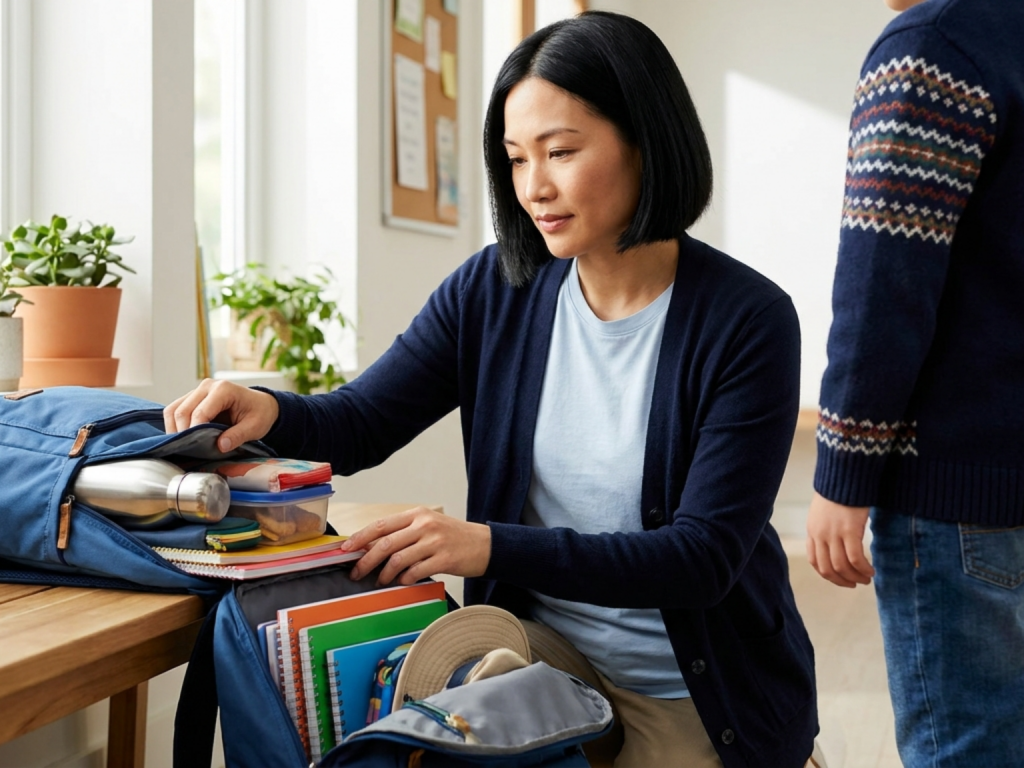
Overpacking the backpack The most familiar school supply mistake is also one of the most preventable: sending a child to school with a backpack that is too heavy. Children may carry textbooks, notebooks, technology, lunch, water, sports gear, art projects, and “just in case” extras long after those items stop being necessary. The result can […]

Backpacks and essential school gear list

Backpacks and essential school gear list

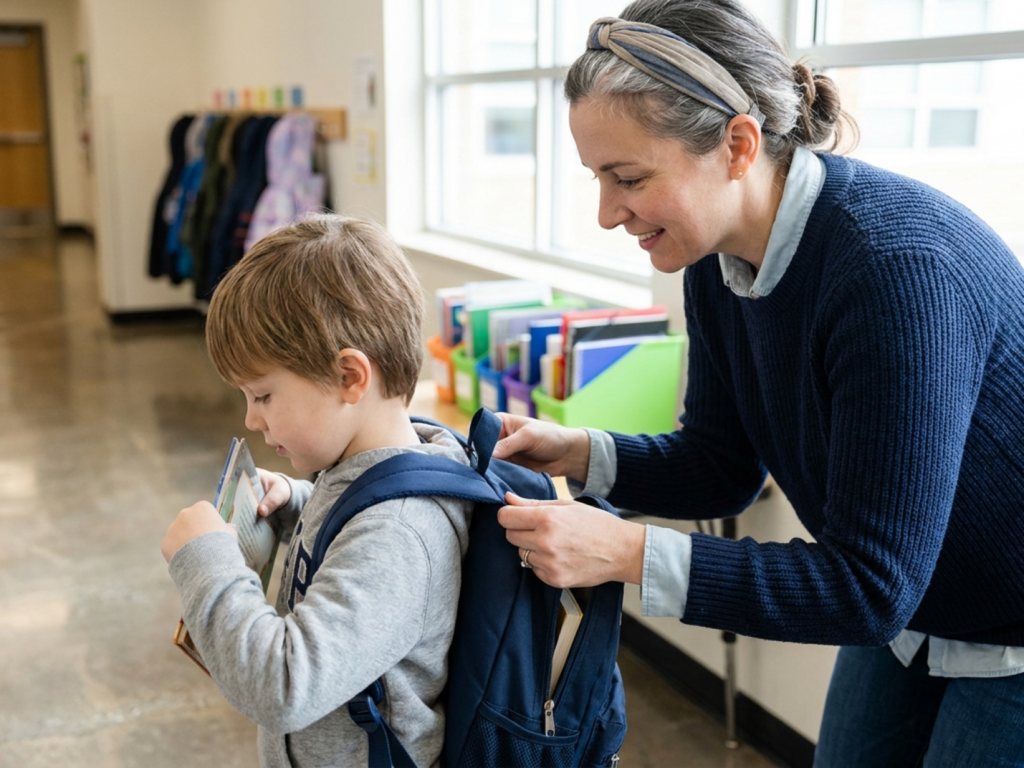
Start with the backpack: fit, load, and child comfort A backpack is more than a container. For a child, it becomes a daily load-bearing device, so fit matters. Choose a backpack that is proportionate to the child’s torso, with two padded shoulder straps, a padded back panel, and enough structure that books do not poke […]
School supplies for children explained

School supplies for children explained

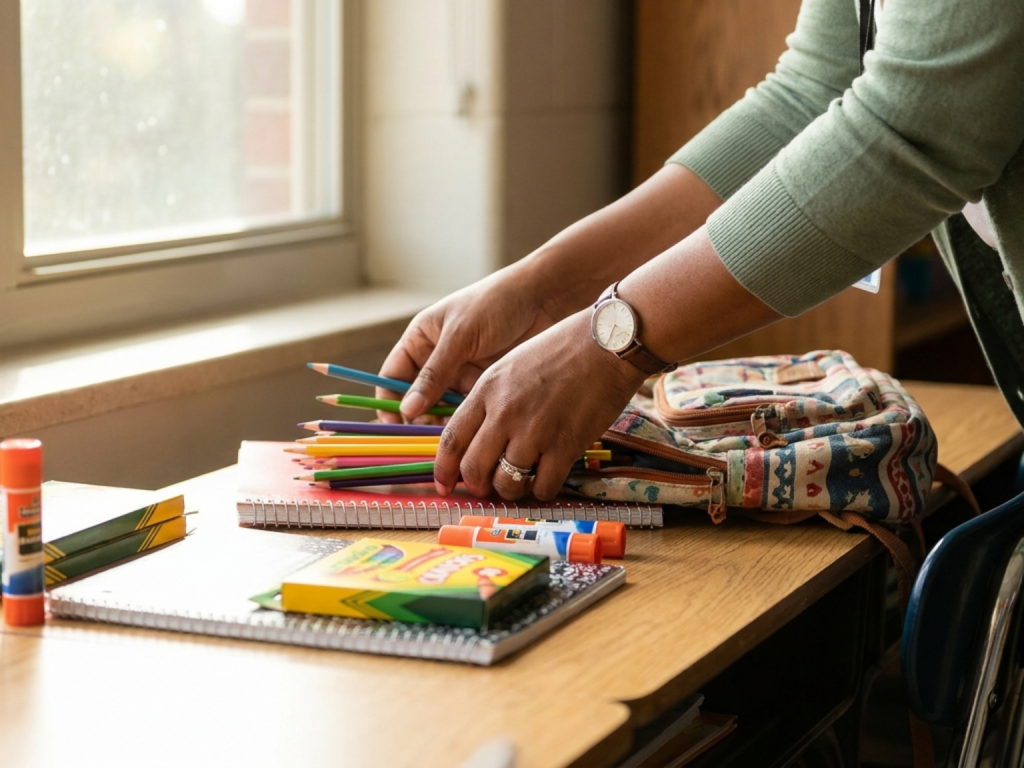
Why school supplies matter for children School supplies are external supports for a child’s developing executive functions: planning, working memory, task initiation, organization, and self-monitoring. A folder is not just a folder; it can become a predictable place for homework, permission slips, and teacher notes. A pencil pouch can reduce the cognitive load of searching […]

Tech, Sports & Travel Gear

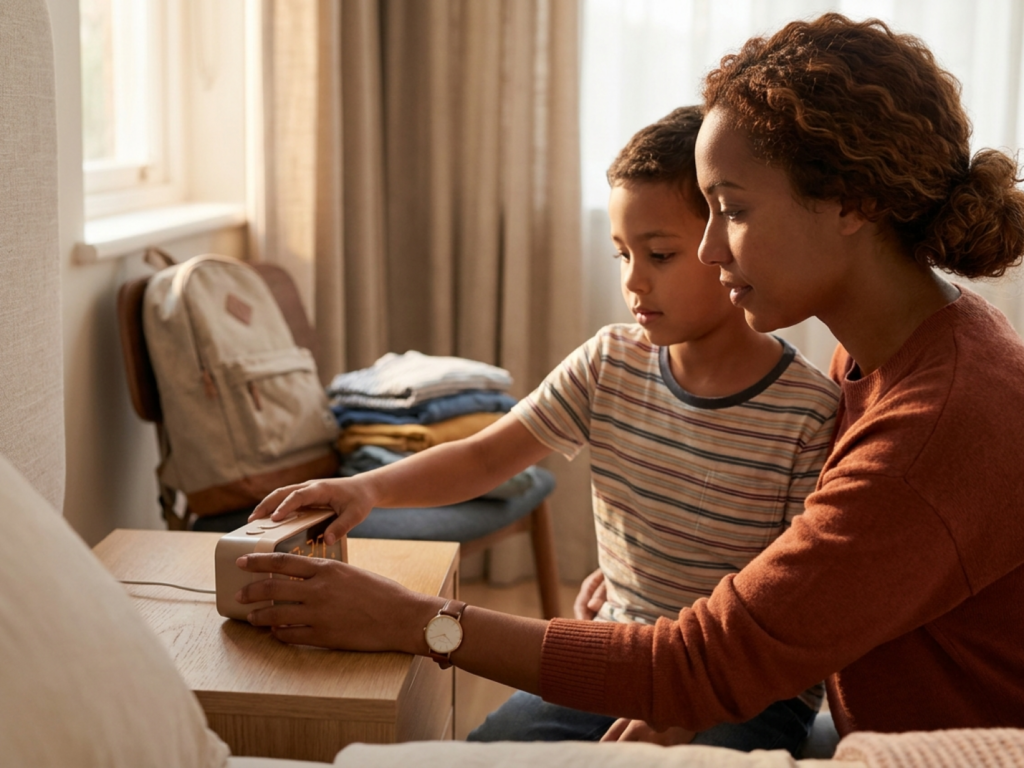
Choosing a first alarm clock for a school-age child

Choosing a first alarm clock for a school-age child

Start with readiness, not just age Most school-age children can begin practicing with an alarm clock somewhere in the early elementary years, but readiness varies widely. A child who understands time, follows a short morning sequence, and wants more responsibility may enjoy the change. Another child of the same age may still need close adult […]

Volume-limiting headphones for children explained

Volume-limiting headphones for children explained

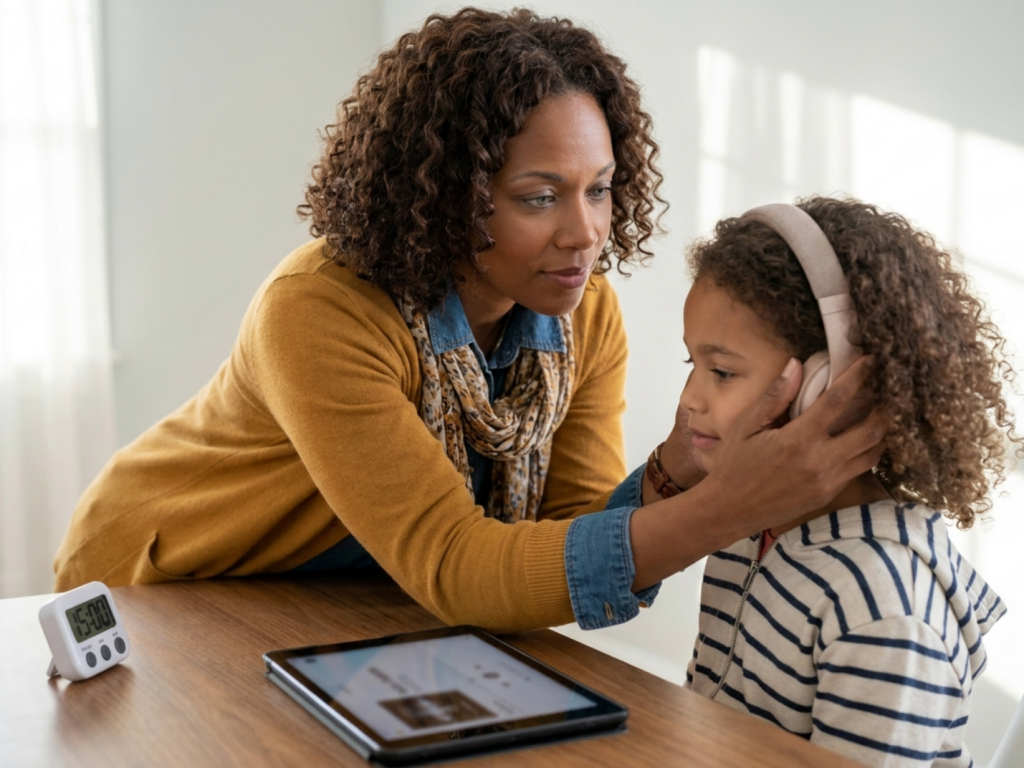
What volume-limiting headphones are designed to do Volume-limiting headphones are marketed to keep audio output below a set ceiling, commonly around 85 decibels sound pressure level. The purpose is to reduce the risk of noise-induced hearing injury, which occurs when excessive sound energy damages delicate cochlear hair cells and neural pathways involved in hearing. In […]

Portable gear and smart travel choices

Portable gear and smart travel choices

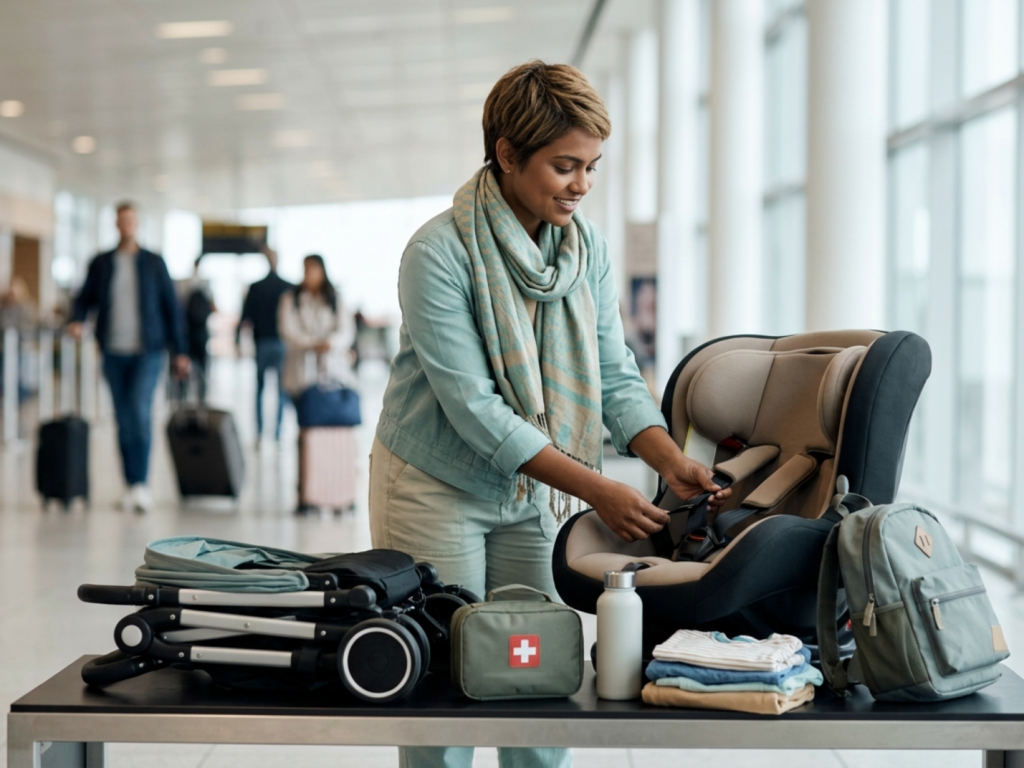
Start with the child, not the suitcase The most useful travel gear is selected around a child’s developmental stage, medical needs, temperament, and the realities of the trip. A toddler who naps reliably in motion may need a compact stroller more than extra toys. A school-age child with asthma, food allergy, diabetes, epilepsy, or mobility […]

Choosing headphones that are safe for children’s hearing

Choosing headphones that are safe for children’s hearing

Why headphone safety matters Headphones deliver sound directly near the ear, so the listening level can become much higher than it feels in a quiet room. Risk depends on both intensity and duration: louder sound can become hazardous more quickly, while moderately loud sound may also be problematic when exposure is prolonged or repeated. Children […]

Travel product mistakes children

Travel product mistakes children

Mistake 1: treating travel products as one-size-fits-all One of the most common travel product mistakes is assuming that a product labeled for children is appropriate for every child. Children differ widely in developmental stage, weight, height, airway anatomy, thermoregulation, skin sensitivity, and ability to follow safety instructions. A product that is reasonable for a school-age […]

Best travel products and packing essentials for kids

Best travel products and packing essentials for kids

Start with a child-centered packing strategy The best travel products for kids are the ones that solve predictable problems: hunger, thirst, thermal discomfort, boredom, fatigue, motion-related nausea, toileting accidents, sun exposure, and disrupted routines. Before buying anything new, map the trip by time and risk. A three-hour car ride to relatives requires different gear than […]

Travel gear for children explained

Travel gear for children explained

Start with the journey, not the product Travel gear for children is easiest to choose when you begin with the itinerary rather than the shopping list. A two-hour car journey to relatives, a long-haul flight, and a city trip with public transport all require different equipment. The goal is not to own every travel product; […]

Tech buying mistakes parents

Tech buying mistakes parents

Buying before identifying the need One of the most common mistakes is purchasing a device before defining the problem it is meant to solve. A child may not need a smartwatch if the actual concern is occasional communication after school. A tablet may be unnecessary if a school already provides a managed device. A voice […]

Managing tech products and best gear for children

Managing tech products and best gear for children

Start with the child, not the product The most useful gear for children begins with a simple clinical principle: fit the intervention to the child’s developmental abilities, environment, and risk profile. A tablet, smartwatch, backpack, bike helmet, or study lamp is not inherently good or bad. Its value depends on whether it helps a child […]

Devices for kids pros cons and choosing gadgets

Devices for kids pros cons and choosing gadgets

Why children’s devices are a health and development decision A child’s gadget is not just a consumer purchase. It can shape daily rhythms, sleep timing, attention patterns, social learning, body posture, exposure to advertising, and family communication. That does not mean every device is harmful; it means the choice deserves the same thoughtful approach parents […]

Technology products for children explained

Technology products for children explained

What counts as a technology product for children? Technology products for children include much more than a tablet or smartphone. Common examples are laptops used for schoolwork, e-readers, game consoles, handheld gaming devices, child-oriented cameras, smart speakers, GPS-enabled watches, activity trackers, connected toys, virtual-reality headsets, and communication or accessibility devices. Some products are designed specifically […]

Budget, Mistakes & Smart Choices

Overbuying and choosing wrong products for age

Overbuying and choosing wrong products for age

Why overbuying happens Overbuying usually starts with reasonable intentions. Parents and caregivers want children to be stimulated, comfortable, included, and prepared for the next stage. Retailers, social media, milestone checklists, and peer comparison can turn those healthy wishes into a sense that every developmental phase requires a new set of tools, toys, containers, books, gadgets, […]

Understanding real product needs

Understanding real product needs

What a real product need means A real product need is the underlying problem a product must solve, not the product itself. For a child, the need might be safe sleep, adequate nutrition, independent mobility, sensory regulation, medication accuracy, injury prevention, or caregiver efficiency. The product is only one possible intervention. For example, a family […]

What is actually necessary gear

What is actually necessary gear

Start with the purpose, not the product A useful way to define necessary gear is to ask what risk or daily need the item addresses. For children, the core categories are injury prevention, safe transport, basic medical response, hygiene, nutrition and hydration, sleep, weather protection, communication, and developmental participation. If an item does not clearly […]

Product myths vs facts children

Product myths vs facts children

Why product myths persist Parents and caregivers are not careless when they believe product myths; they are often responding to credible-looking cues. A product may be sold in a major store, promoted by influencers, described as pediatrician-approved, or packaged with calm images of sleeping infants or active children. These cues can reduce perceived risk even […]

Myths about expensive and must have items

Myths about expensive and must have items

Myth 1: Expensive automatically means better for a child Price is an imperfect signal. Research on luxury perception shows that consumers often associate high cost with superior quality, rarity, identity, and social value. That association can be emotionally convincing, especially when the purchase is for a child. A parent may think, if it costs more, […]

Common myths about child products

Common myths about child products

Myth: If a product is sold in stores, it must be safe Retail availability is not the same as proof that a product is safe for every child, every environment, or every foreseeable use. Government rules may apply only to particular product categories, hazards, materials, or design features. Some products may also be governed by […]

Improving product decisions

Improving product decisions

Start with the decision, not the product Many disappointing purchases happen because the family starts with an appealing product rather than a defined problem. A decision-first approach asks: What are we trying to improve, for whom, under what constraints, and how will we know whether it worked? For a child, the answer should include developmental […]

Buying low quality products and ignoring functionality

Buying low quality products and ignoring functionality

What low quality means for child products For children, low quality is broader than a toy breaking early or a zipper failing. Product quality includes whether an item performs its intended function, matches reasonable expectations, and remains usable under normal conditions. Research on customer satisfaction describes quality as closely connected to functionality, reliability, and perceived […]

Common mistakes buying kids products

Common mistakes buying kids products

Mistake 1: treating age labels as suggestions One of the easiest mistakes is assuming that age labels are only about intellectual challenge. In children’s products, age grading is also a safety classification. It reflects predictable developmental behaviors such as mouthing, biting, pulling, throwing, climbing, and using an item while fatigued or distracted. A puzzle that […]

Cost saving strategies parents

Cost saving strategies parents

Start with a compassionate family budget Begin by recording income and essential outgoings for one month, using bank statements, receipts, or a budgeting service. Separate fixed expenses, such as rent or mortgage payments, from variable expenses, such as groceries, transport, activities, and clothing. Include less frequent costs by estimating their yearly total and dividing it […]

What products are worth investing and what to avoid

What products are worth investing and what to avoid

Start with risk, fit, and real use A product is worth investing in when it changes daily safety or function in a measurable way. For children, that usually means it reduces injury risk, supports sleep or feeding within established safety guidance, improves hygiene, fits the child’s body correctly, or supports skills the child is actively […]

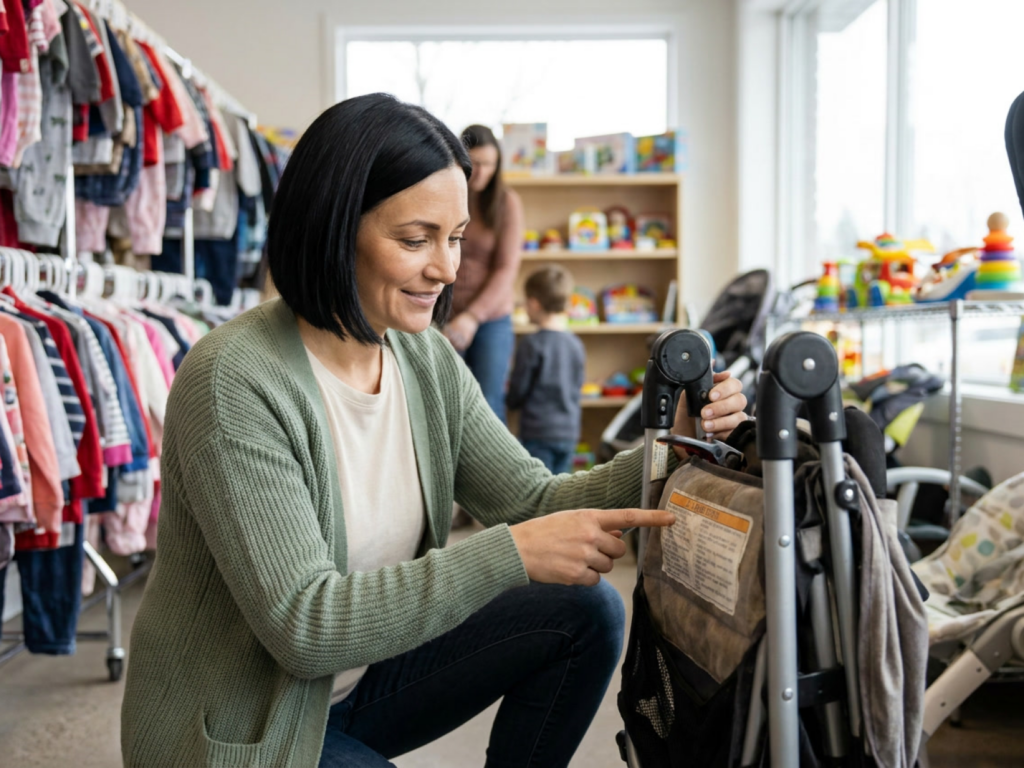
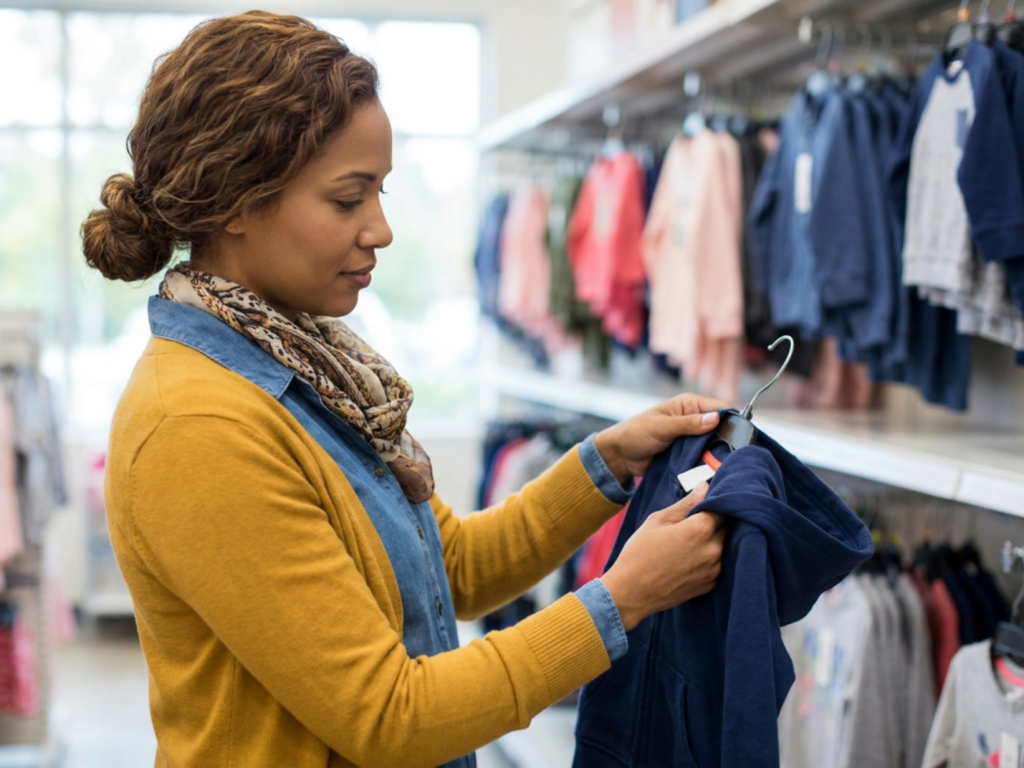
Buying second hand and budget friendly kids gear

Buying second hand and budget friendly kids gear

Start with risk, not price Budget pressure can make every purchase feel urgent, especially during rapid growth phases when shoes, coats, diapers, feeding supplies, and school items seem to become obsolete overnight. A safer approach is to sort gear by risk. Low-risk items are easy to clean, have no complex moving parts, and do not […]

How to save money on child products

How to save money on child products

Start with needs, not product lists The most reliable way to save money on child products is to buy according to the child’s current needs rather than an idealized registry or social-media checklist. Infants, toddlers, preschoolers, school-age children, and adolescents need different supports for sleep, feeding, mobility, sensory regulation, hygiene, learning, and social participation. Age-based […]

Clothing, Bedroom & Personal Essentials

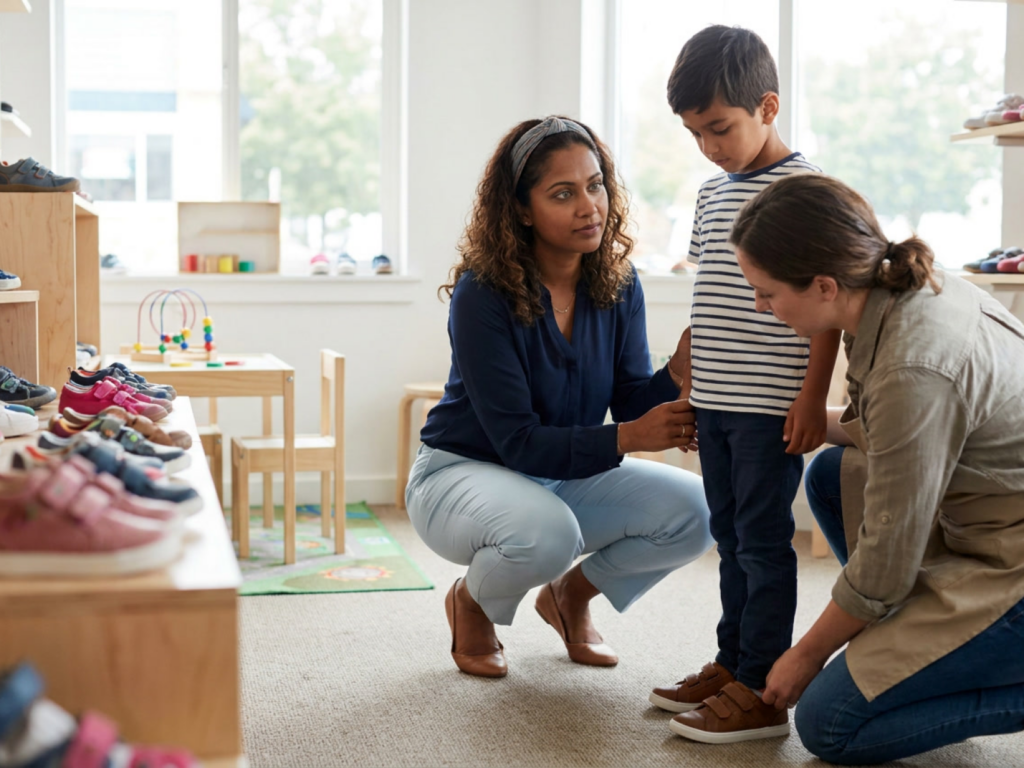
Choosing supportive everyday shoes for growing children

Choosing supportive everyday shoes for growing children

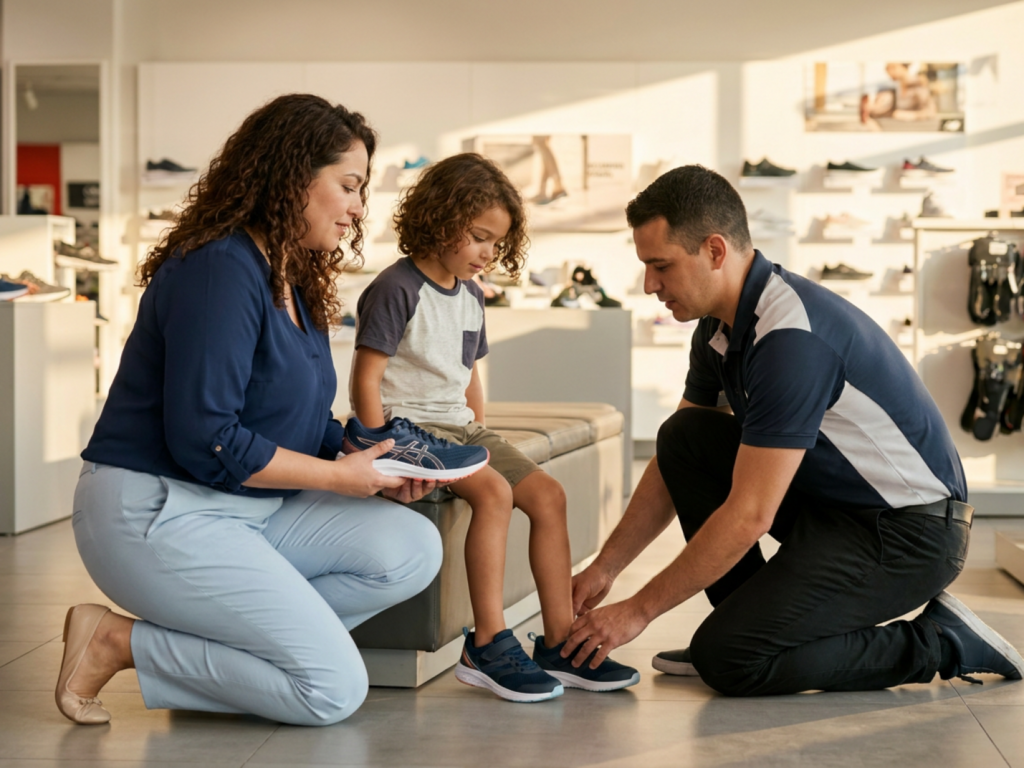
Why supportive everyday shoes matter during growth Children’s feet are not simply smaller adult feet. Bones, cartilage, ligaments, muscles, fat pads, and neuromotor control mature over years. Early walkers often have a broad-based gait, variable foot placement, and visible flatness due to ligamentous laxity and a normal plantar fat pad. As balance, strength, and proprioception […]

Adaptive clothing for children with mobility or dressing challenges

Adaptive clothing for children with mobility or dressing challenges

What adaptive clothing means for children Adaptive clothing refers to garments designed or modified to make dressing, undressing, toileting, hygiene, and medical access easier. For children, this may include clothing for children who use wheelchairs, walkers, standers, ankle-foot orthoses, spinal braces, prostheses, casts, gastrostomy tubes, insulin pumps, ostomies, central lines, continence products, or ventilatory support. […]
Sensory-friendly clothing for children who dislike seams, tags, or tight fabrics

Sensory-friendly clothing for children who dislike seams, tags, or tight fabrics

Why ordinary clothing can feel overwhelming Children vary substantially in tactile processing. Some have an over-responsive touch system, meaning relatively low-intensity sensory input is experienced as disproportionately salient, irritating, or painful. A seam that another child barely notices may feel like persistent rubbing; a tag may feel sharp; snug sleeves may feel constricting. This response […]

Selecting swimwear and sun-protective clothing for children

Selecting swimwear and sun-protective clothing for children

Why sun-protective swimwear matters Children’s skin is not simply a smaller version of adult skin. The epidermal barrier is still developing in younger children, and childhood ultraviolet radiation exposure contributes to cumulative lifetime photodamage. Sunburns in childhood are associated with later skin cancer risk, and intermittent intense exposure at pools, beaches, lakes, and water parks […]

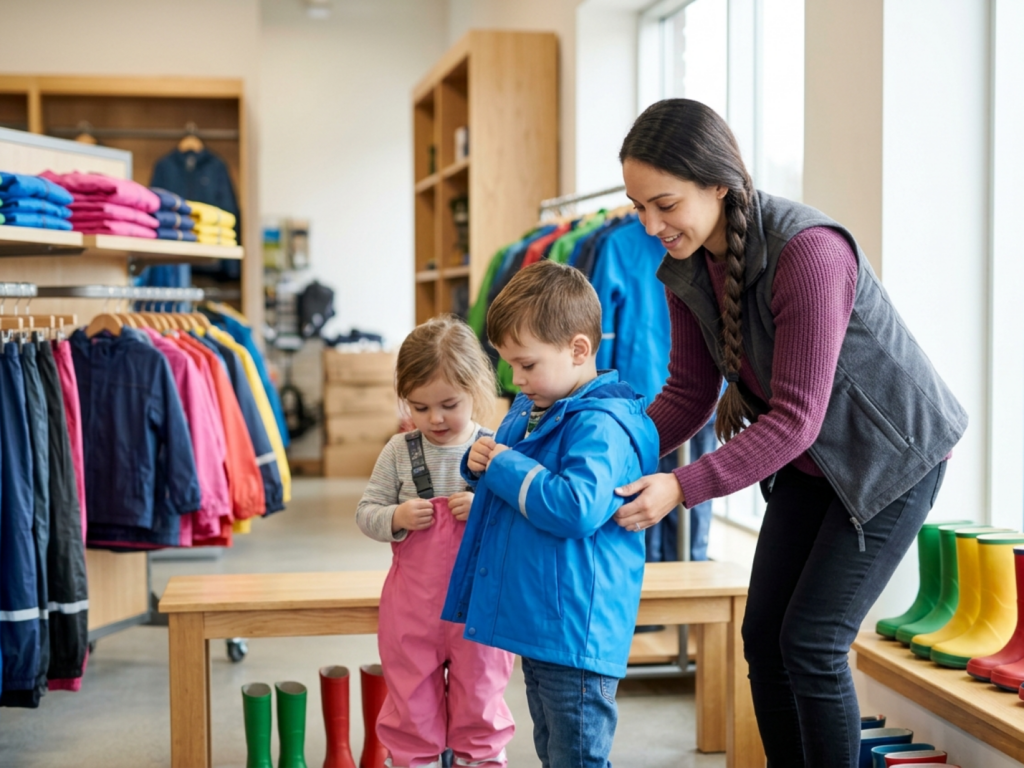
Choosing rain gear for children by age and activity level

Choosing rain gear for children by age and activity level

Start with the child, not the forecast Choosing rain gear is easier when you begin with your child’s age, motor skills, sensory preferences, and planned activity. A toddler walking to daycare for ten minutes has different needs from a nine-year-old hiking in steady rain or a teen cycling to practice. Rain gear should keep external […]

Choosing a safe desk lamp for a child’s room

Choosing a safe desk lamp for a child’s room

Start with the child, not the lamp A safe desk lamp begins with a developmental risk assessment. A toddler who climbs, pulls cords, mouths objects, or explores switches needs a different setup from a school-age child who mainly reads at a desk. For infants and very young children, a desk lamp should generally be inaccessible […]

Choosing winter clothing that keeps children warm without limiting movement

Choosing winter clothing that keeps children warm without limiting movement

Warmth and mobility are not opposing goals It is understandable to reach for the puffiest coat when temperatures drop. Children lose heat when the environment overwhelms their ability to produce and conserve warmth, and they may not always recognize early cold stress. However, excessive bulk can create a different problem: restricted shoulder movement, stiff hips […]

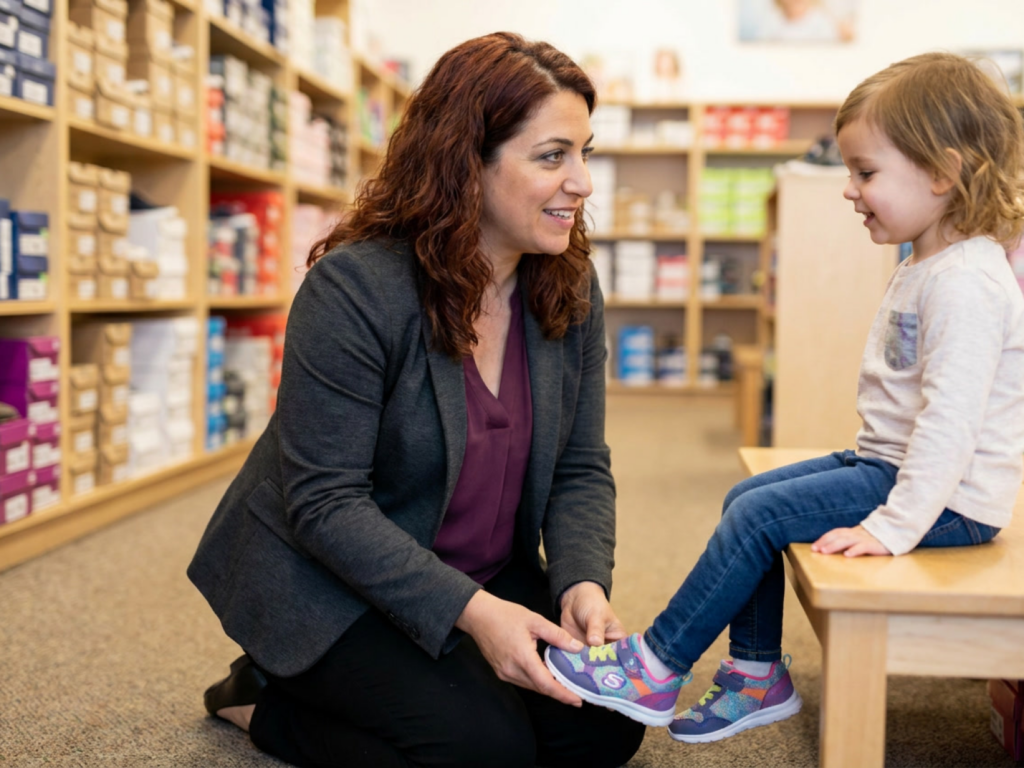
How often children need new shoes as their feet grow

How often children need new shoes as their feet grow

Why children outgrow shoes so quickly Children’s feet are not simply smaller adult feet. In early life, the bones are still developing, the arches are maturing, and the soft tissues are highly adaptable. The foot contains multiple growth centers, and the shape of the forefoot, heel, and arch changes as standing, walking, running, and balance […]

Clothing buying mistakes children

Clothing buying mistakes children

Mistake 1: Trusting age labels instead of the child’s body and activity Age-based clothing labels are convenient, but they are not medical or developmental measurements. A 5-year-old may have the torso length of one size, the waist of another, and the motor demands of a child who climbs, kneels, runs, and sits cross-legged for long […]

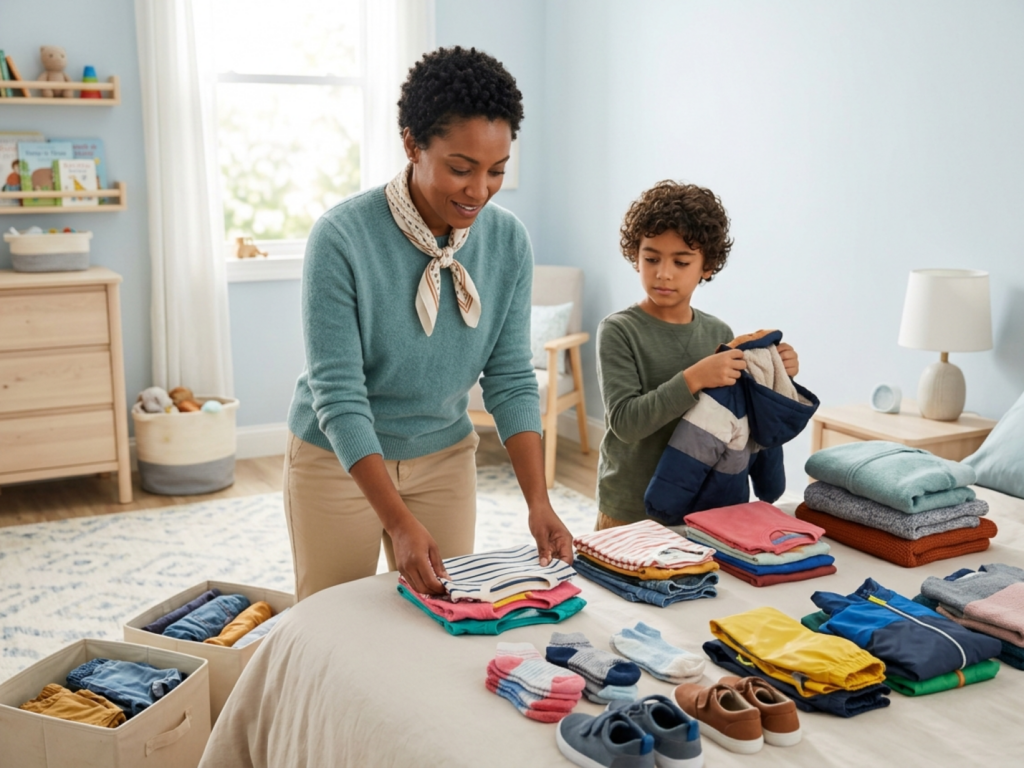
Seasonal clothing guide and how many clothes children need

Seasonal clothing guide and how many clothes children need

Start with the child, not the closet A useful seasonal wardrobe begins with the child’s actual life. A preschooler who paints, climbs, and has occasional toileting accidents needs more washable play clothes than a ten-year-old who changes after school and keeps uniforms clean. A child in a mild coastal climate may need only light layers, […]

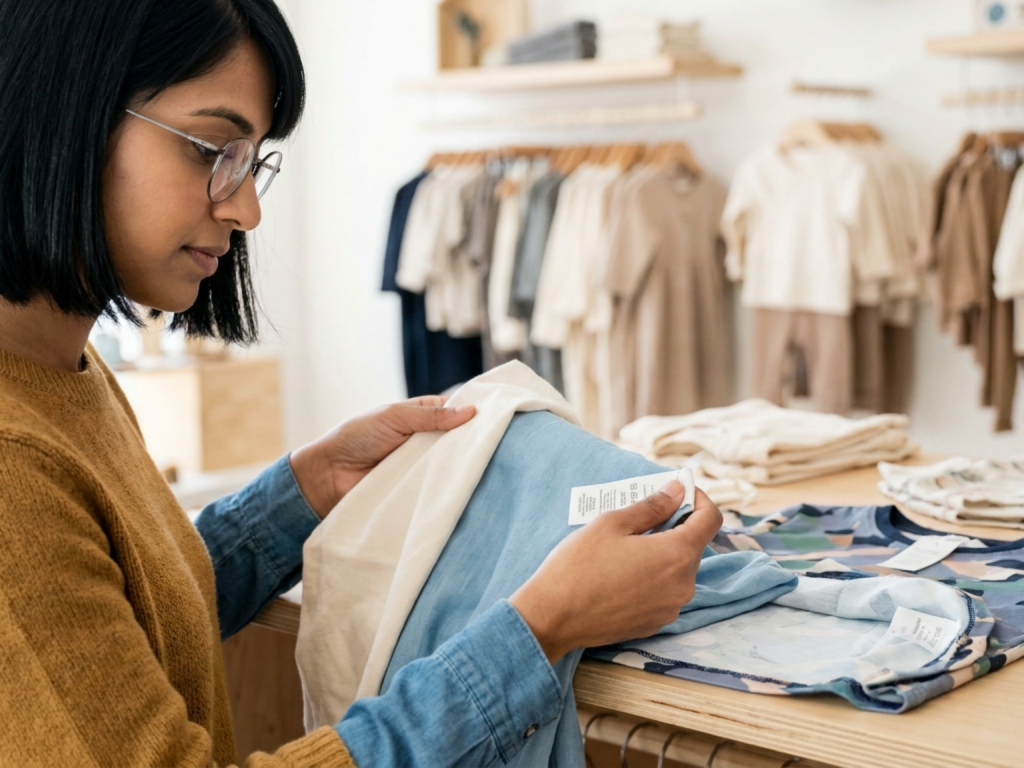
How to choose kids clothing and materials

How to choose kids clothing and materials

Start with the child, not the label The best clothing choice begins with the child’s age, movement patterns, skin history, and daily environment. A newborn who spends long periods sleeping needs soft seams, easy diaper access, and safe thermal regulation. A toddler needs clothing that tolerates crawling, climbing, mouthing, spills, and toilet-learning accidents. A school-age […]

Clothing for children explained

Clothing for children explained

What children’s clothing needs to do Children’s clothing is not just decoration. It is a functional layer between a growing body and the outside world. Good clothing allows a child to run, climb, sit cross-legged, sleep, use the toilet, regulate body temperature, and participate in family or school life without unnecessary discomfort. For infants and […]

School, Learning & Creative Gear

Signs that a child’s backpack is too heavy

Signs that a child’s backpack is too heavy

Why backpack weight matters Children’s bones, joints, muscles, and connective tissues are still developing. A backpack that is too heavy can increase mechanical demand on the spine, shoulders, neck, hips, and lower limbs. The issue is not only the absolute weight of the bag. Load distribution, backpack design, strap adjustment, the child’s strength and body […]

Selecting a reusable water bottle for a child

Selecting a reusable water bottle for a child

Start with the child, not the product A reusable water bottle should fit the child’s age, motor skills, sensory preferences, school setting, and health needs. A toddler who chews spouts, a preschooler learning independence, and a school-age child carrying a backpack all place different demands on a bottle. Thinking in terms of developmentally appropriate child […]

Choosing durable lunch boxes and food containers for school

Choosing durable lunch boxes and food containers for school

Start with the child, not the product A lunch box works only if it fits the child’s real school day. Before comparing materials, consider your child’s age, hand strength, attention span, cafeteria time, bus or walking commute, and school storage conditions. A preschooler may need a simple latch and visual food compartments, while an older […]

Choosing the right backpack size and fit for a child

Choosing the right backpack size and fit for a child

Why backpack size and fit matter A backpack changes how weight is distributed across the musculoskeletal system. When the load hangs low or away from the body, it creates a longer lever arm, increasing the effort required from the trunk and shoulder muscles to maintain balance. A child may compensate by leaning forward, rounding the […]

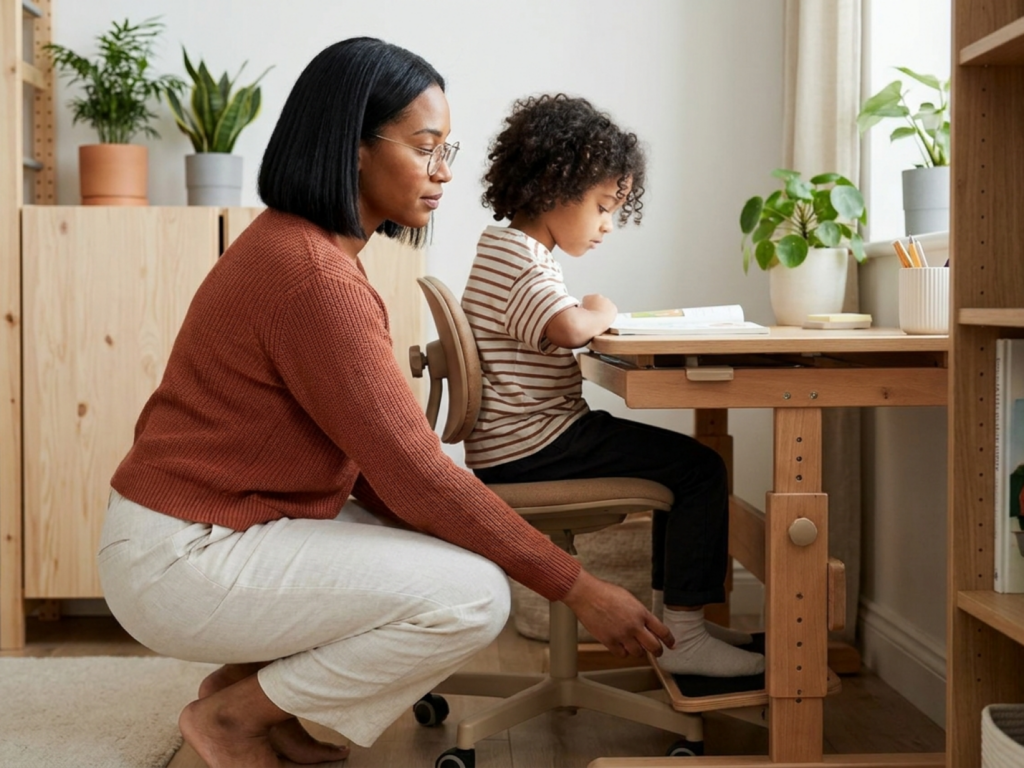
Choosing a study desk and chair for a child

Choosing a study desk and chair for a child

Start with the child, not the furniture label Children’s furniture is often marketed by age, but chronological age is a poor proxy for body size, motor control, and learning needs. A supportive study station begins with direct observation: how the child sits, where the feet land, whether the shoulders rise toward the ears during writing, […]

Creating an ergonomic homework space for children

Creating an ergonomic homework space for children

Why ergonomics matters for homework Children often do homework in spaces designed for adults: kitchen tables, high desks, couches, beds, or shared computer stations. These places may work briefly, but over time they can encourage flexed neck posture, rounded shoulders, unsupported feet, wrist extension, and excessive trunk rotation. The result may be fatigue, reduced concentration, […]

Common toy buying mistakes

Common toy buying mistakes

Mistake 1: Treating age labels as optional One of the most common purchasing mistakes is choosing a toy because a child appears interested in it, while disregarding the manufacturer’s age recommendation. Age labels are based on factors such as motor skills, cognitive development, expected play behavior, and the presence of hazards that a younger child […]

Educational vs entertainment toys and overstimulation risks

Educational vs entertainment toys and overstimulation risks

What makes a toy educational rather than just entertaining A toy is not educational simply because it says so on the box. In child development, learning is strongest when play is active, meaningful, socially interactive, and not dominated by irrelevant distractions. A child who stacks blocks, narrates a pretend meal, sorts shells by size, or […]

How to choose toys and age appropriate options

How to choose toys and age appropriate options

Start with developmental fit, not marketing promises A developmentally appropriate toy is one that matches a child’s current neurodevelopmental capacities while inviting safe practice of emerging skills. In practical terms, the toy should be understandable enough to reduce frustration, but interesting enough to stimulate curiosity. This is different from choosing a toy because the package […]

Toys for children by age explained

Toys for children by age explained

Why age matters when choosing toys Toys are not just entertainment. In early childhood, play is a major route for sensorimotor learning, language exposure, social reciprocity, problem-solving, and self-regulation. The American Academy of Pediatrics emphasizes that toys should encourage imagination, caregiver-child interaction, and language-rich play rather than passive consumption. A toy that allows a child […]

Organizing and choosing quality school products

Organizing and choosing quality school products

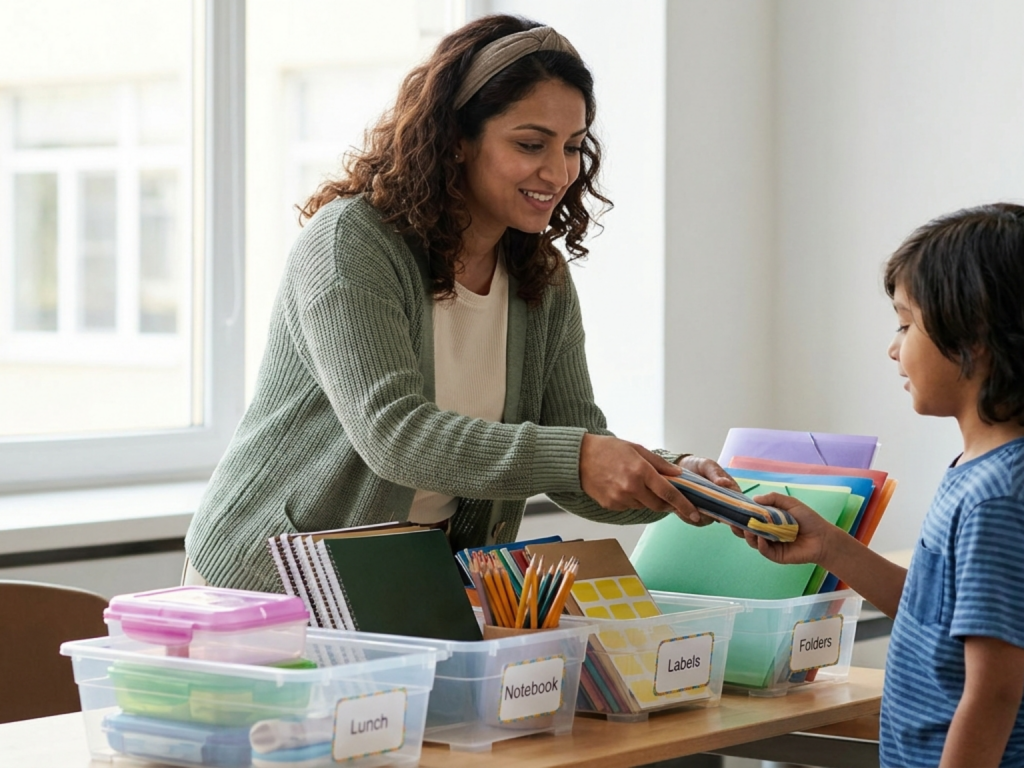
Start with the child, not the shopping list A school supply list is useful, but it is only the starting point. A child’s age, developmental stage, sensory profile, motor skills, school environment, and health needs should shape what is purchased and how it is organized. For example, a first grader who is still developing pencil […]

Sports, Outdoor & Protective Gear

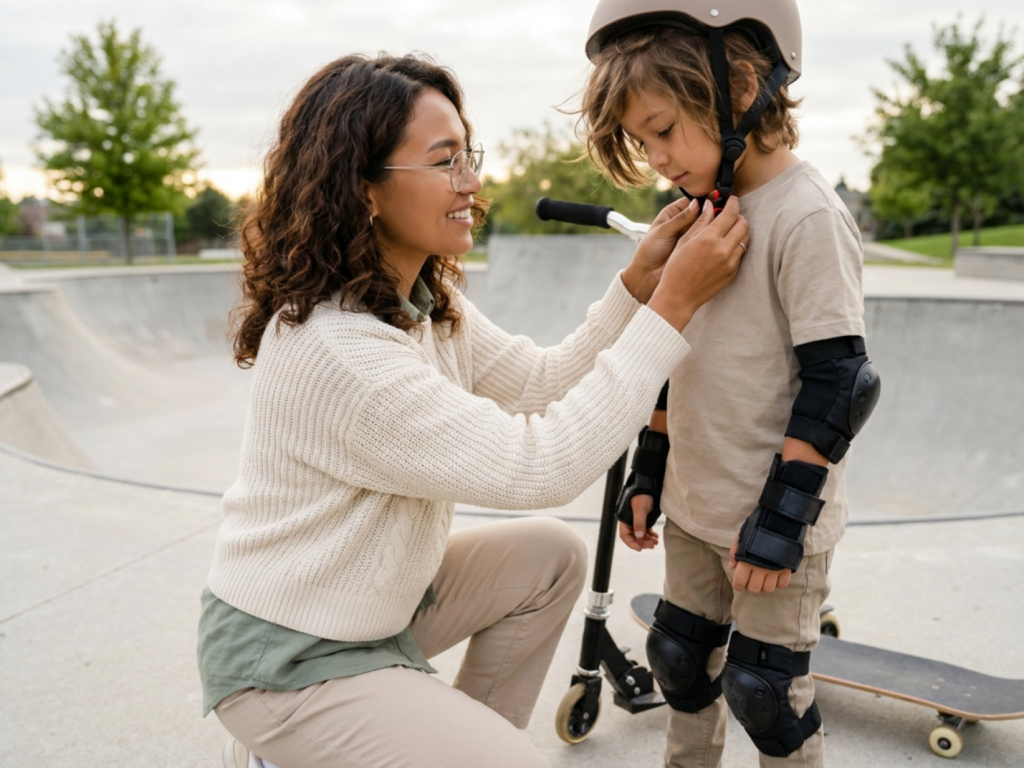
Choosing protective gear for skating, scooters, and skateboards

Choosing protective gear for skating, scooters, and skateboards

Start with the child, activity, and likely falls Protective gear should be selected according to the child’s age, body size, experience, and the activity they actually perform. Inline skating and roller skating often involve forward falls onto the hands, knees, or elbows. Scooters can produce forward or sideways falls, including impacts involving the head, wrists, […]

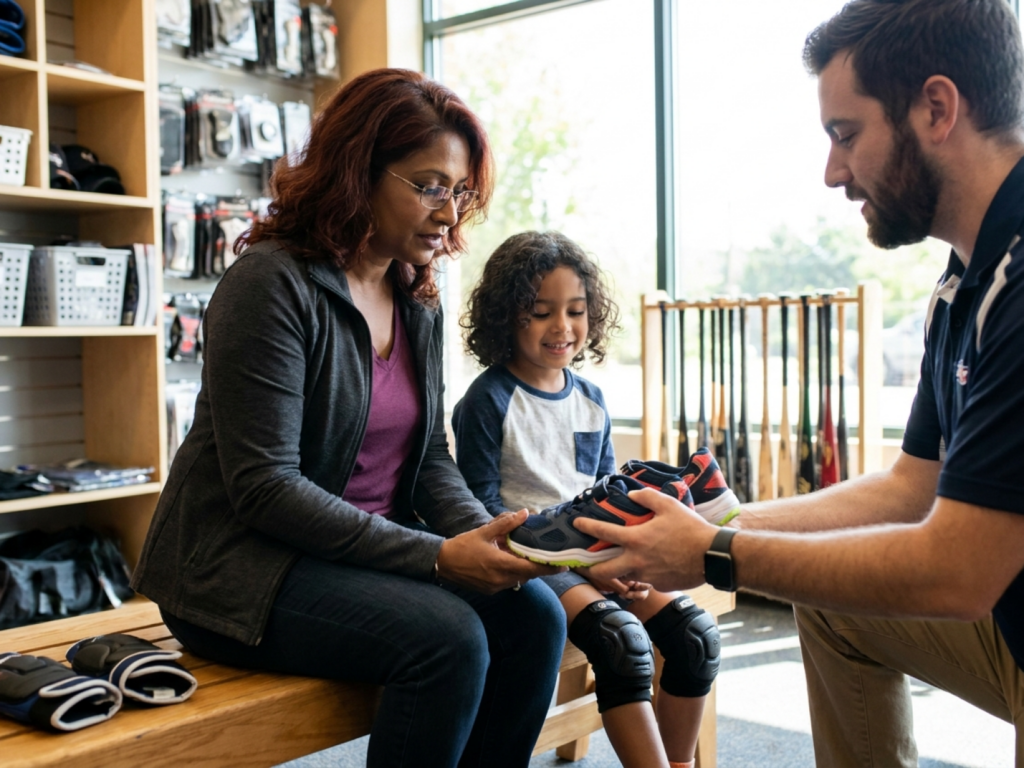
Selecting sports shoes for different activities

Selecting sports shoes for different activities

Start with the activity, not the brand Athletic shoes are not interchangeable. Footwear designers balance cushioning, flexibility, weight, traction, and structural support according to the movements expected in a particular activity. A child who mainly walks or jogs in a straight line has different mechanical demands from a child who repeatedly stops, pivots, jumps, and […]

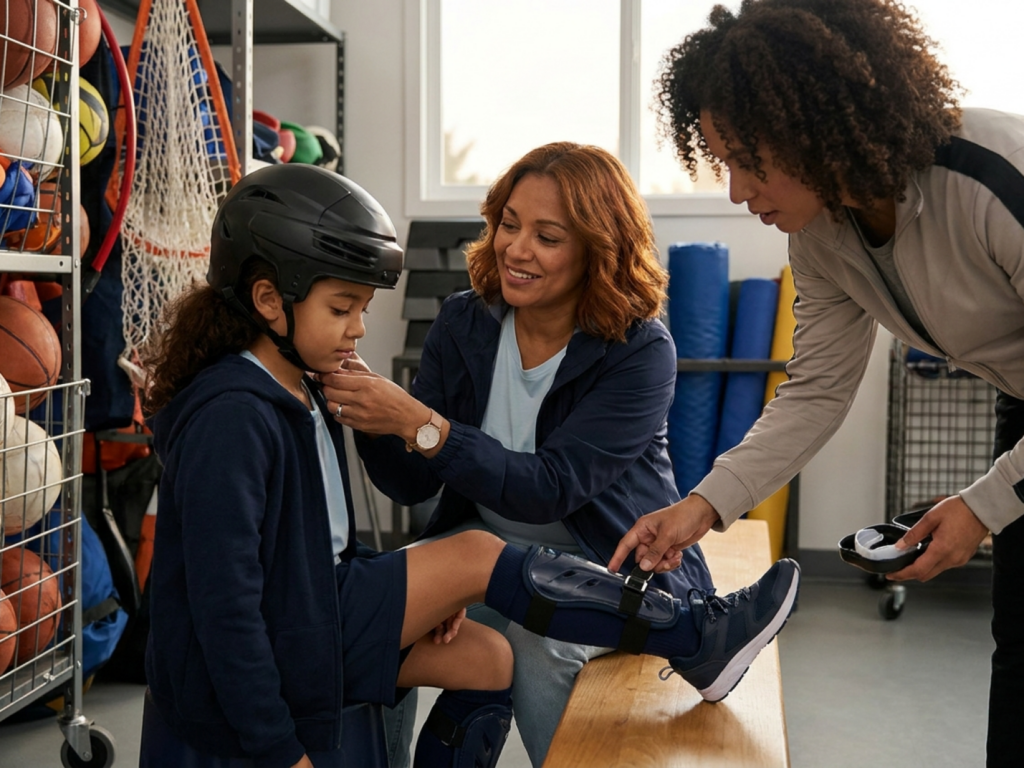
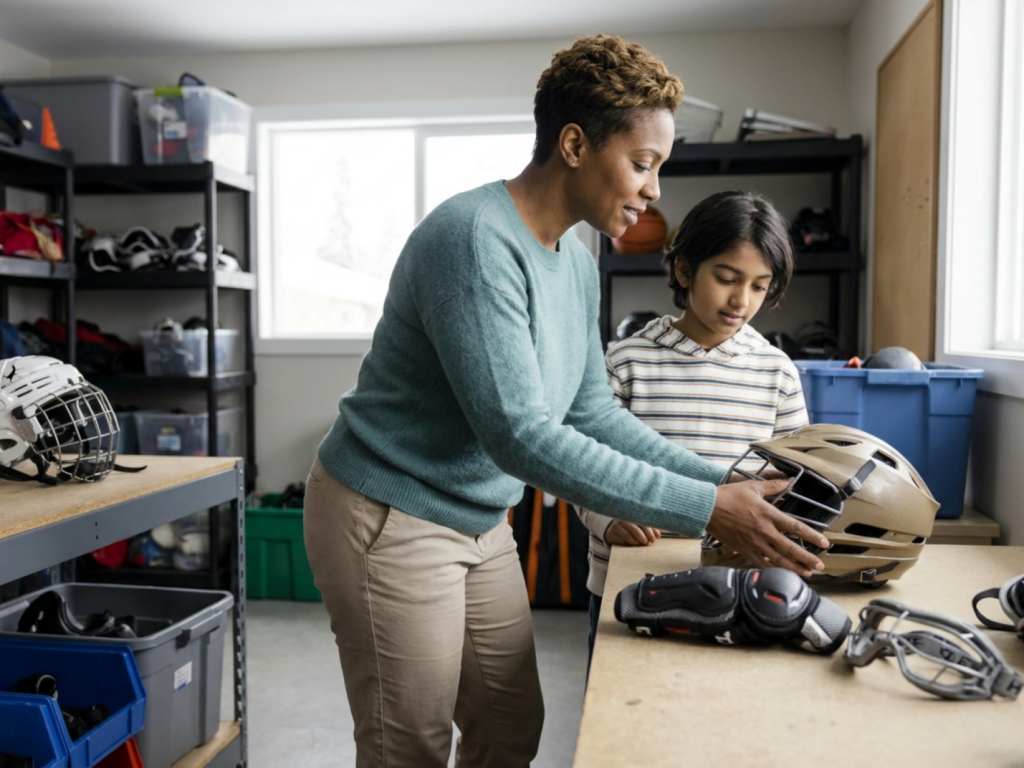
When protective sports gear needs to be replaced

When protective sports gear needs to be replaced

Why protective gear does not last indefinitely Protective equipment functions by absorbing, dispersing, or resisting energy. Foam liners may compress, plastic shells may become brittle, elastic materials may lose tension, and stitching or fasteners may weaken. Sweat, ultraviolet exposure, temperature changes, cleaning products, and storage in a hot vehicle can also affect materials. These changes […]

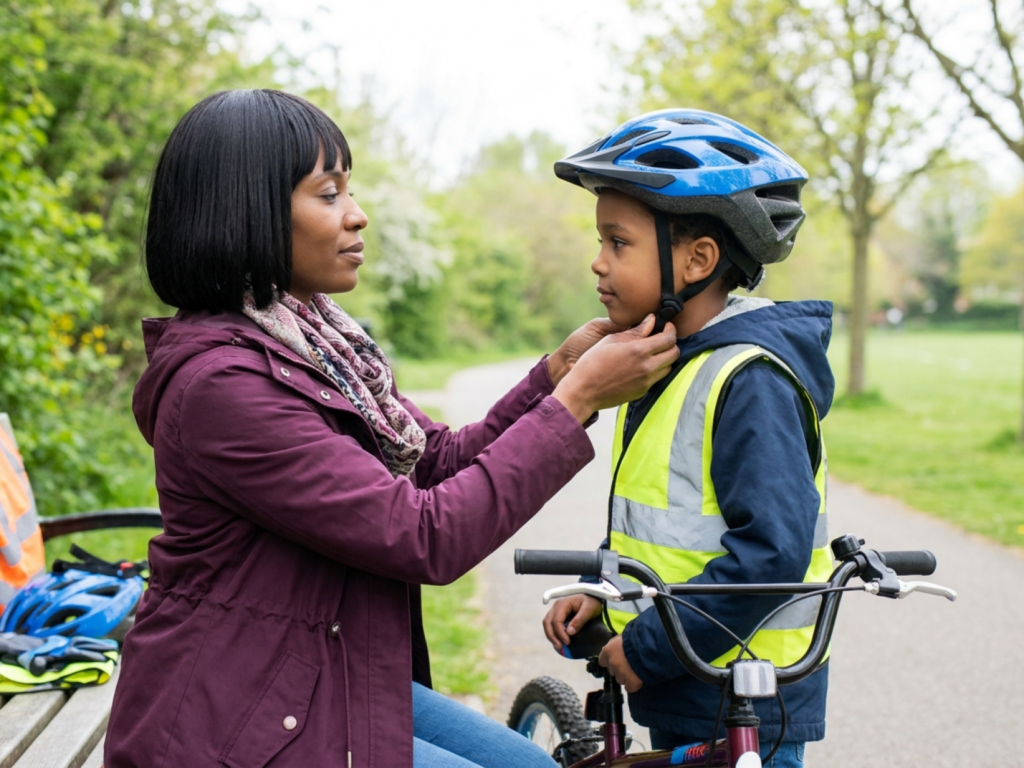
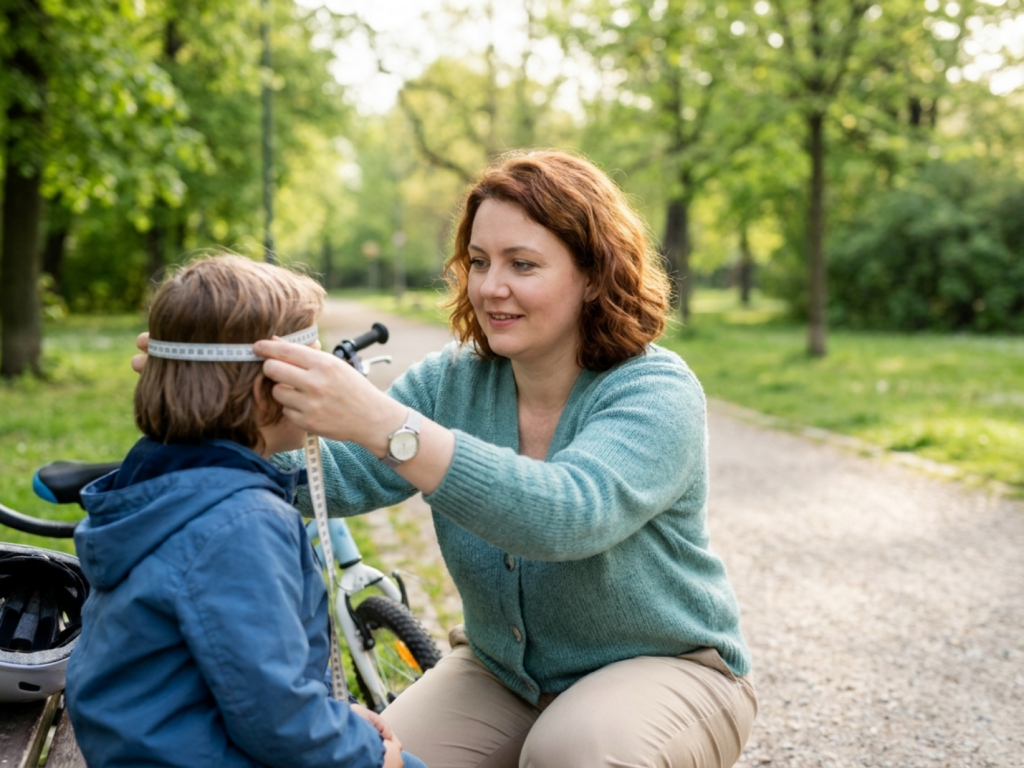
Choosing the correct bicycle helmet size for a child

Choosing the correct bicycle helmet size for a child

Why correct helmet size and fit matter A bicycle helmet is designed to work in a specific position on the head. If it is too large, it may shift during riding or fail to stay over the areas it is intended to protect. If it is too small, it may sit high, leave too much […]

Choosing a bicycle for a child by age and height

Choosing a bicycle for a child by age and height

Why age and height are only starting points Children’s bicycles are usually classified by wheel diameter rather than frame size. Common categories include balance bikes, 12-, 14-, 16-, 18-, 20-, 24-, and 26-inch bicycles. Age and height charts are helpful because they quickly narrow the options, but they cannot account for every child’s proportions or […]

Best gear for active kids

Best gear for active kids

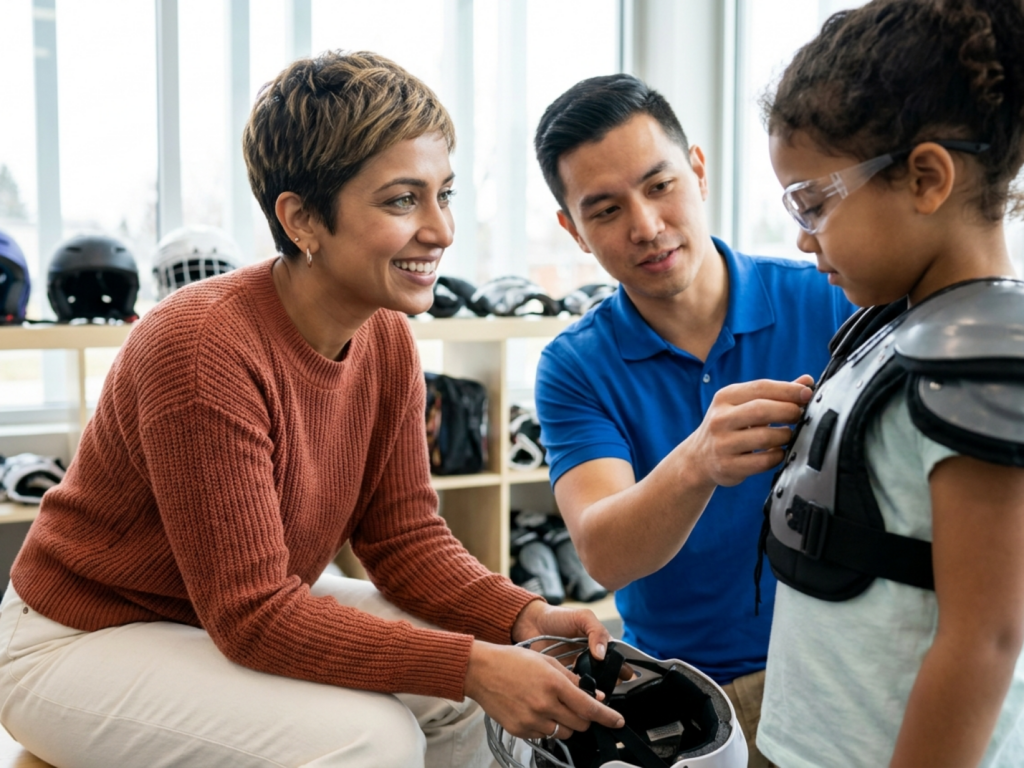
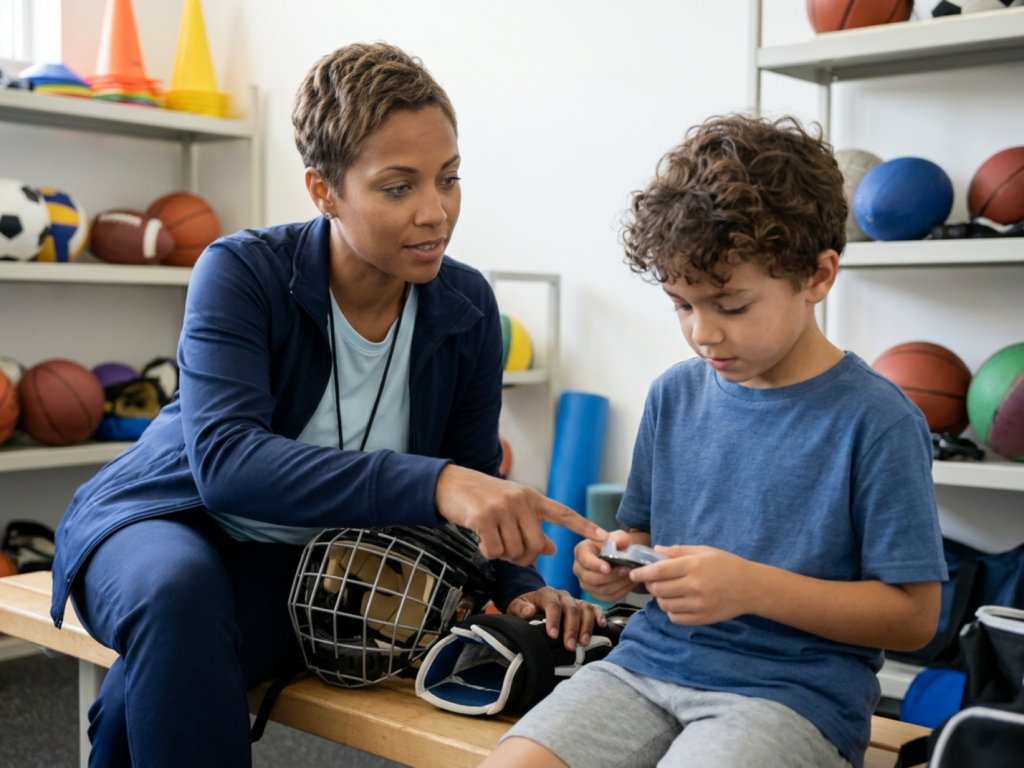
Start with the activity, child, and setting The best gear begins with a clear description of what the child will actually do. A helmet designed for bicycling is not automatically appropriate for football, equestrian activities, skiing, or ice hockey. Each sport exposes the body to different forces and fall patterns, so protective equipment should be […]

Sports gear mistakes parents

Sports gear mistakes parents

Mistake 1: Buying for growth instead of buying for fit Children can outgrow equipment within a season, so buying a larger size may seem economical. However, protective equipment is designed to remain in a particular position during impact or rapid movement. A helmet that shifts, shoulder pads that slide, shin guards that leave exposed areas, […]

Quality vs price sports equipment

Quality vs price sports equipment

What quality means in children’s sports equipment Quality is not a single characteristic. In children’s sports equipment, it is a combination of functional performance, structural integrity, comfort, fit, and expected service life. A high-quality football boot, for example, should suit the playing surface, remain securely fastened, and allow the child to move without painful pressure […]

Choosing sports gear and safety equipment

Choosing sports gear and safety equipment

Start with the sport and the child, not the shopping list Begin by asking what the child will actually do: run, slide, strike, catch, collide, fall, or move through a particular environment. A cyclist, goalkeeper, gymnast, skier, swimmer, and contact-sport player face different mechanisms of injury, so their equipment needs are not interchangeable. Check the […]

Sports equipment for children explained

Sports equipment for children explained

Start with the sport, the child, and the setting Sports equipment should be selected according to the specific activity rather than purchased as a general collection of protective items. A child playing field hockey, cycling, soccer, basketball, swimming, or contact sport faces different mechanical hazards. Equipment may need to address blunt impact, falls, friction, penetrating […]

FAQ — Child

How can I help my child build a good school routine?

Regular morning, homework, mealtime, and bedtime routines can make school days feel more predictable. Preparing clothes, bags, and supplies in advance may also reduce daily stress.

How can I encourage my child to become more independent?

Offer age-appropriate choices and responsibilities, such as preparing a school bag, choosing clothes, or completing simple household tasks. Allowing children to try, make small mistakes, and solve manageable problems helps build confidence.

How can I set healthy screen-time rules?

Clear family rules about when, where, and how screens are used are often easier to follow than changing limits each day. It also helps when adults model balanced screen habits and provide appealing offline activities.

How can I help my child talk about feelings?

Use everyday situations to name emotions and show that all feelings can be discussed. Asking open questions and listening without criticism can make children more comfortable sharing what they are experiencing.

How much help should I give with homework?

Parents can provide structure, encouragement, and a suitable place to work without completing assignments for the child. The goal is to support learning while gradually building independence and responsibility.

What can I do if my child is having friendship problems?

Listen carefully without immediately trying to solve everything. Helping your child describe what happened, consider another person's point of view, and think through possible responses can strengthen social skills.

How many activities should my child have after school?

The right number depends on the child's energy, interests, school demands, and need for free time. Activities should add enjoyment and development without making the weekly schedule feel constantly rushed.

What household responsibilities are appropriate for a child?

Children can often help with tasks such as tidying their room, setting the table, organizing school items, caring for belongings, and helping with simple family chores. Responsibilities should be clear, realistic, and consistent.