
Intro
Choosing products for children can feel surprisingly emotional: every stage brings new skills, new risks, and new opinions from friends, ads, and social media. A useful product is not necessarily the newest or most expensive one; it is something that supports feeding, sleep, movement, learning, hygiene, safety, or autonomy in a way that matches a child’s developmental stage.
Highlights
The best products change with neurodevelopment, mobility, oral-motor skills, sleep patterns, and the child’s growing need for independence.
Safety products matter most when they are matched to real risks, such as falls, choking, burns, drowning, poisoning, and bicycle injuries.
Open-ended toys, books, art materials, puzzles, and movement equipment often have more long-term developmental value than highly scripted electronic toys.
Children with prematurity, chronic illness, disability, sensory differences, or developmental delay may need individualized product choices guided by clinicians and therapists.
Newborn to 6 months: safety, sleep, feeding, and close observation
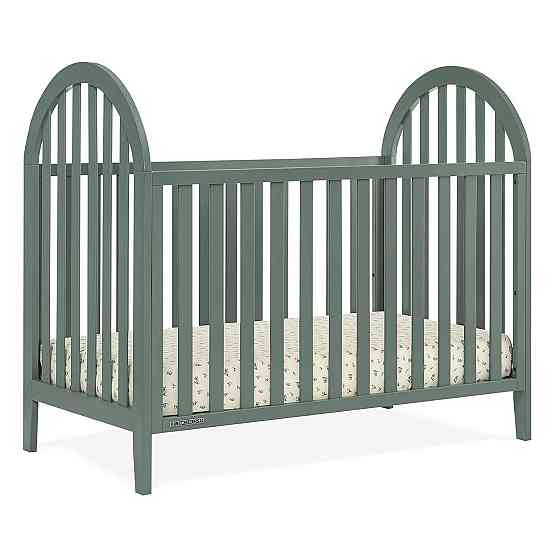
In early infancy, products should protect physiologic stability and reduce preventable hazards. The essentials are simple: a firm, flat sleep surface; appropriately sized diapers and wipes; a safe way to feed; a thermometer; and a method for safe transport. A crib, bassinet, or portable sleep space should meet current safety standards and be free of loose blankets, pillows, positioners, and soft toys. Wearable sleep sacks can help caregivers avoid loose bedding while keeping the infant comfortable.
Feeding supplies depend on whether the baby is breastfed, formula-fed, or combination-fed. Helpful items may include bottles, slow-flow nipples, burp cloths, a breast pump if needed, formula preparation supplies, and a way to clean and dry feeding equipment. Families using expressed milk or formula should follow clinician guidance for storage and preparation, especially for premature or medically fragile infants.
Health and hygiene supplies are also foundational. A digital thermometer, nail file or infant nail clippers, gentle bathing supplies, diaper cream, and a nasal suction device can be useful. However, over-the-counter medicines, herbal products, and supplements should not be used without pediatric guidance in this age group.
Developmentally, infants benefit from supervised tummy time while awake, high-contrast books or cards, soft rattles, and a safe floor mat. These support visual tracking, cervical and trunk strength, early reaching, and caregiver-infant interaction. Avoid products that restrain infants for long periods, because excessive time in seats, swings, or carriers can limit free movement and contribute to positional pressure on the head.
6 to 12 months: mobility, oral exploration, and early self-feeding
Between 6 and 12 months, many babies sit, roll, crawl, pull to stand, babble, and explore objects by mouthing them. Essential products now shift toward safe mobility, feeding progression, and environmental protection. Baby gates, outlet covers, cabinet locks, anchored furniture, and safe storage for medications and cleaning products become increasingly important as reach and curiosity expand.
Feeding products may include a stable high chair with a secure harness, easy-to-clean bibs, small open cups or straw cups, infant spoons, and suction-based bowls if helpful. As complementary feeding begins, families should pay close attention to safe food textures for infants and choking prevention. Product choices should support oral-motor learning rather than replace supervision; no cup, feeder, or utensil makes eating risk-free.
Useful toys at this age are durable, washable, and large enough not to be choking hazards. Stacking cups, textured balls, board books, simple musical toys, nesting toys, and cause-and-effect objects encourage grasping, bilateral hand use, object permanence, and early problem-solving. A low mirror and floor play space can also encourage movement and social engagement.
Walkers with wheels are generally poor choices because they increase injury risk and do not improve walking development. If a child has unusual tone, delayed motor milestones, feeding difficulty, or persistent asymmetry, caregivers should discuss products and positioning with a pediatrician or therapist rather than relying on commercial developmental devices.
12 to 24 months: independence with strong safety boundaries
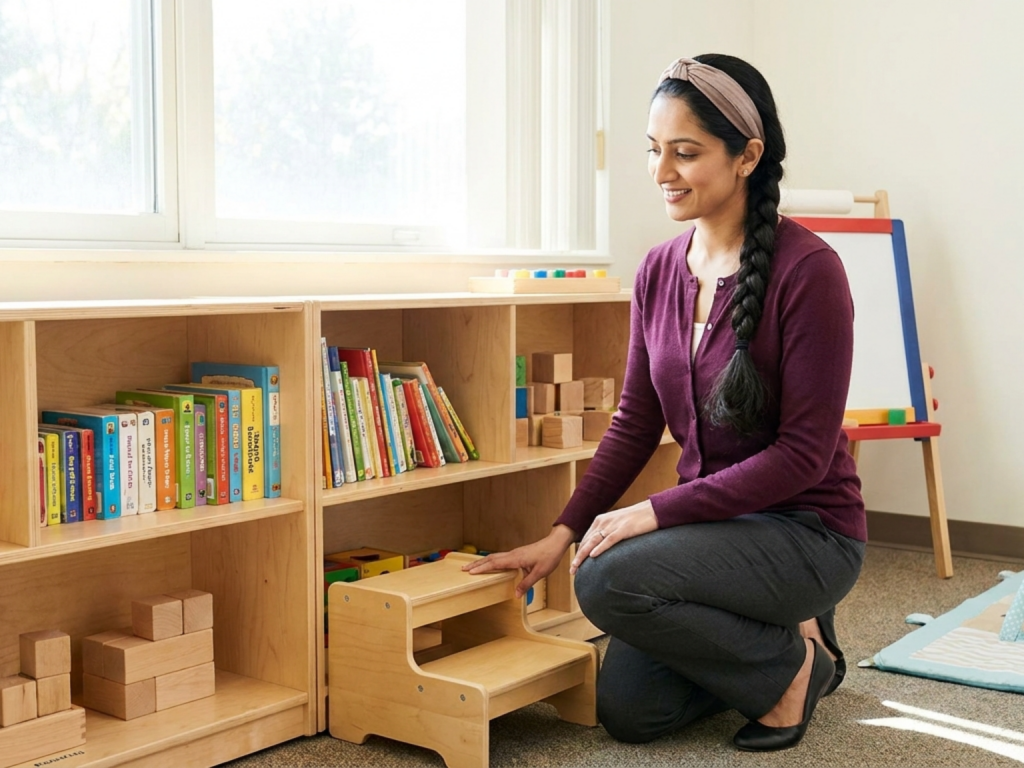
Toddlers are driven by autonomy, imitation, and movement, but their risk assessment is immature. Essential products should allow safe participation in daily routines while maintaining firm physical boundaries. A toddler step stool with non-slip feet can support handwashing, toothbrushing, and helping in the kitchen when closely supervised. A small table and chair, simple storage bins, and child-height hooks can make routines more predictable and reduce frustration.
Safety products remain central: gates for stairs, locks for hazardous cabinets, corner guards where appropriate, toilet locks if needed, and window safety devices. Furniture tip-over prevention is especially important as toddlers climb. Outdoor products should include a properly fitted helmet for riding toys, sun protection, and close supervision near streets, driveways, pools, bathtubs, and buckets of water.
For feeding, toddlers often benefit from child-sized utensils, open cups used during seated meals, straw cups for practice, and divided plates if they reduce mealtime stress. Avoid using spill-proof cups continuously throughout the day, especially with milk or sweet drinks, because frequent sipping can affect dental health and appetite regulation.
Developmental products can be wonderfully simple: push toys, large blocks, shape sorters, chunky puzzles, washable crayons, board books, play kitchens, dolls, stuffed animals, dress-up items, and puppets. These encourage fine motor coordination, symbolic play, receptive and expressive language, and social-emotional rehearsal. A climbing triangle or similar stable climbing structure may support gross motor confidence when used on a safe surface with attentive supervision, but it should match the child’s abilities and the home environment.
2 to 3 years: toilet learning, pretend play, and emotional regulation
From 2 to 3 years, many children show rapid gains in language, pretend play, running, jumping, and self-help skills. Products that support predictable routines can be more useful than products that promise acceleration. Toilet learning supplies may include a stable potty chair or toilet seat insert, a step stool for foot support, easy-off clothing, and washable mattress protection. Readiness varies widely; pressure, punishment, or shame can worsen resistance.
Emotion regulation tools can be practical. A calm-down basket with board books, sensory-safe fidgets, soft toys, picture cards, or simple breathing visuals may help a toddler co-regulate with an adult. These are not treatments for behavioral or neurodevelopmental conditions, but they can make routines more humane. If tantrums are extreme, self-injury occurs, sleep is severely disrupted, or language regression appears, families should seek professional assessment.
For play, consider open-ended art for toddlers: thick crayons, finger paints, large paper, stickers, play dough used with supervision, and an art easel. These products strengthen hand muscles, bilateral coordination, sensory exploration, and creativity. Large-piece puzzles, blocks, toy animals, vehicles, play food, dress-up clothes, and puppet theaters encourage narrative skills and flexible thinking.
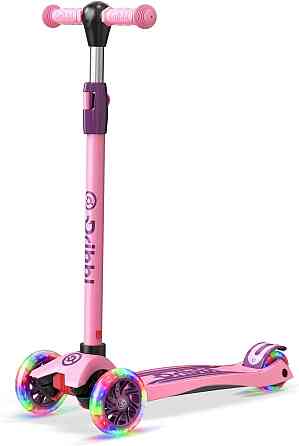
Gross motor items may include a balance bike, soft balls, stepping stones, tunnels, or a low balance board designed for young children. Fit and supervision matter. Helmets are essential for riding toys, and caregivers should follow child safety basics by age rather than assuming a confident toddler is a safe toddler.
3 to 5 years: preschool supplies, fine motor growth, and social learning
Preschool-aged children benefit from products that support participation in group settings and more complex play. A small backpack, labeled water bottle, lunch container if needed, weather-appropriate clothing, and spare clothes are practical essentials for childcare or preschool. Choose items the child can open and manage independently, because self-care skills build confidence and reduce adult rescue cycles.
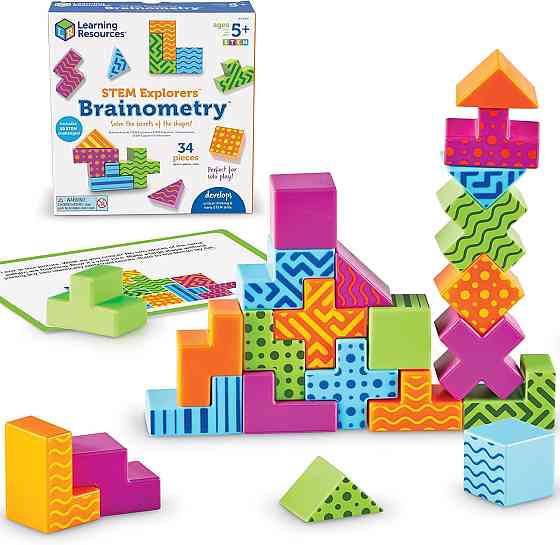
Creative and cognitive supplies become especially valuable. Child-safe scissors, glue sticks, crayons, markers, paint, paper, stickers, beads sized to avoid choking risk, lacing cards, and art easels support fine motor planning and pre-writing skills. Puzzles, pattern blocks, magnetic tiles, counting toys, memory games, and simple board games can strengthen visual-spatial reasoning, turn-taking, working memory, and frustration tolerance.
Movement products should promote varied physical activity daily. Tricycles or balance bikes, helmets, balls, jump ropes for older preschoolers, climbing structures, and playground equipment help develop strength, balance, coordination, and vestibular processing. Balance boards can be helpful for coordination when age-rated and used in a safe space.
Books are essential at this age, not optional enrichment. Picture books, rhyming books, informational books, and stories about emotions, bodies, families, and routines support vocabulary, phonological awareness, and social understanding. If a preschooler has persistent difficulty using utensils, drawing simple marks, understanding directions, interacting with peers, or tolerating sensory input, caregivers may ask about an early intervention referral for preschoolers or school-based evaluation.
6 to 8 years: school readiness, active play, and practical responsibility
Early school-age children need products that support learning, sleep, physical activity, and a gradually expanding role in self-care. A well-fitting backpack, pencil case, age-appropriate writing tools, folders, lunch gear, and a quiet homework area can reduce daily friction. The best supplies are not necessarily elaborate; they should be manageable, durable, and organized enough for the child to use.
At home, books matched to reading level and interest are key. Building sets, science kits with supervision, strategy games for beginners, puzzles, art supplies, musical instruments, and sports equipment support executive function, persistence, creativity, and motor planning. For many children, a visual schedule, analog clock, timer, or checklist helps with transitions and reduces conflict.
Safety products should evolve with independence. A properly fitted bicycle helmet, reflective gear, protective pads when appropriate, and clear rules for pedestrian and bicycle safety are essential. Children in this age range may appear competent but still have limited impulse control and inconsistent hazard perception.
Dental and hygiene supplies matter too: a soft toothbrush, fluoride toothpaste in an age-appropriate amount, flossing aids if recommended, sunscreen, and basic skin care products for sensitive skin. If snoring, daytime sleepiness, school decline, chronic pain, or exercise intolerance appears, product changes should not substitute for medical evaluation.
9 to 12 years: preteen privacy, competence, and changing bodies
Preteens need products that respect growing privacy while still supporting supervision and structure. School supplies may include planners, binders, calculators when required, headphones for school-approved use, and a reliable system for assignments. Organizational products can be clinically meaningful for children with attention or executive function challenges, but persistent impairment should prompt discussion with educators and healthcare professionals.
Body changes make hygiene supplies more important: deodorant, gentle cleansers, menstrual products before they are urgently needed, acne-friendly non-comedogenic skin care, and sports hygiene items. Caregivers can present these products neutrally, as normal body care rather than a sign that something is wrong. Children with early, delayed, painful, or distressing pubertal changes should be evaluated by a clinician.
For physical activity, choose equipment that supports variety rather than premature specialization: bicycles, helmets, sports shoes, balls, resistance bands only with proper instruction, swim gear, or dance and outdoor equipment. Healthy specialization in preteens means protecting rest, avoiding overuse injuries, and preserving enjoyment.
Technology becomes a product category in itself. If a phone, tablet, or gaming device is introduced, it should come with charging rules, privacy expectations, sleep protection, parental controls when appropriate, and a plan for online safety. Products cannot replace relational monitoring; children still need adults who ask, listen, and set limits without humiliation.
13 to 18 years: autonomy, health literacy, and transition skills
Adolescents need fewer “kid products” and more tools for independent living, identity development, and health literacy. Essentials may include a functional study setup, calendar or planning app, sports or activity equipment, personal hygiene supplies, menstrual or shaving products if relevant, sunscreen, and a safe place to store medications if they are prescribed. Medication management should be supervised according to maturity, safety risk, and clinician advice.
Sleep-supportive products can be valuable: a consistent alarm system, comfortable bedding, blackout curtains if needed, and a device-charging location outside the bed area. Adolescents are biologically prone to later circadian timing, but school schedules often conflict with sleep needs. Products that protect sleep may help mood, learning, reaction time, and metabolic health, though persistent insomnia, snoring, or severe fatigue warrants medical review.
For learning and creativity, consider laptops or tablets when required for school, noise-reduction tools if helpful, art or music supplies, lab or maker kits, and books that match the teen’s interests. For mobility, helmets, reflective gear, and clear driving or transit safety expectations remain essential.
Health products should be paired with conversation: sports braces only when recommended, first-aid supplies, water bottles, sun protection, and menstrual pain supports such as heat packs. Avoid presenting supplements, diet products, or performance enhancers as harmless. Adolescents benefit from adolescent health screening recommendations and confidential time with clinicians to discuss mood, substance use, sexual health, safety, and body image.
Use extra caution
- Avoid small parts, button batteries, magnets, and cords in reach of infants and young children because they can cause life-threatening injury.
- Do not use sleep positioners, loose bedding, or unapproved sleep devices for infants.
- Helmets, car seats, and flotation devices must fit correctly; secondhand safety equipment may be unsafe if expired, recalled, or damaged.
- Seek professional guidance before buying adaptive equipment, feeding tools, weighted products, supplements, or therapeutic devices.
- Any developmental regression, persistent feeding difficulty, abnormal breathing during sleep, or concerning injury should be evaluated by a healthcare professional.
Tools & Assistance
- Ask your pediatrician for age-specific safety and developmental guidance at well-child visits.
- Check product recalls before using secondhand cribs, car seats, high chairs, toys, and riding equipment.
- Consult an occupational therapist, physical therapist, or speech-language pathologist for individualized developmental or feeding needs.
- Use school supply lists and teacher feedback to avoid overbuying items your child will not use.
- Create a home safety checklist and update it whenever your child gains a new motor skill.
FAQ
Are expensive developmental toys better?
Usually not. Simple open-ended items such as blocks, books, art supplies, balls, puzzles, and pretend-play materials often support broader developmental skills than highly scripted toys.
When should I buy a toddler step stool?
A stable, non-slip step stool can be useful once a toddler is ready to participate in handwashing or toothbrushing, but it should be used with supervision near sinks, counters, and toilets.
Does every child need a balance bike or climbing triangle?
No. These can support balance and gross motor practice for some children, but safe outdoor play, playground time, balls, dancing, and active games can also build motor skills.
How should products change for children with developmental delays?
Product choices should be individualized. A pediatrician or therapist can help match seating, feeding tools, toys, communication supports, and mobility equipment to the child’s functional needs.
What is the most important safety product?
There is no single product. Correctly used car seats, safe sleep spaces, gates, medication locks, smoke alarms, helmets, and constant supervision around water all matter at different ages.
Sources
- Harness Magazine — Top 7 Essential Items Every Parent Needs for Kids Aged 1–6
- Day Early Learning — Essential Supplies for Your Preschool-aged Child
- Noodle and Soup — 19 Must-Have Products for Toddler Needs: The Essentials
Disclaimer
This article is for informational purposes only and does not replace medical, developmental, dental, or safety advice from qualified professionals. Consult your child’s healthcare clinician for individualized guidance.














Please log in to leave a comment.