
Intro
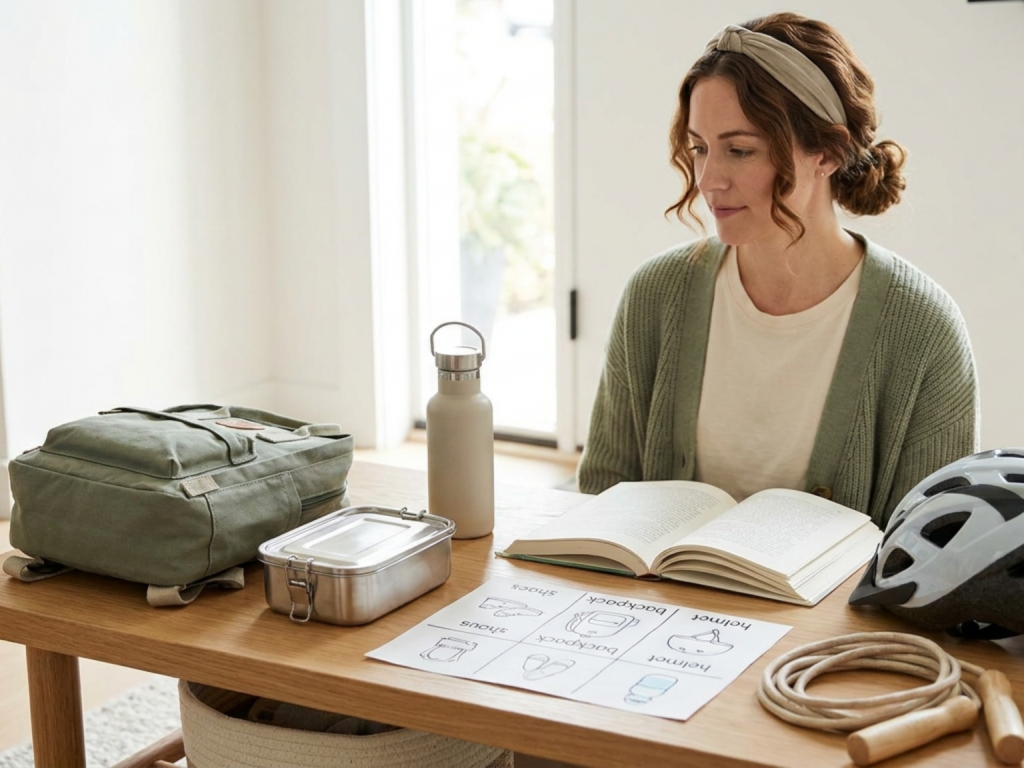
Between ages 6 and 9, children are moving through a wonderfully uneven stage of middle childhood. They may be reading more independently, comparing themselves with peers, joining clubs or sports, and developing stronger preferences about clothing, food, and learning spaces. The right products are not about buying more; they are about choosing tools that support safety, autonomy, movement, emotional regulation, and everyday participation.
Highlights
The most useful products for 6- to 9-year-olds support skills they are actively building: reading, writing, self-care, gross motor coordination, friendship, and routine-following.
Movement essentials matter medically as well as developmentally; school-age children generally need at least 1 hour of moderate to vigorous physical activity each day.
Organization tools, sleep supports, and screen boundaries often reduce family conflict because they make expectations visible and predictable.
Products should be selected for fit, safety, sensory comfort, and the child’s developmental level rather than age labels alone.
Start with development, not a shopping list
Children aged 6 to 9 are often described as school-age, but the range is wide. A 6-year-old may be learning to sustain attention for about 15 minutes, while a 9-year-old may manage closer to an hour for a meaningful task. Reading, writing, numeracy, sports skills, and peer relationships are all developing at different speeds. This is why essential products should match functional needs rather than a fixed birthday checklist.
At this age, children usually benefit from tools that make expectations concrete. Visual schedules, labeled storage, analog clocks, timers, and simple checklists can reduce repeated verbal reminders. These products support executive functions such as planning, sequencing, task initiation, and inhibitory control. They are especially helpful during transitions: getting ready for school, starting homework, packing a bag, or winding down for bed.
It is also normal for children in this age group to want more independence while still needing adult scaffolding. A good product gives the child a job they can realistically complete. For example, a backpack with separate compartments may help a child pack lunch, library books, and homework with fewer errors. A water bottle that is easy to open may improve hydration during school. A homework caddy can reduce the cognitive load of searching for pencils, erasers, and paper before starting work.
Avoid products that promise to “fix” attention, behavior, handwriting, or learning. If a child has persistent difficulty with reading, motor coordination, sleep, emotional regulation, or school participation, product choices should be discussed with a pediatrician, occupational therapist, speech-language pathologist, psychologist, or educational professional as appropriate.
School and learning essentials
School supplies for this age should support independence without overwhelming the child. Essentials usually include a well-fitting backpack, a lunch container the child can open, pencils with comfortable grip, erasers, crayons or colored pencils, child-safe scissors, glue, folders, and a simple planner or communication folder. Many children also benefit from a small set of duplicate supplies at home, reducing the stress of forgotten materials.
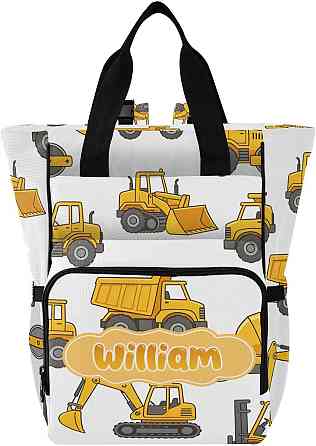
Backpack fit deserves attention. A backpack should sit close to the body, have two shoulder straps, and be light enough that the child can carry it without leaning forward or complaining of pain. Rolling backpacks may help some children, but they can be awkward on stairs or crowded buses. If a child has musculoskeletal pain, asymmetry, weakness, or fatigue, ask a healthcare professional for individualized guidance rather than relying on product marketing.
Reading materials are another essential category. Children this age often gain confidence when they have access to age-appropriate books, graphic novels, audiobooks, and nonfiction that reflects their interests. A small reading lamp, bookmark, and cozy but posture-friendly reading spot can turn reading into a predictable daily habit. For reluctant readers, choice is therapeutic in a broad developmental sense: humor, facts, comics, and shared reading still build vocabulary, fluency, and comprehension.
For homework, consider school-age organization tools that reduce friction. A dedicated homework bin, pencil sharpener, timer, uncluttered surface, and noise-reducing headphones may help some children focus. However, headphones should be used safely and not at high volume. Timers should be framed as supports, not threats. Short work intervals with movement breaks are often more effective than prolonged battles, especially for younger children.
Digital learning tools may be necessary for school, but they should be paired with clear limits. School-age children benefit from adults modeling healthy technology use, limiting sedentary time, and keeping recreational screen time within family and pediatric guidance. Devices are not developmentally neutral; they can be useful for learning but disruptive for sleep, mood, attention, and physical activity when boundaries are inconsistent.
Movement, play, and motor-skill products
Physical activity is an essential health product category, even though it often looks like play. Children aged 6 to 8 are refining basic physical skills such as jumping, throwing, catching, kicking, balancing, and running. By 9, many children are more coordinated and may enjoy team sports, dance, martial arts, cycling, swimming, climbing, or active games with rules. Most school-age children should have at least 1 hour of moderate to vigorous physical activity daily, adapted to health status and ability.
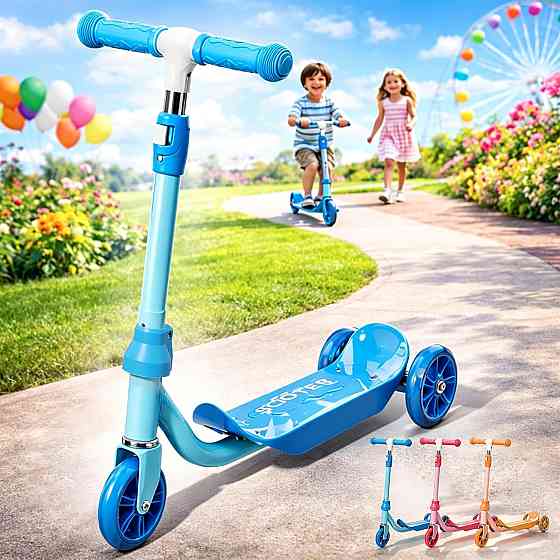
Useful gross motor play equipment can be simple: balls of different sizes, jump ropes, hula hoops, sidewalk chalk for movement games, cones, beanbags, scooters, bicycles, and age-appropriate outdoor toys. Indoor options can include a balance board used with supervision, soft balls, yoga cards, resistance bands only when appropriate, or obstacle-course materials such as cushions and tunnels. The goal is not athletic performance; it is daily movement, coordination, strength, cardiovascular fitness, and joy.
Safety gear belongs in the essential category. Helmets should be used for cycling, scooters, skating, and similar wheeled activities, and they must fit correctly. Knee, elbow, and wrist protection may be helpful for skating or scootering. Shoes should match the activity and fit the child’s feet without causing blisters, toe compression, or tripping. Replace equipment when it is damaged, outgrown, or no longer safe.
Some children avoid active play because of low confidence, sensory discomfort, asthma symptoms, pain, coordination difficulty, or prior embarrassment. In those situations, more equipment is rarely the first answer. Supportive coaching, gradual exposure, inclusive activities, and evaluation for medical or developmental concerns may be more important. If a child coughs, wheezes, faints, has chest pain, limps, or has disproportionate fatigue with exercise, seek medical advice.
Sleep, hygiene, and body-care essentials
Sleep products for this age should protect routine and physiology. A supportive mattress, comfortable pillow, breathable bedding, dimmable light, and a quiet sleep environment can help. Many families also use a visual bedtime chart, analog clock, white-noise machine, or night-light. A consistent bedtime routine is often more powerful than any single product, especially when screens are removed from the bedroom and evening stimulation is reduced.
Children aged 6 to 9 may still have bedtime fears, nightmares, or difficulty separating from caregivers. Comfort items can be appropriate when they help the child settle without reinforcing unsafe patterns. A flashlight, predictable check-in routine, or “worry notebook” may help some children externalize fears. Persistent snoring, witnessed pauses in breathing, restless sleep, morning headaches, daytime sleepiness, or behavioral deterioration should be discussed with a clinician because sleep-disordered breathing and other sleep disorders can affect learning and mood.
Hygiene essentials should promote competence and dignity. Choose a toothbrush with a comfortable handle, fluoride toothpaste as recommended by dental professionals, flossers if helpful, a step stool if needed, mild soap, shampoo appropriate for the child, nail clippers used with adult supervision, and deodorant only if body odor has begun and the child is comfortable using it. A simple bathroom checklist can support independence without shaming.
Body-care products should be gentle. Children’s skin can become dry or irritated from frequent washing, fragrances, harsh soaps, or certain detergents. Fragrance-free moisturizers and sunscreens may be useful, especially for children with eczema-prone or sensitive skin, but persistent rashes, itching, infection signs, or hair/scalp problems deserve medical assessment. Avoid using medicated creams, acne treatments, or supplements without professional guidance.
Nutrition, hydration, and lunch products
Food-related products should make balanced eating easier, not turn meals into a performance. For school, essentials may include a lunch box that maintains food safety, an insulated container, an ice pack, a leak-resistant water bottle, and containers the child can open independently. If a child cannot open the package or container within the school lunch period, the food may come home uneaten despite good intentions.
Children in this stage are building lifelong eating patterns. Products that support choice within structure can be helpful: divided containers, reusable snack bags, child-safe utensils, and a small visual list of lunch options. Balanced school lunch planning usually works best when caregivers decide what is available and the child has limited, realistic choices. This respects autonomy while preserving nutritional adequacy.
Hydration is often overlooked. A water bottle that is easy to clean, appropriately sized, and permitted by the school can improve daily fluid intake. Sugary beverages are best limited according to pediatric and dental guidance. If a child has increased thirst, frequent urination, poor growth, weight change, recurrent abdominal pain, or persistent fatigue, do not assume the issue is a bottle or lunch preference; consult a healthcare professional.
For children with allergies, celiac disease, diabetes, feeding disorders, swallowing problems, or other medical conditions, product choices become part of a care plan. Labels, storage, emergency medication access, and school communication are essential. Families should work with clinicians and school staff to create safe, practical systems rather than improvising around risk.
Social-emotional and creative essentials
Between 6 and 9 years, children become increasingly aware of rules, fairness, friendship, competence, and comparison. Products that support social and emotional development are often low-tech: board games, cooperative games, art supplies, journals, building sets, pretend-play materials, music tools, and books about feelings or problem-solving. These items create opportunities for turn-taking, frustration tolerance, flexible thinking, and language for emotions.
Children this age may prefer friends of similar gender and may become more sensitive to peer approval. Games with clear rules can help them practice winning and losing, but adults may need to model respectful behavior. Creative play and emotional regulation are closely connected; drawing, crafting, music, and construction play can give children a nonverbal way to process stress after a long school day.
Clubs, scouts, sports, arts, music, and community activities can be developmentally valuable when they fit the child’s temperament and family capacity. The essential “product” may be transportation planning, a calendar, a labeled bag, or a predictable decompression period after school. Overscheduling can backfire, especially if sleep, meals, homework, or unstructured play disappear.
For emotional safety, consider privacy and communication tools. A simple journal, calm-down corner, sensory-friendly fidget used appropriately, or feelings chart may help a child identify internal states. These should not replace adult connection. If anxiety, sadness, aggression, school refusal, social withdrawal, self-harm statements, or marked behavior changes occur, professional evaluation is important.
Safety, fit, and avoiding unnecessary purchases
Product safety is a clinical issue as well as a consumer issue. Check age ratings, choking hazards for younger siblings, battery compartments, magnets, cords, straps, and recalls. Art supplies should be non-toxic and appropriate for the child’s age. Sports equipment should match the child’s size and skill. Furniture should be stable, and storage should not invite climbing or tipping.
Fit and accessibility matter. A child with fine-motor challenges may need easy-open containers, thicker pencils, adaptive scissors, or clothing fasteners that support independence. A child with sensory sensitivities may need tagless clothing, softer fabrics, predictable noise control, or reduced visual clutter. These are not indulgences when they enable participation, reduce distress, and support self-care.
Be cautious with products marketed for attention, intelligence, immunity, posture correction, detoxification, or rapid academic improvement. Claims may be exaggerated, and some products can delay appropriate assessment. Supplements, weighted items, compression garments, posture devices, and sensory tools should be used thoughtfully, particularly when there are medical, neurologic, respiratory, skin, or orthopedic concerns.
A practical approach is to ask three questions before buying: Does this product solve a real daily problem? Can my child use it safely and independently enough? Will it reduce stress or add maintenance? Essentials are the items that help a child sleep, move, learn, eat, connect, and participate with confidence.
When to get medical or professional advice
- Seek urgent care for chest pain, fainting, severe breathing difficulty, or injury during activity.
- Discuss persistent snoring, pauses in breathing, daytime sleepiness, or major bedtime deterioration with a clinician.
- Ask for evaluation if reading, writing, motor coordination, attention, or school participation is persistently difficult.
- Do not start supplements, medicated skin products, or therapeutic devices without appropriate professional guidance.
- For allergies, diabetes, swallowing problems, or other chronic conditions, coordinate school products with the child’s care plan.
Tools & Assistance
- Create a one-page school morning and backpack checklist with your child.
- Review backpack fit, footwear, helmet fit, and lunch-container independence once each term.
- Use a family calendar to balance homework, physical activity, clubs, sleep, and downtime.
- Ask the pediatrician, dentist, teacher, or occupational therapist when a product is being used to manage a persistent concern.
FAQ
What are the most essential products for a 6- to 9-year-old?
Start with a well-fitting backpack, easy-open lunch and water containers, reading materials, basic school supplies, safe active-play equipment, hygiene items, and routine supports such as checklists or timers.
How much active play equipment does a child this age need?
Not much. A ball, jump rope, bicycle or scooter with a properly fitted helmet, and access to safe outdoor or indoor movement can be enough if the child is active daily.
Are screens essential for school-age children?
They may be needed for schoolwork, but recreational use should have clear family boundaries. Screens should not displace sleep, physical activity, reading, meals, or face-to-face connection.
When should I consider adaptive or therapeutic products?
Consider them when a child has repeated difficulty with self-care, handwriting, attention, sensory tolerance, movement, or school participation. It is best to involve a relevant professional before buying specialized equipment.
Sources
- Nationwide Children's Hospital — The Growing Child: School-Age (6 to 12 Years)
- Children's Hospital of Orange County — Growth & Development: 6 to 12 Years (School Age)
- UF Health — School-Age Children Development
Disclaimer
This article is for informational purposes only and does not diagnose, treat, or prescribe. Consult a qualified healthcare professional for concerns about your child’s growth, development, sleep, behavior, nutrition, or safety.













Please log in to leave a comment.