
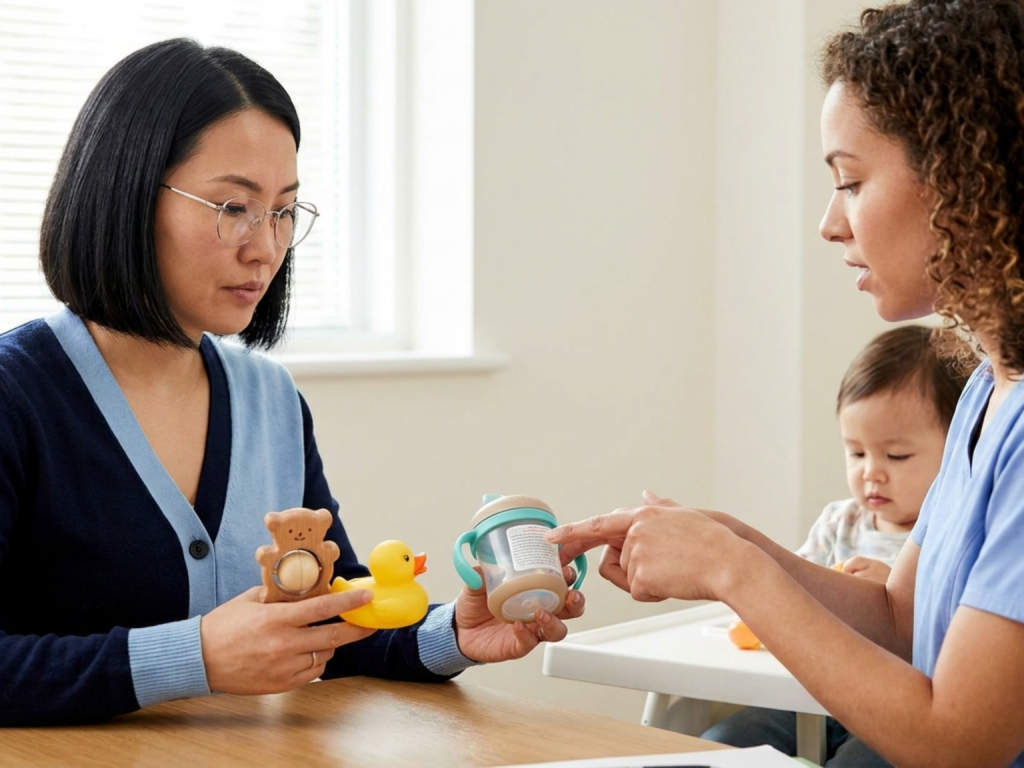
Intro
Choosing products for a child can feel emotionally loaded: every bottle, toy, art supply, sleep item, or feeding tool seems to carry a promise of comfort, learning, or safety. It is also an area where marketing can outpace evidence, and where “natural,” “educational,” or “premium” does not automatically mean safer.
A practical approach is to evaluate products through three lenses: developmental fit, injury prevention, and chemical exposure reduction. This article offers a medically cautious framework for everyday decisions while emphasizing that children with prematurity, developmental differences, allergies, chronic illness, or complex medical needs may require individualized guidance from a pediatric clinician or relevant therapist.
Highlights
The safest product is not always the newest or most feature-rich; it is the one that fits the child’s age, developmental stage, size, and supervision needs.
Small parts, button batteries, high-powered magnets, unstable furniture, and damaged toys deserve special caution because injuries can be sudden and severe.
For mouthing infants and toddlers, material choice matters: untreated wood, paper, cotton, wool, and other simpler materials may reduce avoidable chemical exposures.
Labels, recalls, safety testing, and routine inspection are part of product selection, not afterthoughts.
Start with the child, not the product
A child product should be chosen around the child’s current developmental capacity, not around a hoped-for milestone or a marketing claim. Age labels are a starting point because they reflect known hazards such as choking risk, small-part detachment, strength requirements, and expected patterns of use. Still, two children of the same chronological age may differ substantially in oral exploration, impulsivity, fine-motor control, balance, sensory seeking, and ability to follow safety rules.
For infants and young toddlers, assume that objects will be mouthed, dropped, banged, soaked, and pulled. Products should be too large to obstruct the airway, free of detachable pieces, easy to clean, and robust enough to tolerate repeated use. For preschoolers, consider climbing behavior, pretend play, and limited hazard awareness. For school-age children, evaluate tools, sports equipment, electronics, and art materials in relation to judgment, coordination, and supervision.
It can help to ask: What will my child realistically do with this item when I am distracted for 30 seconds? If the answer includes chewing, prying, climbing, swallowing, wrapping, throwing, or using it near water, the product needs a higher safety threshold. Families can also compare potential purchases with age-appropriate activities for children, because the best items usually support play the child is developmentally ready to enjoy.
Screen first for serious injury hazards
Before considering aesthetics, price, or educational value, look for hazards associated with high-consequence injuries. Button batteries are especially concerning because ingestion can cause caustic esophageal injury in a short time. Toys, remotes, thermometers, light-up objects, greeting cards, and small electronic devices should have battery compartments secured with screws and should not be accessible to the child.
Multiple small magnets, particularly high-powered magnets, are another major concern. If swallowed, magnets can attract across loops of bowel and cause pressure necrosis, perforation, fistula formation, obstruction, or peritonitis. Products containing loose or detachable magnets are inappropriate for young children and risky for any child likely to mouth objects or use items impulsively.
- Reject products with loose small parts, cracked seams, peeling coatings, sharp edges, or cords long enough to wrap around the neck.
- Check that furniture, high chairs, strollers, and activity centers are stable, appropriately restrained, and not prone to tipping.
- Avoid toys that are too loud near the ear, because excessive sound exposure can contribute to hearing injury.
- Be cautious with water-related products, including bath seats and inflatable devices, because they can create a false sense of security.
For transportation products, treat the decision separately from general shopping. Car seats and boosters must match the child’s height, weight, age, vehicle, and installation requirements. If there is uncertainty, car safety for children is an area where a certified child passenger safety technician or pediatrician can provide practical guidance.
Use labels, standards, and recall checks as a safety filter
Packaging labels are not perfect, but they provide essential information. Look for the intended age range, choking warnings, weight and height limits, material information, cleaning instructions, and any certification or safety-testing statements relevant to the product category. A product designed for a six-year-old may be unsafe for a three-year-old even if it appears simple, because testing assumptions differ by age group.
Safety standards matter most when products are used intensively or when failure could cause injury: cribs, bassinets, high chairs, strollers, gates, helmets, carriers, play yards, and sleep-related items. Avoid modified or improvised versions of these products. Secondhand items require extra scrutiny because they may be recalled, missing instructions, degraded by time, or inconsistent with current safety recommendations.
Before buying used equipment, verify the model number, manufacturing date, and all original parts. Check for recalls and discontinue use if a product has been recalled until the manufacturer’s remedy has been completed. For any item with straps, buckles, locks, hinges, wheels, or folding mechanisms, test it as an adult and then observe how the child interacts with it under supervision.
After purchase, safety is an ongoing process. Inspect toys and equipment regularly for cracks, loose screws, splinters, exposed stuffing, battery access, weakening suction cups, torn fabric, rust, or mold. Children’s products are repeatedly stressed in ways adults may not anticipate, and routine inspection is one of the simplest ways to prevent a safe product from becoming unsafe.
Think carefully about materials and chemical exposure
Children differ from adults in exposure patterns: they breathe more air per kilogram of body weight, have developing organ systems, and commonly put objects in their mouths. This does not mean every synthetic material is dangerous, but it does justify a precautionary approach, especially for infants and toddlers.
For toys that will be mouthed, simpler materials are often preferable. Untreated solid wood, paper or wood-fiber books, cotton, wool, hemp, and other minimally processed materials can reduce contact with plasticizers, additives, and coatings. Soft plastic bath toys and plastic books can be difficult to dry fully and may also raise concerns about materials and microbial growth; alternatives such as paper, fabric, or wood-fiber items may be better depending on the use.
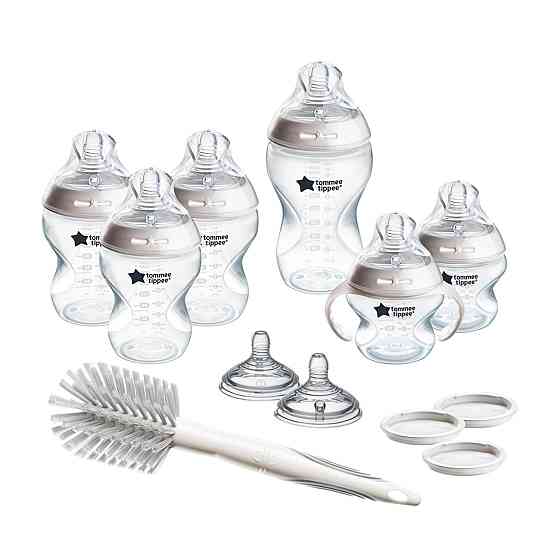
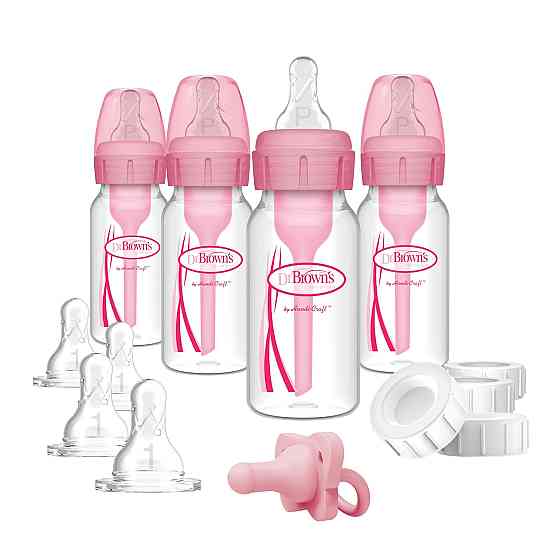
For feeding products, consider avoiding polycarbonate plastics that may contain bisphenol A if the product is old or not clearly BPA-free, and avoid heating food in plastic unless the item is specifically designed for that purpose. Non-stick coatings, including older or damaged Teflon-like surfaces, should not be used for child feeding tools when scratched, overheated, or flaking. Vinyl products may contain PVC and plasticizers; families trying to reduce chemical exposures often choose glass, stainless steel, silicone from reputable manufacturers, bamboo utensils, or ceramic items when age-appropriate and breakage risk is controlled.
“Natural” should still be evaluated critically. Wood can splinter, herbal ingredients can irritate skin, essential oils can trigger respiratory or dermatologic symptoms, and poorly finished products may contain unsafe paints or sealants. For children with eczema, asthma, food allergy, contact dermatitis, or immune compromise, discuss product ingredients and cleaning methods with a healthcare professional.
Choose toys that support development without overstimulation
Good toys do not need to be complicated. Open-ended toys often provide richer developmental opportunities than highly programmed electronic gadgets because they invite problem-solving, symbolic play, language, motor planning, turn-taking, and emotional regulation. Blocks, pretend-play objects, simple musical instruments, dolls, vehicles, puzzles, art materials, balls, and outdoor tools can be adapted across many developmental stages.
Electronic toys are not automatically harmful, but they can dominate the play script: the toy talks, flashes, rewards, and directs while the child responds passively. When choosing electronic products, ask whether the child is creating, experimenting, moving, communicating, or merely pressing buttons. Also consider volume control, battery security, privacy features, durability, and whether replacement parts create new hazards.
For infants, prioritize safe sensory exploration: contrasting patterns, varied textures, graspable shapes, soft washable items, and supervised floor play. For toddlers, prioritize cause-and-effect toys, stacking, sorting, pretend play, and open-ended art for toddlers using non-toxic, age-appropriate materials. For preschool and school-age children, add construction sets, cooperative games, sports equipment, books, and creative tools that match fine-motor skills and attention span.
If a child has developmental delay, sensory processing differences, autism spectrum disorder, cerebral palsy, vision or hearing impairment, or oral-motor concerns, product choice may need adaptation. Occupational therapists, physical therapists, speech-language pathologists, and developmental pediatric clinicians can help families select items that support participation without increasing frustration or injury risk.
Evaluate art supplies, cosmetics, and personal care products
Art and personal care products deserve their own review because they may contact skin, eyes, lips, or mucous membranes. For young children, choose art materials specifically labeled for their age group and certified or tested as non-toxic by recognized programs when available. Plant-based paints, beeswax crayons, and simple washable supplies may be useful options, but supervision remains necessary because “non-toxic” does not mean “safe to eat” or safe for inhalation.
Avoid adult craft supplies for young children unless a knowledgeable adult has verified the ingredients and use conditions. Solvents, resin kits, aerosol sprays, permanent markers, glues, glitter, powdered pigments, and small beads can create inhalation, ingestion, eye, or choking risks. Slime kits may contain boron compounds or other irritants if mixed incorrectly; they are better reserved for older children who can follow directions and wash hands afterward.
For skin products, fewer ingredients are often easier to monitor. Fragrance, certain preservatives, botanical extracts, and essential oils can cause irritant or allergic contact dermatitis in susceptible children. Sunscreen, insect repellent, diaper creams, and medicated products should be chosen according to age, skin condition, exposure context, and clinician advice when relevant. Do not use adult medicated creams, numbing products, or acne treatments on a child unless a healthcare professional has recommended them.
Balance sustainability, budget, and real-life use
Many families want products that are safer for children and less harmful to the environment, but cost and access matter. A realistic plan may combine buying fewer items, choosing durable products, borrowing from trusted sources, and prioritizing higher safety spending where risk is greatest. Cribs, car seats, helmets, sleep products, and feeding equipment generally deserve more scrutiny than decorative items.
Secondhand clothing, books, wooden toys, and simple equipment can be excellent choices when they are clean, intact, not recalled, and appropriate for the child’s age. Be more cautious with secondhand car seats, cribs, mattresses, breast pumps, helmets, and products with hidden wear or safety-critical components. If the history is unknown, the safer decision may be to decline.
It is also reasonable to resist pressure to buy every specialized item. Children benefit from safe interaction, responsive caregiving, sleep, nutrition, movement, outdoor time, reading, and play more than from a large number of products. When a decision feels medically complex, shared decision-making in pediatrics can help families weigh safety, child preferences, practical constraints, and clinician recommendations.
Create a simple decision routine before purchase
A repeatable routine reduces anxiety and helps caregivers make consistent choices. First, define the purpose: feeding, sleep, transport, hygiene, learning, comfort, therapy support, or play. Second, match the product to the child’s age, size, developmental abilities, and likely behavior. Third, screen for major hazards: choking, strangulation, suffocation, falls, burns, drowning, battery ingestion, magnet ingestion, chemical exposure, and entrapment.
Fourth, review materials and cleaning. Can the item be washed and dried thoroughly? Will it be heated, chewed, soaked, or shared? Are there coatings, fragrances, small accessories, or electronic parts that complicate safety? Fifth, check labels, standards, recalls, and manufacturer instructions. Sixth, plan supervision and storage: where will batteries, magnets, art supplies, medications, and small parts be kept?
Finally, observe the first few uses. A product that seems safe in the package may not fit your child’s temperament or motor pattern. If the child uses it in an unsafe way repeatedly, put it away and reconsider. Thoughtful product choice is not about perfection; it is about reducing preventable risk while allowing children to explore, learn, and enjoy their world.
Use extra caution with these products
- Seek urgent medical advice if a child may have swallowed a button battery, magnet, sharp object, or unknown chemical.
- Do not use recalled products until the official repair, replacement, or refund remedy has been completed.
- Avoid sleep products that conflict with safe sleep guidance, including inclined sleepers or soft items in an infant sleep space.
- Keep adult cosmetics, medications, essential oils, cleaning products, and craft chemicals out of children’s reach.
- Consult a pediatric clinician before using medicated skin products, supplements, or therapeutic devices for a child.
Tools & Assistance
- Check product labels for age range, warnings, weight limits, and cleaning instructions before purchase.
- Search recall databases using the product name, model number, and manufacturing date.
- Ask a pediatrician, occupational therapist, or speech-language pathologist when developmental or feeding needs affect product choice.
- Inspect toys and equipment monthly for cracks, loose parts, exposed batteries, mold, or instability.
- Use a certified child passenger safety technician for car seat or booster seat questions.
FAQ
Are wooden toys always safer than plastic toys?
Not always. Untreated, well-finished wood can reduce some chemical exposure concerns, especially for mouthing toddlers, but wood must be smooth, splinter-free, non-toxic, and age-appropriate.
Does “non-toxic” mean my child can taste or chew the product?
No. “Non-toxic” generally means it is not expected to cause poisoning with typical use, but ingestion, inhalation, choking, irritation, or allergic reactions may still occur.
Is it safe to buy secondhand child products?
Often, but not always. Check recalls, model numbers, missing parts, structural wear, cleanliness, and current safety standards. Be especially cautious with car seats, cribs, helmets, and sleep products.
How often should I inspect toys?
Inspect frequently used toys at least monthly and immediately after rough play, water exposure, battery changes, or visible damage.
When should I ask a professional for help choosing products?
Ask when a child has medical complexity, prematurity, developmental delay, feeding or swallowing concerns, allergies, eczema, asthma, mobility limitations, or sensory needs.
Sources
- Seattle Children's Hospital — Choosing Safe Toys for Kids: Here's What Pediatricians Recommend
- Law Offices of Jeffrey M. Lanier — The Ultimate Child Product Safety Checklist
- EarthEasy — How to Choose the Best Natural Baby Products
Disclaimer
This article is for general educational purposes and does not replace medical advice. Consult a pediatric healthcare professional for guidance specific to your child’s health, development, and safety needs.














Please log in to leave a comment.