
Intro
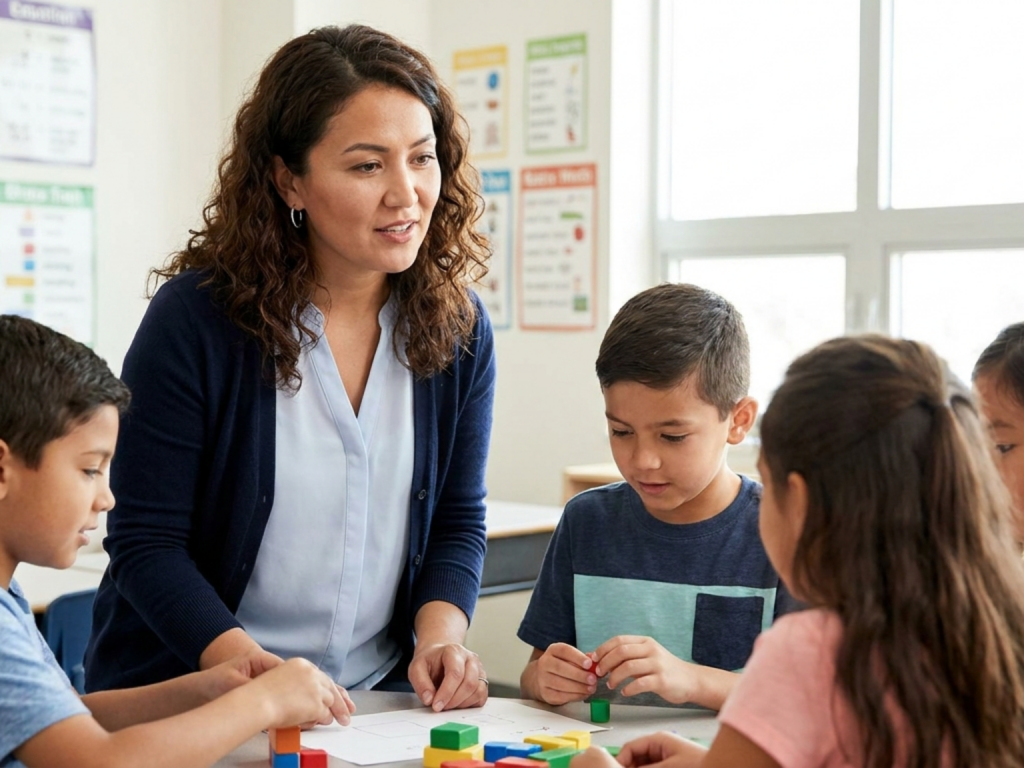
School-age social development describes how children, typically from about 6 to 12 years, learn to belong, cooperate, manage conflict, understand themselves, and participate in widening communities. It is shaped by neurodevelopment, temperament, family relationships, school climate, culture, peer experiences, sleep, health, and opportunities to practice social problem-solving.
For parents and caregivers, this stage can feel both rewarding and tender. Children may seem more independent while still needing steady adult co-regulation, reassurance, and help interpreting complex social situations. This article offers a medically informed overview without attempting to diagnose individual children.
Highlights
School-age children usually move from parent-centered social worlds toward broader peer, classroom, and community relationships.
Social and emotional learning programs have evidence for improving social skills, well-being, school functioning, and academic outcomes.
Peer acceptance becomes more salient, but supportive adults remain central to resilience, emotional regulation, and healthy identity formation.
Persistent social withdrawal, severe anxiety, bullying involvement, aggression, or regression deserves sensitive assessment by qualified professionals.
What social development means in school age
Social development in the school-age years is the gradual maturation of skills that allow a child to participate in relationships, groups, and shared routines. It includes emotional regulation, perspective-taking, empathy, cooperation, friendship skills, moral reasoning, communication, conflict negotiation, and a growing sense of personal identity. These abilities are not separate from cognition or physical health. Executive functions, language development, sleep quality, sensory processing, chronic illness, nutrition, puberty timing, and stress physiology can all influence how a child behaves socially.
Although school-age social skills become visible in classrooms and peer groups, their foundations begin much earlier. Secure caregiving, predictable routines, responsive communication, and even the family’s early experiences around birth and infancy can shape how adults respond to a child’s needs. A supportive birth environment is not a guarantee of later social outcomes, but it can be part of a broader pattern of relational safety that helps families begin caregiving with confidence.
By school age, children are increasingly expected to wait their turn, read social cues, follow group rules, tolerate frustration, and repair misunderstandings. These expectations can be developmentally appropriate, but they should still be scaffolded. A child who struggles socially may not be choosing to be difficult; they may be overwhelmed, anxious, under-skilled, tired, neurodivergent, or responding to stressors adults have not yet recognized.
Typical milestones from early elementary to preadolescence
In early elementary years, many children still rely heavily on adult structure. They may form friendships based on proximity, shared play, or common interests. They begin to understand rules more consistently, but fairness can be interpreted rigidly. Disagreements over turns, teams, games, and perceived exclusion are common. Adult coaching helps children label feelings, use words instead of impulsive actions, and understand that two people can experience the same event differently.
In middle childhood, children usually become more capable of cooperative projects, reciprocal friendships, and group membership. They may compare themselves with peers in academics, sports, appearance, humor, possessions, or social status. This comparison can support motivation, but it can also feed shame or anxiety when children feel chronically unsuccessful. Peer acceptance becomes more important, and children may become increasingly sensitive to teasing, rejection, or being different.
As puberty approaches, body awareness and privacy needs often increase. Some children begin to worry about body image, attractiveness, gender expectations, or social performance. They may seek more independence from parents while still needing emotional availability at home. It is normal for school-age children to test boundaries, prefer friends at times, and develop strong opinions. The goal is not constant compliance or popularity; it is progressive competence in connection, self-advocacy, empathy, and repair after mistakes.
Peer relationships, belonging, and identity
Friendships are one of the main developmental laboratories of school age. Through peers, children practice negotiation, loyalty, humor, trust, disappointment, forgiveness, and group problem-solving. Healthy friendships do not need to be numerous. One stable, mutually respectful friendship can be protective, especially for a child who is shy, neurodivergent, medically complex, newly arrived in a community, or recovering from a stressful experience.
Belonging is not the same as fitting in at any cost. A child may need help distinguishing flexible social adaptation from suppressing important parts of themselves. Adults can support identity development by noticing strengths beyond achievement: kindness, persistence, curiosity, creativity, leadership, careful observation, or the ability to include others. This matters because self-concept becomes more organized during these years. Children begin to internalize stories about who they are, such as “I am helpful,” “I am bad at making friends,” or “I am always in trouble.”
Bullying, exclusion, and chronic humiliation can disrupt social development and contribute to somatic symptoms, school avoidance, anxiety, depressed mood, irritability, sleep disturbance, and loss of confidence. Adults should take reports of bullying seriously without escalating prematurely in ways that remove the child’s sense of control. A calm response includes listening, documenting patterns, involving school staff, supporting safety, and helping the child identify trusted adults and practical scripts.
Emotional regulation and social-emotional learning
Social development depends on emotional regulation, but regulation is learned through repeated co-regulation before it becomes independent. A child who is flooded by anger, shame, fear, or sensory overload has reduced access to flexible thinking. In those moments, lectures are often less useful than safety, lowered stimulation, brief language, and reconnection. Later, when the child is calm, adults can help them reflect on triggers, body cues, choices, and repair.
Social and emotional learning, often called SEL, is a structured approach to teaching skills such as self-awareness, self-management, social awareness, relationship skills, and responsible decision-making. Evidence summarized by education and medical researchers indicates that well-designed SEL programs can improve social-emotional skills, prosocial behavior, school functioning, and academic performance. Research also links SEL participation with reductions in anxiety, stress, depressive symptoms, disruptive behavior, and emotional distress, with some benefits persisting beyond the end of the program.
Effective SEL is not a one-time lesson or a demand that children hide distress. It works best when the whole environment is consistent: adults model respectful communication, classroom routines are predictable, conflicts are handled restoratively when safe, and children have chances to practice skills in real situations. Families can reinforce the same competencies at home by naming emotions, validating effort, setting limits calmly, and inviting problem-solving: “What happened, what did you feel in your body, who was affected, and what could help repair it?”
How families can support social growth
Caregivers do not need to engineer a perfect social life. The most useful support is often steady, ordinary, and responsive. Children benefit when adults show interest without interrogating, respect privacy while staying observant, and treat social mistakes as teachable events rather than character flaws. Family meals, shared chores, bedtime conversations, reading together, community activities, and unstructured play all provide opportunities to practice turn-taking, listening, humor, compromise, and empathy.
- Use emotion coaching: Name the feeling, connect it to a situation, and help the child choose a next step.
- Practice scripts: Rehearse phrases for joining play, refusing pressure, apologizing, or asking an adult for help.
- Protect recovery time: Some children need quiet after school before discussing social challenges.
- Model repair: Adults can say, “I was frustrated and spoke too sharply. I am sorry. I will try again.”
- Support autonomy: Let children make age-appropriate choices about friends, activities, clothing, and hobbies when safety allows.
Screen use also deserves thoughtful boundaries. Digital communication can maintain friendships and offer belonging, but it can also intensify comparison, exclusion, sleep disruption, and exposure to harmful content. Rather than relying only on restriction, caregivers can discuss online tone, privacy, group chats, image sharing, and how to seek help if something feels unsafe.
The role of school climate and trusted adults
Schools are powerful social ecosystems. A child’s development is influenced not only by individual temperament but also by classroom management, teacher-student relationships, disciplinary practices, recess culture, extracurricular access, and whether the child feels seen and safe. A structured, predictable environment can reduce cognitive load and help children use developing social skills. Warm relationships with teachers, coaches, counselors, and other staff can buffer stress and provide corrective experiences when peer relationships are difficult.
Caregivers can collaborate with schools by sharing relevant context: recent family stress, medical conditions, sleep problems, sensory sensitivities, language needs, grief, or changes in behavior. This does not require over-disclosing private details. The aim is to help adults interpret behavior accurately and respond consistently. If a child has a disability or significant functional impairment, families may ask the school about evaluation processes, accommodations, or support plans according to local regulations.
Discipline should teach skills and maintain safety, not shame the child. Repeated suspensions, public humiliation, or punitive responses without skill-building may worsen avoidance and dysregulation for some children. When concerns are persistent, a team approach involving caregivers, teachers, school counselors, pediatric clinicians, and when appropriate mental health professionals can clarify what support is needed.
When to seek professional guidance
Variation is normal. Some children are quiet observers, prefer one close friend, or need extra time to warm up. Others are socially enthusiastic but impulsive. Concern increases when social patterns cause significant distress, interfere with learning, impair family life, or represent a marked change from the child’s baseline. Medical and developmental contributors should be considered, including hearing or vision problems, sleep disorders, medication effects, seizures, neurodevelopmental differences, anxiety, trauma exposure, depression, chronic pain, endocrine changes, or substance exposure in older children.
Consider consulting a pediatrician, family physician, child psychologist, school counselor, developmental-behavioral specialist, speech-language pathologist, or occupational therapist if a child has persistent school refusal, severe separation anxiety, frequent aggression, loss of previously acquired skills, intense social fear, inability to maintain any peer relationship, repeated bullying involvement, self-harm statements, or symptoms that seem disproportionate to the situation. Emergency services or crisis support are appropriate if there is imminent risk of harm to the child or others.
Assessment is not about labeling a child as defective. A careful evaluation can identify strengths, stressors, skill gaps, and environmental mismatches. The most helpful plans are individualized, culturally respectful, and coordinated across home and school. With compassionate support, many children make meaningful gains in confidence, friendship skills, emotional regulation, and belonging.
Seek timely help if
- A child talks about self-harm, wanting to disappear, or harming others.
- Bullying, threats, coercion, or online exploitation may be occurring.
- Social withdrawal, aggression, or school refusal is persistent or worsening.
- There is regression in language, toileting, sleep, learning, or daily functioning.
- Anxiety, low mood, or irritability is impairing eating, sleep, learning, or relationships.
Tools & Assistance
- Schedule a non-urgent visit with the child’s pediatrician or family physician to discuss persistent concerns.
- Ask the school counselor or teacher for specific observations across classroom, recess, and group activities.
- Create a simple home-school communication plan focused on patterns, triggers, and successful supports.
- Use role-play and emotion labeling at calm times rather than during escalation.
- Seek urgent crisis support if there is immediate risk of harm.
FAQ
Is it normal for a school-age child to prefer one friend?
Yes. Many children thrive with one or two close friendships. Concern is higher if the child is distressed, isolated against their wishes, bullied, or unable to participate in expected settings.
Should parents intervene in every friendship conflict?
Not usually. Mild conflict can build skills, but adults should step in when there is bullying, coercion, safety risk, major distress, or a repeated power imbalance.
Can social-emotional learning improve academic outcomes?
Evidence suggests that well-designed SEL programs can improve social-emotional skills, school functioning, well-being, and academic performance.
When is shyness a medical or mental health concern?
Shyness itself is not a disorder. Professional guidance is helpful when fear or avoidance causes significant distress, school refusal, impaired learning, or inability to build desired relationships.
Sources
- Learning Policy Institute — Evidence for Social and Emotional Learning in Schools
- Yale School of Medicine — Research Finds Social and Emotional Learning Produces Significant Improvements
- Virtual Lab School — Social-Emotional Development: School-Age Children
Disclaimer
This article is for educational purposes only and does not diagnose or treat any child. Consult a qualified healthcare or mental health professional for concerns about development, behavior, safety, or emotional well-being.
















Please log in to leave a comment.