
Intro
At week 15 of pregnancy, many people feel they have stepped more fully into the second trimester. Nausea may be easing, energy may be returning, and your body is steadily adapting to support a fetus that is growing, moving, and beginning to look more proportionate. This is also a meaningful stage for bone and muscle development: your baby’s skeleton is continuing to mineralize, while your own musculoskeletal system is adjusting to changing posture, blood volume, hormones, and nutritional demands.
Movement can be a helpful ally at this point, not as a performance goal but as a supportive health practice. For most uncomplicated pregnancies, appropriately chosen physical activity is considered safe and beneficial. Still, every pregnancy is individual. If you have pain, bleeding, dizziness, a high-risk condition, or uncertainty about exercise, it is best to discuss your plan with your midwife, obstetrician, physiotherapist, or other qualified healthcare professional.
Highlights
At 15 weeks, fetal bones are continuing to develop and strengthen, while muscles and nerves support increasingly coordinated movement.
Vitamin D, calcium intake, and safe weight-bearing activity all play roles in maintaining maternal bone and muscle health during pregnancy.
Most people with uncomplicated pregnancies can continue or start moderate exercise, but symptoms and medical history should guide activity choices.
You may not yet feel fetal movement clearly, especially in a first pregnancy, even though the baby is active inside the uterus.
New or severe symptoms during exercise, such as chest pain, vaginal bleeding, or dizziness, should prompt stopping activity and seeking medical advice.
Your baby at 15 weeks: active growth beneath the surface
By week 15, the is still small, but is remarkably dynamic. The body is lengthening, the limbs are becoming more proportionate, and the musculoskeletal system is becoming more functional. Bones that began as softer cartilage-like structures continue to undergo ossification, the process in which bone tissue gradually forms and mineralizes. This does not mean the skeleton is fully hardened; fetal bones remain flexible, which is important for growth and later birth. However, the structural framework is becoming stronger week by week.
Muscles are also developing, and the nervous system is increasingly able to coordinate spontaneous. The fetus may bend arms and legs, move the head, make small hand motions, and shift position in the amniotic fluid. Many pregnant people do not feel these yet, particularly during a first pregnancy or if the is positioned anteriorly. Feeling commonly becomes more noticeable later, often around 16 to 24 weeks, though individual timing varies.
At this stage, fetal growth relies on a continuous supply of oxygen, energy, amino acids, minerals, and micronutrients through the placenta. Bone is especially dependent on mineral metabolism, including calcium and phosphorus, as well as vitamin D pathways that help regulate calcium balance. The fetus receives what it needs through maternal physiology, which is why supporting your own nutritional and musculoskeletal health is part of supporting fetal.
Bone strengthening in pregnancy: what it really means
“Bone strengthening” in pregnancy is not about intense training or pushing through discomfort. It is about maintaining healthy bone and muscle function while the body adapts to pregnancy. Your skeleton is metabolically active: bone is constantly being remodeled, with minerals deposited and released according to hormonal signals, nutrition, mechanical loading, and fetal needs.
Pregnancy changes calcium metabolism. Intestinal calcium absorption increases, partly influenced by vitamin D physiology, to help meet fetal skeletal requirements. For most people with adequate intake, the body manages this adaptation well. However, low vitamin D, inadequate dietary calcium, limited weight-bearing activity, certain medical conditions, or restrictive diets may affect musculoskeletal wellbeing. The NHS notes that vitamin D helps keep bones and muscles healthy, which is especially relevant during pregnancy when both maternal and fetal needs are changing.
Mechanical loading also matters. Weight-bearing movement, such as walking, stair climbing, modified strength exercise, or prenatal fitness routines, stimulates muscles and bones. A peer-reviewed study of actively exercising pregnant women found that pregnancy-related bone mineral density loss appeared attenuated among women who exercised, suggesting that appropriate activity may support bone metabolism. This should be interpreted carefully: one study does not create a universal prescription, and exercise plans should fit the person’s health status, prior fitness, symptoms, and clinician guidance.
Movement at week 15: safe, moderate, and responsive
For many , week 15 is a good time to reassess . If first- fatigue or nausea reduced your activity, you may feel ready to rebuild gently. If you were already active, you may be able to continue many familiar activities with sensible modifications. The American College of Obstetricians and Gynecologists states that regular exercise during pregnancy is generally safe for most pregnant and can support cardiovascular fitness, healthy weight gain, mood, posture, and overall wellbeing.
A common evidence-based target for uncomplicated pregnancies is moderate-intensity aerobic activity most days, often described as a total of about 150 minutes per week. Moderate intensity means your breathing and heart rate increase, but you can still talk. This “talk test” can be more practical than focusing on heart-rate numbers, because pregnancy changes cardiovascular physiology.
Options that many pregnant tolerate well include:
- Brisk walking on even ground
- Swimming or water aerobics, which reduce joint loading
- Stationary cycling, especially if balance is changing
- Prenatal yoga or Pilates with qualified instruction and modifications
- Light to moderate resistance training with controlled breathing and good form
- Pelvic floor and deep core coordination exercises guided by a professional when needed
The best movement is the kind that is safe, sustainable, and responsive to your body. Pregnancy is not the time to ignore warning signs, chase personal records, or begin high-risk sports. It is also not a time to feel guilty if movement is limited by symptoms, medical advice, disability, pain, work demands, or exhaustion.
Strength training, posture, and the changing center of gravity
At 15 , your uterus is growing upward out of the pelvis, and your abdomen may be becoming more visibly rounded. Even before the bump is large, hormonal and biomechanical changes can affect posture. Relaxin and other pregnancy-related hormonal shifts influence ligaments and connective tissues, while breast enlargement, abdominal growth, and fluid changes can alter spinal alignment and balance.
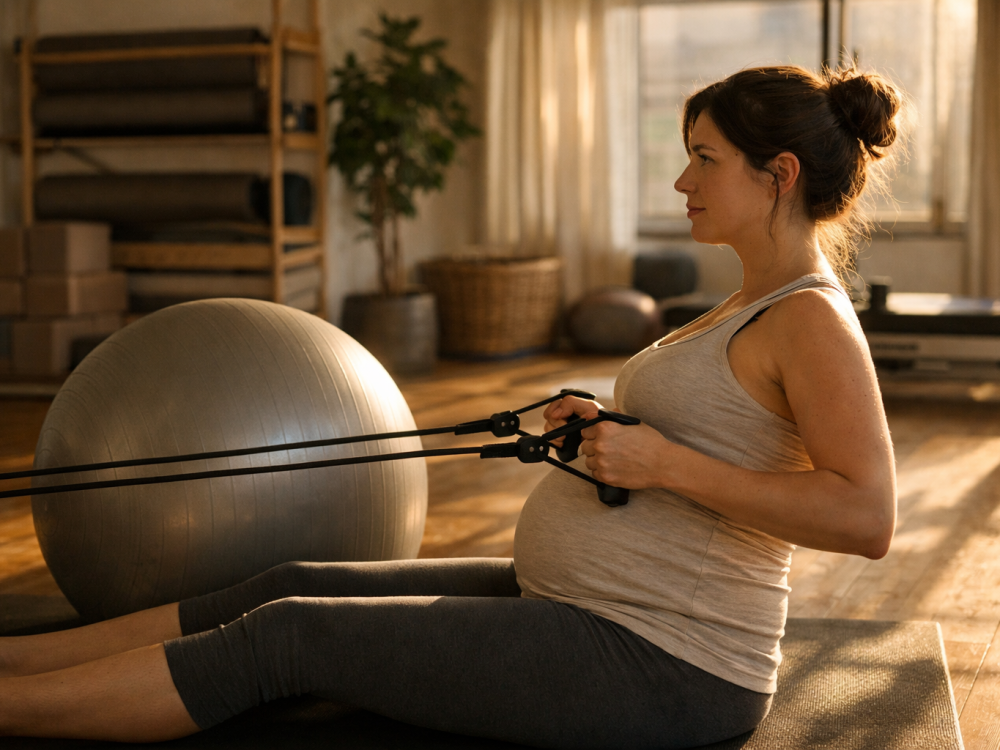
Gentle strengthening can help maintain function. Exercises that target the gluteal muscles, upper back, hips, and legs may support posture and reduce strain during daily activities. Examples may include bodyweight squats to a chair, side-lying leg lifts, resistance-band rows, wall push-ups, or modified lunges, depending on your baseline fitness and comfort. Technique matters more than intensity. Avoid breath-holding or straining, sometimes called the Valsalva maneuver, because it can increase intra-abdominal pressure and may worsen pelvic floor symptoms or lightheadedness.
Core work often needs modification. Instead of aggressive abdominal exercises, many pregnant benefit from learning to coordinate the diaphragm, pelvic floor, and deep abdominal muscles. If you notice coning or doming along the midline of the abdomen, pelvic heaviness, urinary leakage, or persistent pelvic girdle pain, a pelvic health physiotherapist can offer individualized assessment and exercise guidance.
Balance can also change earlier than expected. Choose stable surfaces, supportive footwear, and controlled . Activities with a high risk of falling, abdominal trauma, or collision should generally be avoided unless your healthcare professional advises otherwise in a very specific context.
Nutrition for fetal bones and maternal resilience
Movement and nutrition work together. Fetal bone mineralization depends on maternal nutrient supply, and your own bones and muscles need adequate intake to function well. Calcium, vitamin D, protein, phosphorus, magnesium, and overall energy intake all contribute to musculoskeletal health. In practical terms, this means eating a varied diet that includes calcium-rich foods, sufficient protein, and micronutrient sources, while following any supplement advice from your maternity team.
Vitamin D deserves special attention because it supports calcium regulation and helps maintain healthy bones and muscles. Some people are at higher risk of low vitamin D, including those with limited sun exposure, darker skin, certain malabsorption conditions, higher body mass index, or diets low in fortified foods. Supplement recommendations vary by country and individual clinical context, so it is sensible to follow local antenatal guidance or ask your clinician what is appropriate for you.
Calcium can come from dairy products, calcium-fortified plant milks, tofu set with calcium, leafy greens, canned fish with edible bones, and other foods depending on your diet. If you follow a vegan diet, have lactose intolerance, have a history of eating disorder, or have gastrointestinal disease, discussing nutrition with a healthcare professional or registered dietitian can be particularly useful. They can help ensure that supplementation, if needed, is safe and coordinated with your prenatal vitamin and any medications.
Hydration is also important for exercise tolerance. Pregnancy increases blood volume and alters thermoregulation, so overheating and dehydration can happen more easily. Drink according to thirst, increase fluids in hot weather or during activity, and pause if you feel faint, unusually breathless, or unwell.
What you may feel in your body this week
Week 15 can bring a mix of relief and new sensations. Some people feel more energetic and emotionally steadier; others still experience nausea, fatigue, headaches, constipation, nasal congestion, or breast tenderness. Round ligament discomfort may appear as brief pulling or sharp sensations low in the abdomen or groin, often triggered by sudden . Although this can be benign, persistent, severe, one-sided, or worsening pain be discussed with a healthcare professional.
Your musculoskeletal system may begin to signal where it needs support. You might notice lower back tightness, hip discomfort, calf cramps, or increased awareness of posture. Gentle stretching, regular position , supportive shoes, and moderate activity may help, but pain should not be ignored. Pain limits walking, is associated with neurological symptoms, or is accompanied by fever, , urinary symptoms, or contractions needs attention.
Emotionally, this stage can be complex. The second is often described as easier, but that is not universal. Anxiety health, body , previous pregnancy loss, work, finances, or appointments can coexist with excitement. Movement can support mental wellbeing for some people, but it is not a substitute for mental health care. If you feel persistently low, panicky, unable to sleep, or unsafe, reach out to maternity team or a mental health professional promptly.
Building a realistic week-15 movement routine
A supportive routine does not need to be complicated. It should match your current capacity, pregnancy history, and medical advice. If you were inactive before pregnancy, consider starting with short sessions, such as 10 minutes of walking, and gradually building as tolerated. If you were already active, you may continue many activities while reducing intensity, avoiding overheating, and adapting for comfort and balance.
A balanced weekly pattern may include aerobic movement, light strengthening, mobility, rest, and pelvic floor awareness. For example, you might walk on several days, do two short strength sessions, and include gentle stretching or prenatal yoga. However, the “right” plan is individualized. People with -related concerns, cervical insufficiency, significant anemia, heart or lung disease, hypertensive disorders, multiple pregnancy with complications, or other risk factors may need specific restrictions or supervision.
Use these principles rather than rigid rules:
- Warm up gradually and cool down slowly.
- Choose moderate intensity, especially if starting or returning after a break.
- Avoid exercises that cause pain, dizziness, pelvic pressure, or breathlessness beyond normal exertion.
- Prioritize form, controlled breathing, and stable footing.
- Modify s if lying flat on your back becomes uncomfortable or causes lightheadedness.
- Stop and seek guidance if symptoms feel unusual or concerning.
The goal is not to prove resilience. It is to support circulation, strength, mobility, mood, and confidence while respecting the profound work your body is already doing.
Stop exercising and seek medical advice if you notice
- Vaginal bleeding, fluid leakage, or regular painful contractions
- Chest pain, fainting, severe dizziness, or shortness of breath before exertion
- Severe headache, visual changes, or sudden swelling of the face or hands
- Calf pain or swelling, especially on one side
- Severe abdominal, pelvic, or back pain that does not settle
- A significant reduction in wellbeing or any symptom that feels alarming to you
Tools & Assistance
- Ask your midwife or obstetrician whether your current exercise routine is appropriate for your pregnancy.
- Consider a prenatal physiotherapy or pelvic health assessment if you have pain, leakage, pelvic pressure, or uncertainty about core exercises.
- Use the talk test during activity: you should be able to speak in sentences at moderate intensity.
- Keep a simple log of movement, symptoms, hydration, and energy to identify patterns.
- Review local antenatal nutrition guidance, especially for vitamin D and calcium intake.
FAQ
Can I feel the baby move at 15 weeks?
Some people may notice early fluttering, but many do not feel movement yet. This is especially common in a first pregnancy or with an anterior placenta. Ask your maternity team what to expect in your situation.
Is strength training safe at week 15?
For many uncomplicated pregnancies, light to moderate strength training with good technique is safe. Avoid breath-holding, maximal lifts, unstable movements, and exercises that cause pain or concerning symptoms.
Why is vitamin D important now?
Vitamin D helps regulate calcium and supports healthy bones and muscles. It is relevant for both maternal musculoskeletal health and fetal skeletal development, but supplement needs should be discussed with a healthcare professional.
Should I avoid lying on my back during exercise?
Some people become lightheaded when lying flat as pregnancy progresses. At 15 weeks this varies. If you feel dizzy, nauseated, or breathless on your back, change position and ask a prenatal professional for modifications.
What if I have not exercised so far in pregnancy?
You can often start gently if your pregnancy is uncomplicated, such as short walks or supervised prenatal activity. Check with your clinician first if you have medical conditions, pregnancy complications, or significant symptoms.
Sources
- NHS — 15 weeks pregnant guide
- American College of Obstetricians and Gynecologists — Exercise During Pregnancy
- PubMed Central — Bone mineral density changes during pregnancy in actively exercising women
Disclaimer
This article is for general informational purposes only and does not replace medical advice, diagnosis, or treatment. Always consult your midwife, obstetrician, or healthcare professional about symptoms, supplements, and exercise during pregnancy.















Please log in to leave a comment.