
Intro
Week 13 of pregnancy is often described as a meaningful turning point: the beginning of the second trimester. For many people, this stage brings cautious relief as early pregnancy symptoms may start to ease, while the fetus enters a phase of rapid growth and increasingly coordinated development.
Every pregnancy is different, and symptoms can vary widely. Some people feel noticeably better around this time, while others continue to experience nausea, fatigue, mood changes, or digestive discomfort. This article explains what is commonly happening at 13 weeks, what changes you may notice in your body, and when it is wise to contact a healthcare professional.
Highlights
Week 13 marks the start of the second trimester in many pregnancy calendars, a period often associated with improving energy and gradual symptom changes.
Fetal growth accelerates: the body becomes more proportional, movement is occurring, and developmental systems continue maturing.
A small bump may begin to appear, and stretching sensations can reflect uterine growth and ligament adaptation.
Common symptoms can include cravings, indigestion, constipation, mood swings, and swollen or bleeding gums.
Although the risk profile changes after the first trimester, new or severe symptoms should always be discussed with a healthcare professional.
What week 13 means in pregnancy timing
At 13 s pregnant, you are generally considered to be entering the second . Pregnancy dating is counted from the day of the last menstrual period, so developmental age is approximately two weeks less than gestational age. This distinction matters in clinical discussions, particularly when interpreting scans, windows, and due date estimates.
The second is often perceived as a stable phase, but it is still a period of intense physiological change. The placenta continues to support , maternal blood volume continues to expand, and hormonal effects remain significant. Some notice a clear improvement in nausea and fatigue around this time, while others need several more weeks before symptoms settle.
Fetal growth acceleration: size, proportions, and movement
By 13, the fetus is growing quickly. Educational pregnancy resources describe the fetus at this stage as roughly the size of a small lemon or peach, with length and weight estimates varying slightly by reference and measurement method. The important clinical point is not the exact comparison, but the direction of change: is becoming rapid and the body is starting to look more proportional.
The head, which was previously very large relative to the body, is becoming more balanced as the trunk and limbs lengthen. The arms and legs are more developed, and is already occurring, even though most pregnant cannot feel it yet. These are usually detected on ultrasound rather than perceived as quickening, which commonly occurs later.
At this stage, the fetus may make small , flex limbs, and sometimes suck a thumb. Facial structures continue to refine, and the developing organs are becoming more functionally sophisticated. These processes are gradual and highly coordinated, and routine prenatal care is designed to monitor and over time rather than assess every detail at a single .
What you may notice in your body
Many people begin to see or feel the earliest signs of a pregnancy bump around week 13, especially if this is not a first pregnancy. The is enlarging and rising out of the pelvis, which can create sensations of stretching, pulling, or mild cramping. These sensations are often related to uterine growth and ligament tension, but persistent, severe, or one-sided pain should be assessed.
Digestive symptoms remain common. Progesterone slows gastrointestinal motility, which can contribute to constipation, bloating, reflux, and indigestion. Some people continue to experience nausea or food aversions, while others notice increased appetite or cravings. Hydration, fiber intake, and gentle may help some symptoms, but any medication, supplement, or laxative should be discussed with a clinician or pharmacist who knows you are pregnant.
Breast tenderness, changes in skin pigmentation, and increased vaginal discharge can also occur. Discharge is usually expected if it is mild and not associated with itching, pain, odor, or bleeding. If you are uncertain whether a symptom is normal, it is appropriate to ask your midwife, obstetrician, GP, or other maternity care provider.
Symptoms may ease, but not always at the same pace
A common expectation is that the brings more energy and less nausea. For many people, this is true; hormone levels and l function are changing, and the body may adapt to pregnancy physiology. However, there is no single correct experience. Continuing nausea, fatigue, emotional sensitivity, or sleep disruption at week 13 does not automatically mean something is wrong.
Common symptoms reported around this stage include:
- Morning sickness or nausea that is improving, persisting, or fluctuating
- Food cravings or aversions
- Mood swings or heightened emotional responses
- Headaches, often influenced by hydration, sleep, posture, or hormonal changes
- Constipation, bloating, reflux, or indigestion
- Swollen or bleeding gums due to increased vascularity and hormonal effects on oral tissues
Severe vomiting, inability to keep fluids down, fainting, or signs of dehydration require prompt medical advice. Pregnancy-related symptoms can overlap with non-pregnancy conditions, so professional assessment is important when symptoms are intense, new, or worrying.
Oral health and bleeding gums
Swollen, tender, or bleeding gums are common in pregnancy and are often related to hormonal changes that increase gum sensitivity and vascularity. This is sometimes referred to as pregnancy gingivitis. It should not be ignored, because oral inflammation can worsen without care.
Continue brushing with fluoride toothpaste, flossing or using interdental cleaning as tolerated, and attending dental care. Dental check-ups are generally considered important during pregnancy, and your dentist can adapt care appropriately. If you have significant gum swelling, persistent bleeding, pain, or signs of infection, seek dental advice rather than assuming it is simply a normal pregnancy symptom.
Screening, scans, and fetal sex at this stage
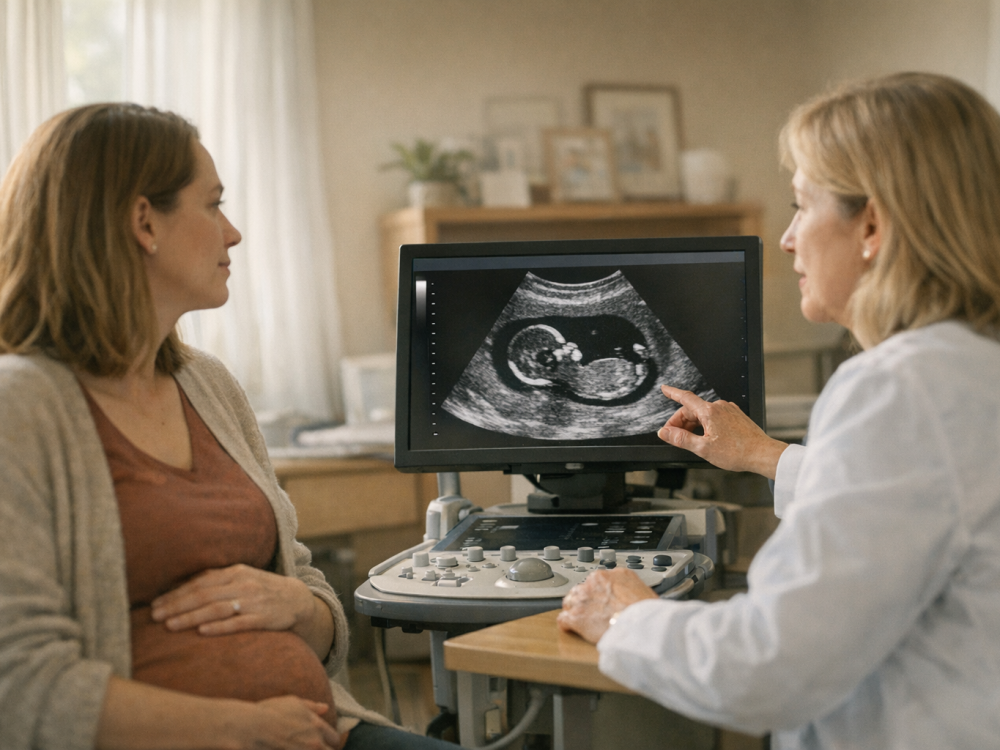
Around the end of the and beginning of the second, many people have already had or are completing early pregnancy screening, depending on local practice and personal choices. Ultrasound may be used for dating, viability confirmation, nuchal translucency assessment where offered, and evaluation of multiple pregnancy. Blood tests may also form part of combined or non-invasive screening pathways.
Some examinations may suggest sex this period, but accuracy can be limited at 13 weeks and depends on fetal position, equipment, gestational dating, and the purpose of the scan. Many providers reserve more detailed fetal anatomy assessment for later in the . If knowing fetal sex is important to you, ask your clinician when and how it can be assessed most reliably in your setting.
It is also reasonable to ask your care team what appointments, tests, or screening decisions are expected over the next several weeks. Knowing the timeline can reduce uncertainty and help you prepare questions in advance.
Nutrition, movement, and day-to-day support
Week 13 is a good time to reassess practical supports for the months ahead. The goal is not perfection; it is sustainable care. A balanced dietary pattern with adequate protein, iron-rich foods, folate, iodine where recommended, , and vitamin D can support pregnancy needs. Specific supplement advice varies by country, medical history, diet, and blood test results, so confirm your plan with your healthcare professional.
Gentle physical , if not contraindicated, can support circulation, bowel function, mood, and musculoskeletal comfort. Walking, prenatal yoga, swimming, or modified strength work may be appropriate for some , but should be individualized, particularly with bleeding, pain, cervical concerns, placenta-related issues, significant anemia, heart or lung disease, or other medical conditions.
Emotionally, the transition into the can bring both relief and new anxieties. You may be thinking about telling more , planning maternity care, reviewing work adjustments, or processing previous pregnancy loss or fertility treatment experiences. These reactions are valid. If anxiety, low mood, intrusive thoughts, or distress feel persistent or impair daily life, discuss mental health support with your care team.
When to seek medical advice
Even when pregnancy is progressing normally, it is important to know which symptoms should be checked. Contact your maternity unit, obstetrician, midwife, GP, or emergency services according to severity and local guidance if you experience concerning symptoms.
Seek prompt advice for heavy bleeding, severe abdominal or pelvic pain, fever, fainting, chest pain, shortness of breath, severe headache, visual changes, or repeated vomiting with inability to keep fluids down. Also ask for advice if you have burning when passing urine, painful swelling in one leg, significant fluid leakage, or symptoms that feel unusual for your body.
If you are unsure whether a symptom is urgent, it is safer to call your hehcare provider. Clinicians would rather you ask early than delay care for a potentially important problem.
Symptoms that should not be ignored
- Heavy vaginal bleeding, severe cramping, or one-sided pelvic pain needs urgent medical advice.
- Persistent vomiting, dehydration, dizziness, or inability to keep fluids down should be assessed promptly.
- Fever, chills, painful urination, or suspected infection warrants contacting a healthcare professional.
- Severe headache, visual changes, chest pain, or shortness of breath requires urgent evaluation.
- Sudden calf pain, one-sided leg swelling, or redness should be checked for possible vascular complications.
Tools & Assistance
- Prepare a written list of questions for your next midwife or obstetric appointment.
- Track symptoms, hydration, bowel habits, and any bleeding or pain patterns to discuss with your clinician.
- Book or maintain routine dental care and tell the dentist you are pregnant.
- Review upcoming screening and ultrasound timelines with your maternity care provider.
- Seek local urgent maternity or emergency care if symptoms are severe or rapidly worsening.
FAQ
Is week 13 definitely the second trimester?
Many pregnancy calendars and clinical resources describe week 13 as the beginning of the second trimester. Some systems define trimester boundaries slightly differently, but week 13 is widely treated as the transition point.
Should I be able to feel the baby move at 13 weeks?
Usually not. The fetus is moving, but most people do not feel these movements until later in the second trimester. If you have concerns, discuss them with your maternity care provider.
Is it normal to still have morning sickness at 13 weeks?
Yes, it can be. Nausea often improves around this time, but it may persist. Severe vomiting, dehydration, weight loss, or inability to keep fluids down needs medical advice.
Can fetal sex be seen on ultrasound at 13 weeks?
Sometimes a suggestion may be possible, but accuracy can be limited. Many providers wait until a later anatomy scan for more reliable assessment.
Are stretching pains normal in week 13?
Mild stretching or pulling sensations can occur as the uterus grows. Severe, persistent, one-sided, or bleeding-associated pain should be assessed promptly.
Sources
- Pregnancy, Birth and Baby — Pregnancy at week 13
- NHS — 13 weeks pregnant guide - Best Start in Life
- Nemours KidsHealth — Pregnancy at 13 Weeks: Weekly Calendar (for Parents)
Disclaimer
This article is for general information only and does not replace personalized medical advice. Always consult a qualified healthcare professional about symptoms, medications, screening, or concerns in pregnancy.

















Please log in to leave a comment.