
Intro
Home birth can feel appealing for people who want privacy, continuity, autonomy, and a low-intervention environment. For some carefully selected pregnancies, with qualified professional attendance and a clear transfer plan, it may be part of a thoughtful birth plan.
However, home birth is not simply a preference about atmosphere. It is a clinical setting choice. Certain maternal, fetal, labor, newborn, and geographic factors make hospital birth or a hospital-based birth center safer because complications can become urgent within minutes.
Highlights
Home birth is generally intended only for carefully screened low-risk pregnancies with reassuring maternal and fetal status.
People with high blood pressure, diabetes, fever, heavy bleeding, fetal distress, or non-progressive labor should not plan or continue a home birth without urgent medical assessment.
A planned home birth requires rapid access to emergency obstetric and neonatal care; distance from a hospital can change the safety profile.
Choosing a hospital does not mean giving up physiologic birth goals; many low-intervention preferences can often be adapted safely in a clinical setting.
When the pregnancy is not low risk
Home birth is usually considered only for a low-risk pregnancy: a singleton fetus, head-down presentation, term gestation, reassuring prenatal course, and no condition likely to require urgent intervention. If any of those assumptions change, the margin of safety changes too.
People with hypertensive disorders, including chronic hypertension, gestational hypertension, preeclampsia, or suspected preeclampsia, should not consider home birth. High blood pressure can worsen quickly and may be associated with seizures, stroke, placental abruption, fetal compromise, or the need for intravenous medication and expedited delivery. Even if symptoms seem mild, the condition often requires laboratory evaluation, fetal surveillance, and access to emergency obstetric care.
Diabetes is another important reason to plan birth in a hospital or an appropriately equipped birth center. This includes preexisting diabetes and, depending on severity and treatment, gestational diabetes. Maternal diabetes can increase the risk of fetal growth abnormalities, shoulder dystocia, neonatal hypoglycemia, respiratory complications, and need for neonatal monitoring. The American Academy of Pediatrics specifically notes that infants of mothers with diabetes should be delivered where newborn complications can be recognized and treated promptly.
Other higher-risk situations also call for hospital-based planning. These may include significant heart, kidney, neurologic, hematologic, or respiratory disease; placenta previa or suspected abnormal placentation; cholestasis with concerning fetal risk; severe anemia; active infection requiring intrapartum treatment; or a history of serious obstetric complications. The goal is not to label a person as incapable of birth, but to match the setting to the level of clinical support that may be needed.
Fetal factors that need hospital-level support
Home birth is not appropriate when fetal assessment suggests a higher chance of needing rapid neonatal evaluation, continuous fetal monitoring, operative delivery, or resuscitation. A reassuring pregnancy can change over time, so decisions should be revisited after ultrasound findings, fetal growth assessments, and prenatal testing.
Abnormal fetal growth is a key concern. A fetus that is small for gestational age may have placental insufficiency and reduced reserve during labor. A fetus that is large for gestational age may have increased risk of shoulder dystocia, birth trauma, and neonatal hypoglycemia, especially when diabetes is present. The AAP advises that infants with abnormal fetal growth should be delivered in a hospital or birthing center because of increased neonatal risks.
Malpresentation is another reason to avoid home birth. Breech, transverse, oblique, unstable lie, or uncertain presentation can make vaginal birth more complex and may require immediate access to cesarean delivery. Multiple gestation, such as twins or higher-order multiples, also generally requires hospital care because of risks related to preterm birth, malpresentation, cord complications, postpartum hemorrhage, and neonatal transition.
Known fetal anomalies, suspected congenital heart disease, abnormal antenatal testing, reduced fetal movement, or signs of fetal distress require a setting with appropriate monitoring and neonatal support. Home birth also becomes unsafe if labor begins preterm or if there is uncertainty about gestational age. Preterm newborns may need temperature support, respiratory assistance, glucose monitoring, and specialist care that cannot be reliably provided at home.
Maternal symptoms that should stop a home birth plan
Some symptoms mean a person should not start or continue laboring at home. These warning signs do not always mean something catastrophic is happening, but they do require timely professional assessment in a setting where escalation is possible.
- Fever: Maternal fever in labor may suggest intra-amniotic infection, influenza, COVID-19, pyelonephritis, or another illness that can affect both parent and baby. It may require laboratory testing, fetal monitoring, antibiotics, fluids, or newborn evaluation.
- Excessive bleeding: Heavy bleeding before birth can suggest placental abruption, placenta previa, cervical trauma, or another emergency. Heavy bleeding after birth can indicate postpartum hemorrhage, a leading obstetric emergency that may require uterotonics, intravenous access, blood products, procedures, or surgery.
- Severe headache, visual changes, right upper abdominal pain, chest pain, shortness of breath, or seizures: These symptoms can signal serious hypertensive, neurologic, cardiac, or pulmonary disease and need urgent medical evaluation.
- Meconium with other concerning signs: Meconium-stained fluid is not always an emergency by itself, but when combined with abnormal fetal heart rate patterns, fever, or poor labor progress, hospital evaluation is safer.
It is also important to take intuition seriously. If the birthing person, partner, midwife, or clinician feels that something is not right, transfer should not be delayed to preserve a plan. A good home birth emergency transfer plan treats transfer as a safety tool, not a failure.
Labor patterns that are not safe to manage at home
Labor progress matters because prolonged or obstructed labor can increase risks of infection, exhaustion, fetal distress, uterine rupture in susceptible patients, and emergency delivery. Non-progressive labor is specifically cited by Cleveland Clinic as a situation in which home birth is not a good option. The concern is not impatience; it is the possibility that the body is signaling a mechanical, fetal, or uterine problem.
Examples include a very long latent phase with dehydration or exhaustion, active labor that stalls despite strong contractions, prolonged rupture of membranes with increasing infection risk, or a pushing phase that is not leading to descent. A clinician may recommend transfer for monitoring, fluids, pain relief, labor augmentation, assisted vaginal delivery, or cesarean capability, depending on the situation.
Home birth is also not suitable for people who know they may want epidural analgesia or other hospital-based pain relief. Nonpharmacologic pain coping strategies, water immersion, movement, counterpressure, breathing techniques, and continuous support may help many people, but they are not interchangeable with neuraxial anesthesia. Wanting access to an epidural is a valid reason to choose hospital birth from the start.
Continuous electronic fetal monitoring may be recommended or required for some risk factors, such as induction or augmentation with certain medications, trial of labor after cesarean, abnormal fetal heart tracing, or maternal medical complications. If the safest plan requires monitoring and immediate response capacity that cannot be provided at home, the birth setting should change accordingly.
When emergency response would be too far away
Even in a well-screened pregnancy, emergencies can happen suddenly. Shoulder dystocia, cord prolapse, placental abruption, uterine rupture, postpartum hemorrhage, neonatal respiratory depression, and unexpected fetal distress may require rapid intervention. The safety of home birth therefore depends not only on the pregnancy, but also on geography, transport, staffing, and hospital readiness.
Mayo Clinic recommends that people considering home birth be within about 15 minutes of a hospital with 24-hour maternity care. That threshold is not a guarantee of safety, but it reflects a practical reality: minutes matter. A home that is farther away, difficult to access, affected by severe weather, or dependent on unreliable transport may not be a reasonable setting for birth.
Home birth should also be avoided if there is no qualified professional attendance. The AAP concurs with the view that lay midwives should not provide care for planned home birth. At minimum, the attending professional should have appropriate training, licensure or certification for the region, emergency equipment, medications within scope, neonatal resuscitation equipment, and established relationships with receiving hospitals.
Transfer plans should be discussed before labor, not improvised during a crisis. The plan should identify the receiving hospital, route, emergency medical services, records to bring, who calls ahead, and how newborn care will continue if parent and baby need different levels of care. If the plan is vague, contested, or logistically fragile, a hospital-based setting is safer.
Prior cesarean, induction needs, and other complex plans
Some people wonder whether they can combine a home birth with a trial of labor after cesarean. This is a particularly high-stakes decision because uterine rupture is uncommon but time-critical. Many professional organizations recommend that vaginal birth after cesarean occur in a facility able to perform emergency cesarean delivery. Anyone considering this should have detailed counseling with an obstetric clinician or maternal-fetal medicine specialist.
Home birth is also not appropriate when induction is medically indicated or likely to be needed. Induction for hypertension, diabetes, fetal growth restriction, post-term pregnancy with concerning findings, ruptured membranes with infection risk, or other indications requires medications, monitoring, and escalation pathways. Similarly, if a person needs intravenous antibiotics for certain infections, anticoagulation planning, blood pressure medication, or specialized anesthesia consultation, hospital birth may be the safer default.
A desire for low-intervention birth does not disappear in the hospital. Many people can still request mobility-compatible monitoring when appropriate, intermittent assessment when clinically safe, upright pushing positions, immediate skin-to-skin contact, delayed cord clamping, and newborn care preferences. The best plan is flexible: it protects the values behind the birth plan while accepting that the safest setting may change.
How to make the decision without shame
Being advised against home birth can feel disappointing, especially if the home environment represented calm, privacy, cultural meaning, prior trauma healing, or trust in the birth process. Those feelings deserve respect. At the same time, risk-based recommendations are not moral judgments. They are attempts to prevent rare but severe outcomes when the home setting cannot provide the right level of backup.
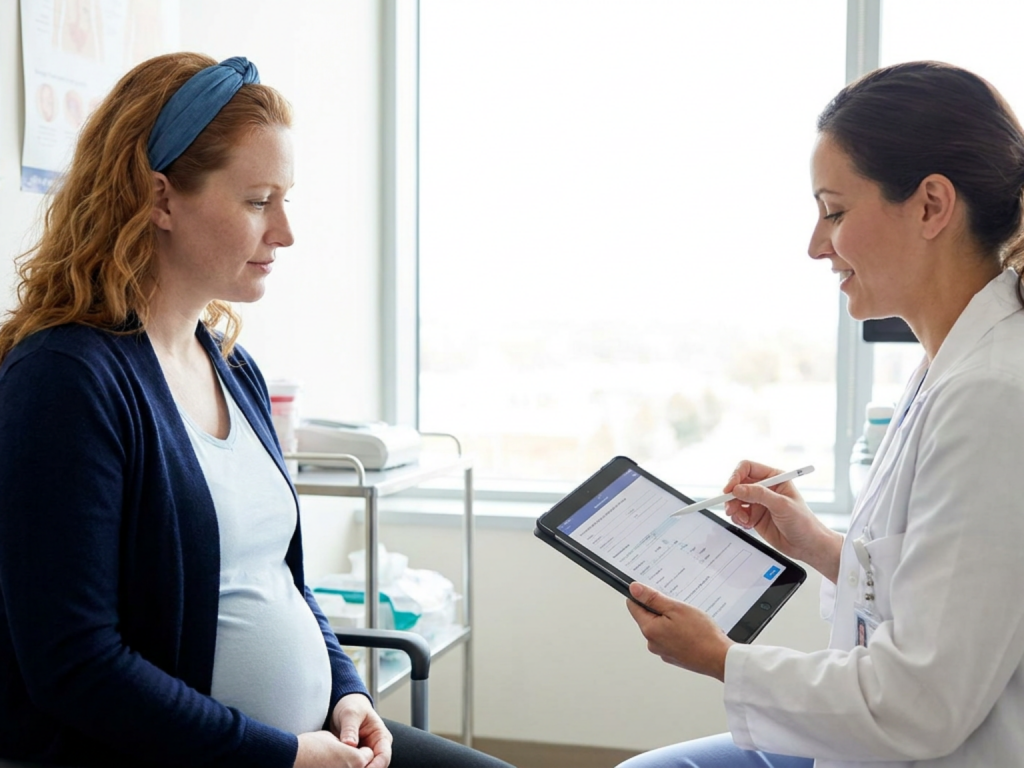
A useful conversation with a clinician might include: What specific risk factor makes home birth inadvisable? Is the concern maternal, fetal, newborn, or logistical? What monitoring or interventions are recommended, and why? Are there lower-intervention options within the hospital? What would make transfer urgent if labor begins at home unexpectedly?
If risk status is uncertain, consider a second opinion from an obstetrician, certified nurse-midwife, or maternal-fetal medicine specialist who can review the full record. The decision should include medical history, current pregnancy findings, distance from emergency care, clinician qualifications, and the birthing person’s goals. Shared decision-making under pressure is harder during labor, so these conversations are best completed well before the due date.
For many people who should not consider home birth, a high-risk hospital birth or planned birth center birth within a hospital system can still preserve dignity and autonomy. Safety and agency are not opposites. The aim is a birth setting where the parent is heard, the baby is monitored appropriately, and help is immediately available if the unexpected happens.
Seek urgent medical help
- Heavy vaginal bleeding, severe abdominal pain, or suspected placental abruption needs emergency assessment.
- Fever in labor, foul-smelling fluid, or feeling acutely unwell should prompt medical evaluation.
- Severe headache, visual symptoms, chest pain, shortness of breath, or seizure symptoms are urgent warning signs.
- Reduced fetal movement, abnormal fetal heart rate concerns, or suspected fetal distress should not be managed expectantly at home.
- A newborn who is not breathing well, has poor tone, or needs resuscitation requires immediate emergency care.
Tools & Assistance
- Schedule a birth-setting review with an obstetrician or certified nurse-midwife
- Ask for a written transfer plan that names the receiving hospital
- Review fetal growth, presentation, and maternal risk factors near term
- Discuss hospital options for low-intervention birth preferences
- Keep emergency contact numbers and prenatal records accessible
FAQ
Does being told not to have a home birth mean I cannot have a natural birth?
No. Many people can still pursue physiologic birth goals in a hospital, including movement, continuous support, nonpharmacologic comfort measures, and limited intervention when clinically appropriate.
Is home birth unsafe for everyone?
Not necessarily. The concern is selection and backup. Home birth is generally considered only for carefully screened low-risk pregnancies with qualified attendance and rapid access to emergency care.
What if I develop high blood pressure late in pregnancy?
High blood pressure can change the risk profile quickly. Contact your maternity care team promptly; they may recommend hospital-based monitoring and birth planning.
Can I start at home and transfer if needed?
Sometimes transfer is part of a safety plan, but some conditions make starting at home inadvisable because the need for intervention can be immediate or unpredictable.
How close should I be to a hospital?
Mayo Clinic advises being within about 15 minutes of a hospital with 24-hour maternity care when considering home birth, but your clinician should assess local conditions and your individual risk.
Sources
- Cleveland Clinic — Home Birth: What It Is, Risks & Benefits
- Mayo Clinic — Home birth: Know the pros and cons
- American Academy of Pediatrics — Planned Home Birth
Disclaimer
This article is for general medical information only and does not replace individualized care from a qualified healthcare professional. If you have symptoms or concerns in pregnancy or labor, contact your clinician or emergency services promptly.


















Please log in to leave a comment.