
Intro
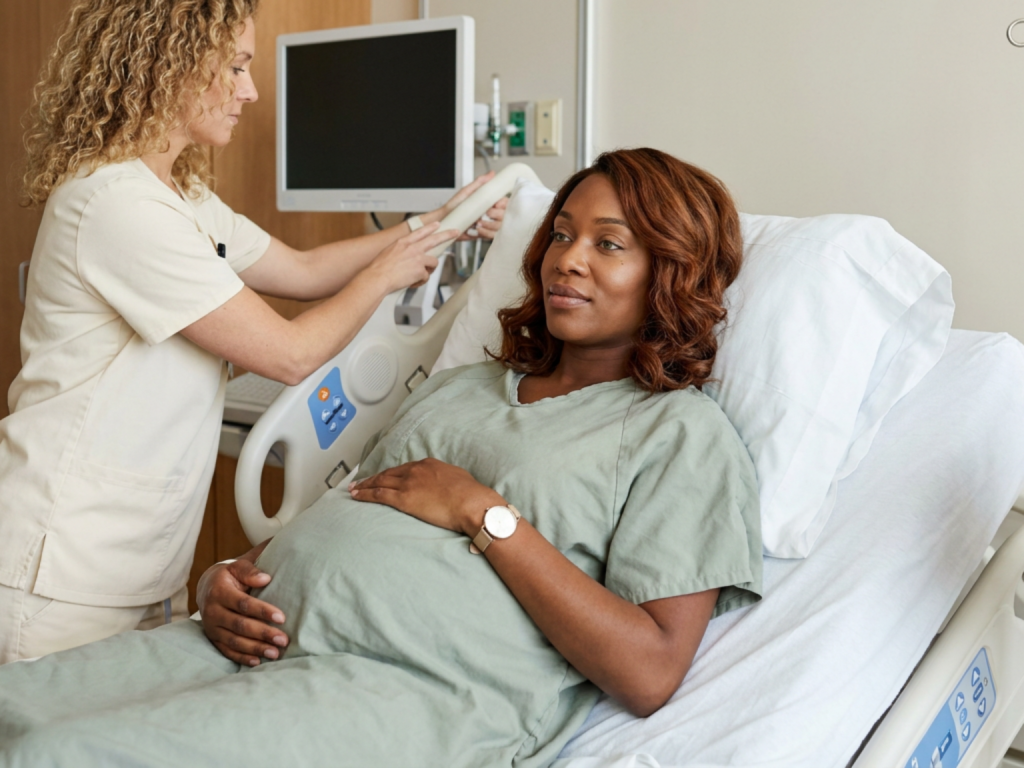
Many people picture birth happening on the back, but labor and birth positions are not one-size-fits-all. Lying on the back can be useful, familiar, and sometimes medically necessary; it can also feel uncomfortable or physiologically less favorable for some laboring people, especially late in pregnancy when the uterus is large.
This article explains the risks of back-lying positions in birth, when they may be recommended, and how clinicians can adapt positioning to protect maternal comfort, fetal monitoring, and safe delivery. It is written to support informed discussion with your obstetrician, midwife, anesthesiologist, or labor nurse rather than to replace individualized medical advice.
Highlights
Back position in birth usually refers to supine, semi-recumbent, or lithotomy positions; each has different implications for comfort, monitoring, and delivery access.
The main physiologic concern is aorto-caval compression during labor, when the gravid uterus can reduce venous return and sometimes affect maternal blood pressure and fetal oxygenation.
Back-lying may be necessary for epidural procedures, assisted vaginal birth, cesarean preparation, certain emergencies, or when continuous assessment is urgently needed.
Small modifications, such as left uterine displacement, a wedge under one hip, or semi-recumbent rather than flat supine positioning, can reduce risk while preserving clinical access.
What “back position” means in birth
In birth care, “back position” may describe several related positions rather than a single posture. A flat supine position means lying horizontally on the back. A semi-recumbent position raises the upper body, often with pillows or an adjustable bed. Lithotomy places the person on the back or semi-recumbent with hips flexed and legs supported in stirrups or footrests. These positions are common because they give clinicians direct access to the abdomen, perineum, fetal monitor belts, intravenous lines, and anesthesia equipment.
Back-lying is not inherently “wrong.” Many people choose it for rest, especially after an epidural, during exhaustion, or when a labor bed supports the body well. Others find that it increases sacral pressure, intensifies back pain, or limits pelvic mobility. The key clinical question is not whether back position is universally good or bad, but whether it is helping or hindering maternal comfort, fetal status, and safe progress at that particular moment.
It is also important to distinguish maternal back position from fetal position. A baby in an occiput posterior fetal position may contribute to back labor and fetal position concerns, but that is different from the laboring person lying on their back. The two can interact: maternal positions may influence comfort and pelvic space, but fetal rotation is complex and cannot be controlled simply by choosing one posture.
Physiologic risks of lying flat on the back
The best-known concern with a flat supine position in late pregnancy and labor is aorto-caval compression during labor. The enlarged uterus can compress the inferior vena cava and, to a lesser extent, the aorta. This may reduce venous return to the heart, lower cardiac output, and contribute to hypotension. Clinically, the laboring person may feel dizzy, nauseated, sweaty, short of breath, or suddenly unwell. In some cases, fetal heart rate changes can occur if uteroplacental perfusion is affected.
Back-lying may also increase pressure on the sacrum and coccyx, particularly when pushing. The sacrum normally has some ability to move backward as the fetal head descends. A rigidly supine or lithotomy position can reduce that mobility for some people, potentially increasing pain or making expulsive efforts feel less effective. This does not mean birth cannot happen safely in this position; it means clinicians should remain attentive to comfort, descent, and fetal status.
Another risk is reduced maternal agency. When a person is placed on their back because it is convenient for observation rather than medically needed, they may feel immobilized or unheard. This matters clinically as well as emotionally: fear and loss of control can amplify pain perception and make cooperation with pushing, breathing, or procedures more difficult.
These risks are context-dependent. A brief back-lying assessment is different from prolonged flat positioning. A semi-recumbent position with the uterus tilted to one side is different from lying completely flat. The care team can often reduce risk with small adjustments while still maintaining access for assessment or intervention.
Musculoskeletal strain and postpartum back comfort
Although the birth setting has unique physiology, general spine-care principles still matter. Research on posture and low back pain identifies prolonged poor posture as a potential contributor to lumbar discomfort and injury risk. Slumped or rounded postures, excessive flattening of the lumbar curve, and asymmetrical alignment can all increase strain on spinal structures. Educational guidance on prolonged sitting similarly notes that slouching can overextend spinal ligaments and strain intervertebral discs.
During labor, this translates into a practical point: if back-lying is used, the body should be supported rather than collapsed. The lower back may need a small roll or bed adjustment, the shoulders should not be forced into a tight curl for long periods, and the hips should be positioned symmetrically unless a deliberate tilt is being used. If the person has pre-existing low back pain, pelvic girdle pain, scoliosis, disc disease, or prior spinal surgery, discussing preferred supports before labor can be very helpful.
After birth, back position also matters during recovery activities such as feeding, pumping, holding the baby, and getting out of bed. Prolonged slumped sitting can aggravate lumbar pain. A supportive sitting setup often includes the buttocks against the chair back, the feet supported, the knees and hips comfortably bent, and the baby brought toward the body rather than the parent bending down toward the baby. These are not rigid rules, but they can reduce cumulative strain when feeding sessions are frequent and sleep is limited.
When back position may be necessary
There are times when back position is recommended because it improves safety, speed, or clinical access. This can be frustrating if a person hoped for upright positions during labor, but necessity is usually about risk management rather than preference.
- Neuraxial anesthesia procedures: Epidural or spinal placement is usually done sitting or side-lying, but after placement, temporary back or semi-recumbent positioning may be needed to assess blood pressure, fetal heart rate, and block level.
- Continuous fetal or maternal assessment: If fetal heart tracing is concerning, clinicians may need a position that allows rapid evaluation, intravenous treatment, blood pressure correction, or preparation for escalation.
- Operative vaginal birth for malposition or fetal urgency: Vacuum or forceps birth generally requires precise visualization, controlled traction, and room for the clinician’s hands and instruments. Lithotomy or modified lithotomy may be used.
- Repair after birth: Perineal, vaginal, or cervical laceration assessment and repair often require back-lying or lithotomy for lighting, exposure, and pain-control procedures.
- Cesarean birth preparation: Operating room positioning is usually supine with left uterine displacement or a tilt to reduce aorto-caval compression while allowing surgical access.
- Severe exhaustion or mobility limits: Some people need a supported back-lying or side-tilted position to rest, especially after prolonged first stage of labor, epidural-related motor weakness, or medical conditions that limit movement.
When a back position is necessary, it should still be optimized. “Necessary” does not have to mean flat, unsupported, or prolonged without reassessment.
How clinicians reduce risk while using back position
Risk reduction begins with avoiding prolonged flat supine positioning when it is not needed. If back-lying is required, many teams use a wedge, pillow, or manual left uterine displacement to tilt the uterus off the great vessels. Raising the head of the bed can also improve breathing comfort and reduce the feeling of being trapped or flattened.
Leg support matters. In lithotomy, hips should not be forced into extreme flexion or abduction for longer than necessary, and both legs should be moved with care, especially after epidural anesthesia when sensation and muscle control may be reduced. Uneven leg positioning can strain the hips, pelvis, and lower back. If stirrups are used, the team should be attentive to nerve compression points and duration.
Position changes can be built into care. A person may alternate between semi-recumbent, lateral, hands-and-knees, throne, or side-lying pushing position depending on fetal status, anesthesia, and comfort. Even small shifts, such as rolling a few degrees to one side, adjusting the sacral angle, or changing where the feet press, can affect pain and pushing mechanics.
Communication is part of safety. The laboring person can say, “I feel dizzy,” “My back is going numb,” “This hip is pulling,” or “I need to change position.” Clinicians can explain, “We need this position for five minutes to check the baby,” or “We need lithotomy now for a possible assisted birth.” Clear time frames and reasons can preserve dignity even when the situation becomes urgent.
Planning preferences without rejecting necessary care
A balanced birth plan can state that you prefer movement during natural childbirth and avoidance of prolonged flat back-lying, while also acknowledging that medical circumstances may change. This approach helps the care team understand your values without creating an unsafe “all or nothing” framework.
Useful preferences might include asking for explanations before being moved to the back, requesting a tilt or wedge if supine positioning is needed, using semi-recumbent rather than flat positioning when possible, and trying alternatives before lithotomy if there is no emergency. If you have back pain, pelvic pain, hypermobility, prior spinal injury, or trauma history, consider discussing positioning before labor begins.
It can also help to ask what your birth setting routinely supports. Some units have squat bars, peanut balls, wireless monitors, adjustable beds, or staff experienced with upright positions during labor. Others may have more restrictions, especially with epidural anesthesia or continuous monitoring. Knowing this early can reduce surprises.
Ultimately, the safest position is dynamic: it changes with maternal symptoms, fetal heart rate, labor progress, analgesia, and the need for procedures. Your comfort matters, and so does timely intervention when risk increases. A supportive team should be able to hold both truths.
Seek urgent clinical help if
- You feel faint, severely dizzy, short of breath, or suddenly unwell while lying on your back.
- The care team notes concerning fetal heart rate changes or asks for urgent repositioning.
- You develop severe new back, hip, leg, or pelvic pain during positioning.
- You have numbness, weakness, or inability to move a leg after anesthesia that is not improving as expected.
- You feel pressured into a position without explanation when there is time to discuss options.
Tools & Assistance
- Ask your obstetrician or midwife which labor positions are supported in your birth setting.
- Include a preference for avoiding prolonged flat supine positioning in your birth plan.
- Practice side-lying, semi-recumbent, and hands-and-knees positions before labor if approved by your clinician.
- Request pillows, wedges, a peanut ball, or bed adjustments for back and hip support.
- Tell staff promptly if a position causes dizziness, severe pain, numbness, or panic.
FAQ
Is giving birth on the back unsafe?
Not always. Back or semi-recumbent birth can be appropriate and sometimes necessary. The main concern is prolonged flat supine positioning without tilt or reassessment, especially if it causes symptoms or fetal heart rate changes.
Can I refuse to lie on my back during labor?
You can express preferences and ask for alternatives. In an emergency or for certain procedures, your team may strongly recommend back-lying for safety; they should explain why whenever time allows.
What is better than lying flat on the back?
Depending on the situation, side-lying, semi-recumbent with a tilt, hands-and-knees, kneeling, squatting, or upright positions may improve comfort. The best option depends on fetal status, pain relief, mobility, and clinical needs.
Why do hospitals often use lithotomy?
Lithotomy provides visibility and access for assessment, assisted vaginal birth, and laceration repair. It may be necessary, but it should be used thoughtfully and not longer than needed.
Can posture affect postpartum back pain?
Yes. Prolonged slumping while feeding, sitting, or holding the baby can strain the lumbar spine. Supportive seating, bringing the baby toward you, and changing positions may help reduce discomfort.
Sources
- NIH PubMed Central (PMC) — Spinal posture assessment and low back pain
- Medical News Today — The best and worst sitting positions for lower back pain
- UCLA Health — Ergonomic and Proper Posture for Sitting - Spine Care
Disclaimer
This article is for general medical education and does not diagnose, treat, or replace care from a qualified clinician. Always consult your obstetric, midwifery, anesthesia, or emergency care team about labor positioning and urgent symptoms.













Please log in to leave a comment.