

Intro
Worrying about whether your baby is getting too much milk or food is very common, especially when feeding volumes, growth charts, reflux-like spit-up, and well-meaning advice all seem to point in different directions. The reassuring starting point is that most healthy babies are biologically equipped to regulate intake when caregivers respond to hunger cues and fullness cues rather than pushing a bottle or spoon to be finished.
Overfeeding is not usually about one large feed. It is more often a pattern: repeatedly encouraging intake after satiety, using milk as the first response to every cry, making bottles larger than needed, or advancing solids in a way that ignores the baby’s appetite. The goal is not to restrict a hungry infant, but to feed responsively, protect growth, and reduce avoidable digestive discomfort.
Highlights
Responsive feeding is the core strategy: offer milk or food when your baby shows hunger, and stop when they show fullness.
Bottle-fed babies may need extra pacing because milk can flow faster from a nipple than from the breast, making it easier to take more than intended.
Spit-up, fussiness, or gas can have many causes; they do not automatically mean overfeeding, allergy, reflux disease, or formula intolerance.
During the transition to solids, portion guides are only starting points. Your baby’s developmental readiness and satiety cues matter more than finishing a set amount.
If your baby has poor weight gain, persistent vomiting, dehydration signs, prematurity, cardiac disease, metabolic disease, or feeding difficulty, get individualized medical guidance.
Understand what overfeeding means
Overfeeding means a baby is regularly taking in more milk or food than their body needs for growth, hydration, and development. It may contribute to discomfort, abdominal distension, increased spit-up, gassiness, or unsettled behavior. However, these signs are nonspecific. Many babies spit up because the lower esophageal sphincter is immature, swallow air while feeding, or become overstimulated. A clinician should evaluate persistent, forceful, bilious, bloody, or painful symptoms.
A helpful clinical distinction is between adequate feeding and pressure feeding. Adequate feeding supports normal growth, wet diapers, alert periods, and developmental progress. Pressure feeding happens when caregivers continue feeding despite clear satiety cues, repeatedly encourage a baby to finish a bottle, or use distraction to get in extra ounces. Avoiding overfeeding is not about withholding nourishment; it is about preserving the baby’s self-regulation.
Research on parental control over feeding in infancy suggests that caregiver behavior is influenced by both infant appetite and feeding method. For example, bottle-fed infants who appear to have a strong appetite may be more likely to experience restrictive or controlling feeding practices. This does not mean bottle feeding is harmful. It means caregivers may benefit from practical tools that make bottle feeding more responsive and less volume-driven.
Learn hunger and fullness cues
Babies communicate appetite before they can speak. Early hunger cues may include stirring from sleep, bringing hands to the mouth, rooting, lip smacking, increased alertness, or turning the head toward touch near the cheek. Crying is a late hunger cue; by then, a baby may be disorganized and harder to feed calmly.
Fullness cues are equally important. A baby who has had enough may slow sucking, release the nipple, turn away, relax the hands, fall asleep with a loose body, seal the lips, push the bottle or spoon away, or become more interested in the room than the feed. Older infants may lean back, close the mouth, swipe at the spoon, or deliberately drop food.
- Offer a feed when early hunger cues appear rather than waiting for intense crying.
- Pause during feeds to check whether your baby re-engages or stays relaxed and uninterested.
- Do not repeatedly reinsert the nipple or spoon after clear refusal.
- Use diaper output, growth pattern, and clinical advice to judge adequacy, not one feed in isolation.
Some babies have less obvious cues, especially if they were born premature, have neurologic differences, have oral-motor challenges, or are recovering from illness. In those situations, individualized feeding guidance is safer than relying on generic advice.
Use responsive bottle feeding
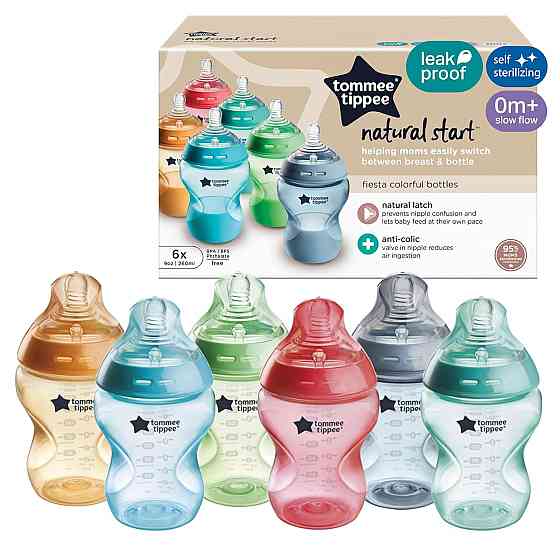
Breastfeeding often allows an infant to regulate flow through sucking patterns, pauses, and comfort nursing. Bottle feeding can also be responsive, but it may require more deliberate pacing because gravity and nipple flow can deliver milk quickly. Responsive bottle feeding means the caregiver remains attentive to the baby’s cues instead of focusing on emptying the bottle.
Try holding your baby semi-upright, keeping the bottle more horizontal rather than fully inverted, and allowing pauses every few minutes. Let the baby draw the nipple in rather than pushing it into the mouth. If sucking becomes frantic, milk dribbles from the mouth, the baby coughs, gulps continuously, splays fingers, arches, or looks stressed, pause and allow breathing and swallowing to reorganize.
Nipple flow matters. A faster-flow nipple may make a baby consume more quickly than they can register fullness. A slower-flow nipple is not automatically best for every baby, but flow should match the infant’s coordination and comfort. If feeds are consistently very short, noisy, stressful, or associated with choking or fatigue, ask a pediatric clinician, lactation consultant, or feeding therapist for assessment.
It is also useful to prepare smaller bottles when you are unsure. You can always offer more if hunger cues persist after a pause. This approach reduces the pressure many caregivers feel when a bottle contains more milk than the baby wants.
Keep formula amounts flexible
Parents often look for typical formula amounts by age because numbers can feel reassuring. Age-based ranges can be useful for planning, but they are not prescriptions. Intake varies with body size, gestational age, growth velocity, illness, sleep patterns, and individual appetite. A baby may take more at one feed and less at the next.
Avoid using the last ounce in the bottle as a measure of success. If your baby stops actively sucking, turns away, or relaxes, the feed can end even if milk remains. Conversely, if your baby finishes a smaller bottle and continues showing clear hunger cues after a short pause, it is reasonable to offer a little more unless your clinician has given different instructions.
Safe formula preparation also matters. Formula should be mixed according to the manufacturer’s instructions or medical instructions if your baby has a special formula plan. Over-diluting can cause dangerous electrolyte problems and inadequate nutrition; over-concentrating can strain hydration and digestion. Do not change formula concentration to manage appetite, sleep, reflux, or weight without medical supervision.
If you are combining breastfeeding and formula feeding, intake can be harder to estimate because breast milk transfer is not visible. In that case, diaper output, weight checks, feeding behavior, and clinical assessment are more meaningful than trying to calculate exact ounces from every source.
Avoid feeding as the only soothing tool
Babies cry for many reasons: hunger, fatigue, overstimulation, a wet diaper, temperature discomfort, need for closeness, gas, or a normal evening fussy period. Offering milk is appropriate when hunger cues are present, but if every cry leads to a full feed, a baby may learn to rely on intake for soothing and may take more than needed.
Before offering another feed soon after a substantial one, consider a brief check-in: Does the diaper need changing? Is the baby tired? Would holding, rocking, skin-to-skin contact, a quiet room, burping, or a short walk help? These are not ways to deny food; they are ways to match the response to the likely need.
Pacifiers can be helpful for some babies when non-nutritive sucking is the main need, especially after feeding is well established. For breastfed infants, timing of pacifier introduction may depend on lactation goals and professional advice. If a baby continues to show organized hunger cues after soothing attempts, feed the baby.
Caregivers also deserve compassion here. Sleep deprivation and anxiety can make it difficult to interpret cues. If you feel preoccupied with exact intake, weight, or fear of doing feeding wrong, ask your pediatric team for support. A calm, evidence-informed plan can reduce pressure on both you and your baby.
Introduce solids without pushing portions
Most infants are developmentally ready for complementary foods around 6 months, while continuing breast milk or infant formula as the main nutrition source during the early transition. Readiness signs include good head and trunk control, interest in food, ability to sit with support, and loss of the strong tongue-thrust reflex. Starting solids too early, or using large preset portions, can make it easier to exceed energy needs.
Johns Hopkins public health researchers have highlighted that some standard guides for starting solids may provide more calories than many infants need. This supports a practical principle: use guides as orientation, not as a requirement to finish jars, bowls, or pouches.
- Begin with small tastes and gradually increase based on interest and skill.
- Prioritize iron-rich foods for babies, such as appropriately prepared meat, beans, lentils, eggs, or iron-fortified infant cereal, according to local guidance and allergy advice.
- Let the baby set the pace; stop when they turn away, close the mouth, or lose interest.
- Avoid using screens, toys, or repeated airplane-spoon games to override refusal.
- Offer water in small amounts with meals when developmentally appropriate, but do not replace needed milk feeds unless advised.
For babies with growth concerns, feeding disorders, prematurity, food allergy risk, or medical complexity, ask for a personalized plan before changing volumes or textures.
Track patterns, not perfection
A single big bottle, a distracted day of snacking, or an enthusiastic first encounter with banana does not define your baby’s nutrition. Look for patterns over days and weeks. Helpful markers include steady growth along an appropriate curve, regular wet diapers, stool patterns that are normal for your baby, alert periods, and feeds that are generally calm.
If you are unsure whether intake is appropriate, a Baby feeding schedule by age can provide a broad framework, but it should be interpreted through your baby’s clinical context. Babies born early may be assessed by corrected age. Babies with cardiac, renal, endocrine, gastrointestinal, or neurologic conditions may need specialized feeding targets.
It can help to keep a short feeding diary for a few days before a medical visit: time of feeds, approximate amount offered and taken, breastfeeding duration if relevant, spit-up pattern, stool and urine output, and notable cues. Avoid long-term obsessive tracking unless recommended; the purpose is to clarify patterns, not to turn feeding into a surveillance project.
When in doubt, bring your questions to your pediatrician, health visitor, lactation consultant, or registered dietitian. The best plan supports adequate nutrition while respecting your baby’s developing appetite regulation.
When to seek medical advice promptly
- Forceful or projectile vomiting, green vomit, blood in vomit or stool, or signs of severe abdominal pain.
- Fewer wet diapers than expected, dry mouth, unusual sleepiness, sunken soft spot, or other dehydration concerns.
- Poor weight gain, weight loss, feeding fatigue, sweating with feeds, bluish color, choking, or recurrent coughing.
- Persistent refusal to feed, weak suck, or feeds that regularly take an unusually long time.
- Any concern in a premature baby, medically complex baby, or infant younger than 3 months with fever or significant illness.
Tools & Assistance
- Discuss growth, intake, and feeding cues at routine pediatric visits.
- Ask a lactation consultant for help with latch, milk transfer, oversupply, or combination feeding.
- Use responsive bottle feeding techniques and consider nipple flow assessment if feeds seem too fast or stressful.
- Review formula feeding basics and safe formula preparation before changing bottle size or mixing habits.
- Request referral to a pediatric dietitian or feeding therapist if feeding is persistently difficult.
FAQ
Can a breastfed baby be overfed?
It is less common because breastfed babies often regulate flow and intake well, but feeding concerns can still occur. Oversupply, fast letdown, comfort feeding patterns, or medical symptoms may need professional assessment.
Does spit-up mean my baby is overfed?
Not necessarily. Spit-up is common in infancy and can occur with normal intake. Large-volume, painful, forceful, bloody, or green vomiting should be discussed with a healthcare professional.
Should I make my baby finish the bottle?
Usually no. If your baby shows fullness cues, it is appropriate to stop. Offer smaller amounts and provide more only if hunger cues continue after a pause.
Are solids more likely to cause overfeeding?
Solids can contribute if introduced too early, served in large portions, or pushed after refusal. Start gradually around developmental readiness and keep breast milk or infant formula central during early complementary feeding.
What if my baby always seems hungry?
Some babies have strong appetite cues or growth spurts, but constant hunger can also reflect feeding inefficiency, rapid bottle flow, low milk transfer, or other issues. A pediatric assessment can help clarify what is happening.
Sources
- PLOS ONE / PubMed Central — Parental control over feeding in infancy. Influence of infant weight and appetite on the use of restrictive practices
- MyHealth.Alberta.ca — Overfeeding a Baby
- Johns Hopkins Bloomberg School of Public Health — Current Guides for Starting Infants on Solid Food May Lead to Overfeeding
Disclaimer
This article is for general educational purposes and is not a diagnosis or treatment plan. Always consult your baby’s pediatrician or another qualified healthcare professional about feeding concerns, growth, vomiting, dehydration, or medical conditions.















Please log in to leave a comment.