
Intro
Many people are surprised to feel contractions after the baby is born. It can feel confusing, even discouraging, to have cramping when labor is supposedly over. In most cases, these postpartum uterine contractions are a normal and protective part of recovery.
Highlights
After birth, the uterus contracts to help close the blood vessels where the placenta was attached and reduce the risk of heavy bleeding.
These contractions, often called afterpains, may feel like menstrual cramps and are commonly stronger during breastfeeding because oxytocin is released.
The uterus gradually returns toward its pre-pregnancy size over about six weeks, a process called uterine involution.
Pain that is severe, worsening, or accompanied by heavy bleeding, fever, foul-smelling discharge, dizziness, or feeling unwell should be discussed urgently with a healthcare professional.
Why the uterus still contracts after birth
Birth does not end the uterus’s work. Once the baby is born, the uterus must deliver the placenta, compress the placental attachment site, reduce bleeding, and begin returning toward its nonpregnant size. These postpartum uterine contractions are coordinated tightening waves of the myometrium, the muscular wall of the uterus. They are normal, expected, and biologically useful, even when they feel uncomfortable.
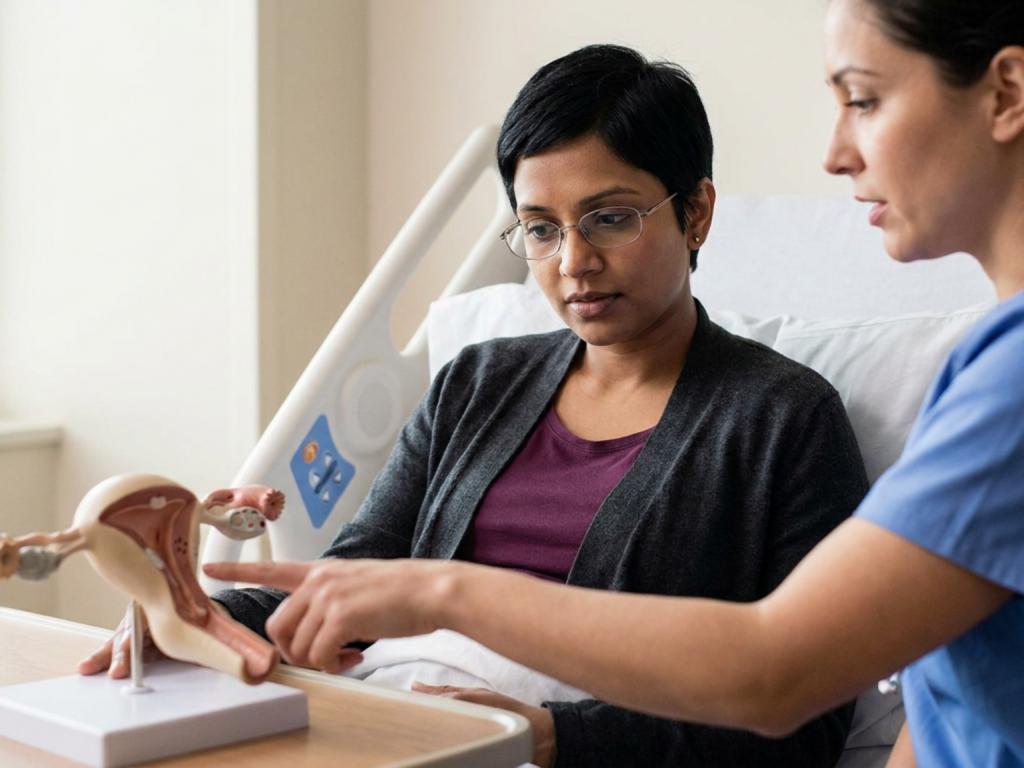
The most urgent function is hemostasis. During pregnancy, the placenta is attached to the uterine lining and supplied by many maternal blood vessels. After the placenta separates, those vessels are exposed. Uterine muscle fibers act like living ligatures: when they contract firmly, they compress the open vessels and help prevent excessive bleeding. This is why clinicians often assess uterine tone after delivery by gently feeling the fundus, the top of the uterus, through the abdomen.
These contractions also help the uterus expel blood, decidual tissue, and mucus, collectively seen as lochia. Lochia is not simply a period; it reflects normal postpartum shedding and healing of the uterine lining. The pattern should generally trend from heavier and redder in the early days toward lighter, pink or brown, then whitish or yellowish discharge over time. Individual patterns vary, but sudden heavy bleeding or clots should not be ignored.
Uterine involution: the six-week recovery arc
The return of the uterus toward its pre-pregnancy state is called uterine involution. Immediately after birth, the uterus remains enlarged and can often be felt near the level of the umbilicus. Over the following days, it descends in the pelvis as muscle fibers shorten, blood vessels remodel, and extra tissue is shed.
Although afterpains are usually most noticeable in the first several days, involution continues for approximately six weeks. This does not mean everyone feels contractions for six weeks. Rather, the structural recovery of the uterus takes longer than the cramping phase. Many people notice the strongest cramping in the first 2 to 3 days, with a gradual easing over the first week. Some sources describe afterpains as lasting around 7 to 10 days, though the intensity usually decreases.
Involution is influenced by parity, uterine overdistension, feeding method, medications, and individual physiology. People who have given birth before often report stronger afterpains. One reason is that the uterus may have less baseline tone after prior pregnancies and may contract more vigorously to remain firm. A uterus that was very stretched, such as after carrying multiples or a large baby, may also need more effective contraction to reduce bleeding risk.
Importantly, involution is not a test of personal strength or recovery success. Some people barely notice cramping; others need planned comfort strategies. Both experiences can be normal, but new, escalating, or systemic symptoms deserve clinical attention.
What afterpains feel like
Afterpains often resemble menstrual cramps, but the intensity can range from mild pressure to sharp, wave-like pain. Some people describe a tightening low in the abdomen; others feel pain radiating into the back, pelvis, or upper thighs. The uterus may feel firm beneath the abdominal wall during a contraction and softer afterward.
The timing can be intermittent rather than constant. A person may feel well for a period, then have a cluster of cramps when feeding the baby, changing position, emptying the bladder, or during clinical fundal checks. The second and third days postpartum are often a peak period for noticeable cramping, especially as milk production and feeding routines become more established.
Because pain perception is individual, it is useful to think in patterns rather than single sensations. Expected afterpains tend to be crampy, episodic, and gradually improving. Concerning pain may be severe, one-sided, persistent, worsening, associated with fever, or accompanied by heavy bleeding or foul-smelling lochia. Pain after a cesarean birth can be more complex because incisional pain, gas pain, uterine cramping, and abdominal muscle soreness may overlap. If it is difficult to tell what kind of pain you are feeling, that is a good reason to ask your maternity team for assessment rather than trying to categorize it alone.
Why breastfeeding can intensify cramping
Afterpains during breastfeeding are common and physiologically understandable. Nipple and chest stimulation triggers release of oxytocin from the posterior pituitary. Oxytocin supports milk ejection and also stimulates uterine smooth muscle contraction. In the immediate postpartum period, this hormone-driven tightening helps keep the uterus firm and reduces bleeding from the placental site.
This can feel emotionally unfair: a person may be trying to feed, bond, and recover while cramping intensifies. Knowing the mechanism can help, but it does not make the pain imaginary or insignificant. It is reasonable to plan comfort measures before feeding sessions, such as emptying the bladder, positioning the body with support, using slow breathing, or applying warmth if approved by the care team.
Breastfeeding-related cramping is usually brief and improves over days. However, feeding should not cause unbearable pain, faintness, or soaking bleeding. If cramping during feeds is accompanied by a sudden gush of blood, repeated large clots, dizziness, or feeling weak, contact a healthcare professional promptly. The goal is not to alarm you, but to respect that uterine contraction and postpartum bleeding are closely linked.
Bleeding, lochia, and the placenta site
The placenta leaves behind a healing wound on the inner uterine wall. Contractions narrow the maternal vessels at that site while clotting and tissue repair proceed. This is one reason clinicians pay close attention to both bleeding and uterine firmness in the hours after birth. A soft or boggy uterus may not compress vessels effectively, increasing postpartum hemorrhage risk.
Lochia is part of this healing process. In the first days, it is typically red and may be similar to or heavier than a menstrual period. It should then gradually reduce. Small clots can occur, especially after lying down and then standing, because blood may pool in the vagina. However, large clots, repeatedly soaking pads, or bleeding that suddenly becomes much heavier warrants medical advice.
Placental delivery contractions and the early postpartum contractions are closely related. During the third stage of labor, the uterus contracts to help the placenta separate and be delivered. After that, continued contraction maintains uterine tone after delivery. If placental tissue remains inside the uterus, bleeding and cramping patterns may be abnormal, but only a clinician can evaluate that possibility. Do not assume heavy bleeding is simply “normal postpartum flow” if it feels excessive or is paired with weakness, pallor, racing heartbeat, or lightheadedness.
Comfort measures and pain relief conversations
Many people can manage afterpains with supportive measures, but pain control should be individualized. Your clinician or midwife can advise based on birth details, bleeding, blood pressure, allergies, kidney or liver conditions, breastfeeding status, and any medications you are taking.
Common non-prescription comfort strategies include warmth, rest, hydration, and bladder care. A full bladder can interfere with uterine contraction and may worsen cramping or bleeding, so urinating regularly can help. Some people find that a warm pack over the lower abdomen reduces the sharp edge of cramps. Others prefer gentle pressure with a pillow, side-lying positions, or paced breathing during feeding-related contractions.
Over-the-counter pain relievers are often used postpartum, but they are still medications and should be cleared with your healthcare team, especially after complicated birth, cesarean birth, hypertensive disorders, heavy bleeding, anemia, or if you have medical conditions. Avoid exceeding recommended doses and avoid combining products that contain the same active ingredient.
Helpful options to discuss may include:
- Timing comfort measures before breastfeeding or pumping sessions.
- Whether acetaminophen or a nonsteroidal anti-inflammatory drug is appropriate for you.
- How to distinguish uterine cramping from incision pain, infection-related pain, or urinary symptoms.
- When your bleeding pattern should be reassessed.
When contractions may signal a problem
Most postpartum cramping is normal, but the postpartum period deserves caution because conditions can change quickly. Contact your maternity unit, midwife, obstetric clinician, or emergency services according to local guidance if symptoms suggest postpartum hemorrhage warning signs or infection.
Seek urgent advice for bleeding that soaks a pad in an hour or less, repeated large clots, fainting, severe dizziness, shortness of breath, chest pain, or a racing heartbeat. Fever, chills, worsening pelvic pain, uterine tenderness, or foul-smelling discharge may suggest infection and should be evaluated. Severe headache, visual changes, right upper abdominal pain, or sudden swelling can be warning signs of postpartum hypertensive disease rather than uterine contraction itself, but they still need prompt care.
It is also appropriate to call if you are simply unsure. Postpartum people are often encouraged to tolerate discomfort, but uncertainty after birth is not a failure. A brief conversation with a professional can clarify whether your symptoms fit expected recovery or need examination. If your intuition says something is not right, especially when bleeding, pain, or weakness is involved, take that seriously.
Seek urgent medical advice if you notice
- Bleeding that soaks a pad in an hour or less, or repeated large clots.
- Severe, worsening, one-sided, or persistent abdominal or pelvic pain.
- Fever, chills, foul-smelling lochia, or feeling acutely unwell.
- Dizziness, fainting, racing heartbeat, shortness of breath, or marked weakness.
- Severe headache, vision changes, chest pain, or right upper abdominal pain.
Tools & Assistance
- Postpartum discharge instructions from your hospital, birth center, or maternity unit
- Direct phone number for your midwife, obstetric clinician, or postpartum triage service
- A simple bleeding and pain log for the first week after birth
- Approved heat pack or warm compress for lower abdominal cramping
- Medication list to review with a pharmacist or healthcare professional before using pain relief
FAQ
How long do uterus contractions after birth usually last?
The strongest afterpains are often in the first few days and may last about 7 to 10 days, while uterine involution continues for around six weeks.
Why are cramps worse when I breastfeed?
Breastfeeding releases oxytocin, which helps milk ejection and also stimulates uterine contractions that compress blood vessels at the placental site.
Are afterpains stronger after a second or later birth?
They can be. People who have given birth before often report stronger afterpains, likely because the uterus works harder to maintain firm tone.
Can I take pain medicine for postpartum contractions?
Many people use postpartum pain relief, but the safest choice depends on your health, birth details, breastfeeding status, and other medications. Ask your healthcare professional.
When should postpartum cramping worry me?
Cramping that is severe, worsening, associated with heavy bleeding, fever, foul-smelling discharge, dizziness, or feeling very unwell should be assessed promptly.
Sources
- Cleveland Clinic — Uterus Involution: Causes, Process & How It Feels
- Bodily — It's Normal For Contractions to Happen After Birth
- UZ Leuven — Post-partum changes to the uterus
Disclaimer
This article is for informational purposes only and does not replace medical advice, diagnosis, or treatment. Contact a qualified healthcare professional for personal guidance, especially with heavy bleeding, fever, severe pain, or feeling unwell after birth.














Please log in to leave a comment.