
Intro
Recovering from a cesarean birth is both postpartum recovery and abdominal surgery recovery. It can involve tenderness, fatigue, bleeding, breast changes, sleep disruption, and a wide range of emotions, all while you are learning your baby’s cues.
This guide explains what is commonly expected after a C-section, how to support healing, and which warning signs deserve prompt medical attention. Your own plan may differ depending on why the surgery was performed, blood loss, anesthesia, infection risk, medical conditions, and your baby’s needs.
Highlights
Most people need several weeks for functional recovery after cesarean birth, with a gradual return to normal activities by about six to eight weeks when healing is uncomplicated.
Early movement, hydration, adequate pain control, incision care, and realistic rest are central to recovery, but activity should be increased slowly.
Fever, worsening abdominal pain, heavy bleeding, foul-smelling discharge, incision redness or drainage, chest pain, or shortness of breath require urgent medical guidance.
Emotional recovery matters too: a C-section can bring relief, disappointment, trauma, gratitude, grief, or all of these at once.
The first days: hospital recovery and early mobilization
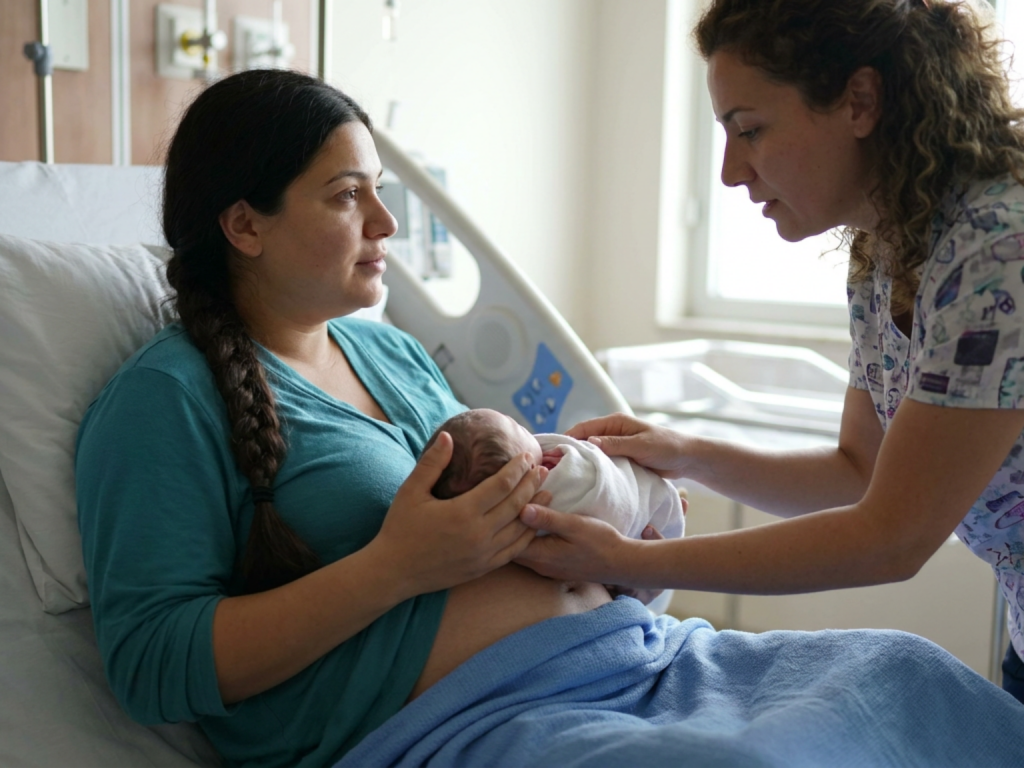
Immediately after a cesarean section, care focuses on monitoring bleeding, blood pressure, uterine tone, pain control, nausea, urine output, and the return of sensation and movement after regional anesthesia. Nurses or clinicians will also check the incision dressing and help you begin feeding and holding your baby safely. If you had general anesthesia, a long labor, infection, hemorrhage, or a medically complex pregnancy, the early course may feel slower.
Many patients remain in the hospital for about three days, although the length of stay varies by hospital practice and clinical circumstances. You may have a urinary catheter initially, an intravenous line, compression devices on your legs, and medications for pain and nausea. These details can feel medicalized at a time when you expected to focus only on the baby; that reaction is understandable.
Early walking is usually encouraged, often by the next day if you are stable. Gentle mobilization helps lung expansion, bowel function, circulation, and clot prevention. It does not mean pushing through severe pain. A reasonable first goal may be sitting on the side of the bed, standing with help, walking to the bathroom, and then taking short hallway walks. Ask for assistance the first few times, especially if you feel dizzy, weak, or numb.
Pain control, incision care, and protecting the abdomen
Postoperative cesarean pain control is not a luxury; it supports breathing, walking, feeding, sleep, and bonding. Many clinicians recommend non-opioid medicines such as ibuprofen or acetaminophen when appropriate, sometimes with additional short-term medication depending on pain severity and individual risk factors. Always follow the dosing plan given by your care team, especially if you have liver disease, kidney disease, stomach ulcers, bleeding risk, high blood pressure, allergies, or are taking other medications.
The incision may feel burning, pulling, numb, bruised, or sharply tender with coughing, laughing, standing, or changing position. Supporting the abdomen with a pillow when you cough, sneeze, or laugh can reduce strain. When getting out of bed, rolling to your side and using your arms to push up often feels easier than doing a straight abdominal sit-up.
Incision care instructions vary depending on whether skin closure used sutures, staples, glue, or adhesive strips. In general, keep the area clean and dry, avoid scrubbing, and follow your discharge instructions about showering and dressing changes. Look daily for increasing redness, warmth, swelling, separation, pus-like drainage, a bad odor, or worsening pain. Some numbness around the incision can persist because small superficial nerves are affected during surgery.
Activity limits, lifting, driving, and sex
For the first couple of weeks, keep activity low and practical. Many aftercare recommendations advise avoiding lifting anything heavier than your baby, or limiting lifting to roughly 10 to 15 pounds early in recovery. This is meant to protect the abdominal wall, reduce pain flares, and lower the risk of wound complications. If you have older children, plan scripts such as, “I can sit and hug you, but I cannot pick you up yet.”
Climbing stairs is not always forbidden, but it should be minimized and done slowly if needed. Household chores that involve twisting, bending, carrying laundry, vacuuming, or lifting car seats can be surprisingly demanding. Accept help when possible; recovery is not a test of character.
Driving is usually delayed until you can brake suddenly, turn your torso, wear a seat belt comfortably, and are no longer using sedating pain medicines. Some guidance suggests waiting at least two weeks, but your clinician’s advice and your actual function matter. Sexual activity is commonly postponed until around six weeks and until bleeding, pain, incision healing, and emotional readiness are addressed. Before resuming sex, discuss contraception if pregnancy is possible, because ovulation can occur before the first postpartum period.
Many people gradually resume more normal activities by six to eight weeks, assuming uncomplicated healing. Exercise should restart gently, often with walking, breath work, posture awareness, and pelvic floor engagement before higher-impact training. Ask your obstetric clinician or pelvic health physical therapist about diastasis recti, scar mobility, pelvic floor symptoms, urinary leakage, or persistent pain.
Bleeding, bowel function, hydration, and nutrition
Vaginal bleeding, called lochia, occurs after both vaginal and cesarean birth because the uterus is healing where the placenta detached. It is usually heaviest early and then gradually lightens, changing from red to pink, brown, or yellow-white. Passing small clots can occur, but heavy bleeding, soaking pads rapidly, or large clots should be discussed urgently with a healthcare professional.
Constipation is common after surgery, opioid pain medicine, iron supplementation, dehydration, and reduced mobility. Hydration is one of the simplest recovery tools, particularly if you are breastfeeding or chestfeeding. Balanced meals with protein, fiber, fruits, vegetables, and adequate calories support wound healing and energy. If bowel movements are painful or absent for several days, ask your clinician about safe options rather than straining hard against a healing incision.
Gas pain can be intense after abdominal surgery and may refer discomfort to the shoulder or upper abdomen. Walking, warm drinks, changing position, and following your team’s diet guidance may help. Severe, persistent, or worsening abdominal pain is different and deserves medical assessment.
Iron needs may be higher if you had significant blood loss or anemia. Do not start high-dose supplements without guidance, but do tell your clinician about dizziness, palpitations, shortness of breath with minimal activity, or profound weakness. These symptoms can overlap with normal postpartum exhaustion, yet they are worth discussing.
Feeding your baby while your body heals
Breastfeeding or chestfeeding after a C-section can be very possible, but positioning may need adjustment to avoid pressure on the incision. Side-lying, football hold, or laid-back positions may feel better than a cradle hold at first. Pillows can support the baby’s weight so your abdomen is not doing the work. If feeding is painful, your baby is sleepy, latch is difficult, or milk transfer is uncertain, ask early for lactation support.
Breast engorgement, nipple soreness, and delayed-feeling milk transition can occur after any birth. After surgery, fatigue, IV fluids, pain, stress hormones, and separation for medical reasons may add complexity. None of this means you have failed. Feeding plans can include direct breastfeeding, pumping, donor milk, formula, or combinations depending on medical needs and family goals.
If your breasts become very painful, red, hot, or you develop fever or flu-like symptoms, contact a healthcare professional promptly. Mastitis and other infections need timely assessment. If you are taking medications for pain or other conditions, ask whether they are compatible with breastfeeding rather than stopping necessary treatment on your own.
Emotional recovery and follow-up care
Cesarean section recovery is not only about the incision. Some people feel grateful, especially if surgery protected them or their baby. Others feel shocked, disappointed, frightened, or disconnected from the birth experience. Emergency surgery, unplanned anesthesia changes, neonatal complications, or feeling unheard during labor can increase distress. Emotional decompression is a legitimate part of recovery.
Consider asking your clinician to review what happened during the birth, especially if events moved quickly. Understanding the indication, the type of uterine incision, complications, and implications for future pregnancies can reduce uncertainty. This is also relevant if you later consider vaginal birth after cesarean or another planned cesarean.
Postpartum mood and anxiety disorders can occur after any delivery. Seek support if sadness, panic, intrusive thoughts, rage, guilt, numbness, or inability to sleep when the baby sleeps feels persistent or frightening. Thoughts of self-harm or harming the baby are emergencies and deserve immediate help.
Attend postpartum follow-up as scheduled, and contact your care team sooner if something feels wrong. The visit is not only an incision check; it can cover bleeding, blood pressure, pain, feeding, contraception, mental health, pelvic floor symptoms, and return to activity. Recovery may be common, but it should not be lonely.
Seek medical help promptly for these signs
- Fever over 100.4°F, chills, or feeling acutely unwell.
- Increasing incision redness, warmth, swelling, separation, pus, or foul odor.
- Severe abdominal pain, worsening pain, or pain not controlled as expected.
- Heavy bleeding, soaking pads quickly, large clots, or foul-smelling vaginal discharge.
- Chest pain, shortness of breath, fainting, severe headache, vision changes, or one-sided leg swelling.
- Thoughts of self-harm, harming the baby, or feeling unable to stay safe.
Tools & Assistance
- Keep your discharge instructions and medication schedule in one visible place.
- Use a pillow to support your abdomen when coughing, laughing, or standing.
- Arrange help for lifting, meals, errands, pets, and older children during the early weeks.
- Contact a lactation consultant if feeding is painful, inefficient, or stressful.
- Call your obstetric care team promptly for infection signs, heavy bleeding, or worsening pain.
FAQ
How long does C-section recovery usually take?
Many people gradually return to normal activities by six to eight weeks, but fatigue, scar sensitivity, pelvic floor symptoms, or emotional recovery can take longer. Your clinician can individualize guidance.
When can I lift my baby after a C-section?
Lifting your baby is usually expected, but many instructions advise avoiding anything heavier than the baby or limiting lifting to about 10 to 15 pounds in the first couple of weeks.
Is it normal for the incision area to feel numb?
Some numbness, tingling, or altered sensation near the scar can happen because small nerves are affected. Worsening pain, redness, drainage, swelling, or fever should be assessed.
When can I drive after a C-section?
Some guidance suggests waiting at least two weeks, but you should be able to move comfortably, brake suddenly, and be off sedating pain medicines. Confirm with your healthcare professional.
Can I breastfeed after a C-section?
Yes, many people breastfeed after cesarean birth. Positions that avoid pressure on the incision and early lactation support can make feeding more comfortable.
Sources
- Mayo Clinic — C-section recovery: What to expect
- UnityPoint Health — C-Section Q&A: The Facts and What it Takes to Recover
- American Pregnancy Association — Cesarean After Care
Disclaimer
This article is for informational purposes only and does not replace medical advice, diagnosis, or treatment. Contact your healthcare professional for guidance tailored to your recovery and seek urgent care for warning signs.


















Please log in to leave a comment.