Mother, Baby, Universe

Donate
Light mode
Social Network Pregnancy Birth Baby Child Parenting Handbook A-Z Moms Tools MamaTube Marketplace Doctors Anti Age Donate AI Agent Downloads

Last articles:

Choosing protective gear for skating, scooters, and skateboards

0 0

Selecting sports shoes for different activities

0 0

When protective sports gear needs to be replaced

0 0

Choosing the correct bicycle helmet size for a child

0 0

Choosing a bicycle for a child by age and height

0 0
Home › Birth › What early and active contractions feel like

What early and active contractions feel like

0:00 / —:——

Plays article text aloud.

Reading: 8 min
In This Article
  • Why contractions feel like waves
  • What early labor contractions feel like
  • How active labor contractions usually feel
  • Early versus active labor patterns
  • Where you may feel contractions
  • Coping with the sensations safely
  • When sensations need prompt medical guidance
Download

Intro

Contractions can be one of the clearest signs that labor is changing, but they are not always easy to interpret in the moment. Early labor contractions may feel subtle, irregular, and surprisingly manageable, while active labor contractions often become more rhythmic, intense, and difficult to ignore.

Highlights

Early labor contractions often feel like menstrual cramps, low backache, abdominal tightening, pelvic pressure, or waves that come and go.

Active labor contractions usually become longer, stronger, closer together, and harder to talk or walk through.

The pattern matters as much as the sensation: true labor contractions tend to become more regular and progressive over time.

Pain location varies. Some people feel contractions mainly in the lower abdomen, while others feel strong back or rectal pressure.

If contractions are preterm, unusually painful, accompanied by heavy bleeding, decreased fetal movement, fever, or concern about ruptured membranes, contact a healthcare professional promptly.

Why contractions feel like waves

A labor contraction is the uterus tightening and then relaxing. The muscle fibers of the uterus contract to help thin and open the cervix and, later, move the baby downward. Many people describe the sensation as a wave because it usually builds gradually, peaks, and then releases. Between contractions, the uterus softens again, and many people can rest, speak, change position, or breathe more easily.

The feeling is not only muscular. As the uterus tightens, pressure can radiate into the lower abdomen, sacrum, hips, groin, thighs, or rectum. Cervical dilation and effacement can add a deep internal pressure or stretching sensation. If the baby is positioned with pressure toward the spine, back labor may feel more prominent than abdominal cramping. These variations can be normal, but a clinician is the right person to assess whether symptoms fit your individual pregnancy and labor plan.

Contractions can also feel different depending on hydration, fatigue, fetal position, prior births, anxiety level, and whether the membranes have ruptured. Some people feel a clear start and stop; others feel a constant low ache with surges of stronger pressure. The key clinical question is usually whether the contractions are becoming progressive: longer, stronger, closer together, and associated with cervical change.


What early labor contractions feel like

Early labor contractions are often noticeable but not yet all-consuming. They may feel like period-like cramps in early labor, a dull ache across the lower abdomen, low back pain, pelvic heaviness, or tightening that makes the belly feel hard under your hand. Some contractions feel like gastrointestinal cramps or pressure, especially when they are mild and irregular. You may be able to talk, walk, shower, eat lightly if advised, or rest between them.

The emotional experience can be just as real as the physical one. Early labor can feel exciting, uncertain, tedious, or discouraging if contractions start and stop. That stop-start pattern does not mean your body is failing; early labor can be a long preparation phase, particularly for a first birth. Contractions may begin 10 to 20 minutes apart, vary in length, or cluster for a while and then space out again.

As early labor continues, early labor contractions often become more organized. Instead of a vague tightening, each contraction may have a more distinct beginning, peak, and end. You may pause during the strongest part but recover quickly afterward. The cervix may be softening, thinning, and beginning to open, although sensation alone cannot confirm dilation. If you are unsure whether to stay home, call your maternity unit or clinician for guidance based on your contraction pattern, gestational age, membrane status, fetal movement, bleeding, and medical history.


How active labor contractions usually feel

Active labor contractions are typically more intense, regular, and consuming. They often feel like strong menstrual cramps combined with firm abdominal tightening and downward pelvic pressure. Many people find they need to stop moving, lean forward, vocalize, breathe deliberately, or focus inward during each contraction. Conversation may become difficult during the peak of a contraction, even if you can speak normally between waves.

In active labor, contractions commonly become longer and closer together. A common pattern is contractions that last about 45 to 60 seconds and come every few minutes, though individual patterns vary. The sensation may start in the back and wrap around to the front, or it may begin low in the abdomen and push downward. Some people describe a band-like squeeze; others describe intense pressure, a pulling-open feeling, or a powerful surge that demands full attention.

The major difference is not simply pain intensity. Active labor often feels purposeful and progressive. The body may instinctively seek positions that create space in the pelvis: hands and knees, side-lying, standing with support, slow swaying, or leaning over a birth ball. You may feel less interested in distractions and more focused on coping from one contraction to the next. If contractions are strong and regular, or if you feel pressure to bear down, contact your birth team or go to the place of birth according to your care plan.


Early versus active labor patterns

The transition from early to active labor is not always a neat line. Clinically, active labor is often associated with more rapid cervical change, but you cannot reliably measure that at home. What you can observe is the pattern of labor contractions: frequency, duration, intensity, and how your body responds between them.

In early labor, contractions may be irregular, shorter, and easier to breathe through. They might ease with rest, hydration, a warm shower, or a change in position. In active labor, contractions are more likely to continue despite comfort measures, grow stronger over time, and require focused coping. A practical question is whether you can still comfortably walk and talk during contractions. If you consistently cannot, labor may be moving into a more active phase.

Timing contractions in early labor can be useful, but it should not become the only measure of wellbeing. Time from the beginning of one contraction to the beginning of the next, and note how long each contraction lasts. Also notice fetal movement, fluid leakage, bleeding, pain between contractions, and your ability to cope. Many birth teams provide a guideline for when to call or come in, such as a regular pattern for about an hour, but your personal instructions may differ if you have risk factors, a previous rapid birth, Group B strep instructions, a planned cesarean, or preterm symptoms.


Where you may feel contractions

Contractions are often described in the lower abdomen, but the uterus is large near term, and sensation can travel. Some people feel tightening high across the belly, then pressure low in the pelvis as the contraction peaks. Others feel mostly sacral or lower back pain, especially if fetal position increases pressure against the spine. Back labor may feel like a deep, persistent ache with sharper waves during contractions.

Pelvic pressure can increase as the baby descends. It may feel like heaviness in the vagina, rectal pressure, hip spreading, or the need to have a bowel movement. In active labor or later first stage, rectal pressure can become intense. However, a sudden urge to push, especially if you are not yet with your birth team, is a reason to seek immediate guidance because birth may be approaching.

Some sensations can overlap with non-labor issues, including urinary tract symptoms, gastrointestinal cramping, round ligament pain, or Braxton Hicks contractions. This is why context matters. True labor contractions tend to show a progressive contraction timing pattern and do not simply disappear with hydration or rest. Still, if pain is severe, constant, one-sided, associated with fever, heavy bleeding, decreased fetal movement, or you feel something is wrong, do not wait for the pattern to become textbook.


Coping with the sensations safely

Comfort measures during early labor are often aimed at conserving energy. If your clinician has not advised otherwise, you may try rest, hydration, light food, a warm bath or shower, gentle movement, massage, heat on the lower back, breathing techniques, or distraction between contractions. Early labor can last for hours, so protecting sleep and emotional steadiness can be as important as timing every wave.

In active labor, coping often becomes more physical and structured. Many people benefit from continuous support, upright or forward-leaning positions, rhythmic breathing, counterpressure on the sacrum, water therapy where available, or medical pain relief options discussed with the care team. Epidural analgesia, nitrous oxide, opioids, and nonpharmacologic methods all have different benefits, limitations, and timing considerations. The right choice depends on your medical situation, preferences, labor progress, and local availability.

It is also reasonable to feel anxious or overwhelmed. Strong contractions can be intense even when labor is healthy. Support people can help by tracking timing, offering fluids, reminding you to urinate regularly, supporting position changes, and communicating with clinicians. Your job is not to prove endurance; it is to stay as safe and supported as possible while labor unfolds.


When sensations need prompt medical guidance

Because contraction sensation alone cannot confirm what is happening, call your healthcare professional whenever you are uncertain or worried. This is especially important before 37 weeks, when regular contractions, pelvic pressure, backache, or fluid leakage may suggest possible preterm labor. Prompt assessment can matter, even if symptoms turn out not to be labor.

Contact your maternity unit urgently for heavy vaginal bleeding, decreased fetal movement, severe headache or visual symptoms, fever, severe abdominal pain that does not release between contractions, green or foul-smelling fluid, or suspected rupture of membranes if you have been told to come in. If your water breaks, note the time, fluid color, odor, and whether contractions have started, then follow your clinician’s instructions.

Also seek guidance if contractions become very close together quickly, you feel strong rectal pressure or an urge to push, you have a history of fast labor, you are carrying multiples, your baby is breech, or you have a high-risk pregnancy plan. Labor advice is safest when it is individualized. A nurse, midwife, or obstetric clinician can help decide whether to stay home, come in for assessment, or seek emergency care.

Call promptly if

  • You have regular contractions before 37 weeks.
  • You notice decreased fetal movement or feel your baby is moving less than usual.
  • You have heavy bleeding, severe constant pain, fever, or feel faint.
  • Your water breaks and the fluid is green, brown, foul-smelling, or you are unsure what happened.
  • You feel strong pressure to push or contractions become very close together quickly.
  • You have been given specific high-risk pregnancy or birth instructions that apply now.

Tools & Assistance

  • Use a contraction timer to record start time, duration, and frequency.
  • Keep your birth unit, midwife, obstetric clinician, or triage phone number easily available.
  • Use comfort measures such as hydration, rest, warmth, movement, and support if your care team says they are safe for you.
  • Prepare notes on fetal movement, fluid leakage, bleeding, pain pattern, and gestational age before calling.
  • Seek emergency services if symptoms feel urgent or you cannot reach your maternity team.

FAQ

Can early labor contractions feel like period cramps?

Yes. Many people describe early labor contractions as menstrual-cramp-like pain, low backache, abdominal tightening, or pelvic pressure that gradually becomes more patterned.

How do I know contractions are becoming active labor?

Active labor contractions are usually stronger, longer, closer together, and harder to talk through. However, cervical change can only be assessed by a qualified clinician.

Do contractions always hurt in the belly?

No. Some people feel contractions mainly in the lower back, hips, pelvis, rectum, or thighs. The location can vary with fetal position and individual anatomy.

Should I go to the hospital as soon as contractions start?

Not always. Many people spend early labor at home if they are term, low risk, coping well, and have reassuring symptoms. Follow your own care team’s instructions.

What if contractions stop and start?

That can happen in early labor. Rest, hydration, and position changes may affect the pattern. Call your clinician if you are unsure, preterm, leaking fluid, bleeding, or concerned.

Sources

  • Mayo Clinic — Stages of labor and birth: Baby, it's time!
  • WebMD — Signs of Labor (Cervical Effacement) During Pregnancy
  • healthdirect — Giving birth - contractions

Disclaimer

This article is for general medical information only and is not a diagnosis or personalized care plan. Always follow the advice of your midwife, obstetric clinician, maternity unit, or emergency services.
👍 0
0 Comments

Please log in to leave a comment.

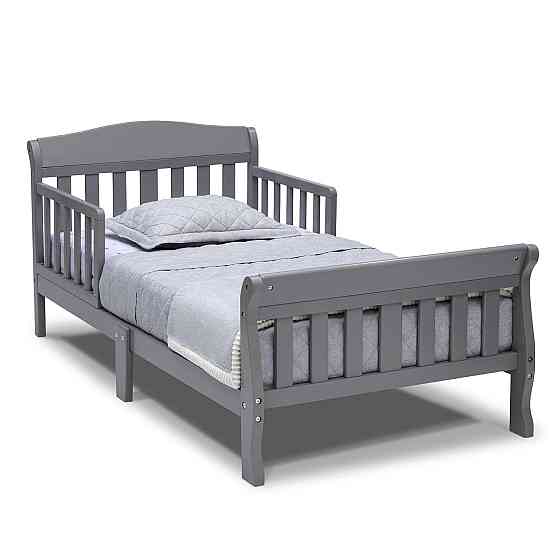
Delta Children Canton Toddler Bed, Greenguard Gold Certified, Grey

Delta Children Canton Toddler Bed, Greenguard Gold Certified, Grey

About this item Bed fits full size crib mattress (mattress, bedding and pillow not included) ; Strong and sturdy wood construction ...

$69.00

View Product
Marketplace by Mamaspedia
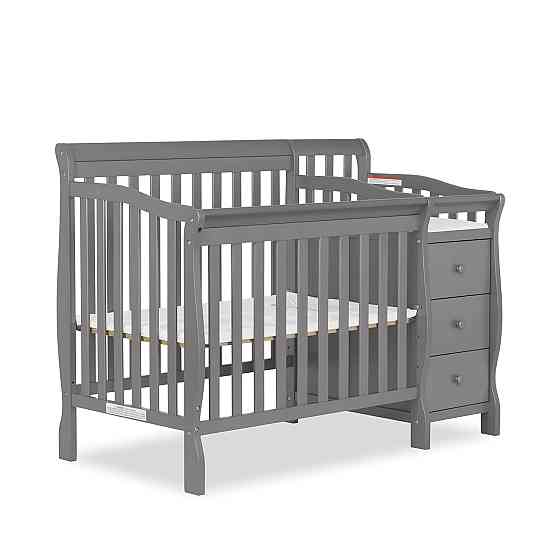
Dream On Me Jayden 4‑in‑1 Mini Convertible Baby Crib & Changer with Storage, Steel Grey, Pinewood, G

Dream On Me Jayden 4‑in‑1 Mini Convertible Baby Crib & Changer with Storage, Steel Grey, Pinewood, G

About this item 4-in-1 Convertible Mini Crib – Grows with your child from infancy through toddler years into childhood, easily conver...

$254.99

View Product
Marketplace by Mamaspedia
Pampers ZZZ Overnight Diapers, Size 5 (27+ lbs), 88 Count, Nighttime Protection Disposable Baby Diap

Pampers ZZZ Overnight Diapers, Size 5 (27+ lbs), 88 Count, Nighttime Protection Disposable Baby Diap

About this item Pampers Swaddlers Overnight Diapers have 50% more absorbent zones vs. ordinary diapers* to help keep baby’s skin dry ...

$47.99

View Product
Marketplace by Mamaspedia

Need more information:

Emotional burnout and frustration from trying to conceive

0 0

Teaching conflict resolution and negotiation skills children

0 0

How to change baby diapers while traveling

0 0

Speed and risks of hospital transfer

0 0

Toddler social development milestones

0 0

hCG levels and how they rise in early pregnancy

0 0

Selecting Safe Toys

0 0
Download

Related pages

  • Hormonal factors behind labor pain
  • Delivery options for older mothers
  • Emergency situations in home birth
  • Hospital bag checklist for mom baby and partner
  • Body response to pain during labor
Find local health services
NOON'S UP Collagen Night Wrapping Mask Peel Off Face Mask – EGF (Epidermal Growth Factor) & Hydrolyz

NOON'S UP Collagen Night Wrapping Mask Peel Off Face Mask – EGF (Epidermal Growth Factor) & Hydrolyz

NTENSIVE SKIN RENEWAL & REPAIR CARE: Experience advanced skin-conditioning care that goes beyond surface treatment. This innovative wrapping technolog...

$19.99

View Product
Marketplace by Mamaspedia
MamasPedia - The free encyclopedia for moms EVERYTHING ABOUT BIRTH,
PREGNANCY AND RAISING A CHILD

Be part of a growing community of over 85 million moms and dads who connect, share, and support each other every single day.

At Mamaspedia, we know parenting doesn't come with a manual—that's why we created a space where parents can turn to each other for real-life wisdom, encouragement, and trusted advice. Whether you're expecting your first child or guiding a teenager through life's ups and downs, you'll find stories, answers, and connection here.

Built by passionate parents and powered by community support, Mamaspedia is a free, donation-backed encyclopedia designed to make parenting just a little easier and a lot less lonely.

MOTHER. BABY.
UNIVERSE.

Sections:

Social Network MamaTube
Pregnancy Marketplace
Birth Doctors
Baby Anti-Age
Child Donate
Parenting AI Agent
Handbook A-Z Downloads
Moms Tools
Contact us About us Privacy Policy

Follow us:

MOTHER. BABY. UNIVERSE.

Log in

or

Create account

or

Reset password

Enter your email and we'll send you a link to reset your password.

Check your email for a link to reset your password.
Mamaspedia

TERMS AND CONDITIONS

TERMS & CONDITIONS

Effective Date: 22.10.2026

Mamaspedia is a digital information and community platform focused on pregnancy, parenting, maternal health education, and wellness support. This Policy covers medical, healthcare, wellness, and informational services, while clearly defining the limits of Mamaspedia's role. Mamaspedia ("we," "our," "us") respects your privacy and is committed to protecting your personal and confidential information. This Privacy & Confidentiality Policy explains how we collect, use, store, and protect your data when you use our website, mobile applications, and related services (collectively, the "Platform").

1. Information We Collect

We may collect the following categories of information:

  • Personal Information: name, email address, username, profile details
  • Account Information: login credentials (encrypted), preferences, activity history
  • Technical Data: IP address, device type, browser, operating system
  • User-Generated Content: comments, messages, posts, questions, uploads
  • Health-Related Topics: only if voluntarily shared by users (non-diagnostic)

Mamaspedia does not require users to submit medical records or sensitive health data.

2. Confidentiality of User Information

All personal data shared with Mamaspedia is treated as confidential.

We:

  • Do not sell or rent user data
  • Do not disclose private data without legal obligation
  • Limit access to authorized personnel only
  • Apply technical and organizational safeguards.

User discussions, questions, and interactions are protected and not shared outside the Platform.

3. Confidentiality of Health-Related Information

Mamaspedia treats all user-shared health-related discussions as confidential.

However:

  • Users should avoid posting personally identifiable medical data
  • Public or community posts are visible to other users
  • Mamaspedia is not a HIPAA-covered entity

Private messages and account data are protected with reasonable safeguards.

4. Healthcare Professional Listings

Healthcare professionals appearing on Mamaspedia:

  • Are listed for informational and referral purposes only
  • Are not employed, endorsed, or certified by Mamaspedia
  • Are solely responsible for their credentials, services, and advice

Mamaspedia does not verify licenses unless explicitly stated.

5. Telehealth & Consultations (If Enabled)

If Mamaspedia enables video, chat, or messaging features:

  • Mamaspedia acts as a technology intermediary
  • All medical services are provided directly by third-party professionals
  • Compliance with local medical laws is the responsibility of the provider

Mamaspedia bears no liability for medical outcomes.

6. Data Collection & Use (Medical Context)

We may collect:

  • Account and contact information
  • User-generated health-topic discussions
  • Technical and usage data

We do not require medical records, test results, or diagnostic documents.

7. Data Security & Storage

Mamaspedia uses industry-standard safeguards, including:

  • Encrypted data transmission
  • Access controls
  • Secure hosting infrastructure

Despite safeguards, no system is completely secure.

8. How We Use Information

We use collected information to:

  • Provide and improve our services
  • Personalize content and user experience
  • Maintain platform security
  • Communicate important updates
  • Comply with legal requirements

We do not use personal data for automated medical decision-making.

9. Cookies & Analytics

Mamaspedia may use cookies and analytics tools to:

  • Understand user behavior
  • Improve performance and usability

You may disable cookies via your browser settings

10. Data Sharing & Third Parties

We may share limited data only with:

  • Hosting providers
  • Analytics services
  • Legal authorities when required by law

All partners are contractually obligated to protect user confidentiality.

Mobile phone numbers, SMS opt-in data, and text messaging consent are excluded from any data sharing and are not shared with hosting providers, analytics services, partners, affiliates, or any third parties.

11. SMS Privacy & Mobile Communications

Mamaspedia may use SMS text messaging solely for communication initiated by users through website forms or direct messages.

No mobile information will be shared with third parties or affiliates for marketing or promotional purposes.

All other categories of personal information exclude text messaging originator opt-in data and consent. SMS consent and phone numbers are not shared, sold, rented, or disclosed to any third parties.

Users may opt out of SMS communications at any time by replying STOP or request assistance by replying HELP.

12. Medical Disclaimer (Important)

Content on Mamaspedia is provided for informational purposes only and does not constitute medical advice, diagnosis, or treatment.

Use of the Mamaspedia platform does not create a doctor–patient, therapist–patient, or any other healthcare provider–patient relationship between you and Mamaspedia, its owners, employees, contributors, partners, or affiliates.

Mamaspedia operates solely as a technology and information platform that enables users to:

  • search for healthcare professionals,
  • access general informational content,
  • and connect with independent third-party medical providers.

Any medical consultation, diagnosis, treatment, prescription, or advice is provided exclusively by independent, licensed healthcare professionals, and only within the context of a direct relationship established between you and such provider.

Mamaspedia does not practice medicine, does not provide medical advice, and does not control or influence the professional judgment, services, or conduct of any healthcare provider.

Any doctor–patient relationship that may arise is formed solely between the user and the healthcare provider, under the provider's own terms, policies, and applicable laws, and Mamaspedia bears no responsibility or liability for such relationship or services.

Always consult a qualified healthcare professional for medical concerns.

13. User Rights & Consent

By using Mamaspedia, users may:

  • Request access to your data
  • Request correction or deletion of your data
  • Withdraw consent
  • Request data portability
  • Acknowledge the informational nature of the Platform
  • Accept that Mamaspedia is not a healthcare provider
  • Consent to data processing as described herein

Users may request data access or deletion at: support@mamaspedia.com

14. Data Security

Reserved (covered in Section 7).

15. Children's Privacy

Mamaspedia is intended for adults (parents and caregivers).

We do not knowingly collect data from children under 13.

16. Limitation of Liability (Medical Services)

To the fullest extent permitted by law:

  • Health decisions made by users
  • Outcomes of medical consultations
  • Reliance on informational content
  • Actions of third-party healthcare providers

Use of the Platform is at the user's own risk.

17. Jurisdiction, Regulatory Status & U.S. Compliance

This Policy is drafted and implemented to comply with applicable United States federal and state laws, including but not limited to consumer protection, digital services, and informational health content standards, as well as Apple App Store and Google Play policies governing medical and health-related applications.

Mamaspedia operates solely as an informational, educational, and technology platform and does not engage in the practice of medicine, nursing, psychology, psychotherapy, counseling, or any other regulated healthcare profession in the United States or any other jurisdiction.

Mamaspedia is not:

  • A healthcare provider, medical practice, hospital, clinic, or telehealth service;
  • Licensed, registered, or regulated by any U.S. federal or state medical board;
  • Subject to HIPAA, HITECH, or any state-level medical privacy or healthcare provider regulatory regime.

No content, functionality, communication, directory listing, messaging feature, video interaction, or information made available through the Platform shall be construed as medical advice, diagnosis, treatment, or a substitute for professional medical judgment, or the establishment of a physician–patient or healthcare provider–patient relationship.

All healthcare professionals, clinics, consultants, or third-party providers accessible through or referenced on the Platform act entirely independently of Mamaspedia and bear sole and exclusive responsibility for compliance with applicable federal, state, and local laws, licensing, services, advice, diagnoses, prescriptions, treatments, and outcomes.

Mamaspedia expressly disclaims any and all liability arising from user reliance on health-related content, interactions between users and third-party healthcare professionals, medical or clinical decisions made by users or providers, and any failure by third-party providers to comply with applicable laws or professional standards.

Users expressly acknowledge and agree that access to the Platform does not constitute receipt of medical services under U.S. law.

18. Updates

Mamaspedia may revise this Policy at any time.

Continued use constitutes acceptance of updates.

19. Contact

support@mamaspedia.com

https://mamaspedia.com

Terms & conditions

(Terms and Conditions of Use)
Effective Date: 22.10.2026

1. Definitions

  • "Platform" — Mamaspedia website, apps, and services
  • "User" — any person accessing or using the Platform
  • "Content" — articles, posts, comments, images, videos, tools, and materials

2. Scope of Application

These Terms & Conditions govern your access to and use of Mamaspedia, including websites, mobile applications, digital services, and community features.

By accessing or using the Platform, you agree to be bound by these Terms.

3. Informational Purpose Only

Mamaspedia is an educational and community-based platform.

All content on Mamaspedia is not medical, legal, or professional advice and is provided for informational and educational purposes only.

Mamaspedia does not provide medical diagnosis or treatment, does not guarantee accuracy, completeness, or outcomes, and encourages consulting licensed professionals when needed.

4. No Medical or Professional Advice

Nothing on the Platform constitutes medical advice, legal advice, psychological, or therapeutic advice.

Use of information is at your own risk.

Mamaspedia does not verify medical accuracy of user-generated content.

5. No Doctor–Patient Relationship

Use of the Mamaspedia platform does not create a doctor–patient, therapist–patient, or any other healthcare provider–patient relationship between you and Mamaspedia, its owners, employees, contributors, partners, or affiliates.

Mamaspedia operates solely as a technology and information platform that enables users to search for healthcare professionals, access general informational content, and connect with independent third-party medical providers.

Any medical consultation, diagnosis, treatment, prescription, or advice is provided exclusively by independent, licensed healthcare professionals.

6. Intellectual Property

All Platform content, excluding User Content, including text, logos, design, and databases, is the intellectual property of Mamaspedia.

7. User Responsibilities, Content & Community

You are solely responsible for your content and agree not to post unlawful, misleading, or harmful content.

Mamaspedia may remove content without notice.

8. Third-Party Links and Services

Mamaspedia may contain links to third-party websites or services.

Mamaspedia is not responsible for external content, third-party policies, or transactions outside the Platform.

9. Limitation of Liability

To the maximum extent permitted by law, Mamaspedia shall not be liable for indirect or consequential damages or personal decisions based on Platform content.

10. No Warranties

Mamaspedia is provided "as is" and "as available", without warranties of any kind.

11. Indemnification

You agree to indemnify and hold harmless Mamaspedia from claims arising from your use of the Platform or violation of these Terms.

12. Updates

We may update these Terms periodically. Continued use means acceptance.

13. Termination

We reserve the right to suspend or terminate access if these Terms are violated.

14. Contact Information

support@mamaspedia.com

User agreement

Last updated: 22.10.2026

1. Acceptance of the Agreement

By accessing or using the Mamaspedia platform, you confirm that you have read, understood, and agreed to this User Agreement.

2. Eligibility

You must be at least 18 years old or have the consent of a legal guardian to use Mamaspedia.

3. Nature of the Platform

Mamaspedia is an informational and community-based platform created for parents and caregivers.

4. User Accounts

You are responsible for maintaining the confidentiality of your account credentials.

5. User Content

Users may post content and grant Mamaspedia a non-exclusive license to use such content within the Platform.

6. Prohibited Use

You agree not to misuse the Platform or spread false medical information.

7. Disclaimer of Liability

Mamaspedia is provided "as is" and is not liable for decisions based on Platform content.

8. Termination

Mamaspedia may suspend or terminate access at any time.

9. Changes to the Agreement

Mamaspedia may update this Agreement at any time.

10. Governing Law

This Agreement shall be governed by the laws of the jurisdiction where Mamaspedia is legally registered.

11. Contact

support@mamaspedia.com

Medical disclaimer

(Important Medical Information Notice)
Last updated: 22.10.2026

Mamaspedia is an informational and educational platform created for parents, caregivers, and families.

All content available on Mamaspedia is provided for general informational purposes only.

Nothing on Mamaspedia constitutes medical advice, diagnosis, treatment, or professional healthcare services.

Mamaspedia does not replace consultation with licensed healthcare professionals.

No Doctor–Patient Relationship

Use of the Mamaspedia platform does not create a doctor–patient or healthcare provider–patient relationship.

Accuracy & Responsibility

Mamaspedia does not guarantee accuracy or applicability of information. Use is at your own risk.

Emergency Situations

If you believe you or your child are experiencing a medical emergency, contact local emergency services immediately.

Acceptance

By using Mamaspedia, you confirm that you have read, understood, and accepted this Privacy Policy, Terms & Conditions, User Agreement, and Medical Disclaimer.

Terms of Use

You must accept the Terms and Conditions to use this site. Viewing and other actions are not available until you agree.

What do we want to find?

Searching...
Search error, please try again
Donate

Support our project

We create this website with love so that every expectant mother feels supported, confident and receives only verified information. If our content helps you, you can make a small donation and become part of a community that cares about each other. Each contribution is a step towards making our project live, develop and remain accessible to everyone.

(any amount, optional)
Thank you for being with us!