
Intro
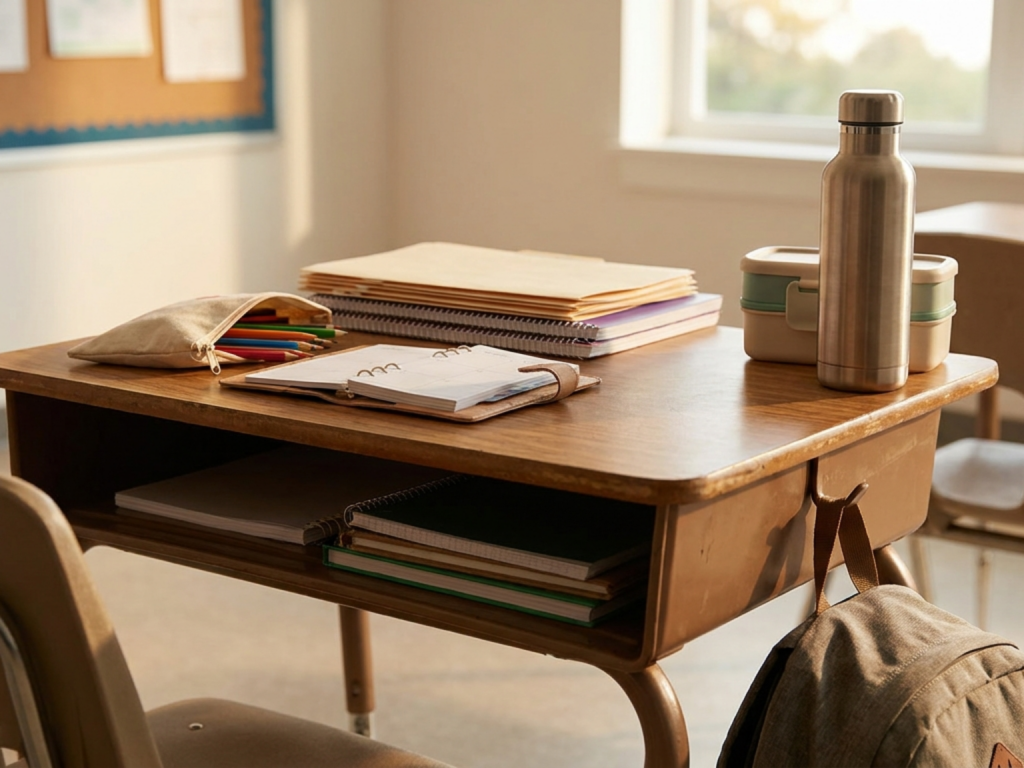
Choosing school supplies can feel surprisingly personal. A pencil is not just a pencil when it affects handwriting fatigue, confidence, classroom participation, or the nightly homework routine. For school-age children, the best products are usually the ones that reduce friction: they are comfortable, durable, easy to find in a backpack, and appropriate for the child’s motor skills, sensory preferences, and school expectations.
Highlights
Kid-approved supplies matter because children are more likely to use tools that feel comfortable, fun, and manageable in real classroom conditions.
The best choices balance function, ergonomics, durability, and safety rather than focusing only on trends or novelty.
Organization tools such as planners, labeled folders, and simple backpack systems can reduce cognitive load for children who are still developing executive function.
For children with pain, sensory sensitivities, attention concerns, or handwriting difficulties, product choices should be discussed with teachers and healthcare professionals when needed.
Start with the child, not the shopping list
The best school products begin with the child’s daily reality: how they write, carry materials, manage transitions, eat lunch, and recover after a long school day. A supply that is excellent for one student may be distracting, uncomfortable, or unnecessary for another. School-age children are developing fine motor endurance, postural control, visual attention, planning skills, and emotional regulation, so supplies should support these skills without making the day feel more complicated.
Before buying, review the teacher’s list and separate required items from optional upgrades. Then consider your child’s age, hand size, sensory profile, and tolerance for clutter. Younger children often benefit from simple, brightly distinguishable items: one folder for take-home papers, thick pencils, blunt-tip scissors, and a pencil box that opens easily. Older school-age children may need binders, dividers, subject notebooks, and a planner to coordinate multiple teachers.
Child-tested recommendations can be helpful because children often notice details adults miss: a pencil that rolls away, a notebook that tears, a backpack zipper that catches, or markers that feel unpleasant in the hand. Product testing involving children, such as large school-supply evaluations, can add practical insight to parent and teacher judgment. Still, the goal is not to buy every award-winning product. The goal is to create a small, reliable system your child can actually maintain.
Writing tools that support comfort and endurance
Writing remains a major school task even in technology-rich classrooms. Pencils, pens, erasers, and grips can influence legibility, hand fatigue, and frustration. For many children, standard number 2 pencils are sufficient, but triangular pencils, thicker barrels, or soft pencil grips may help children who struggle with finger placement or press too hard. A pencil grip can cue a more efficient tripod or modified tripod grasp, although it should not be forced if it causes pain or worsens control.
Mechanical pencils may be useful for older children who prefer a consistent point, but they can frustrate younger students if the lead breaks frequently. Good erasers matter more than many families expect; smudgy erasers can turn a small mistake into a bigger emotional event. Keep a few high-quality block erasers at home and in the school supply pouch.
For children who write slowly, complain of hand pain, avoid written work, or have markedly poor legibility compared with peers, supplies alone may not solve the issue. These signs can reflect fine motor weakness, visual-motor integration difficulty, joint hypermobility, developmental coordination disorder, or other needs that deserve evaluation. Families can ask the teacher what is seen in class and consider consultation with a pediatrician, occupational therapist, or school support team. Non-toxic art supplies for children are also important when choosing crayons, markers, glue, and paints, especially for younger students who may touch their face or mouth during work.
- Useful basics include comfortable pencils, reliable erasers, washable markers, colored pencils, glue sticks, blunt-tip scissors, and a pencil sharpener with a covered shavings compartment.
- For homework, keep duplicates of frequently lost items at home so the evening does not depend on what made it back in the backpack.
- Choose products that match the school’s rules; some classrooms restrict permanent markers, correction fluid, scented items, or sharpeners.
Paper, notebooks, folders, and binders that make work easier to find
Paper supplies are not glamorous, but they shape how children retrieve information. Wide-ruled notebooks are often easier for younger writers because the spacing supports letter formation. College-ruled paper may suit older students who write smaller and need more content per page. Spiral notebooks are convenient, but composition books may be more durable in crowded desks and backpacks. Perforated pages can help if assignments must be turned in cleanly.
Folders should be sturdy and visually distinct. A simple color system can reduce decision fatigue: blue for math, green for science, red for language arts, and one clearly labeled take-home folder. Children who lose papers may do better with fewer categories rather than more. A folder with two pockets labeled “to do” and “turn in” is often more useful than a complex binder system that requires constant maintenance.
Binders are helpful for middle-grade students who receive many handouts, but they require executive function: opening rings, placing papers in the right section, and cleaning out old materials. If a child’s binder becomes a paper avalanche by week three, that is not a character flaw; it is a sign the system is too demanding. Try dividers with pockets, a zipper binder, or one folder per subject instead. School-age organization tools should be visible, simple, and practiced with an adult until the routine becomes automatic.
Backpacks, posture, and carrying safety
A good backpack should fit the child’s torso, have two padded shoulder straps, and ideally include compartments that distribute weight. The heaviest items should sit closest to the back. A chest strap can help some children keep the load stable, especially when walking longer distances. Rolling backpacks can be useful in some settings, but they may be awkward on stairs, buses, crowded hallways, or snowy sidewalks, and some schools do not allow them.
Medical caution is appropriate here. A heavy backpack does not usually cause structural spinal deformity, but it can contribute to neck, shoulder, or back discomfort and poor carrying mechanics. If a child reports persistent pain, numbness, tingling, weakness, gait changes, or pain that wakes them at night, families should consult a healthcare professional rather than assuming the backpack is the only issue.
Practical backpack features include easy-pull zippers, a water-bottle pocket, a lunch compartment or space for a lunch bag, and an interior pocket for a planner or school communication folder. Younger children may need zipper pulls that are easy to grasp. Older children may prefer a more neutral design they will not reject midyear. Durability matters because a ripped seam can turn into lost homework, lost medication forms, or a forgotten permission slip.
- Check the backpack weekly for old food, leaking bottles, broken pencils, and unnecessary weight.
- Teach children to use both shoulder straps rather than carrying the pack on one side.
- Ask the school about keeping duplicate textbooks or digital materials at home if the load is consistently excessive.
Lunch gear, hydration, and hygiene supplies
Lunch supplies should protect food safety and make eating easier within the limited time many children have. Insulated lunch bags, ice packs, leak-resistant containers, and a water bottle that the child can open independently are usually worth prioritizing. Younger children may need practice opening containers before the first week of school. If a child spends half of lunch struggling with packaging, they may eat less than expected and return home irritable or fatigued.
Hydration needs vary with activity, climate, medications, and medical conditions. A sturdy, easy-to-clean water bottle can support regular fluid intake, but families should follow school rules about bottle type and classroom use. For children with diabetes, kidney disease, dysautonomia, recurrent constipation, or other medical concerns, hydration and snack planning should be individualized with the child’s clinician.
Hygiene items can include tissues, hand sanitizer if permitted, spare masks when relevant, and a small pouch for personal care needs. Children with asthma, severe allergies, seizure disorders, or other medical conditions may require school health plans and properly stored medications; these decisions should be coordinated with healthcare professionals and school staff. Supplies should never substitute for a formal emergency plan when one is medically indicated.
Planning tools for executive function and emotional regulation
School-age children are still building executive functions: working memory, inhibition, time estimation, prioritization, and task initiation. A planner, visual schedule, wall calendar, or homework checklist can act as an external scaffold. Daily planners are especially useful when teachers require students to record assignments, but the planner only works if adults help the child use it consistently at first.
For many families, the most effective home learning setup is modest: a predictable place for supplies, a visible schedule, a charging location for school devices, and a short routine for checking the backpack. A five-minute reset after school can prevent the morning scramble. The child can place forms in one tray, put lunch containers by the sink, plug in the device, and restock pencils. This structure can be more effective than a beautiful desk that is rarely used.
Children with attention-deficit/hyperactivity disorder, anxiety, learning disorders, autism, sleep problems, or chronic illness may need additional supports, but those supports should be chosen collaboratively. Timers, noise-reducing headphones, fidgets, or alternate seating can help some children and distract others. If a child’s distress around homework is intense, frequent, or worsening, consider speaking with the teacher, pediatrician, school psychologist, or occupational therapist. A consistent bedtime routine also supports next-day attention, frustration tolerance, and learning readiness.
Technology, art extras, and what to skip
Technology supplies may include headphones, a protective tablet or laptop sleeve, a charger label, and a simple storage routine. For headphones, comfort and volume safety matter. Children should be able to hear instructions when needed, and volume should be kept at safer levels to reduce risk of noise-induced hearing injury. If a child has hearing loss, auditory processing concerns, or uses assistive technology, coordinate with the school and audiology or clinical teams.
Extras can bring joy: colorful sticky notes, fun bookmarks, quality crayons, index cards, highlighters, or a small dry-erase board for spelling and math practice. These items are best when they support learning rather than crowding the desk. For some children, scented supplies, elaborate pencil toppers, or toys in the pencil case become distractions or sensory triggers. It is reasonable to keep novelty items at home if the classroom needs to be simpler.
Skip products that are poorly made, difficult to clean, heavily scented, or not allowed by the school. Also be cautious with small magnets, button batteries, sharp tools, and any item that could pose an ingestion or injury risk for younger siblings at home. The best supply system is not the most expensive one; it is the one your child can use safely, repeatedly, and with growing independence.
Safety and health cautions
- Persistent hand pain, back pain, numbness, weakness, or major handwriting difficulty should be discussed with a healthcare professional.
- Children with allergies, asthma, diabetes, seizures, or other medical conditions need school-specific health plans, not just extra supplies.
- Avoid small magnets, button batteries, sharp tools, and choking hazards around younger siblings.
- Check school rules before sending scented products, medications, sanitizer, permanent markers, or electronic devices.
- If a supply seems to increase distress, sensory overload, or avoidance, ask the teacher or a clinician about better options.
Tools & Assistance
- Create a one-page school supply checklist divided into required, helpful, and optional items.
- Set up a weekly backpack clean-out routine with your child.
- Ask the teacher which supplies are actually used daily before buying extras.
- Consult a pediatrician, occupational therapist, school nurse, or school psychologist when supplies relate to pain, disability, or medical needs.
- Keep a small home homework kit with pencils, erasers, paper, scissors, glue, and a charger.
FAQ
Are expensive school supplies usually better?
Not always. Durability, fit, comfort, and whether the child can use the item independently matter more than price.
Should my child use a pencil grip?
A grip may help some children with finger placement or fatigue, but it should not cause pain or frustration. Ask an occupational therapist if handwriting concerns are significant.
How can I reduce lost papers?
Use fewer categories, color-code folders, and create a daily “to do” and “turn in” routine. Practice the system with your child until it becomes familiar.
What backpack features are most important?
Look for a good torso fit, two padded straps, durable zippers, compartments for weight distribution, and a water-bottle pocket.
What if my child refuses the supplies I bought?
Try to identify the reason: discomfort, embarrassment, sensory dislike, difficulty opening it, or classroom mismatch. Whenever possible, let the child choose between two acceptable options.
Sources
- The New York Times (Wirecutter) — The 15 Winners of Our Kids' Pick Awards
- Scholar Within — Top 10 Back-to-School Supplies: The Ultimate List
- Moments Enriched — The Best School Supplies for Back to School
Disclaimer
This article is for informational purposes only and does not diagnose, treat, or replace medical advice. Consult a qualified healthcare professional for concerns about pain, development, learning, disability, or school health plans.














Please log in to leave a comment.