
Intro
Buying for a child can feel like trying to prepare for every possible spill, fever, scrape, school day, road trip, and emotional wobble. The gentler truth is that most families do not need more gear; they need a smaller set of items that reliably supports safety, hygiene, comfort, medical readiness, and daily function.
This guide focuses on what is actually necessary, not what is trendy. It is written for medically literate caregivers who want practical reasoning, not fear-based shopping lists. Adapt every recommendation to your child’s age, diagnoses, developmental abilities, local climate, and guidance from your pediatrician, nurse, pharmacist, therapist, or school health team.
Highlights
Necessary gear protects airway, circulation, temperature, hydration, safe transport, medication access, and basic hygiene before it adds convenience.
A compact, well-maintained first-aid kit is more useful than a large box of expired or unfamiliar supplies.
Child-specific needs matter: age, mobility, allergies, neurodevelopmental profile, chronic conditions, and school rules should shape the final kit.
The safest gear is easy to find, properly sized, labeled when appropriate, and reviewed regularly.
Start with the purpose, not the product
A useful way to define necessary gear is to ask what risk or daily need the item addresses. For children, the core categories are injury prevention, safe transport, basic medical response, hygiene, nutrition and hydration, sleep, weather protection, communication, and developmental participation. If an item does not clearly support one of these categories, it may still be pleasant or convenient, but it is not essential.
This approach is especially helpful because child-related marketing often turns normal uncertainty into urgency. A caregiver may feel pressure to buy duplicate gadgets, specialized organizers, or every new safety accessory. Yet the essentials are usually simple: a properly sized car seat for vehicle travel, weather-appropriate clothing, a safe sleep surface for younger children, access to clean water, basic wound supplies, and a plan for medication or allergy needs.
The child’s context changes the list. A toddler who climbs needs environmental safety more than school organization tools. A preschooler may need labeled preschool supplies, spare clothing, and a simple comfort item. A preteen may need privacy-supporting hygiene items, sports protective equipment for preteens, and a way to carry emergency information. A teenager may need teen independence gear, menstrual supplies if relevant, and safe storage for prescribed medicines. Necessary gear is therefore not a universal shopping cart; it is a risk-based, age-aware system.
The truly necessary first-aid foundation
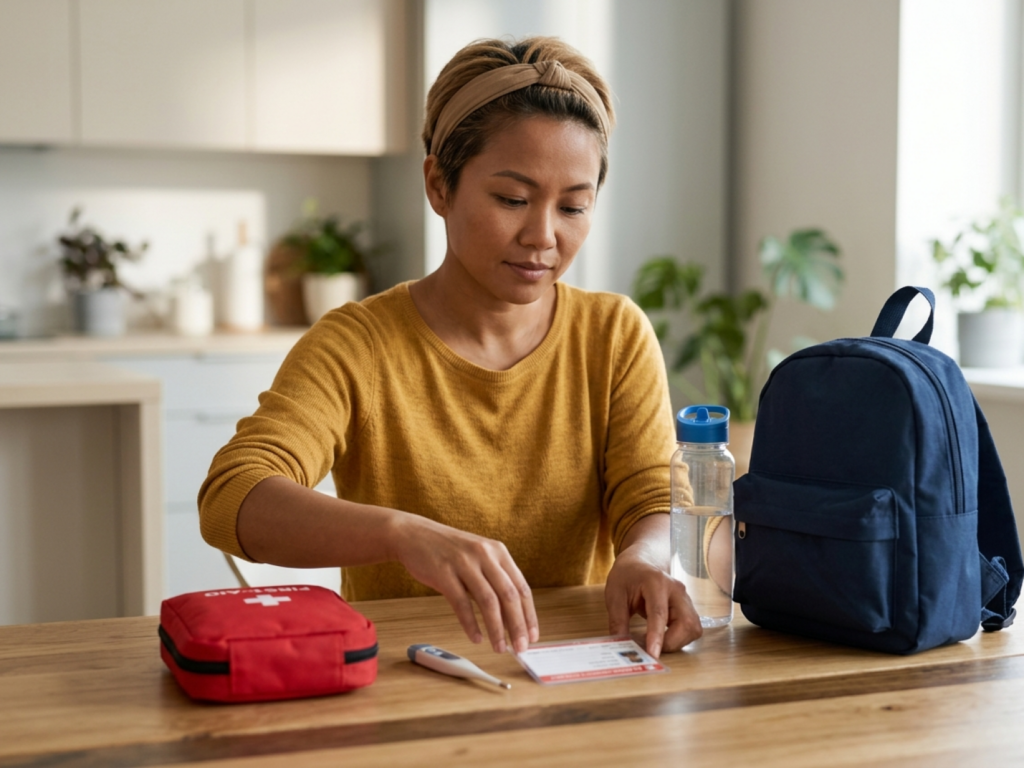
A home first-aid kit should be small enough to use quickly and complete enough to handle common minor injuries while you seek medical help when needed. Core wound-care supplies include adhesive bandages in multiple sizes, sterile gauze pads, roller gauze, adhesive tape, antiseptic wipes or solution, and a simple barrier such as disposable gloves. These items help protect the wound, reduce contamination, and allow gentle pressure for minor bleeding.
Useful tools include blunt-tip scissors, tweezers, a digital thermometer, an instant cold pack, a flashlight, and a breathing barrier for rescue breathing if caregivers are trained to use it. A clean blanket can help with warmth during illness, injury, or waiting for help. Oral rehydration solution packets may be useful during vomiting or diarrhea, especially when dehydration risk is higher, but persistent symptoms in children require clinical advice.
Medication supplies should be conservative and age-appropriate. Many families keep a pediatric dosing device, fever reducer approved by their clinician, and any prescribed emergency medication. Avoid stocking medicines you do not know how to dose safely. Aspirin is generally avoided in children unless specifically directed by a clinician because of the risk of Reye syndrome in certain viral illnesses. Keep all medications in original packaging when possible, check expiration dates, and store them out of reach and ideally locked.
The most overlooked first-aid item is information. Keep emergency contacts, the child’s medical conditions, allergies, medication list, immunization concerns if relevant, and clinician contact details in a known location. If your child has asthma, seizures, diabetes, anaphylaxis risk, adrenal insufficiency, complex cardiac disease, or another condition requiring urgent action, ask the treating team for a written plan.
Everyday safety gear that earns its place
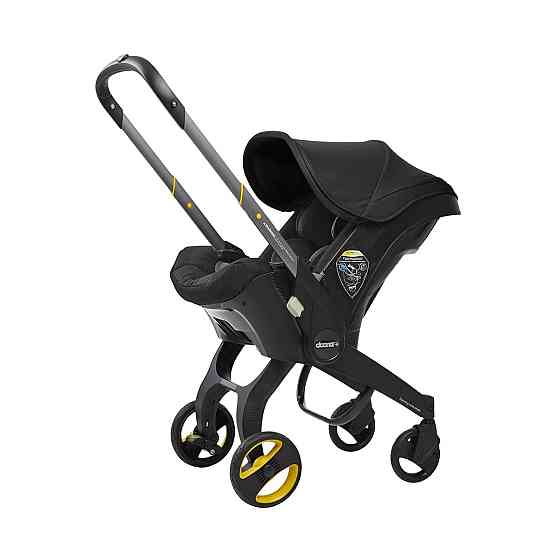
The first everyday safety item is not exciting, but it is non-negotiable: the correct restraint for transport. A properly sized car seat, booster seat, or seat belt setup should match the child’s age, weight, height, and local law, and it should be installed according to manufacturer instructions. If you are unsure, seek a certified car seat check rather than guessing. For biking, skating, scooters, skiing, or contact sports, helmets and sport-specific protective equipment should fit correctly and be replaced after significant impact or according to guidance.
At home, necessary safety gear depends on developmental abilities. For infants and toddlers, this may include outlet covers, furniture anchoring, stair gates where appropriate, cabinet locks for hazards, and locked medication storage. These are not substitutes for supervision, but they reduce the chance that a predictable moment of curiosity becomes an emergency. For older children, safety gear shifts toward skills and access: a charged phone when developmentally appropriate, emergency contact knowledge, and protective equipment for sports or lab classes.
Weather and environmental protection also count as safety gear. A broad-brim hat or shade strategy, broad-spectrum SPF 30+ sunscreen when age-appropriate, insect protection in high-risk settings, warm layers in cold weather, and reflective elements for walking near traffic may matter more than many fashionable accessories. Gear should match the environment your child actually lives in, not an idealized checklist.
Hygiene, hydration, and feeding basics
The essentials for hygiene are simple but powerful: handwashing access, fragrance-free soap when irritation is a concern, toothbrush and fluoride toothpaste appropriate for age, nail clippers, and supplies for toileting or diapering. For children prone to eczema, contact dermatitis, or vulvar irritation, a gentle cleanser and bland moisturizer may be more useful than scented wipes or elaborate bath products. If rashes, recurrent infections, or pain occur, seek medical evaluation rather than rotating products indefinitely.
A spill-proof water bottle is a practical item for school, outings, and sports. Hydration needs vary with age, heat, activity, fever, vomiting, diarrhea, and medical conditions. Water is usually enough for routine hydration; oral rehydration solutions are designed for fluid and electrolyte replacement during gastrointestinal illness, but children with persistent vomiting, lethargy, decreased urination, blood in stool, or signs of dehydration should be assessed promptly.
Feeding gear should support safe eating rather than visual perfection. For younger children, this may include a stable high chair or booster, age-appropriate utensils, and containers that keep food at safe temperatures. For school or childcare, label items, account for allergy policies, and make sure the child can open containers independently if expected. Choking risk remains important: avoid giving small, hard, round, sticky foods to young children unless prepared safely, and supervise meals according to age and development.
School, childcare, and independence gear
For childcare or school, the necessary list is usually shorter than the supply aisle suggests. A well-fitted backpack, weather-appropriate outerwear, spare clothing for younger children, a water bottle, lunch supplies if needed, and any required health documents cover much of daily function. A weekly backpack clean-out routine prevents moldy food, lost notes, expired forms, and unnecessary weight.
Medical and developmental needs should be handled through systems, not just objects. If the child has food allergy risk, asthma, seizures, diabetes, or another condition that may require urgent intervention, ask about a child school health plan and a written allergy action plan when relevant. Clarify school medication rules before sending any medication, including over-the-counter products. Many schools require original packaging, clinician forms, caregiver authorization, and nurse-controlled storage.
Independence gear should match maturity. Some children benefit from visual schedules, noise-reducing headphones, assistive technology for school, adaptive writing tools, or a small hygiene pouch. These are necessary when they allow the child to participate safely and with dignity, not because they appear on a generic list. Involve the child when possible; gear they can use, find, and tolerate is more valuable than gear that looks ideal to adults but stays in a bag.
Medical needs, chronic conditions, and when less is safer
Children with chronic conditions may need gear that is essential for them but unnecessary for others. Examples include inhaler spacers, peak flow meters if prescribed, glucose monitoring supplies, ketone testing supplies, epinephrine auto-injectors, seizure rescue medication, feeding-tube supplies, ostomy supplies, mobility aids, orthoses, hearing technology, or communication devices. These should be selected and taught by the child’s healthcare team. The goal is competence and access, not accumulation.
For emergency medications, the important questions are practical: Is the medication current? Is it stored within the recommended temperature range? Do caregivers know when and how to use it? Is there a backup at school or childcare if recommended? Are instructions written in clear language? A device that nobody feels confident using is a weak link, so ask for demonstration, teach-back, and periodic refreshers.
Sometimes less gear is safer. Avoid unproven monitoring devices that create false reassurance or anxiety, home diagnostic tools you cannot interpret, and medical devices not recommended for your child. Do not use adult equipment for a child unless a clinician confirms it is appropriate. If symptoms are concerning, worsening, or unexplained, the necessary action is clinical assessment, not another product.
Maintaining the gear you already have
Necessary gear only stays useful if it is maintained. Schedule a quarterly check of first-aid supplies, medications, batteries, thermometers, flashlights, emergency contact cards, car seat fit, helmet fit, and school forms. Replace expired medicines, dried-out wipes, damaged bandages, cracked helmets, and outgrown restraints. For seasonal climates, rotate sunscreen, insect protection, warm layers, and rain gear before the season begins.
Storage should be predictable. Keep one main first-aid kit at home and a smaller travel version for the car, stroller, sports bag, or backpack as appropriate. However, avoid storing temperature-sensitive medications in a hot car unless the prescribing team has confirmed it is safe. Make sure babysitters, relatives, coaches, and older children know where essential supplies are and when to call emergency services.
Finally, teach the child gradually. Young children can learn to find a caregiver, wash hands, and say what hurts. Older children can learn emergency contacts, allergy avoidance, inhaler location if relevant, and how to ask for help. Necessary gear works best when paired with calm routines and realistic practice.
Use caution with child health gear
- Call emergency services for severe breathing difficulty, unresponsiveness, major bleeding, seizure emergencies, or signs of anaphylaxis.
- Do not give adult doses or adult-only medications to a child unless a healthcare professional specifically instructs you.
- Keep medicines, sharps, batteries, and chemicals locked away from children.
- Replace expired emergency medications and damaged safety equipment promptly.
- Ask a clinician before relying on home medical devices or interpreting abnormal readings.
Tools & Assistance
- Schedule a pediatric visit to review condition-specific emergency plans.
- Book a certified car seat installation or fit check when available.
- Create a one-page emergency information sheet for home, school, and travel.
- Set a calendar reminder to inspect first-aid supplies and medication expiration dates.
- Ask your pharmacist to review dosing devices and safe medication storage.
FAQ
Do I need a large first-aid kit for a child?
Usually no. A compact kit with wound-care supplies, gloves, a thermometer, basic tools, emergency information, and clinician-approved medications is often more useful than a large kit that is hard to maintain.
What gear is essential for school?
Start with a well-fitted backpack, water bottle, weather-appropriate clothing, required health forms, and condition-specific supplies. Follow school rules for any medication.
Should I buy home monitoring devices for reassurance?
Only if they are recommended for your child and you know how to interpret and act on the results. Unnecessary monitors can create anxiety or false reassurance.
How often should I update child gear?
Review safety and medical gear at least quarterly and whenever your child changes size, starts a new activity, receives a new diagnosis, or changes school or childcare settings.
Sources
- Mayo Clinic — First-aid kits: Stock supplies that can save lives
- Johns Hopkins Medicine — First-Aid Kit
- Healthline — What Medical Supplies Do You Need to Keep at Home?
Disclaimer
This article is for general educational purposes and does not diagnose, treat, or replace care from a qualified healthcare professional. Seek medical advice for child-specific symptoms, medications, devices, or emergencies.













Please log in to leave a comment.