
Intro
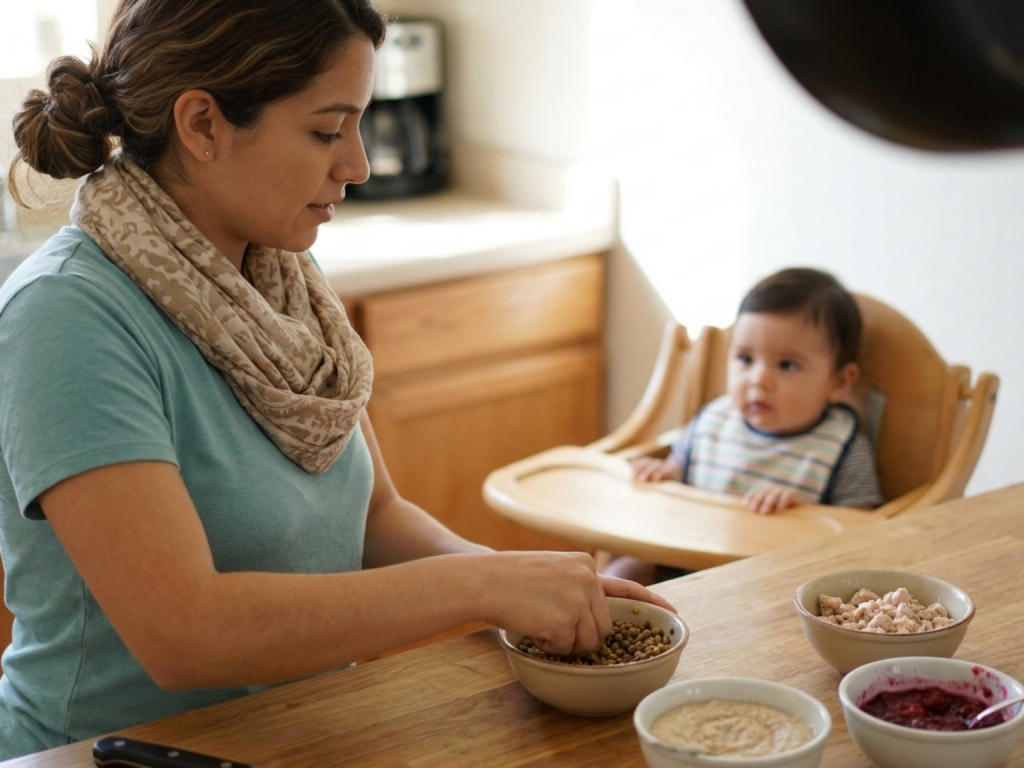
Iron becomes especially important when babies begin complementary feeding, usually around 6 months. Breast milk remains valuable, and infant formula generally provides iron, but solid foods can add iron in forms that support growth, neurologic development, and healthy blood formation.
Choosing first foods does not need to be complicated. A practical approach is to offer iron-rich foods regularly, use developmentally appropriate textures, and pair plant sources with vitamin C-rich foods when possible. Your baby's healthcare professional can help tailor feeding advice for prematurity, medical conditions, growth concerns, or a history of anemia.
Highlights
Offer iron-rich foods regularly after complementary feeding begins, while continuing breast milk or iron-fortified infant formula as advised.
Useful first foods include soft meats, poultry, fish, eggs, iron-fortified infant cereals, beans, lentils, tofu, and dark leafy vegetables.
Iron from animal foods is generally more bioavailable than non-heme iron from plants, but varied plant foods can contribute meaningfully to intake.
Vitamin C-rich foods can improve absorption of non-heme iron from plant foods and fortified cereals.
Texture, supervision, and preparation matter as much as nutrient content when introducing solids.
Why Iron Matters When Solids Begin
Iron is required for hemoglobin synthesis, oxygen transport, cellular energy production, and neurodevelopment. Infants are born with iron stores accumulated during pregnancy, but those stores gradually become less sufficient during the second half of the first year. This is one reason complementary foods are commonly introduced at approximately 6 months, alongside continued breast milk or iron-fortified formula.
Iron deficiency can develop when dietary iron is inadequate, absorption is limited, or an infant has increased needs or other risk factors. Iron deficiency anemia is a clinical condition that requires professional assessment; tiredness, pallor, irritability, or feeding difficulties should not be interpreted at home as proof of anemia. Many infants with low iron do not have obvious symptoms, so routine health supervision and individualized screening recommendations are important.
Food is only one part of the picture. Premature birth, low birth weight, rapid growth, restricted diets, gastrointestinal disorders, and other medical circumstances may change an infant’s iron needs. Discuss these factors with a pediatric clinician rather than starting an iron supplement independently.
The Best Iron-Rich First Foods
Iron-rich foods can be grouped into heme-iron sources, non-heme plant sources, and fortified foods. Heme iron, found in animal tissues, is generally absorbed more efficiently. Non-heme iron is found in plants and fortified products; its absorption varies according to the overall meal and the infant’s physiologic needs.
- Meat and poultry: Tender, thoroughly cooked beef, lamb, poultry, or other meats can be finely minced, pureed, shredded into very soft strands, or incorporated into a moist mash.
- Fish: Fully cooked, low-mercury fish can provide iron and other nutrients. Remove all bones carefully and follow local guidance on suitable fish choices for infants.
- Eggs: Well-cooked egg can be offered in a soft, easy-to-manage form. Egg is nutrient-dense and can fit into a varied complementary-feeding pattern.
- Iron-fortified infant cereal: Fortified cereal can be mixed with breast milk, formula, or another suitable smooth food to achieve an age-appropriate consistency. Check the product label and follow preparation instructions.
- Beans, lentils, and tofu: These foods can be cooked until very soft, then mashed, pureed, or blended into a smooth or appropriately textured mixture.
- Dark leafy vegetables: Spinach and other dark green vegetables contain non-heme iron. Combining them with a vitamin C-rich food can make the meal more useful nutritionally.
Variety is more valuable than searching for one perfect first food. Some families begin with fortified cereal, while others prefer meat, legumes, egg, tofu, or combinations. The choice can reflect family foods, cultural practices, affordability, and the baby’s readiness and tolerance.
Improving Iron Absorption
Iron absorption depends on the form of iron and the meal in which it is served. Heme iron from meat, poultry, and fish is relatively well absorbed. Non-heme iron from beans, lentils, tofu, vegetables, and fortified cereal is more affected by other dietary components, but it remains an important part of infant nutrition.
Vitamin C can enhance non-heme iron absorption. Once a baby is developmentally ready, pair an iron-containing food with a soft vitamin C-rich food such as mashed fruit or a suitable cooked vegetable. Examples include iron-fortified cereal with fruit puree, lentils with soft tomato, or finely minced meat with a vegetable containing vitamin C. These combinations do not need to be elaborate, and a small amount of an accompanying food may still contribute to a balanced meal.
Breast milk or formula continues to provide important nutrition during the transition to solids. Complementary feeding is additive: early solid foods gradually broaden the diet but do not immediately replace milk feeds. Water, juice, cow’s milk as a main drink, and other beverages should be discussed in the context of the baby’s age and overall feeding pattern. Avoid using tea or other drinks that may interfere with iron intake or displace nutrient-dense foods.
Preparation and Texture for Safe Feeding
An iron-rich food is only helpful if a baby can manage its texture safely. Begin when the baby shows developmental readiness, such as sitting with support, maintaining good head and neck control, bringing objects to the mouth, and showing interest in food. Readiness varies, so age alone should not determine the exact starting date.
Prepare foods until they are soft enough to mash easily. Meat may be blended with breast milk, formula, broth, or a vegetable puree to reduce dryness. Beans and lentils should be cooked thoroughly and mashed; whole beans can be a choking hazard. Fish should be deboned, and eggs should be cooked until firm. Fortified cereal should be prepared according to the package directions and offered with a spoon rather than placed in a bottle unless specifically directed by a clinician.
Progression from smooth purees to thicker mashed textures and soft, lumpy foods supports oral-motor learning. Later, appropriately sized soft strips or small pieces can encourage self-feeding. Always keep the baby seated upright and within arm’s reach during eating. Avoid hard, round, sticky, or tough foods that are difficult to chew, and obtain local infant choking-prevention guidance for foods such as meat and legumes.
Responsive feeding is central. Offer a small amount, observe hunger and satiety cues, and allow the baby to decide whether and how much to eat. Mess, grimacing, and variable intake are common during learning. Pressure can make feeding more stressful and does not reliably improve nutrient intake.
Building Iron-Rich Meals Across the Week
Think in terms of repeated opportunities rather than a rigid daily menu. An infant might receive fortified cereal at one meal, soft lentils or tofu at another, and finely prepared meat, poultry, fish, or egg on another occasion. The exact pattern depends on family foods, feeding skills, appetite, and advice from the baby’s healthcare professional.
Simple combinations can make iron-rich foods easier to accept:
- Iron-fortified infant cereal mixed to a smooth consistency with breast milk or formula, alongside mashed fruit.
- Pureed or finely minced poultry blended with a soft vegetable.
- Mashed lentils combined with soft tomato or another vitamin C-containing food.
- Silken tofu mashed with cooked vegetables.
- Well-cooked egg mixed into a soft vegetable or grain-based dish.
Introduce new foods in a calm setting and monitor the baby while eating. Introducing one unfamiliar food at a time may make it easier to identify a reaction, although families should follow current guidance from their clinician, particularly when introducing potentially allergenic foods. A history of eczema, food allergy, or an existing medical condition may justify individualized advice.
Breastfed babies and formula-fed babies may have different baseline iron exposure, but neither group should be managed by assumptions alone. Formula intake can change as solids are introduced, and breast milk remains an important source of nutrition for breastfed infants. Feeding decisions should account for the entire diet, not just one meal or one nutrient.
When to Seek Professional Guidance
Contact a pediatric healthcare professional if your baby has persistent feeding difficulty, refuses most foods, coughs or chokes repeatedly during meals, has poor weight gain, has ongoing vomiting or diarrhea, or appears unusually pale or fatigued. These signs have many possible causes and cannot establish iron deficiency by themselves, but they warrant assessment.
Ask for individualized guidance if your baby was born prematurely, had a low birth weight, has a chronic illness, follows a vegetarian or vegan pattern, has a gastrointestinal condition, or has limited access to iron-rich foods. A clinician may review growth, milk intake, complementary foods, risk factors, and laboratory testing when appropriate. Do not give an iron-containing medicine or supplement unless a qualified healthcare professional recommends the product and dose.
Seek urgent help for severe breathing difficulty, unresponsiveness, a choking episode that does not resolve, or signs of a serious allergic reaction such as facial swelling, widespread hives, repeated vomiting, or breathing problems. Emergency procedures should be learned from a certified infant first-aid or CPR course, because written feeding advice cannot replace hands-on training.
Most families can introduce iron-rich first foods gradually and positively. The aim is not perfection at every meal, but a safe, varied pattern that continues to develop as the baby’s skills and appetite mature.
Safety reminders
- Do not diagnose iron deficiency or anemia from appearance, appetite, or behavior alone.
- Do not start iron supplements without guidance from a qualified healthcare professional.
- Supervise every meal with the baby seated upright and use textures appropriate for current feeding skills.
- Remove bones from fish and prepare meat, eggs, beans, lentils, and vegetables thoroughly.
- Seek urgent help for breathing difficulty, unresponsiveness, or a severe allergic reaction.
Tools & Assistance
- A pediatric appointment to review iron risk factors, growth, and complementary feeding
- A certified infant CPR and choking-response course
- Food labels for checking iron fortification in infant cereals
- A simple feeding record for noting foods, textures, reactions, and milk intake
FAQ
Should every baby start with iron-fortified cereal?
No. Iron-fortified cereal is a convenient option, but soft meat, poultry, fish, egg, beans, lentils, tofu, and other iron-containing foods can also be used when prepared safely. Discuss the best pattern for your baby with a healthcare professional.
Can a breastfed baby get enough iron from complementary foods?
Breast milk remains important, but after about 6 months babies need regular complementary sources of iron. The appropriate foods and whether supplementation is needed depend on individual risk factors and clinical guidance.
Why serve fruit or vegetables with beans or cereal?
Vitamin C-rich foods can improve absorption of non-heme iron from plant foods and fortified cereal. The pairing can be simple, such as cereal with fruit or lentils with a suitable cooked vegetable.
Is liver a good first food because it contains iron?
Liver contains iron, but it is also very high in preformed vitamin A. Ask your baby's healthcare professional about whether and how it fits into the diet rather than offering it routinely without guidance.
When should iron levels be tested?
Testing recommendations vary by country, age, risk factors, and clinical history. A clinician can determine whether screening or laboratory evaluation is appropriate.
Sources
- Centers for Disease Control and Prevention — Iron | Infant and Toddler Nutrition
- MedlinePlus — Anemia caused by low iron - infants and toddlers
- World Health Organization — Complementary feeding and the control of iron deficiency anaemia
Disclaimer
This article provides general educational information and does not diagnose, treat, or replace advice from a pediatric healthcare professional. Seek individualized medical guidance for feeding concerns, anemia risk, supplements, or urgent symptoms.













Please log in to leave a comment.