
Intro
Home is where babies should feel safest, but it is also where many preventable injuries occur. This can feel overwhelming, especially because infants change quickly: a baby who only lay on a blanket last week may suddenly roll, grab a cord, pull to stand, or put a tiny object in their mouth. The goal is not to make parents anxious; it is to help caregivers think ahead and reduce risks before a baby reaches the next developmental milestone.
Babies are physiologically vulnerable because their airways are small, their swallowing coordination is immature, their skin is delicate, and they cannot reliably move away from danger. They also explore with their mouths. A safe home environment focuses on preventing suffocation, choking, poisoning, burns, drowning, falls, entrapment, and ingestion injuries while keeping emergency contacts and pediatric guidance accessible.
Highlights
The most serious home hazards for babies often involve breathing: unsafe sleep surfaces, soft bedding, plastic bags, cords, and small objects can cause suffocation or choking.
Poisoning prevention requires locked storage for medicines, cleaning products, cannabis or nicotine products, and other chemicals, not just placing them high on a shelf.
Furniture, televisions, stairs, windows, hot liquids, bath water, button batteries, and magnets can cause rapid, severe injury and deserve special attention.
Baby-proofing works best when it is repeated often, because each new motor skill creates new access to household dangers.
Start with the baby’s airway and sleep space
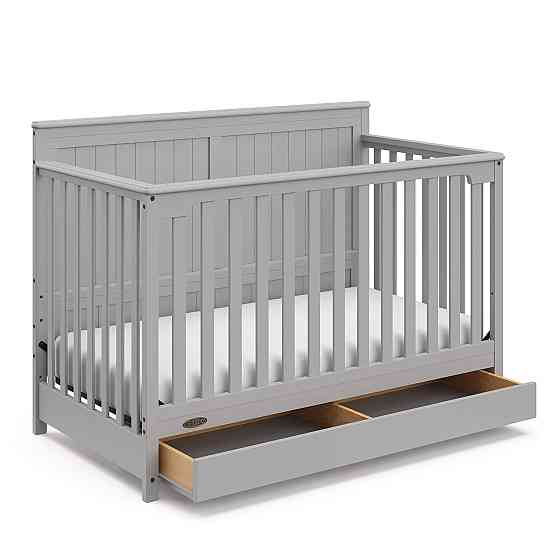
For infants, the airway is the first safety priority. Babies have small, easily obstructed airways and limited ability to reposition themselves when breathing is compromised. Unsafe sleep environments are therefore among the most important dangers at home. A baby should sleep on a firm, flat, separate sleep surface designed for infants, without pillows, quilts, loose blankets, stuffed toys, bumper pads, positioners, or soft padding. Adult beds, couches, recliners, and cushioned chairs are especially risky because they can create soft-surface suffocation, wedging, or entrapment.
Loose bedding and soft objects can cover the nose and mouth or cause rebreathing of exhaled air. Strings from clothing, pacifier clips, window blind cords, monitor cords, and electrical cords near the sleep area can also become strangulation hazards. Keep cords well away from cribs and changing tables, and avoid clothing with drawstrings around the neck. Weighted blankets, weighted sleep sacks, or heavy objects are not appropriate for infants unless a qualified clinician gives specific guidance for a medical device or therapeutic situation.
Choking hazards are often ordinary objects
Babies explore by mouthing, which is developmentally normal but risky. Any object small enough to fit into a baby’s airway can become a choking hazard. Common examples include coins, beads, pen caps, small toy parts, jewelry, screws, hair clips, dried food pieces, pet kibble, and pieces from older siblings’ toys. Latex balloons and torn balloon fragments are particularly dangerous because they can mold to the airway and be difficult to remove.
Food can also obstruct the airway. Hard, round, sticky, or slippery foods require age-appropriate preparation and supervision. Caregivers should avoid feeding while a baby is lying down, crawling, laughing, or crying. Babies should be seated upright and watched closely during meals. Families with older children may need a “small parts zone” that is inaccessible to the baby, because a floor that looks clean to an adult may still contain a single bead or toy wheel at infant eye level.
Regularly get down on the floor and scan rooms from a baby’s perspective. This simple habit reveals many hazards adults miss: under-sofa objects, loose batteries, dropped pills, torn plastic packaging, and cords behind furniture.
Button batteries, magnets, and plastic bags need special caution
Some ingestion hazards are medically urgent even when the baby initially seems well. Button batteries can lodge in the esophagus and cause caustic tissue injury through an electrical current and alkaline reaction. Serious damage can occur quickly. Remote controls, thermometers, hearing aids, key fobs, watches, flameless candles, musical greeting cards, and small electronic toys may contain these batteries. Battery compartments should be screwed shut, and loose batteries should be stored in locked containers.
High-powered magnets are another serious hazard. If more than one magnet is swallowed, or if a magnet is swallowed with another metal object, the pieces can attract across bowel walls, causing pressure necrosis, perforation, obstruction, or infection. This is not a “wait and see” situation. Caregivers should seek urgent medical advice if magnet ingestion is suspected.
Plastic bags, dry-cleaning bags, packaging film, and deflated balloons can cause suffocation. Keep them out of reach and discard packaging promptly. The same applies to plastic wrap and thin food bags in kitchens. These items seem harmless because they are light and common, but they can cling to a baby’s face and block breathing.
Poisoning risks include medicines, cleaners, and everyday substances
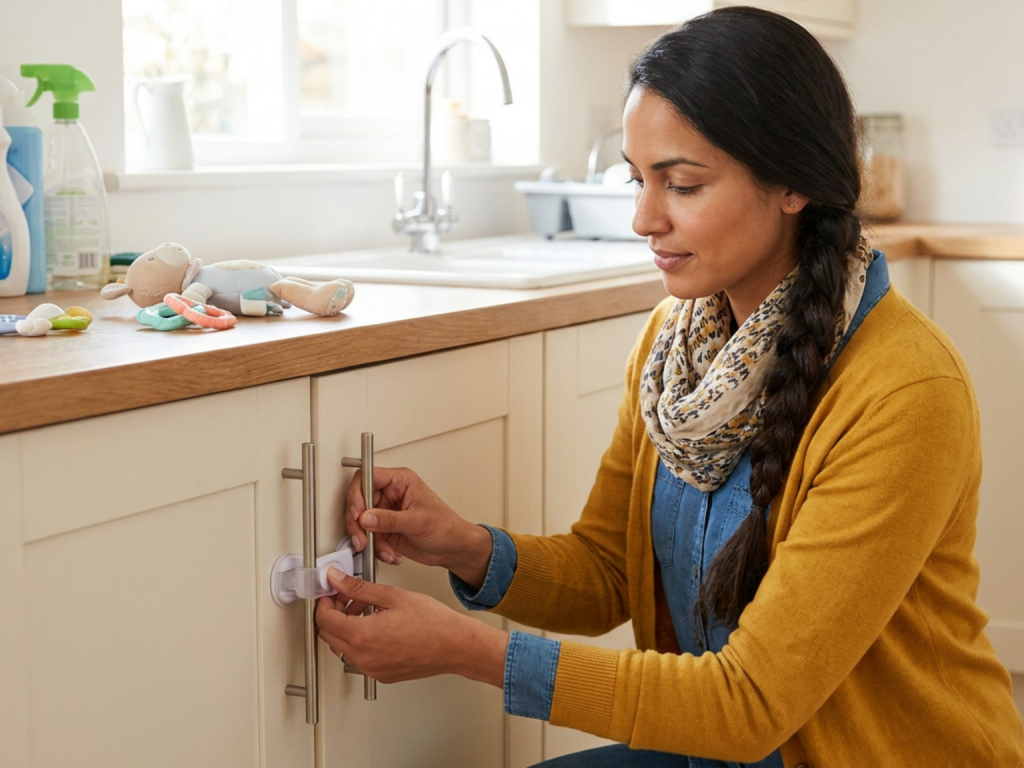
Poisoning prevention should assume that a curious baby may eventually reach higher, open drawers, or manipulate containers. Store medications, vitamins, supplements, cleaning products, laundry pods, dishwashing detergent, alcohol, nicotine products, cannabis products, pesticides, essential oils, and automotive chemicals in locked cabinets. “Child-resistant” packaging is not child-proof; it only slows access.
Visitors’ bags are a common blind spot. A purse, backpack, or coat pocket may contain tablets, inhalers, nicotine gum, hand sanitizer, or cosmetics. Keep bags off the floor and out of reach. Also be cautious with plants, fragrance oils, and personal care products. Even substances marketed as natural can irritate mucous membranes, depress breathing, cause vomiting, or affect the nervous system, depending on the amount and ingredient.
If poisoning is suspected, do not induce vomiting or give home remedies unless instructed by poison-control or a clinician. Call poison control or emergency services according to local guidance, especially if the baby has breathing difficulty, altered responsiveness, repeated vomiting, seizures, or exposure to a high-risk product. Keep the product container available so professionals can identify ingredients and concentration.
Falls, tip-overs, and walkers can injure a baby fast
Falls are common as babies learn to roll, sit, crawl, cruise, and climb. Never leave a baby unattended on a changing table, bed, couch, countertop, or chair, even for a moment. Use safety straps when available, but do not rely on them as a substitute for one hand on the baby. Place supplies within reach before diaper changes or baths.
Anchor dressers, bookcases, and televisions to the wall. Furniture tip-overs can cause crush injuries, traumatic brain injury, or death. Babies may pull on drawers or shelves before caregivers expect them to climb. Keep heavy items low, avoid placing tempting objects on top of furniture, and secure cords that could be pulled.
Baby walkers with wheels are dangerous because they allow infants to move faster than their protective reflexes and judgment can handle. They can lead to stair falls, burns, poisoning, or collisions. Stationary activity centers are safer when used briefly and under supervision, but they should not replace floor time that supports normal motor development.
Burns and scalds often happen in kitchens and bathrooms
Baby skin is thinner than adult skin, so scalds can occur at lower temperatures and with shorter exposure times. Hot drinks are a major risk: coffee, tea, soup, or formula can spill when a baby grabs a cup, tablecloth, or caregiver’s arm. Keep hot liquids away from the edge of tables and counters, avoid holding a baby while cooking or carrying hot food, and turn pot handles toward the back of the stove.
Check bath water temperature before placing a baby in the tub. Water that feels merely hot to an adult can burn an infant. During bathing, maintain direct supervision and keep one hand close enough to stabilize the baby. Baby bath safety is particularly important because drowning can be silent and can occur in very shallow water. Drain tubs, buckets, and basins immediately after use.
Electrical burns and shocks are also possible. Use outlet covers or tamper-resistant outlets, keep appliance cords out of reach, and avoid leaving plugged-in hair tools, chargers, or kitchen appliances dangling from counters.
Room-by-room habits make safety easier to maintain
A safer home is built through routines, not a single checklist. In the kitchen, lock chemicals, secure sharp tools, keep small magnets and batteries away from counters, and create a safe place for the baby during cooking. In bathrooms, lock medications and cleaners, close toilet lids, empty water containers, and supervise every second around water.
In bedrooms and living areas, keep the crib clear, anchor furniture, cover outlets, manage cords, and remove small objects from floors. In laundry areas, lock detergent pods and chemicals because their bright colors and soft texture can attract young children. In garages or utility spaces, restrict access to fuels, paint, solvents, tools, and pest-control products.
Food safety also belongs in home safety. Honey before 12 months is avoided because infant botulism from honey can occur when Clostridium botulinum spores germinate in an infant’s immature gut and produce toxin. Caregivers should also maintain feeding equipment hygiene and avoid under-cleaning baby risks in bottles, pump parts, pacifiers, and high-touch household surfaces, especially during illness seasons.
When to get medical help
Caregivers should seek urgent medical advice after suspected ingestion of a button battery, magnet, medication, chemical, nicotine, cannabis product, or unknown substance. Emergency evaluation is also appropriate for choking with persistent coughing, color change, noisy breathing, drooling, inability to swallow, lethargy, seizures, burns involving the face or hands, significant falls, or any episode where the baby is not acting normally.
After an injury, avoid assuming that crying or sleepiness is automatically reassuring. Babies cannot describe pain, dizziness, nausea, or breathing symptoms. If you are unsure, contact your pediatrician, an after-hours pediatric triage line, poison control, or emergency services. For illness-related concerns, baby fever red flags, persistent vomiting or diarrhea, fewer wet diapers than usual, or signs of dehydration in babies should also prompt timely medical guidance.
Urgent home danger signs
- Suspected button battery or magnet ingestion needs urgent medical advice, even if the baby looks well.
- Any choking episode with blue color, weak cry, persistent cough, or breathing difficulty is an emergency.
- Do not induce vomiting after suspected poisoning unless poison control or a clinician instructs you to do so.
- Never leave a baby alone on a high surface, in bath water, or near an uncovered water container.
- Seek prompt care after significant falls, burns, altered responsiveness, seizures, or unusual lethargy.
Tools & Assistance
- Save poison control and emergency numbers in every caregiver’s phone.
- Use cabinet locks, furniture anchors, outlet protection, and cord shorteners before the baby becomes mobile.
- Create a small-parts check routine for floors, couch cushions, diaper bags, and older siblings’ play areas.
- Ask your pediatrician about age-appropriate feeding, sleep safety, and injury prevention at well-baby visits.
- Review CPR and choking first aid from a certified local instructor or healthcare organization.
FAQ
What is the most dangerous room for a baby at home?
There is no single room that is always most dangerous. Kitchens, bathrooms, bedrooms, laundry areas, and living rooms each contain different hazards, including burns, drowning, poisoning, unsafe sleep, choking, and tip-overs.
When should baby-proofing start?
Start before the baby can roll or crawl. Development can change quickly, and prevention is easier than reacting after a baby has already reached cords, small objects, stairs, drawers, or furniture.
Are child-resistant caps enough to prevent poisoning?
No. Child-resistant packaging can delay opening but is not child-proof. Medicines, vitamins, cleaners, nicotine products, and chemicals should be locked away and kept in original containers.
What should I do if my baby may have swallowed something dangerous?
Call poison control, your pediatrician, or emergency services based on the suspected object and symptoms. Button batteries, magnets, medications, chemicals, and unknown substances require prompt professional guidance.
Can a baby drown in shallow water?
Yes. Babies can drown silently in very shallow water, including bathtubs, buckets, toilets, and basins. Direct supervision and immediate draining of water containers are essential.
Sources
- Nationwide Children's Hospital — Home Safety for Infants and Toddlers
- First Things First — Household Safety for Babies
- Banner Health — Things That Are Dangerous for Babies and Toddlers
Disclaimer
This article is for general educational purposes only and does not replace medical care. For suspected poisoning, ingestion, injury, breathing difficulty, or urgent symptoms, contact poison control, emergency services, or your child’s healthcare professional.













Please log in to leave a comment.