
Intro
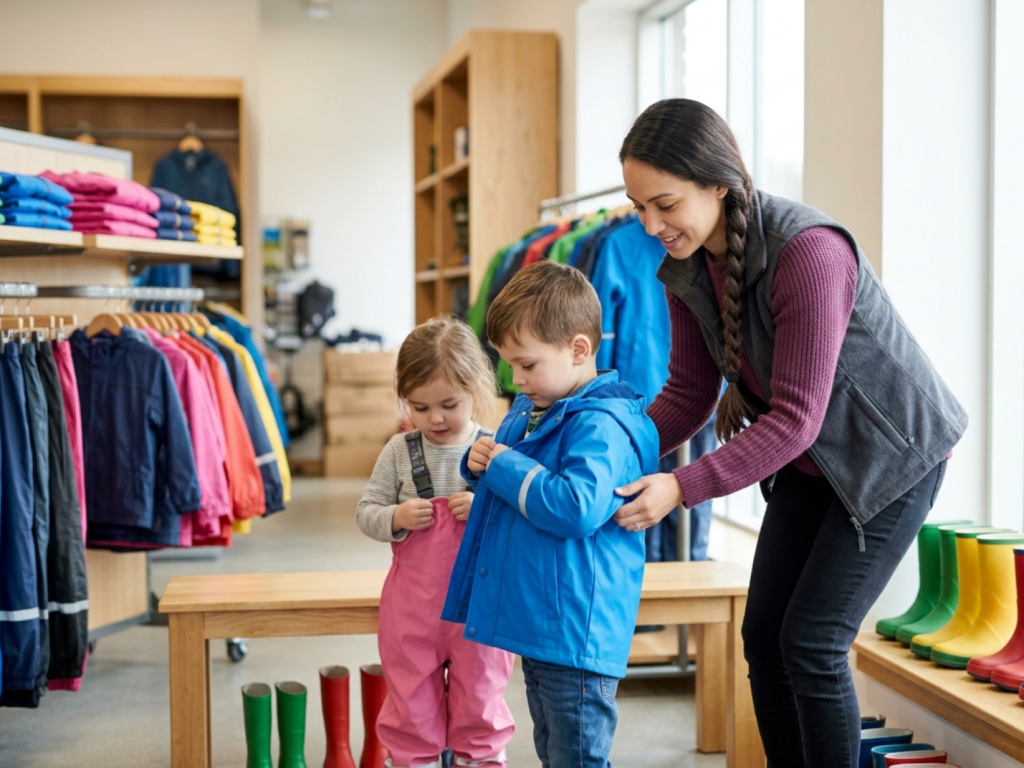
Rainy days can be wonderful for children: puddles, fresh air, and outdoor play all support movement, mood, and sensory learning. They can also create practical worries for caregivers, especially when a child gets cold quickly, dislikes certain textures, has eczema-prone skin, or needs gear that works for daycare, school, hiking, cycling, or sports sidelines.
Highlights
The best rain gear depends on age, mobility, and intensity of activity, not just the size printed on the label.
Waterproof protection is different from breathability; active children usually need gear that lets heat and moisture escape.
Fit matters medically and practically because restricted movement, overheating, wet base layers, and poor visibility can all affect comfort and safety.
Children with eczema, sensory sensitivities, asthma, or temperature regulation concerns may need extra planning and clinician input.
Start with the child, not the forecast
Choosing rain gear is easier when you begin with your child’s age, motor skills, sensory preferences, and planned activity. A toddler walking to daycare for ten minutes has different needs from a nine-year-old hiking in steady rain or a teen cycling to practice. Rain gear should keep external water out while allowing enough movement and, for active children, enough moisture vapor escape to reduce sweat accumulation.
Caregivers often feel pressure to buy the most technical item available, but the most effective choice is the one the child will actually wear correctly. For younger children, simplicity and coverage may matter more than advanced fabric technology. For older or highly active children, breathability, articulation at knees and elbows, and adjustable openings become more important. This is similar to choosing other developmentally appropriate child products: the safest and most useful option fits the child’s current abilities and environment rather than an idealized checklist.
Also consider the health context. Children have a relatively high surface-area-to-body-mass ratio compared with adults, so they may lose heat faster when wet and windy. At the same time, active children can overheat under non-breathable rainwear. The goal is a flexible system: waterproof outer protection, comfortable layers underneath, and the ability to vent or remove items when activity level changes.
Infants and young toddlers: warmth, dryness, and safe simplicity
For infants and early walkers, rain gear is usually about protection during stroller rides, carrier use, daycare transfers, and brief outdoor exploration. Because infants should not be overdressed or covered in ways that impair breathing, visibility, or safe positioning, caregivers should prioritize simple outer protection and safe layering rather than bulky, complicated outfits.
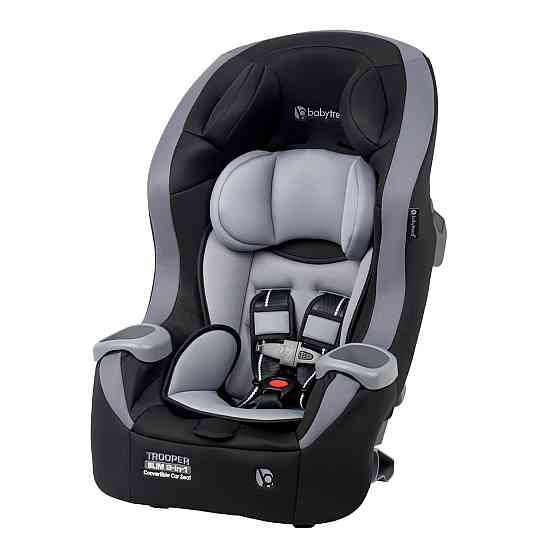
Rainwear is available even for infancy, but it should be used thoughtfully. A one-piece rain suit can reduce gaps at the waist and wrists when a child is crawling or toddling outdoors. However, it should not interfere with car-seat harness fit; bulky outerwear generally needs to be removed before buckling a child into a car seat. For stroller use, a weather shield designed for the stroller may be more practical than dressing the infant in heavy waterproof layers, provided ventilation is maintained.
Younger toddlers often do well with affordable rain slickers or simple waterproof suits because their activity is usually lower intensity and caregivers are nearby to adjust clothing. Look for soft cuffs, easy closures, and enough room for a thin insulating layer. Avoid drawstrings around the neck, detachable small parts that could become choking hazards, and oversized hoods that slide over the eyes. If a child has eczema-prone skin, choose smooth inner layers and consider breathable base layers for children to reduce sweat and friction against the skin.
Preschoolers: puddle play and independent dressing
Preschoolers often need rain gear that supports messy, repetitive, joyful play. They may kneel, squat, run, sit on wet surfaces, and repeatedly splash through puddles. At this age, coverage and durability usually matter more than minimalist design. Rain pants or bib-style waterproof trousers paired with a jacket can keep water from entering at the waist and allow caregivers to replace one piece if it becomes muddy or outgrown.
Independence is also important. Large zipper pulls, snaps that are not too stiff, elastic cuffs, and clearly distinguishable front and back help preschoolers participate in dressing. This supports self-care skills while reducing morning conflict. If a child attends forest school, outdoor preschool, or spends long periods outside, a two-piece set may be easier for toileting and temperature adjustment than a one-piece suit.
Traditional waterproof rainwear can work well for low-intensity puddle play, but it is often less breathable. If a preschooler runs continuously, complains of being wet inside the jacket, or develops heat rash-like irritation after play, the issue may be trapped perspiration rather than rain leakage. In that case, consider a breathable shell or lighter layering. Persistent rash, wheeze, unusual fatigue, or significant cold intolerance should be discussed with a pediatric clinician rather than managed only by changing clothing.
School-age children: fit, function, and activity variety
School-age children usually move between settings: walking to school, recess, sports practice, field trips, camping, and waiting at bus stops. Their rain gear needs to be versatile and acceptable to them socially as well as physically. Involving the child in choices can improve adherence; even excellent gear fails if it stays in a backpack.
For everyday school use, a waterproof jacket with a secure hood, adjustable cuffs, and enough length to cover the lower back is often the foundation. Rain pants are helpful for children who walk long distances, play outdoors in wet grass, or attend programs where outdoor time continues in poor weather. For children who are moderately active, breathable shell clothing is usually more comfortable than fully non-breathable rubberized rainwear because it allows internal moisture to escape.
Fit should allow shoulder flexion, elbow bending, squatting, and backpack use without pulling at seams. Sleeves that extend over the hands or trousers that drag under shoes can increase fall risk. Reflective details are valuable in dim rain, especially near roads. This age group often benefits from thinking about age-appropriate activities for children: the child who mostly walks between buildings needs different protection from the child who spends two hours climbing, running, and exploring outdoors.
If your child has asthma or exercise-induced bronchoconstriction, rain and cold air may interact with exertion for some children. Rain gear cannot treat respiratory symptoms. Follow the child’s clinician-provided asthma action plan, and seek medical advice for wheezing, chest tightness, recurrent cough with exercise, or symptoms that limit participation.
Preteens and teens: performance, autonomy, and body changes
Preteens and adolescents often have stronger preferences about style, weight, and packability. They may also engage in higher-output activities such as cycling, hiking, running, field sports, commuting independently, or outdoor camps. For these children, breathable waterproof shells, ventilation features, sealed or protected seams, and activity-specific fit become more important.
A teen cyclist may need a longer back hem, reflective areas, and cuffs that do not interfere with braking. A hiker may need a pack-compatible jacket, adjustable hood, and rain pants that can be pulled on over footwear. A child standing on a sideline may need warmer mid-layers under a waterproof outer shell. Autonomy matters: teach adolescents to check weather, pack dry socks, and recognize early signs of chilling or overheating.
Puberty can change sweating patterns, body shape, and sensory tolerance. A jacket that fit last season may suddenly restrict movement across the shoulders or hips. Adjustable garments can extend use, but rainwear that is too tight can compress insulation layers and increase discomfort. For children with sensory-sensitive children’s clothing needs, involve them in testing cuffs, seams, hood tension, and fabric sound before relying on the garment for a full day outside.
Match gear to activity intensity
Activity level is the simplest way to decide how technical the rain gear needs to be. For low activity, such as stroller rides, short walks, or waiting briefly outdoors, waterproof coverage and warmth are the priorities. Traditional rain jackets, slickers, and rain boots may be sufficient, especially for younger children who are closely supervised.
For moderate activity, such as school recess, outdoor preschool, nature walks, or playground time, children need both coverage and mobility. A jacket plus waterproof trousers or bibs can protect against wet slides, grass, and puddles. Breathability becomes more relevant because children alternate between running and resting. Choose layers that can be opened, removed, or adjusted quickly.
For high activity, such as hiking, cycling, sports training, or long outdoor learning days, prioritize waterproof-breathable shell clothing, ventilation options, secure closures, and non-restrictive patterning. Sweat trapped inside rainwear can make a child damp, chilled, and irritable once activity stops. A moisture-wicking base layer, an insulating mid-layer when cold, and a breathable waterproof outer layer usually work better than one heavy garment. This is where broader principles of clothing for children apply: comfort, safety, skin tolerance, and movement all matter together.
Safety details caregivers should not overlook
Rain gear should reduce risk, not create new hazards. Hoods should move with the child’s head or be adjustable enough that peripheral vision remains clear. For road-adjacent walking, school commuting, or cycling, bright colors and reflective elements improve visibility in low light. Footwear should have flexible soles with traction; very stiff boots can make toddlers trip, while worn soles can slip on wet pavement.
Check closures and cords carefully. Neck drawstrings are unsafe for young children because of strangulation risk, and dangling cords can catch on playground equipment. Mittens or gloves may be useful in cold rain, but they should not prevent a child from gripping handlebars, climbing safely, or using mobility aids. Backpacks can create pressure points and expose the lower back if the jacket is too short, so test the full outfit before a wet school morning.
Finally, rehearse the system. Have the child squat, reach overhead, run a few steps, sit, and zip or unzip the jacket. Pack a dry backup layer for prolonged outings. If your child has a medical condition affecting thermoregulation, circulation, mobility, or skin integrity, ask the healthcare team for individualized guidance before extended cold, wet activities.
When to be extra cautious
- Seek urgent care for hypothermia signs such as marked lethargy, confusion, persistent shivering followed by drowsiness, or very cold pale skin.
- Consult a clinician for wheezing, chest tightness, or exercise-limiting cough in rainy or cold conditions.
- Do not use bulky rain or winter outerwear under a car-seat harness unless the car-seat manufacturer specifically permits it.
- Avoid neck drawstrings, loose cords, and small detachable parts in young children’s rain gear.
- Ask a healthcare professional about persistent rashes, skin breakdown, or severe sensory distress related to clothing.
Tools & Assistance
- Keep a seasonal rain-gear checklist near the coat area or school bag.
- Do a five-minute movement test at home before the first rainy outing.
- Pack dry socks and a thin spare base layer for long outdoor days.
- Ask daycare, school, or outdoor program staff what rainwear works best for their setting.
- Consult your child’s pediatrician, dermatologist, pulmonologist, or occupational therapist when symptoms or sensory needs affect clothing choices.
FAQ
Are rain slickers enough for toddlers?
Often, yes. For brief, low-intensity play, a simple waterproof slicker or suit can be practical and affordable, as long as it fits safely and allows movement.
When does a child need breathable rain gear?
Breathable waterproof shells are most useful for children who run, hike, cycle, or spend long periods outdoors because they reduce sweat accumulation inside the garment.
Should rainwear be sized up?
A little room for layers is helpful, but oversized sleeves, hoods, or trousers can impair vision, grip, and walking safety.
What if my child refuses rain gear because it feels uncomfortable?
Validate the discomfort, test different cuffs and linings, and consider sensory-friendly options. If distress is severe or limits daily life, an occupational therapist may help.
Sources
- REI Co-op — How to Choose Kids' Rain Gear
- Boozt — Kids rainwear guide
- Tretorn — How to Dress Children for Rain and Slush
Disclaimer
This article is for general educational purposes only and does not replace medical advice. Consult a qualified healthcare professional for symptoms, chronic conditions, skin reactions, respiratory concerns, or individualized safety guidance.















Please log in to leave a comment.