

Intro
Children’s products can feel reassuring because they are marketed for babies, toddlers, and school-age children. Yet a label, a cheerful package, or a familiar store does not always mean a product is appropriate for a child’s age, developmental stage, or home environment. Families are often trying to make good decisions with limited time, changing regulations, and strong advertising messages.
This article separates common myths from facts about children’s products, including toys, nursery items, recreational equipment, and digital products. It is written for medically literate readers who understand that injury prevention depends on biomechanics, neurodevelopment, supervision, product design, and timely response to recalls.
Highlights
A product can be legal to sell and still carry preventable risks for a specific child or setting.
Recalls are important but incomplete; many recalled products remain in homes, resale markets, or childcare spaces.
Age labels are risk-management tools, not guarantees that every child in that age group can use a product safely.
Digital product safety needs the same evidence-based thinking as physical product safety: verify claims, avoid panic, and watch for real harms.
Why product myths persist
Parents and caregivers are not careless when they believe product myths; they are often responding to credible-looking cues. A product may be sold in a major store, promoted by influencers, described as pediatrician-approved, or packaged with calm images of sleeping infants or active children. These cues can reduce perceived risk even when the underlying hazard is not obvious.
Injury prevention is difficult because children are dynamic users. Infants explore with their mouths, toddlers climb and pull, preschoolers imitate older children, and school-age children may use products creatively or impulsively. A product that seems benign during adult demonstration can become hazardous when combined with immature motor planning, high curiosity, small airways, limited risk appraisal, or inadequate supervision.
Evidence-based safety thinking is similar to Learning myths vs facts: a statement can sound sensible and still fail when tested against outcomes. Product decisions should be guided by injury patterns, recall history, developmental fit, and the child’s actual environment, not only by packaging or popularity.
Myth: If it is sold in a store, it must be safe
Fact: Legal sale is not the same as individualized safety. Standards may reduce known risks, but they cannot eliminate every hazard, and they may lag behind new product designs. Some products reach families before problems are recognized through injury reports, consumer complaints, litigation, or post-market surveillance.
Children’s product injuries may involve choking, strangulation, falls, entrapment, burns, poisoning, drowning, lacerations, or blunt trauma. The mechanism can be subtle: a small detachable component, a cord near a sleep space, a tip-over hazard, a magnet that can perforate bowel when swallowed, or a flotation product that creates a false sense of security.
A practical approach is to treat purchase as the beginning of safety evaluation, not the end. Before using a product, check the model number, read warnings fully, inspect for detachable parts, and consider how the youngest or most impulsive child in the home might interact with it. For secondhand products, be especially cautious because missing instructions, expired components, prior damage, and unrecognized recalls are common.
Myth: Recalls remove dangerous products from children’s lives
Fact: Recalls help, but they are imperfect public-health tools. Many families never hear about them, move homes, receive products secondhand, discard packaging, or cannot identify the exact model. Recalled items may also circulate through online marketplaces, garage sales, donation centers, and informal family hand-me-downs.
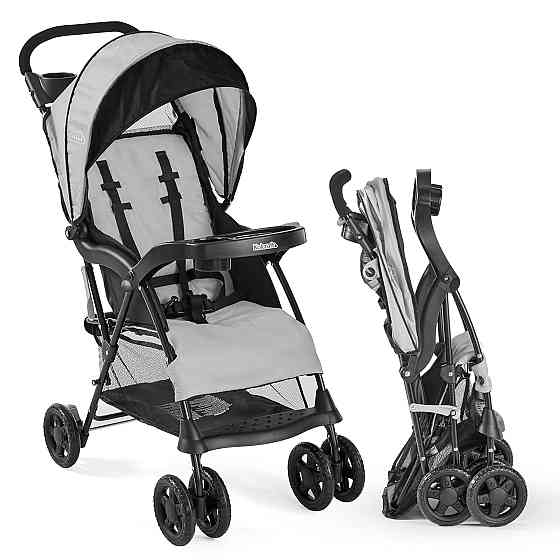
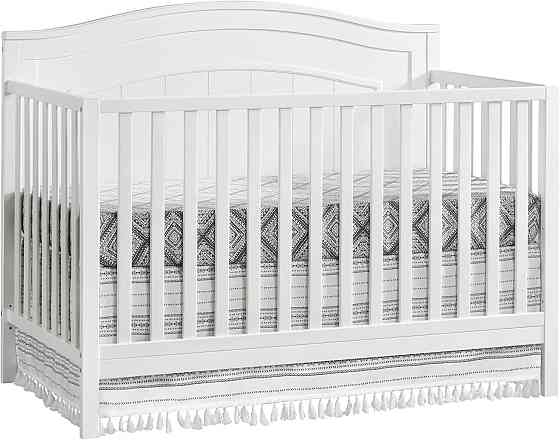
For clinicians and caregivers, recall awareness matters because exposure can persist long after the public announcement. A recalled crib, inclined sleeper, high chair, stroller, toy, or helmet may look normal. The risk may depend on a defect that is hard to see, such as weak fasteners, unstable geometry, excessive lead content, or a design that promotes unsafe infant positioning.
Set a recurring routine: register major children’s products when possible, save model and lot numbers, photograph labels, and check official recall databases before accepting used items. If a product is recalled, stop using it until the remedy is confirmed. Do not attempt home repairs unless the recall instructions specifically direct that action.
Myth: Age labels are enough to judge safety
Fact: Age labels are helpful but incomplete. They may reflect choking risk, expected motor skills, cognitive demands, or regulatory categories, but they cannot account for every child’s development, medical history, siblings, or supervision context. A toy labeled for ages three and older may still be unsuitable for a child who mouths objects, has developmental delay, has pica, or plays near an infant sibling.
Developmental fit should include airway risk, fine motor control, balance, strength, impulse control, sensory seeking, and ability to follow safety rules. For example, small parts, button batteries, high-powered magnets, long cords, projectile toys, ride-on products, water toys, and trampolines all require more than a quick glance at the age range.
Families can use a layered question set: What is the worst plausible misuse? Could a younger child access it? Can it break into smaller pieces? Does it require protective equipment? Is supervision realistic in the setting where it will be used? If the answer raises concern, choose a safer alternative or ask a pediatric clinician, occupational therapist, poison center, or certified safety specialist for guidance.
Myth: Supervision can compensate for risky design
Fact: Supervision is essential, but it is not a substitute for safer design. Serious injuries can occur in seconds, even with attentive adults nearby. A caregiver may turn to answer a door, help another child, prepare food, or respond to a phone call. Products intended for sleep, water, heights, wheels, or heat exposure should be designed so that a brief lapse does not predictably become catastrophic.
This is particularly important for infant sleep products. Babies have immature airway protective reflexes, limited head control, and vulnerability to positional asphyxia. A product that encourages chin-to-chest positioning, soft bedding, restraint-related slumping, or rolling into a compromised posture can create danger even when an adult is in the home.
The safest strategy is hierarchy-of-controls thinking: eliminate the hazard when possible, substitute a safer product, use engineering safeguards, follow instructions, and supervise. Supervision remains the final layer, not the only layer.
Myth: Outdoor and summer products are harmless if they look fun
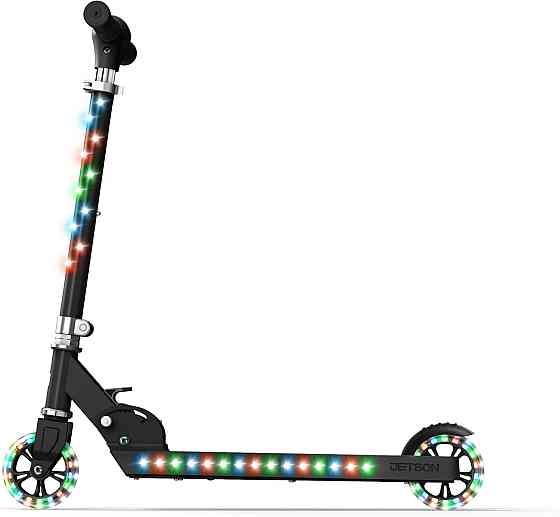
Fact: Recreational products can hide high-energy mechanisms. Scooters, bikes, hoverboards, inflatables, water toys, fireworks-like novelties, projectile toys, and pool accessories may produce falls, head injury, drowning risk, burns, eye trauma, or entrapment. The cheerful appearance of a product does not change physics: speed, height, water, heat, and impact forces matter.
Water products deserve special caution. Inflatable rings, arm floats, and themed pool toys may support play but should not be treated as drowning-prevention devices. Children can slip out, tip over, become trapped, or drift into deeper water. Close, touch-distance supervision and approved flotation devices when appropriate are more reliable than product appearance.
Protective gear also needs fit and condition checks. A helmet that is too loose, cracked, expired, or designed for the wrong activity may not provide expected protection. For wheeled sports, check brakes, wheel integrity, surface conditions, traffic exposure, and the child’s ability to stop and steer before increasing speed or complexity.
Myth: Digital products are separate from product safety
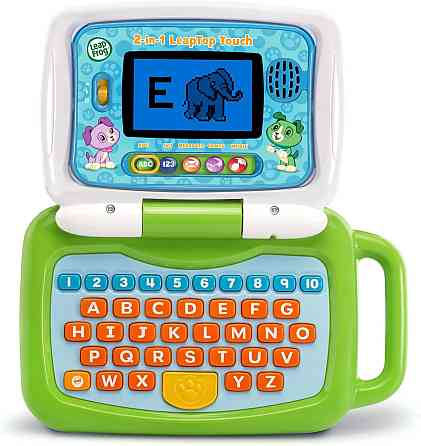
Fact: Apps, games, connected toys, social platforms, and smart devices are also children’s products in practical terms. Their risks may include privacy loss, manipulative design, sleep displacement, exposure to inappropriate content, cyberbullying, compulsive use patterns, or unsafe contact. The harm pathway is different from a choking hazard, but the evaluation principle is the same: look for evidence, not reassurance.
UNICEF has emphasized that common assumptions about children’s online safety can be misleading when they are not tested against data. Screen myths vs facts discussions are useful because they remind families to avoid both minimization and moral panic. Not every digital product is harmful, and not every child responds the same way, but design features such as autoplay, rewards, direct messaging, location sharing, and in-app purchases deserve scrutiny.
Families can review privacy settings, permissions, chat functions, advertising exposure, sleep timing, and age-appropriateness. If digital use is associated with persistent sleep problems, severe irritability, functional impairment, secrecy, exploitation concerns, or school refusal, seek professional support rather than relying on product controls alone.
A practical fact-checking framework for caregivers
Product safety decisions become easier when families use a repeatable framework. First, identify the child’s developmental vulnerabilities: airway size, mobility, climbing, mouthing, sensory seeking, medical devices, allergies, neurodevelopmental differences, or limited danger awareness. Second, identify the product’s hazard profile: small parts, cords, straps, batteries, magnets, unstable bases, heat, water, speed, chemicals, or online interaction. Third, assess the environment: siblings, pets, stairs, pools, traffic, sleep spaces, storage, and caregiver workload.
Use multiple information sources. Manufacturer instructions matter, but so do recall notices, injury-prevention organizations, poison centers, pediatric guidance, and safety alerts. Be cautious with anonymous reviews because they may report helpful real-world problems but can also amplify misinformation or miss rare severe harms.
When uncertainty remains, choose the lower-risk option. Delaying a product, selecting a simpler design, using protective equipment, or asking a clinician is not overreacting. It is a reasonable response to the reality that children develop quickly and safety margins can be narrow.
Seek urgent help or stop use immediately if
- A child swallows or may have swallowed a button battery, magnet, chemical, or small part.
- A product causes choking, strangulation, entrapment, head injury, burn, electric shock, or breathing difficulty.
- An infant sleep product positions the baby at an incline, in soft padding, or with airway compromise.
- A recalled product is found in the home, childcare setting, resale purchase, or donation pile.
- Digital product use is linked with threats, exploitation, self-harm content, or marked functional decline.
Tools & Assistance
- Register children’s products and save model, serial, and lot information.
- Check official recall databases before buying or accepting secondhand products.
- Use poison control services promptly for ingestion concerns.
- Ask a pediatric clinician or certified child passenger safety technician for product-specific safety questions.
- Create a household product-safety review every few months and before developmental transitions.
FAQ
Are expensive children’s products safer?
Not necessarily. Price may reflect branding or features rather than safer design. Check standards, recalls, fit, and developmental appropriateness.
Should I throw away all secondhand children’s products?
No, but inspect them carefully, verify model numbers, check recalls, confirm instructions are available, and avoid damaged or expired safety equipment.
Can I rely on online reviews for safety decisions?
Reviews can flag practical problems but should not replace recall checks, product instructions, and guidance from qualified safety or healthcare professionals.
What if a product seems safe but my child uses it unpredictably?
Trust the real-world observation. Remove or modify access and consider a safer alternative, especially for choking, climbing, water, sleep, or battery hazards.
Sources
- Kids In Danger — Myths and Facts PM
- World Against Toys Causing Harm — Summer Safety Myths
- UNICEF Innocenti — Debunking four myths about children's safety online
Disclaimer
This article is for informational purposes only and does not diagnose, treat, or replace medical care. Consult a pediatrician, emergency service, poison center, or qualified safety professional for child-specific concerns.














Please log in to leave a comment.