

Intro
Toddler products are marketed to solve real problems: sleep, feeding, bathing, travel, play, and the daily challenge of keeping a fast-moving child safe. The difficulty is that a product can look helpful, be widely sold, or have reassuring packaging and still introduce a hazard when used in the wrong setting, at the wrong age, or after a recall.
This article focuses on common toddler product mistakes through a practical safety lens. It is not about blaming caregivers; it is about recognizing that normal fatigue, advertising claims, hand-me-downs, and confusing instructions can make risk hard to see.
Highlights
A product being sold online or passed along by another family does not guarantee it is safe, appropriate, or unrecalled.
Sleep products deserve special caution because positioning, soft surfaces, and restraint systems can contribute to suffocation or entrapment.
Bath seats, water beads, cords, small parts, and unstable furniture can create serious injury risks within seconds.
The safest approach is to match each product to the child's age, developmental stage, weight, and supervised use instructions.
Mistake 1: assuming a familiar product is automatically safe
One of the most common toddler product mistakes is treating familiarity as proof of safety. A product may be popular, attractive, expensive, or recommended in a parenting group, yet still be inappropriate for a specific child or recalled because of injury reports. Online marketplaces add another layer of risk because sellers may offer products that do not meet current safety standards, lack instructions, or have altered parts.
This matters medically because toddlers are not small adults. Their airway anatomy, high center of gravity, developing motor control, and tendency to mouth objects make them vulnerable to mechanisms such as asphyxiation, strangulation, aspiration, falls, and toxic exposure. A child who could not climb yesterday may suddenly climb today. A toy that seemed harmless for an older sibling may have detachable parts that fit into a younger toddler’s airway.
A safer habit is to pause before using any new, secondhand, or gifted product. Check the age, weight, and height limits; look for missing hardware; read the actual instructions; and search recall databases from the relevant product safety authority in your country. Hand-me-down items deserve the same scrutiny as new purchases. Common home safety mistakes often begin with objects that feel routine, not obviously dangerous.
Mistake 2: using sitting or lounging products for sleep
Sleep is an area where product misuse can become dangerous quickly. Inclined sleepers, swings, rockers, loungers, bouncers, and car seats may calm a child, but they are not substitutes for a firm, flat sleep surface unless the product is specifically designed and approved for sleep. A toddler or infant positioned at an incline can slump forward or rotate into a posture that compromises airflow. This is especially concerning for younger children, children with low tone, respiratory illness, reflux symptoms, or developmental delay, but the hazard is not limited to those groups.
The safer sleep principle is simple: sleep should happen on a firm, flat surface, with the child placed on their back when age-appropriate and with no loose soft bedding. For toddlers who have transitioned from a crib to a bed, the same logic still applies: avoid pillows that are too large, heavy comforters, soft wedges, and improvised barriers that could trap the head or neck. If a child falls asleep in a swing, stroller, or car seat outside travel, move them to an appropriate sleep space as soon as practical.
Families sometimes use inclined or restrictive products because sleep deprivation is intense and because reflux, congestion, or bedtime resistance can be exhausting. Those pressures are real. Still, changing sleep position or adding devices should not replace medical assessment when symptoms are persistent, severe, or associated with poor weight gain, breathing difficulty, cyanosis, choking, or repeated vomiting. A pediatric clinician can help distinguish normal variation from a condition needing evaluation.
Mistake 3: adding soft or positional items to the crib or bed
Crib bumper pads, sleep positioners, wedges, loose blankets, plush toys, and decorative pillows often look comforting, but they can create suffocation, entrapment, or overheating risks. The central mistake is assuming that a product marketed for comfort or sleep support has been proven to reduce danger. In many cases, the safer product is no product at all.
Sleep positioners are particularly concerning because they can hold a child in a posture that becomes unsafe if the child rolls, slides, or presses their face against padding. Bumper pads can reduce airflow, create a surface for entrapment, or become a climbing aid as toddlers grow more mobile. Weighted sleep products also deserve caution, especially for children with respiratory, neuromuscular, or developmental concerns; caregivers should discuss these with a healthcare professional rather than relying on marketing claims.
For a toddler still sleeping in a crib, keep the sleep space uncluttered and follow the manufacturer’s mattress fit recommendations. A mattress should be firm and fit the frame so gaps do not trap limbs or the head. Once a child begins climbing out, the risk profile changes: falls from the crib may become more dangerous than the transition to a low toddler bed. Product decisions should follow the child’s actual abilities, not only their age on paper.
Mistake 4: overtrusting bath seats and water play products
Bath seats can create a false sense of security. They may help a child sit upright, but they do not prevent drowning. A toddler can slip, tip, become trapped, or submerge silently in a very small amount of water. Drowning is often quiet and rapid, which is why supervision must be close, continuous, and within arm’s reach.
Bath time drowning prevention depends more on adult attention than on equipment. Prepare towels, soap, diapers, pajamas, and any medications before filling the tub. If the supervising adult needs to leave, the child should come too. Avoid relying on older siblings as the primary monitor, even if they are responsible and loving; they do not have adult risk judgment or rescue capacity.
Water beads are another product category that deserves special caution. They can look like sensory play items, but when swallowed they may expand and cause bowel obstruction. They can also be difficult to see on imaging depending on the material and clinical situation, delaying recognition. Seek urgent medical advice if ingestion is suspected, especially if there is vomiting, abdominal distension, pain, drooling, coughing, choking, or unexplained lethargy. Products that combine novelty, bright colors, and small size are rarely a good match for unsupervised toddler play.
Mistake 5: missing strangulation, choking, and entrapment hazards
Toddlers explore by pulling, wrapping, chewing, climbing, and dismantling. That makes cords, straps, small parts, and poorly designed openings important hazards. Corded baby monitors, window covering cords, toy strings, pacifier clips, and necklace-like accessories can become strangulation risks if placed near a crib, bed, stroller, or play area. A monitor should be positioned so the cord is well out of reach, including reach from standing and climbing.
Choking hazards are not limited to toys labeled for older children. Buttons, loose eyes on plush toys, battery compartments, magnets, caps, beads, and broken plastic pieces can become airway or gastrointestinal hazards. Button batteries and high-powered magnets are medical emergencies when swallowed or inserted into the nose or ear; they can cause tissue necrosis, perforation, fistula, or obstruction. Caregivers should seek urgent medical guidance rather than waiting for symptoms.
Entrapment can occur when a child’s head, neck, chest, or limb becomes stuck in a gap. Nursery furniture, bed rails, high chairs, gates, and play yards should be checked for stable construction, correct assembly, and openings that do not create trapping points. Top-heavy furniture should be anchored because toddlers may use drawers as steps. A product that seems sturdy during normal use may fail under climbing, rocking, or repeated force.
Mistake 6: ignoring materials, chemicals, and product deterioration
Some product mistakes are less visible than a loose cord or a steep stairway. Materials can matter. Certain products may contain hazardous substances such as phthalates, formaldehyde, talc, or other chemicals of concern, depending on the item, jurisdiction, and manufacturing quality. This does not mean every unfamiliar ingredient is dangerous, but it does mean caregivers should be cautious with powders, scented products, soft plastics of unknown origin, and items without clear labeling.
Pacifiers, teethers, cups, and feeding tools should be inspected regularly because wear changes risk. Cracks, sticky surfaces, peeling coatings, or loose components can signal breakdown. Pacifiers should have a shield large enough that the whole pacifier cannot enter the mouth, with ventilation holes and no attached long cord. Avoid modifying products by drilling holes, tying extensions, adding weights, or mixing parts from different brands unless the manufacturer specifically permits it.
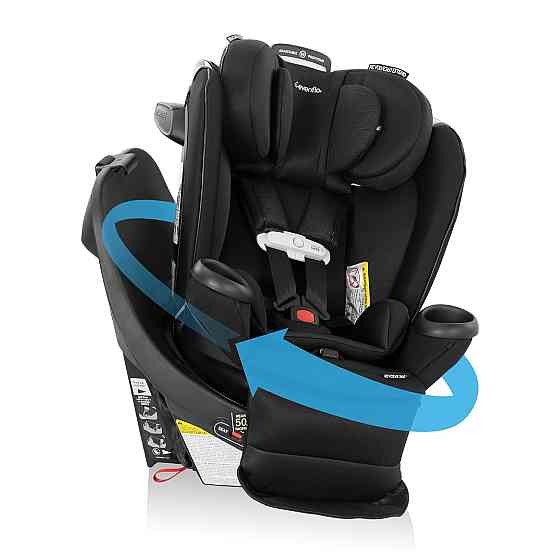
Secondhand car seats and cribs need special care. A car seat with an unknown crash history, missing label, expired date, or absent manual may not provide expected protection. Older cribs may have spacing, hardware, or drop-side designs that no longer meet safety expectations. When budget is a concern, pediatric clinics, public health departments, community programs, and child passenger safety technicians may be able to help families find safer options.
Mistake 7: choosing products that solve adult inconvenience but create child risk
Many risky products are purchased for understandable reasons: a caregiver needs sleep, a toddler resists the bath, a small apartment lacks storage, or a child melts down in the stroller. Product safety becomes more realistic when it accounts for caregiver fatigue and daily constraints. The goal is not perfection; it is reducing predictable hazards while preserving routines that families can actually maintain.
Before buying or using a product, ask four questions: What injury is this product meant to prevent or solve? What new hazard could it introduce? What will my child do with it when I am distracted for 20 seconds? Is there a simpler option that avoids the same risk? These questions are especially useful for climbers, children with oral sensory seeking, children with developmental delays, and toddlers who are unusually strong or impulsive for their age.
When a child’s behavior is the reason a product seems necessary, consider whether the underlying issue needs a different kind of support. For example, repeated crib climbing may require a sleep-space transition, not taller barriers. Persistent feeding battles may need pediatric or feeding therapy input, not restrictive seating. Toddler behavior management tips can help when product use is becoming a substitute for predictable routines, supervision, or developmentally appropriate limits.
Seek urgent help for these risks
- Any suspected ingestion of a button battery, high-powered magnet, water bead, medication, or toxic substance needs urgent medical or poison-control guidance.
- Call emergency services if a child has breathing difficulty, blue or gray color, loss of consciousness, seizure, or severe choking.
- Do not use inclined sleepers, loungers, swings, or rockers as routine sleep spaces.
- Never leave a toddler unattended in the bath, even in a bath seat or shallow water.
- Stop using a product immediately if it is recalled, broken, missing parts, unstable, or being used outside its instructions.
Tools & Assistance
- Check national product recall databases before using new or secondhand toddler products.
- Ask a pediatrician about sleep, feeding, reflux-like symptoms, developmental delay, or repeated injury concerns.
- Use a certified child passenger safety technician for car seat selection and installation checks.
- Contact poison control urgently after suspected ingestion of hazardous products or substances.
- Review product manuals for age, weight, height, cleaning, assembly, and supervision requirements.
FAQ
Are products sold online always safety tested?
No. Online availability does not prove that a product meets current safety standards, is appropriate for your child, or is free from recalls. Check labels, instructions, and official recall sources.
Can a toddler nap in a swing or rocker if an adult is nearby?
Swings and rockers are not recommended as routine sleep spaces. If a child falls asleep there, move them to a firm, flat, appropriate sleep surface as soon as practical.
Are bath seats useful for safety?
A bath seat may help positioning, but it does not prevent drowning. A toddler in water needs close, continuous, within-arm's-reach adult supervision.
When should I throw away a toddler product?
Discard or stop using it if it is recalled, expired, cracked, missing parts, unstable, contaminated, altered, or no longer fits the child's age, weight, height, or developmental stage.
Sources
- Health Canada — Buyer beware: list of potentially unsafe children's products
- Baby Safety Foundation — The 3 Most Common Baby Safety Mistakes (and How to Fix Them)
- Lanier Law Firm — The Ultimate Child Product Safety Checklist
Disclaimer
This article is for general educational purposes and is not a diagnosis, treatment plan, or substitute for medical care. Consult a qualified healthcare professional or emergency service for urgent symptoms, suspected ingestion, injury, or product-specific safety concerns.














Please log in to leave a comment.