
Intro
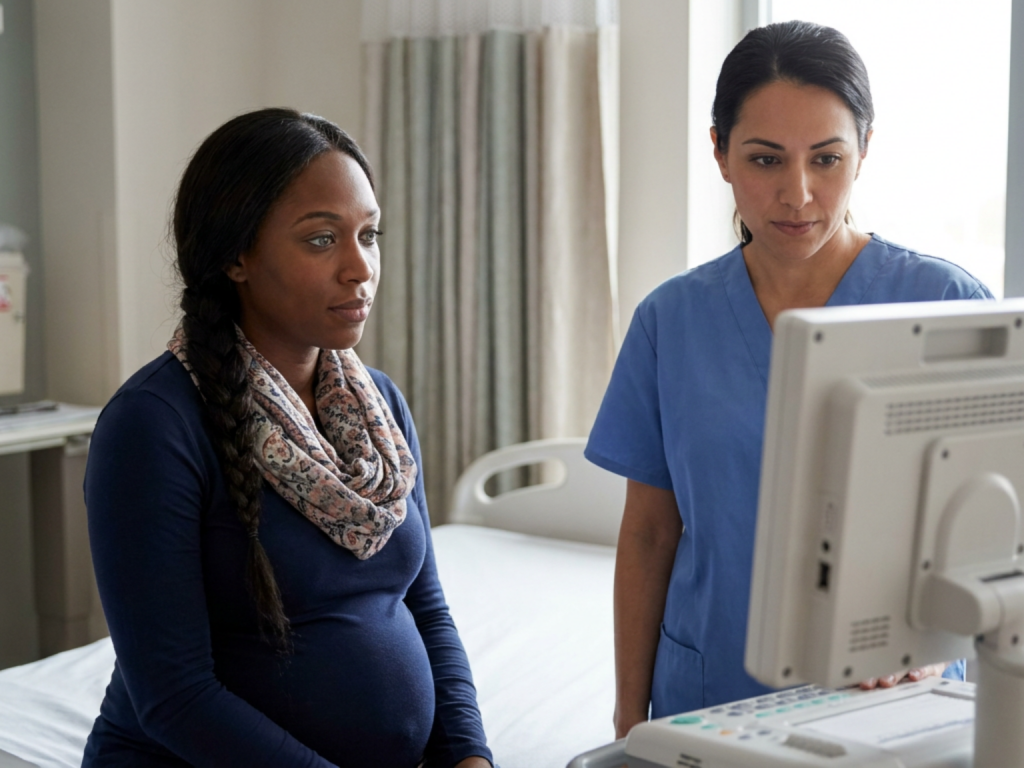
Uterine rupture is a rare but serious obstetric emergency in which the muscular wall of the uterus tears during pregnancy or, more commonly, during labor. It can be frightening to read about, especially if you have had a previous cesarean birth or are considering a vaginal birth after cesarean. The goal of understanding it is not to increase fear, but to support informed, calm conversations with your maternity team.
Highlights
Uterine rupture is uncommon, but it requires rapid recognition and emergency obstetric care because both maternal bleeding and fetal oxygenation can be affected.
The strongest and most common risk factor is a scarred uterus, especially prior cesarean delivery during a trial of labor after cesarean.
Non-reassuring fetal heart rate patterns are often the earliest and most important clinical sign, sometimes before pain or visible bleeding occurs.
Planning birth in an appropriately staffed setting is especially important for people with prior uterine surgery or other risk factors.
What uterine rupture means
Uterine rupture occurs when there is a full-thickness tear through the uterine wall, often involving the myometrium and sometimes the serosa, the outer covering of the uterus. When the tear opens into the abdominal cavity, the fetus, placenta, or blood may move outside the uterus. This is why the condition is treated as an emergency rather than as a routine labor complication.
Clinicians distinguish rupture from uterine dehiscence. Dehiscence is sometimes called an incomplete or “silent” separation of a previous uterine scar, where the outer layer may remain intact and the fetus stays within the uterus. Dehiscence may be discovered incidentally at cesarean birth and may not cause acute symptoms. A true rupture, by contrast, can rapidly compromise maternal circulation and fetal oxygen delivery.
Most ruptures occur during labor, when contractions repeatedly stretch and contract the uterine muscle. The most common location is along a previous surgical scar, particularly a cesarean scar. However, rupture can also occur in an unscarred uterus, usually in the presence of major trauma, excessive uterine stimulation, marked uterine overdistention in pregnancy, or underlying weakness of the uterine wall. Because presentation can be subtle at first, maternity teams rely on continuous clinical assessment rather than one symptom alone.
Why previous cesarean and uterine surgery matter
A prior cesarean delivery is the best-known risk factor for uterine rupture. The reason is mechanical: scar tissue may not tolerate labor contractions as well as unoperated myometrium. For many people, vaginal birth after cesarean is still a reasonable and successful option, but counseling depends on the type of uterine incision, number of prior cesareans, other obstetric factors, and the availability of emergency cesarean capability.
The risk is generally higher with a classical cesarean incision, which is a vertical incision in the upper contractile portion of the uterus, than with a low transverse incision. Other uterine operations can also matter, including certain myomectomies, surgery entering the uterine cavity, repair of congenital uterine anomalies, or previous rupture repair. The exact risk varies by operative details, so prior surgical records are clinically valuable.
During a trial of labor after cesarean, clinicians usually discuss the balance between benefits and risks. Benefits may include avoiding another abdominal surgery and a shorter recovery for some patients. Risks include scar separation, emergency surgery, hemorrhage, transfusion, hysterectomy in severe cases, and fetal compromise. This does not mean every person with a scarred uterus should avoid labor; it means the plan should be individualized, documented, and supported by a team prepared to act quickly if warning signs appear.
Other risk factors clinicians consider
Although a prior cesarean scar is central, uterine rupture is multifactorial. Anything that weakens the uterine wall, increases intrauterine pressure, or intensifies contractions can increase concern. Clinicians look at the whole clinical picture rather than using one risk factor in isolation.
- History of uterine rupture: A previous rupture significantly changes counseling for future pregnancies and often leads to planned cesarean before labor.
- Prior uterine trauma: Blunt abdominal trauma, penetrating injury, or complicated obstetric procedures can weaken or injure the uterus.
- Congenital uterine anomalies: Some uterine shapes or structural differences may be associated with uneven wall stress.
- Induction or augmentation of labor: Prostaglandins, oxytocin, or mechanical methods may be appropriate in selected situations, but prolonged induction or strong uterine stimulation can increase rupture concern, especially with a scar.
- Overdistention of the uterus: Macrosomia, polyhydramnios, multiple gestation, or large fibroids can place extra tension on the myometrium.
- High parity or difficult labor mechanics: Multiple prior births, obstructed labor, malpresentation, or operative maneuvers may contribute in some cases.
These factors do not automatically predict rupture. Many people with one or more risk factors give birth safely. They do, however, influence decisions about location of birth, continuous fetal monitoring, induction methods, timing of delivery, and thresholds for escalation to senior obstetric review.
Signs and symptoms during labor
The most consistent warning sign of uterine rupture is often a fetal heart rate abnormality, particularly fetal bradycardia or recurrent decelerations. This is because a rupture can suddenly reduce placental blood flow or disrupt oxygen transfer. For this reason, continuous electronic fetal monitoring is commonly recommended for higher-risk labors, especially a trial of labor after cesarean.
Maternal symptoms may occur, but they are not always dramatic at first. Some patients report sudden, severe abdominal pain that persists between contractions or feels different from previous contraction pain. Pain may occur despite an epidural, although regional anesthesia can also make symptoms harder to interpret. Vaginal bleeding may be present, but absence of visible bleeding does not exclude rupture because bleeding can be internal.
Other clinical signs include abnormal contraction patterns, contractions that stop or weaken, maternal tachycardia, low blood pressure, pallor, dizziness, shoulder-tip pain from internal bleeding, hematuria if the bladder is involved, or a sudden loss of fetal station, where the presenting part moves upward in the pelvis. Labor may slow unexpectedly after previously normal progress. In some cases, the first clue is that the fetus becomes difficult to palpate in the expected position or fetal parts are felt more easily through the abdomen.
Because no single symptom is perfectly sensitive, clinicians respond to patterns. A concerning fetal tracing plus new abdominal pain, bleeding, hemodynamic change, or loss of station is treated with high urgency. If you are laboring and something feels abruptly wrong, it is always appropriate to speak up immediately, even if you are unsure how to describe the sensation.
Signs outside active labor and when to seek urgent care
Uterine rupture is much less common before labor, but it can occur, particularly in people with significant uterine scars or trauma. Symptoms may overlap with other urgent pregnancy conditions, so the safest message is to seek immediate medical assessment for severe or persistent abdominal pain, faintness, collapse, heavy vaginal bleeding, or a marked change in fetal movement.
In late pregnancy, a scarred uterus may ache or stretch without rupture, and many benign discomforts occur as the uterus grows. However, clinicians take new severe pain seriously when it is constant, localized over a scar, associated with uterine tenderness, or accompanied by maternal instability. Reduced fetal movement near term, vaginal bleeding, or symptoms after abdominal trauma should prompt contact with maternity triage or emergency services according to local guidance.
It is important not to self-diagnose uterine rupture based on pain alone. Conditions such as placental abruption, appendicitis, ovarian torsion, renal colic, infection, or labor itself can also cause significant pain. The priority is timely evaluation, fetal assessment when gestational age is viable, maternal vital signs, abdominal examination, and appropriate imaging or operative assessment if needed. If you have a known high-risk uterine scar, ask your clinician in advance which symptoms should trigger immediate hospital attendance and whether labor should be avoided.
How maternity teams monitor and respond
Risk management begins before labor. Your team may review previous operative notes, assess placental location, discuss whether labor is appropriate, and plan delivery in a facility with surgical, anesthesia, blood bank, neonatal, and obstetric capacity. For people attempting vaginal birth after cesarean, the plan typically includes clear criteria for monitoring and escalation.
During higher-risk labor, continuous fetal monitoring helps detect early fetal compromise. Clinicians also monitor contraction frequency and intensity, maternal pulse and blood pressure, pain pattern, bleeding, urine color, and labor progress. If induction or augmentation is used, oxytocin dosing and uterine activity are watched carefully to avoid excessive contractions, sometimes called tachysystole.
If uterine rupture is suspected, the response is usually immediate mobilization for emergency cesarean birth and resuscitation. This may include intravenous access, blood tests, cross-matched blood, anesthesia review, neonatal team attendance, and rapid transfer to an operating room. Surgical management depends on the tear, bleeding, maternal stability, and reproductive goals. Some ruptures can be repaired; in life-threatening hemorrhage or extensive damage, hysterectomy may be necessary to save the patient’s life.
This emergency context can be emotionally overwhelming. If a rupture occurs, parents may need both physical recovery and psychological support afterward. A debrief with the obstetric team can help explain what happened, why decisions were made quickly, and what it means for future pregnancy planning.
Planning future pregnancies and emotionally processing risk
After a uterine rupture, future pregnancy care is usually considered high risk. Counseling often includes review of the rupture site, repair details, transfusion or hysterectomy history, placental risks, and recommended timing and mode of delivery. Many clinicians recommend scheduled cesarean birth before labor in a subsequent pregnancy, but timing must be individualized to balance rupture risk against neonatal prematurity.
For someone who has not had a rupture but has a uterine scar, shared decision-making is central. Questions to discuss include: What type of incision did I have? Do my surgical records show extension into the upper uterus? How many prior cesareans have I had? Is induction likely? Does this hospital have immediate cesarean capability? What signs would change the plan during labor?
It is also normal for risk discussions to bring up anxiety, grief, or conflict about birth preferences. Wanting a vaginal birth, wanting a planned cesarean, or feeling uncertain are all valid responses. The most supportive care acknowledges both safety and personal meaning. A thoughtful plan does not eliminate every risk, but it can make the pathway clearer: who to call, where to labor, how monitoring will be handled, and when the team would recommend changing course.
Seek urgent assessment now for
- Sudden severe abdominal pain, especially if constant or different from contractions.
- Heavy vaginal bleeding, faintness, collapse, or signs of shock.
- Reduced fetal movement near term or a concerning change in fetal activity.
- Abnormal fetal heart rate noted during monitoring in labor.
- Loss of fetal station, new hematuria, or labor that suddenly stops progressing.
Tools & Assistance
- Keep copies of prior cesarean or uterine surgery operative reports if available.
- Discuss VBAC, repeat cesarean, and induction options with an obstetric clinician before labor.
- Use maternity triage or emergency services promptly for severe pain, bleeding, trauma, or reduced fetal movement.
- Ask your birth facility about emergency cesarean, anesthesia, neonatal, and blood bank availability.
- Request a postpartum debrief after any emergency birth or suspected uterine rupture.
FAQ
Can uterine rupture happen without a previous cesarean?
Yes, but it is much rarer. It may be associated with trauma, uterine anomalies, overdistention, obstructed labor, excessive uterine stimulation, or previous non-cesarean uterine surgery.
Is VBAC always unsafe because of rupture risk?
No. Many people have successful VBACs. The risk depends on uterine incision type, prior history, current pregnancy factors, and the setting’s ability to monitor and respond quickly.
Would I definitely feel a rupture if it happened?
Not always. Some people have severe pain, but others have subtle symptoms. A non-reassuring fetal heart rate may be the earliest sign during labor.
Can ultrasound predict uterine rupture?
Ultrasound may provide useful information in selected cases, but it cannot reliably rule out rupture risk for every patient. Clinical history and labor monitoring remain essential.
What happens if rupture is suspected?
The team usually treats it as an emergency, preparing for rapid cesarean birth, maternal resuscitation, blood products if needed, and surgical repair or other lifesaving measures.
Sources
- National Center for Biotechnology Information (NCBI) — Uterine Rupture
- Cleveland Clinic — Uterine Rupture: Signs, Symptoms, Risks & Treatment
- TeachMeObGyn — Uterine Rupture - Risk Factors - Management
Disclaimer
This article is for general medical education and is not a diagnosis or treatment plan. If you have severe pain, bleeding, reduced fetal movement, or concerns in pregnancy or labor, contact your maternity team or emergency services immediately.
















Please log in to leave a comment.