
Intro
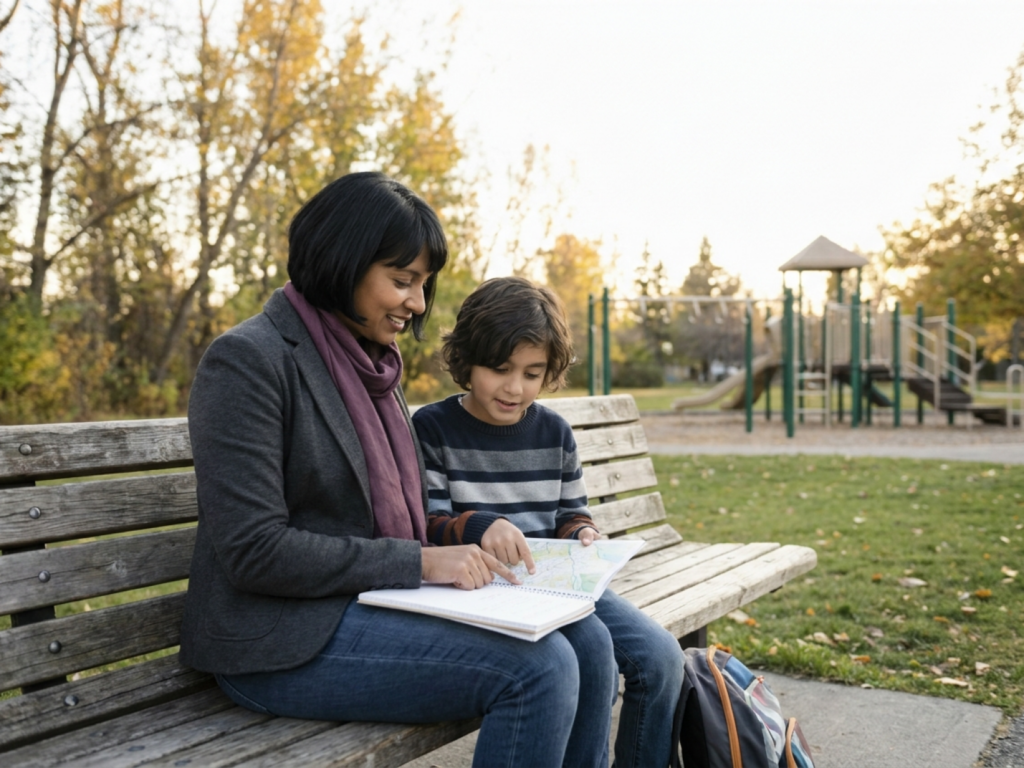
When a child has been away from school, sports, or neighborhood life for a long time, returning to friendships can feel both exciting and unsettling. The child may worry that everyone has moved on, that conversations will feel awkward, or that the friendship will not be the same. Those reactions are common and do not mean something is wrong.
Friendships are dynamic relationships. After a long absence caused by illness, injury, relocation, or another major disruption, children may need time, structure, and emotional support to re-enter peer life. A gentle, planned approach can reduce pressure and help the child rebuild trust, confidence, and connection.
Highlights
A long absence can disrupt the rhythm of friendship, but it does not automatically end it. Small, low-pressure contacts often make reunion easier.
Children usually reconnect best when adults normalize the gap, help them plan the first conversation, and avoid forcing instant closeness.
Digital contact can preserve relationship quality when in-person visits are not possible, especially if the child is recovering, relocating, or staying home for a while.
A gradual return to shared routines and structured peer experiences can reduce awkwardness and help children find their place again.
Why the friendship can feel different
Children often imagine that friendship will simply pick up where it left off, but real life is less tidy. During a long absence, classmates gain new routines, jokes, interests, and group habits. The returning child may feel like an outsider for a while, even with friends who care deeply about them. In one study of friendship after a serious illness or injury-related school absence, reduced contact and practical barriers made reconnection harder, especially when children had not stayed in touch during the absence.
This does not mean the friendship is lost. It means the relationship may need re-entry support. Gently naming that reality can help children feel less ashamed. Adults can say, for example, that friendships sometimes need a little time to warm back up after being apart. That framing is especially useful when a child has been through a medically stressful experience, because the child may already be managing fatigue, emotional uncertainty, or a changed sense of identity.
Prepare the child before contact resumes
Before arranging a reunion, help the child think through what they want from the friendship. Some children want to talk about everything that happened while they were gone. Others want a normal, light conversation first. Either approach can be healthy. What matters is that the child feels some control. The most effective adult support is often quiet coaching rather than scripting every word.
You can rehearse simple openings such as: “I missed you.” “What have I missed?” or “Do you want to play?” These phrases reduce performance pressure. If the child is nervous about body changes, medical equipment, school accommodations, or obvious differences after recovery, it may help to plan a short explanation in advance. This is not about over-disclosing; it is about giving the child language they can use if questions come up.
If the absence was related to illness or injury, coordinate with the child’s healthcare team and school staff when needed. Return-to-school planning may need to consider stamina, mobility, sensory load, medication timing, or infection precautions. A child who looks ready socially may still need a graded schedule medically.
Use low-pressure communication first
Research on computer-mediated communication suggests that phone calls, messaging, video chats, and social networks can help preserve friendship quality when face-to-face contact is limited. This is especially useful after relocation or medical absence, because the child can stay connected without the full stress of immediate in-person reunion. Short, frequent contacts are often easier than long, emotionally loaded conversations.
For younger children, a voice note, a photo of a drawing, or a brief video hello may be enough. Older children and adolescents may prefer texting, gaming together, or sharing memes, songs, or homework updates. The goal is not to create a perfect digital relationship. The goal is to maintain a sense of mutual recognition. Even small exchanges help a child remember, this friendship still exists.
Creative shared activities can also lower the social stakes. Children in pandemic-era studies used online drawing, scavenger hunts, and collaborative games to keep friendships active. Those activities worked because they gave the friendship a shared task, not just a heavy conversation about absence. If the child feels shy, start with a simple plan such as one message, one call, or one shared game session per week.
In this phase, the phrase adult coaching for friendship skills is useful: adults can help organize the opportunity without taking over the relationship.
Plan the first face-to-face reunion carefully
The first in-person meeting does not need to be big. In fact, smaller and shorter is often better. A one-on-one walk, a short playdate, a quiet corner of the classroom, or a brief meet-up before school can feel more manageable than a crowded party or full recess. The child may be relieved to know there is an end point.
Before the meeting, it can help to discuss practical details: where to meet, how long it will last, what activity they will do, and how the child can take a break if they feel overwhelmed. These details reduce uncertainty, which can lower physiological arousal and social anxiety. For some children, especially after medical treatment or prolonged absence, fatigue may be a limiting factor. A short visit protects energy and makes a second meeting more likely.
It may also help to choose an activity that creates natural conversation. Shared drawing, Lego building, a simple board game, or walking to the playground gives children something to do with their hands while they ease back into talking. A gradual return to structured peer experiences can be especially helpful in school settings, because it gives the child a clear role instead of leaving them to improvise everything at once.
If the friendship feels awkward, that is not a failure. Awkwardness is often just the sound of two children re-learning each other after time apart.
Support the child as the group dynamic shifts
When a child has been gone for a while, the bigger challenge is not only the friend itself. It is also the group. Friend circles may have changed, and the returning child may worry about being replaced or forgotten. Adults can help by noticing peer interactions without overinterpreting them. A child who is quiet at first may still be rebuilding confidence and belonging.
It can be useful to ask the school, club leader, or coach to identify one or two welcoming peers who can help with the transition. That does not mean labeling the child as fragile. It means using the social environment to support re-entry. Small bridges matter: an invitation to sit together, a shared job in class, or a partnered activity can rebuild familiarity faster than a vague promise that “everyone will be nice.”
Children also benefit from hearing that friendships can survive change. Some return to exactly the same level of closeness, while others become steadier but less intense, and some become part of a wider circle instead of a single best-friend bond. Those shifts can still be healthy childhood friendships. The important question is whether the child feels respected, included, and emotionally safe.
Parents and caregivers should keep an eye on the child’s self-talk. Statements such as “No one wants me back,” “I ruined everything,” or “I don’t fit anywhere now” may reflect temporary distress, but they deserve attention if they persist.
When to seek extra help
Most children need patience, not intensive intervention, but some need more support. Consider contacting a pediatrician, psychologist, school counselor, or the child’s rehabilitation team if the child shows ongoing withdrawal, intense tearfulness, school refusal, sleep disturbance, somatic complaints, or a marked drop in functioning after attempts to reconnect. A child who seems socially avoidant may be protecting themselves from repeated disappointment or overload.
Extra help is also important if the absence involved trauma, a severe medical event, or a major change in appearance, mobility, speech, or cognitive speed. Children may need help processing grief, fear, or embarrassment, especially if peers ask intrusive questions. Professional guidance can help the family decide how much explanation is appropriate and how to support the child without putting them on display.
Early support is not a sign of weakness. It is a way to prevent a temporary social disruption from becoming persistent social isolation. The sooner a child experiences manageable, positive peer contact, the easier it is for the brain and body to relearn safety in social settings.
When to get extra support
- Seek help if the child’s sadness, fear, or irritability lasts for weeks and interferes with daily life.
- Get medical guidance if recovery, medication, fatigue, pain, or mobility limits are affecting school return or peer contact.
- Ask for school support if the child is being excluded, teased, or repeatedly left out of group activities.
- Contact a mental health professional if the child refuses school, withdraws from all peers, or shows worsening anxiety after reunion attempts.
Tools & Assistance
- A brief parent-child plan for the first message, call, or visit
- School counselor or teacher check-in to ease the return to peer routines
- Pediatrician, rehabilitation clinician, or therapist guidance when illness or injury affected the absence
- Shared calendar or message thread to coordinate low-pressure contact with other families
FAQ
What if my child feels like the friendship is already over?
That feeling is common after a long absence. Encourage a small first step, such as a short message or brief visit, rather than expecting the child to judge the whole friendship at once.
Should I explain the reason for the absence to the other child?
Only as much as your child wants and as is appropriate for the setting. A simple explanation can reduce awkwardness, but the child should not feel forced to share private details.
Is online contact really helpful?
Yes. Research suggests that phone calls, messaging, and online shared activities can help maintain friendship quality when in-person contact is limited.
How long does it usually take to reconnect?
There is no standard timeline. Some children reconnect quickly, while others need several small interactions before they feel comfortable again.
Sources
- PubMed — Friendship changes following a friend's school absence after serious illness or injury
- SpringerLink — Computer-Mediated Communication and Child/Adolescent Friendship Quality after Residential Relocation
- Sheffield Hallam University — Maintaining Children's friendships during the Covid-19 pandemic
Disclaimer
This article is for general educational purposes only and is not a substitute for medical, psychological, or school-based advice. If a child has persistent distress, functional decline, or concerns related to illness or injury, consult a qualified healthcare professional.
















Please log in to leave a comment.