
Intro
Home is where children explore, learn, eat, sleep, and recover from everyday illnesses. It is also where many preventable injuries happen, often because a familiar routine makes hazards feel less urgent. A supportive approach helps: most caregivers are not careless; they are busy, tired, and managing a changing child in a changing environment.
This article reviews common home safety mistakes through a child-focused lens, while recognizing that many homes also include grandparents, babysitters, siblings, visitors, and pets. The goal is not to create fear, but to make risk visible and practical to reduce.
Highlights
Many serious home injuries come from ordinary objects: stairs, furniture, hot water, medicines, cords, and cooking equipment.
Child-resistant caps, smoke alarms, and safety gates reduce risk, but they are not substitutes for supervision and regular maintenance.
Falls, burns, poisoning, choking, and electrical injuries often cluster around predictable moments: cooking, bath time, bedtime, cleaning, and transitions.
A safer home is built through repeated small habits, not a single perfect weekend project.
Assuming familiar spaces are automatically safe
One of the most common home safety mistakes is assuming that a space is safe because nothing bad has happened there before. Children’s risk changes quickly with development. A baby who could not roll last week may roll from a sofa today. A toddler who previously ignored a drawer may climb it like stairs. A school-age child may imitate an older sibling’s use of appliances or tools without understanding the danger.
Home safety is therefore not a one-time checklist. It is a developmental review. Caregivers can walk through the home at the child’s eye level and ask, “What can be pulled, opened, climbed, swallowed, spilled, or switched on?” This is especially important after moving furniture, hosting guests, bringing in holiday decorations, or changing childcare routines.
It also helps to include every adult who supervises the child. Grandparents, babysitters, separated co-parents, and older siblings may have different assumptions about gates, medicines, bath water, or screen-time-related supervision. A short written plan can prevent gaps, especially for medication storage, emergency contacts, and rules about cooking or outdoor access.
Underestimating falls and furniture tip-over risks
Falls are a leading category of home injury, and research on home hazards also identifies falls as a major concern for older adults. In a family home, fall prevention protects children and adults simultaneously. The mistake is often not a dramatic hazard, but an accumulation of small ones: loose rugs, poor lighting, cluttered stairs, unstable stools, open windows, and furniture that looks heavy but can tip.
Infants should not be left unattended on beds, sofas, changing tables, or countertops, even for a moment. Toddlers are especially vulnerable because their head-to-body ratio and immature motor planning increase injury risk during falls. Window screens are not fall-prevention devices; windows above ground level need appropriate guards or stops that still allow emergency escape.
Top-heavy furniture should be anchored, including dressers, bookcases, televisions, and storage units. Children may pull out drawers and create a ladder effect, shifting the center of gravity forward. Anchoring is not only for nurseries; living rooms, bedrooms, and rental homes need the same attention. Heavy objects should be stored low, and tempting items such as remote controls, toys, or tablets should not be placed on high furniture where a child may climb to reach them.
- Keep stairs clear and use properly installed gates for young children.
- Improve lighting in hallways, stairwells, and bathrooms.
- Use non-slip backing on rugs or remove rugs that bunch or slide.
- Anchor top-heavy furniture and avoid placing attractive objects on high shelves.
Missing burn, scald, and fire prevention details
Burns can happen quickly, particularly in kitchens and bathrooms. A common mistake is focusing only on open flames while overlooking hot liquids, steam, appliance surfaces, and bath water. Young children have thinner skin than adults, so scald injuries can occur faster and at lower exposure times. Setting a water heater too high increases this risk; safety guidance commonly warns against temperatures above 125°F because of scalding potential.
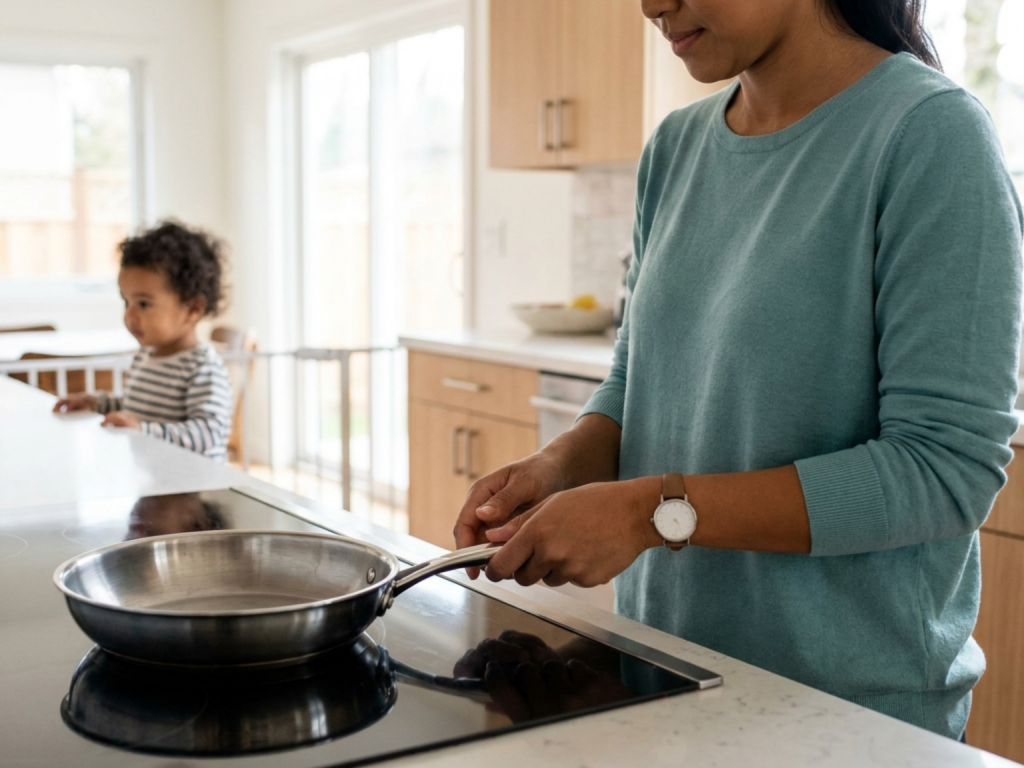
Cooking is another high-risk routine. Leaving a stove unattended, turning pot handles outward, carrying hot drinks while holding a child, or letting toddlers stand too close to the oven can all cause injury. A “kid-free zone” around the stove is practical, but it must be taught repeatedly and reinforced by all caregivers. Microwave heating is also a frequent source of uneven hot spots, especially in liquids and foods for young children.
Fire safety mistakes often involve alarms and exits. Smoke alarms and carbon monoxide alarms must be installed in appropriate areas and maintained. Battery-powered alarms should be checked and batteries replaced on a schedule; many families connect this task to seasonal time changes. Alarms that chirp should not be disabled and forgotten. Families should also plan how to exit the home, where to meet outside, and how to call emergency services.
- Turn pot handles inward and use back burners when possible.
- Test bath water before placing a child in the tub.
- Keep matches, lighters, candles, and hot appliances out of reach.
- Check smoke and carbon monoxide alarms regularly and replace batteries as recommended.
Treating medicines and household chemicals as low-risk
Poisoning prevention is a major part of child home safety. The mistake is not usually leaving a bottle openly labeled “danger.” More often, risk comes from normal convenience: pain relievers in a purse, iron tablets on a bedside table, nicotine products in a jacket pocket, laundry pods near the washing machine, or cleaning sprays under the sink. Child-resistant caps are not childproof; they only slow access and may fail if not fully closed.
Medications for children safety rules are especially important during illness, when caregivers are sleep-deprived and multiple adults may be dosing the same child. Pediatric medication dosing errors can occur when kitchen spoons are used, units are confused, or two products contain the same active ingredient. Use the dosing device provided or an oral syringe medication dosing approach recommended by a clinician or pharmacist. If instructions are unclear, ask before giving the medicine.
All medicines, vitamins, supplements, and chemicals should be stored up, away, and ideally locked. This includes products that seem harmless, such as essential oils, mouthwash, melatonin, cannabis edibles where legal, and adult prescription medicines. Visitors’ bags deserve attention because they may contain pills or other hazardous items.
If a child may have ingested a toxic substance, do not wait for symptoms to develop and do not try home remedies unless instructed by poison control or a healthcare professional. For suspected poisoning in a child, contact poison control or emergency services according to local guidance, especially if the child has altered mental status, respiratory symptoms, seizures, persistent vomiting, or exposure to a high-risk substance.
Overlooking choking, strangulation, and suffocation hazards
Choking hazards change as children grow, but they do not disappear after infancy. Small toys, button batteries, magnets, coins, beads, pen caps, deflated balloons, and small food pieces can obstruct the airway or cause internal injury. Button batteries and high-powered magnets are medical emergencies when swallowed or suspected, because tissue damage can occur rapidly.
Food preparation matters. Whole grapes, hot dogs, hard candies, nuts, popcorn, chunks of raw carrot, and thick globs of nut butter can be dangerous for young children. Cutting foods lengthwise and into small pieces, encouraging seated eating, and avoiding running or laughing with food in the mouth reduce risk. Caregivers should consider learning age-appropriate choking first aid from a qualified instructor.
Strangulation and suffocation hazards are often less obvious. Blind cords, loose monitor cords, drawstrings, plastic bags, toy chest lids, and soft sleep surfaces can be dangerous. Infants should sleep on a firm, flat sleep surface without pillows, loose blankets, soft toys, or positioning devices unless specifically recommended by a healthcare professional. Toddler bedrooms also need periodic review as children begin climbing, pulling cords, and exploring closets.
- Keep button batteries and magnets locked away, not merely hidden.
- Choose toys with age-appropriate parts and inspect them for breakage.
- Keep cords out of reach and avoid loops near beds or play spaces.
- Use safe sleep practices for infants and ask a pediatrician about special medical situations.
Ignoring electrical, water, and emergency-readiness gaps
Electrical mistakes often feel minor until an injury or fire occurs. Overloaded outlets, damaged extension cords, frayed chargers, and cords running under rugs can create shock or fire hazards. Outlet covers may help for young children, but they should be used along with supervision and safe cord placement. Appliances near sinks, bathtubs, or wet floors require extra caution.
Water safety is another area where seconds matter. A young child can drown in a small amount of water, including a bathtub, bucket, toilet, or outdoor container. The most dangerous mistake is leaving a child “just for a moment” during bath time. Bring towels, diapers, clothes, and soap before the bath begins. Empty buckets and kiddie pools immediately after use, close bathroom doors, and consider toilet locks if needed for a curious toddler.
Emergency readiness is part of prevention. Caregivers should know pediatric emergency warning signs and when to seek urgent care. Examples include severe breathing difficulty, cyanosis, unresponsiveness, a first seizure, significant head injury, suspected poisoning, severe burns, or a non-blanching rash with fever. When in doubt, it is safer to contact emergency services or a healthcare professional than to monitor a potentially serious problem alone.
Finally, families who live with older adults or people with mobility limitations should coordinate safety changes. The same clutter, poor lighting, and slippery surfaces that endanger toddlers may also increase fall risk for grandparents. A shared home safety plan can protect everyone without blaming anyone.
Seek urgent help for these situations
- Any suspected poisoning, button battery ingestion, magnet ingestion, or unknown medication exposure in a child.
- Severe breathing difficulty, blue or gray color, unresponsiveness, or a first seizure.
- Burns involving the face, hands, genitals, large areas, electrical sources, or chemicals.
- A fall with loss of consciousness, repeated vomiting, worsening headache, abnormal behavior, or difficulty walking.
- Any drowning or near-drowning event, even if the child seems to recover quickly.
Tools & Assistance
- Local poison control center or emergency number saved in every caregiver’s phone
- Pediatrician or family physician for individualized prevention guidance
- Certified child passenger safety or home safety educator when available
- Smoke and carbon monoxide alarm testing schedule
- Room-by-room child safety checklist repeated after developmental milestones
FAQ
Are child-resistant caps enough to prevent poisoning?
No. Child-resistant caps are designed to slow children down, not make access impossible. Medicines and chemicals should still be stored high, out of sight, and preferably locked.
How often should smoke alarms be checked?
Follow the manufacturer’s instructions and local safety guidance. Many safety checklists advise routine testing and scheduled battery replacement for battery-powered alarms.
What is the safest approach to bath time?
Prepare supplies first, test water temperature, keep the child within arm’s reach, and never leave the child alone in the tub, even briefly.
When should furniture be anchored?
Anchor dressers, bookcases, televisions, and other top-heavy items before a child begins climbing. It is also useful in homes with visiting children.
Should I call a doctor after a minor home injury?
If you are unsure, contact your child’s healthcare professional, poison control, or emergency services depending on the situation. Seek urgent care for red flags such as altered consciousness, breathing problems, significant burns, or suspected poisoning.
Sources
- NIH PubMed Central (PMC) — Older Adults' Experiences, Worries and Preventive Measures for Poisoning, Falls, Burns, Cuts, and Other Home Hazards
- Emergency Physicians — Home Safety Checklist
- Arrowhead Group — 8 common home safety hazards and fixes
Disclaimer
This article is for general educational purposes and does not replace medical advice, diagnosis, or treatment. For urgent symptoms, suspected poisoning, significant injury, or individualized questions, contact emergency services or a qualified healthcare professional.














Please log in to leave a comment.