

Intro
Buying for a child can feel emotionally charged: every product seems to promise better sleep, safer air, easier feeding, stronger learning, or less parental stress. A supportive approach is to invest where the product genuinely reduces risk, improves function, or lasts through a developmental stage, and to be skeptical where marketing is louder than evidence.
This guide is written for medically literate caregivers who want a practical, safety-oriented framework. It does not diagnose a child’s needs or prescribe medical equipment; when a child has asthma, allergy, neurodevelopmental differences, feeding difficulty, sleep concerns, or mobility needs, product choices should be discussed with the child’s clinician or relevant therapist.
Highlights
The best investments for children are usually safety-critical, developmentally appropriate, durable, and easy to clean or maintain.
Avoid products that rely on vague wellness claims, excessive features, or unverified therapeutic promises.
Independent testing, recall checks, and correct fit often matter more than brand prestige or price.
For air quality, filtration performance and proper sizing are more meaningful than dramatic claims about purification.
Secondhand items can be economical, but some categories require extra caution because safety standards and recalls change.
Start with risk, fit, and real use
A product is worth investing in when it changes daily safety or function in a measurable way. For children, that usually means it reduces injury risk, supports sleep or feeding within established safety guidance, improves hygiene, fits the child’s body correctly, or supports skills the child is actively developing. Price alone is not the signal. A modest, well-designed step stool with non-slip feet may be a better investment than an expensive gadget that a child outgrows in six weeks.
Think in three layers: the child’s developmental stage, the environment, and maintenance. Developmentally appropriate child products should match a child’s motor abilities, oral exploration, problem-solving, sensory profile, and supervision needs. A preschooler who can unzip compartments may need safer art storage; a toddler who climbs may make unsecured furniture hazardous. The environment matters too: small apartments, shared bedrooms, pets, damp basements, and high-traffic kitchens all change what is useful. Maintenance is the third layer. If a product has filters, straps, batteries, hinges, or fabric covers, it only remains safe if caregivers can realistically clean, inspect, and replace parts.
Finally, separate medical need from lifestyle preference. A humidifier, air cleaner, weighted item, feeding tool, or sleep device may be helpful for some families, but it is not automatically therapeutic. If a product is being purchased because of wheeze, eczema, recurrent infections, snoring, feeding aversion, sensory distress, or delayed milestones, it is reasonable to ask a pediatrician or specialist what problem the product is meant to solve and how success will be measured.
Products usually worth investing in
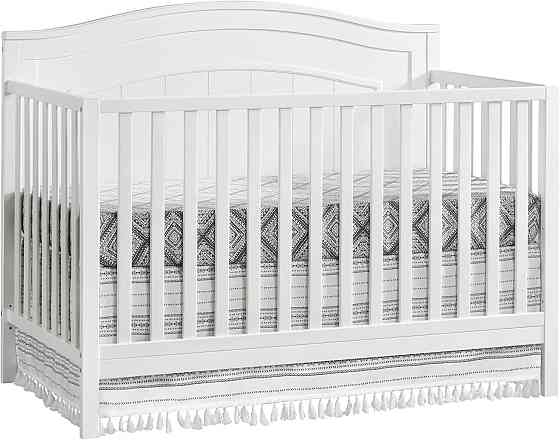
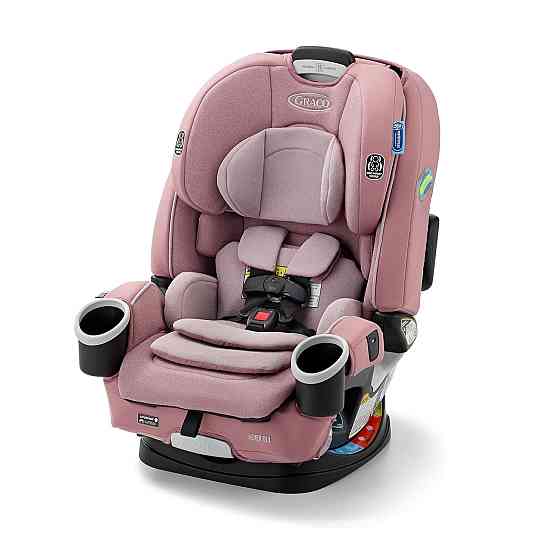
The strongest investments are often unglamorous. A properly fitted child restraint system, a stable sleep surface appropriate for age, anchored furniture, gates used exactly as specified, and locked medication storage are examples of products that protect against predictable hazards. These are not areas where aesthetics should outrank fit, installation, and compliance with current safety standards.
Durable daily-use items also deserve a thoughtful budget. Shoes that fit well, weather-appropriate outerwear, washable bedding, supportive backpacks, leak-resistant food containers, and sturdy bathroom step stools can reduce friction every day. For younger children, open-ended toys such as blocks, pretend-play materials, simple musical instruments, and art supplies often offer more developmental value than electronic toys with narrow scripts. They support motor planning, language, executive function, and social play without requiring constant novelty.
For children with specific functional needs, adaptive products may be worth investing in when selected with professional input. Examples include modified utensils, seating supports, pencil grips, visual schedules, noise-reduction tools, or bathroom supports. The key is individualization. A product that improves participation for one child may be unnecessary or even frustrating for another. Occupational therapists, physical therapists, speech-language pathologists, dietitians, and developmental pediatric clinicians can help distinguish supportive tools from expensive clutter.
Air quality products may also be worthwhile, especially in homes affected by wildfire smoke, traffic pollution, allergens, or indoor particulate sources. The U.S. Environmental Protection Agency emphasizes that source control and ventilation remain foundational, while air cleaners and filters can reduce airborne particles when appropriately selected and sized. Look for products suited to the room size and pollutant type, and plan for filter replacement costs before buying.
What to avoid: weak value and safety red flags
Many low-value purchases share the same pattern: impressive claims, limited evidence, short usability, and poor maintenance realities. Be cautious with products that promise to boost intelligence, cure sleep problems, detoxify air or skin, prevent illness broadly, or treat sensory processing without a clinical plan. In child health, broad claims often exceed the evidence.
Avoid products that make supervision feel optional. No infant lounger, bath seat, wearable monitor, or smart camera eliminates the need for safe positioning and attentive caregiving. Similarly, furniture that is tall, lightweight, or tempting to climb should not be used without anchoring when anchoring is recommended. For toys, avoid small parts for children still mouthing objects, high-powered magnets, button batteries without secure compartments, projectile components, and brittle plastics that can fracture into sharp pieces.
Consumer Reports’ product testing across categories is a useful reminder that higher price and attractive design do not guarantee performance. Its reporting on poor-performing home products shows that independent testing can reveal weak cleaning, poor durability, safety concerns, or disappointing usability that marketing does not disclose. For families, the lesson is to read beyond star ratings and look for comparative testing, recall history, and common failure patterns.
Secondhand products require particular judgment. Clothing, books, basic wooden toys, and some furniture may be excellent used purchases if intact and clean. But avoid secondhand car seats with unknown history, recalled cribs or sleep products, damaged helmets, old electrical devices, and products missing instructions, straps, screws, or labels. Secondhand child product safety depends on traceability: if you cannot verify the model, recall status, and completeness, the bargain may not be a bargain.
How to judge air cleaners, filters, and wellness devices
Air cleaners are a good example of how to invest carefully. The EPA notes that air cleaners and HVAC filters can help reduce airborne contaminants, but they are not a substitute for controlling sources of pollution or ensuring adequate ventilation. For a child with asthma or allergic rhinitis, an air cleaner may be one part of a broader environmental plan, but medication decisions and diagnosis belong with a healthcare professional.
When comparing air cleaners, prioritize clean air delivery appropriate to room size, filtration type, noise at the speed you will actually use, and ongoing filter costs. A quiet unit that runs consistently may outperform a powerful unit that is too loud for sleep. High-efficiency particulate filtration can help with particles such as smoke and some allergens. Be cautious with ozone-generating devices or products that emphasize ionization without clear safety and performance information; ozone can irritate airways, and children with reactive airway disease may be especially vulnerable.
Similar skepticism applies to wellness devices marketed for sleep, immunity, posture, or neurodevelopment. A white-noise machine may be useful if volume is kept safe and placement is appropriate, but it should not be used as a medical treatment for sleep-disordered breathing. A posture chair may support comfort, but it will not diagnose scoliosis. Blue-light products, aromatherapy diffusers, infrared devices, and wearable trackers may have niche uses, but they can distract from more effective interventions such as sleep routines, allergen control, physical activity, nutrition, or clinical assessment.
Before buying, define the outcome: fewer nighttime cough triggers, easier homework transitions, safer bathing, better medication organization, or less mealtime mess. If the outcome cannot be stated clearly, delay the purchase.
When premium is worth it, and when it is not
Premium spending is most defensible when the higher-cost product adds verified safety, durability, repairability, ergonomic fit, or long-term use across siblings. For example, a high-quality adjustable chair, a washable mattress protector, a reliable thermometer, or a backpack with better weight distribution may provide years of use. In contrast, premium branding is less meaningful for products with brief developmental windows or features that do not change safety or function.
Consumer Reports’ luxury car buying guidance, although focused on vehicles rather than child gear, offers a transferable principle: value is not the same as prestige. Reliability, safety performance, owner costs, and long-term satisfaction matter more than a luxury label. Families can apply the same thinking to strollers, monitors, high chairs, school technology, and nursery furniture. Ask what the premium price actually buys: better crash-test data, easier cleaning, stronger hinges, safer materials, longer warranty, or merely a fashionable finish.
For technology, consider update life and privacy. Tablets, smart speakers, cameras, GPS watches, and app-connected toys can be useful, but they may collect data, require subscriptions, or stop receiving software support. Avoid internet-connected products if the same function can be achieved with a simpler, safer item. For school-age children, investing in a durable device, protective case, and clear family media plan may be wiser than buying multiple cheap devices that break or become unsupported.
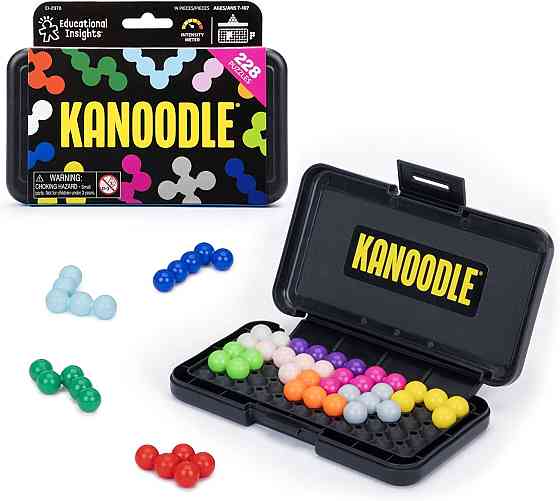
For toys and learning products, premium is worthwhile when materials are safer, construction is robust, and play is flexible. It is rarely worth paying more for toys that perform the play for the child, require many proprietary parts, or become unusable when batteries fail.
A practical buying framework for caregivers
Before purchasing, pause for a structured check. First, identify the child’s current need. Is the product for safety, access, hygiene, comfort, learning, or caregiver convenience? Second, check whether the child will use it now, not in an imagined future. Third, verify fit: age, weight, height, motor ability, sensory tolerance, and home layout. Fourth, review safety: recalls, choking hazards, cords, magnets, batteries, tip-over risk, and cleaning instructions. Fifth, calculate total cost, including replacement filters, proprietary refills, subscription fees, and storage space.
It can help to sort purchases into three categories. Buy new or very carefully verified for safety-critical equipment. Buy durable and simple for daily-use items. Borrow, rent, or buy secondhand for short-lived preferences when safety allows. This approach reduces guilt and waste while preserving resources for the products that matter most.
Also consider the caregiver’s bandwidth. A complex sterilizing system, app-connected monitor, or multi-part feeding tool may be technically impressive but burdensome during sleep deprivation or illness. The best product is often the one a real family can use correctly at 2 a.m., clean without resentment, and store without creating new hazards.
Finally, review products as the child grows. A once-helpful baby gate may become a climbing risk. A toy that was safe before may become dangerous for a younger sibling. A supportive seat may no longer fit. Routine inspection is not perfectionism; it is pediatric injury prevention adapted to a changing child.
Safety cautions before buying
- Seek professional advice for products intended to address breathing, feeding, sleep, mobility, sensory, or developmental concerns.
- Avoid high-powered magnets, unsecured button batteries, small parts for mouthing children, and recalled products.
- Do not rely on monitors, loungers, bath seats, or smart devices as substitutes for safe setup and supervision.
- Be cautious with ozone-generating air devices, especially around children with asthma or airway sensitivity.
- Verify secondhand safety-critical equipment before use; unknown history can invalidate apparent savings.
Tools & Assistance
- Check recall databases before buying or accepting secondhand child products
- Ask a pediatrician or therapist what outcome a therapeutic product should achieve
- Compare independent product testing rather than relying only on ads or influencer reviews
- Measure the room before buying an air cleaner and budget for replacement filters
- Create a quarterly home safety inspection routine for toys, furniture, cords, batteries, and straps
FAQ
Are expensive child products usually safer?
Not necessarily. Safety depends on correct fit, standards compliance, recall status, installation, and maintenance. A lower-cost product can be safer if it performs well and is used correctly.
When should I buy new instead of secondhand?
Buy new or only fully verified for car seats, helmets, sleep products, electrical devices, and items with critical straps or hardware. Unknown history is a major concern.
Are air purifiers worth buying for a child’s room?
They can help reduce airborne particles when properly sized and maintained, but they do not replace source control, ventilation, or medical care for asthma or allergies.
How can I avoid clutter from child products?
Buy for current needs, choose open-ended items, borrow short-stage products when safe, and define the problem a product must solve before purchasing.
Sources
- Consumer Reports — How to Find the Best Luxury Car or SUV
- Consumer Reports — 25 of the Worst Products of 2025—and What to Buy Instead
- U.S. Environmental Protection Agency — Air cleaners, filters, and purifiers: Guidance for choosing the right product
Disclaimer
This article is for informational purposes only and does not provide medical diagnosis, treatment, or individualized product prescriptions. Consult a qualified healthcare professional for concerns about a child’s breathing, sleep, feeding, development, mobility, or safety needs.














Please log in to leave a comment.