
Intro
Most parents are not careless about hygiene; they are trying to prevent infection, skin irritation, and daily mess with limited time and a tired brain. The problem is that hygiene can become inconsistent or overcomplicated, and small gaps in technique matter more than many families realize.
This article focuses on common hygiene mistakes in baby care, especially the ones that tend to happen under stress: rushed handwashing, overbathing, incomplete cleaning of feeding supplies, and cleaning routines that look thorough but miss the details that actually reduce germ spread. The goal is not perfection. It is a routine that is realistic, gentle, and medically sensible.
Highlights
The most common hygiene problems are usually not dramatic; they are small shortcuts that repeat every day.
Hand hygiene works best when parents model it consistently and use enough soap, water, and time.
A baby’s skin barrier is still developing, so harsh products and frequent washing can create new problems.
Feeding gear, diapering, and shared surfaces deserve more attention than many families give them.
Why hygiene mistakes happen
Hygiene mistakes usually come from good intentions. Parents are trying to be fast, tired, and responsive, and those pressures make it easy to rinse hands too briefly, reuse a wipe for too long, or assume a surface is clean because it looks clean. In a home with an infant, though, visible cleanliness and actual hygiene are not always the same thing.
The CDC and Mayo Clinic both emphasize that family hygiene works best when it is routine, not occasional. That means washing hands at predictable moments, not only when they look dirty; cleaning high-touch items on a schedule; and using techniques that are simple enough to repeat under pressure. A useful mindset is to treat hygiene as prevention, not rescue. Once a baby is already exposed to germs, the cleaning step is less effective than the habits that happened before the contact.
Another reason mistakes persist is that parents often overcorrect. They may start using stronger products, bathing more often, or scrubbing more aggressively than an infant’s skin can comfortably tolerate. A balanced routine matters more than an intense one.
Handwashing is the foundation
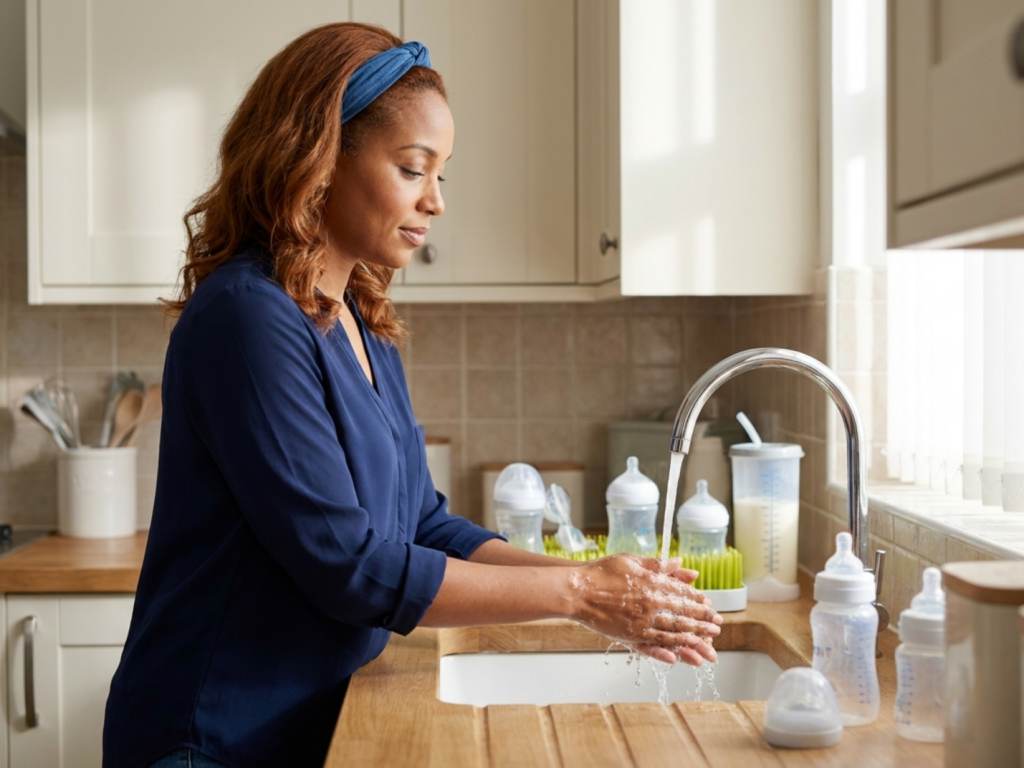
In baby care, handwashing is the highest-yield habit because hands carry germs to the face, diaper area, bottle parts, pacifiers, and toys. A common mistake is washing only when hands look dirty. In reality, the critical moments are before feeding, after diaper changes, after wiping a nose, after handling garbage, and after contact with anyone who is ill. Families also tend to rush the process, which reduces the benefit.
Effective handwashing means using soap and water, scrubbing all surfaces of the hands for long enough to matter, and drying well. The exact technique is simple, but parents often skip thumbs, fingertips, and the spaces between fingers. Children learn this best by watching adults do it the same way every time. The CDC specifically frames hand hygiene as a family activity because modeling is part of prevention, not just teaching.
When soap and water are not available, an alcohol-based sanitizer with at least 60% alcohol can be a practical backup for caregivers and older children. It is still not a substitute for proper washing when hands are visibly soiled or after diapering. If your home routine depends on sanitizer alone, that is a sign the routine needs adjustment.
Bathing too often, or too aggressively
Bathing is one of the places where loving attention can turn into overcorrection. Some parents bathe a baby too frequently because they are worried about odor, spit-up, or germs. Others use hot water, scented cleansers, or vigorous scrubbing because they want the baby to feel very clean. The risk is that these habits can irritate the developing skin barrier, leading to dryness, stinging, or worsening rash.
The skin of infants is not just smaller adult skin. It is more vulnerable to moisture loss and to irritation from fragrance, surfactants, and prolonged soaking. That is why a gentle baby hygiene routine matters more than a maximal one. In many cases, spot-cleaning, careful diaper-area cleaning, and brief baths are enough unless a clinician has advised otherwise. If bathing becomes a daily battle, the answer is usually to simplify, not to scrub harder.
After bathing, patting the skin dry is usually better than rubbing. Focus on folds, neck creases, and the diaper area, where moisture can linger. Parents sometimes assume that if a product says “baby,” it is automatically mild. That is not a safe assumption; fragrance and repeated washing can still be irritating. If you are unsure what your baby’s skin can tolerate, ask the pediatrician before adding more products.
Diapers, feeding gear, and the mouth
Diapering and feeding are where hygiene failures can spread quickly because they involve bodily fluids, mouths, and repeated contact. A frequent mistake is doing the visible cleanup but missing the sequence. For example, parents may wipe a diaper area, then touch a bottle nipple, then adjust the pacifier without washing hands in between. That is how germs move from one task to the next.
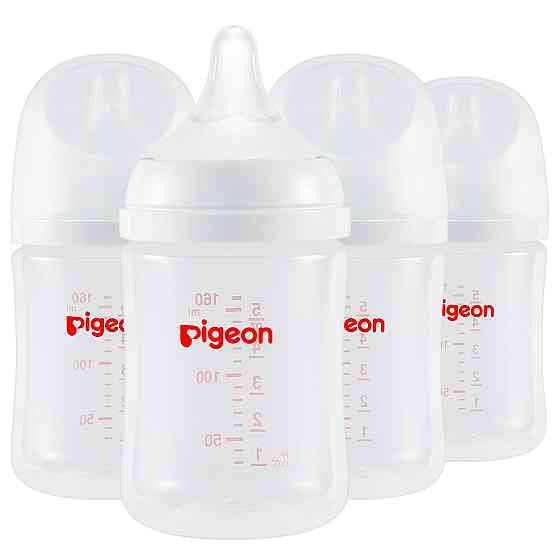
Gentle diaper-area cleaning should still be thorough. Wipes or water should remove stool and urine residue without aggressive rubbing. After a diaper change, hands need washing even if gloves were used or the change seemed minor. Feeding equipment hygiene is another weak point: bottle parts, breast pump components, nipples, and pacifiers all need their own cleaning routine. If a part is merely rinsed and left to air dry in a dirty sink area, the process is incomplete.
It also helps to separate clean and dirty zones. A clean bottle should not rest on a counter that just held raw food or cleaning spray residue. Pacifiers that fall on the floor should not be casually returned to the mouth without cleaning. These are small choices, but in infant care they are the choices that either interrupt or continue germ transfer.
Shared surfaces, toys, and cleaning products
Parents often focus on the baby’s body and forget the environment around the baby. High-touch household surfaces, changing pads, crib rails, door handles, and toys can all carry germs if they are not cleaned on a sensible schedule. The mistake is not usually that families never clean. It is that they clean in ways that leave gaps, such as wiping a surface and immediately using it again before it has dried, or assuming a quick spray solved the problem.
Cleaning products also create their own problems when they are used too casually. Fragranced sprays, leftover residue, or a product stored within a baby’s reach can turn hygiene into a chemical exposure issue. A surface that smells strongly clean is not necessarily safe for a baby’s mouth, hands, or skin. It is better to use products as directed, allow surfaces to dry, and keep chemicals out of reach in their original containers.
Parents should also be cautious with laundry and shared textiles. Towels, burp cloths, washcloths, and bedding can spread moisture and germs if they stay damp or are shared too broadly. Hygiene in the baby space works best when the environment is simple, easy to wipe, and not overloaded with extra items that trap dirt.
How to build a routine that lasts
The best hygiene plan is one you can repeat on a bad day. That usually means making the routine smaller, not more ambitious. Place hand soap where you actually need it, keep sanitizing supplies near diapering and feeding areas, and choose a few moments in the day when cleaning always happens. Predictability matters more than intensity.
It also helps to assign jobs clearly. One caregiver should not assume the other already washed hands or cleaned bottle parts. Families do better when the routine is visible and boring. For many homes, a simple checklist is enough: wash hands before feeds, after diaper changes, after cleaning the nose, clean feeding equipment right away, and wipe high-touch surfaces regularly. That kind of structure lowers the chance of drift.
Finally, remember that hygiene does not mean making a baby sterile. The goal is to lower avoidable exposure while preserving the baby’s comfort and skin integrity. If a skin rash keeps recurring, if cleaning routines are causing distress, or if you are unsure whether a habit is helpful or excessive, it is reasonable to ask a clinician to review your approach. A good hygiene routine should support health, not become another source of stress.
When to get medical advice
- Seek prompt care for fever in a young infant, poor feeding, unusual sleepiness, or fewer wet diapers.
- Call a clinician if redness, rash, open skin, or discharge is getting worse instead of better.
- Get advice if a hygiene product seems to trigger irritation, hives, cough, or breathing symptoms.
- Do not assume every rash or odor is a hygiene problem; some concerns need medical evaluation.
- If you are unsure whether your routine is too harsh or too lax, ask your pediatrician for guidance.
Tools & Assistance
- Pediatrician or family doctor
- CDC hand hygiene guidance
- Mayo Clinic handwashing guidance
- Unscented soap and clean towels
- Alcohol-based hand sanitizer with at least 60% alcohol
FAQ
How often should parents wash their hands around a baby?
Wash before feeds, after diaper changes, after nose wiping, after handling trash, and any time hands are visibly dirty.
Is sanitizer enough for baby care?
Sanitizer can help when soap and water are unavailable, but it is not a full substitute after diaper changes or visible contamination.
Can too much bathing harm a baby?
Yes. Frequent or harsh bathing can dry and irritate the developing skin barrier, especially with scented products or hot water.
What hygiene tasks are most often missed?
Handwashing technique, feeding equipment cleaning, diaper-area cleanup, and cleaning of shared surfaces and toys are common weak points.
Sources
- Centers for Disease Control and Prevention — About Hand Hygiene as a Family Activity
- Mayo Clinic — Hand-washing: Do's and don'ts
- MedlinePlus — Germs | Hygiene
Disclaimer
This article is for general education only and does not replace advice from a pediatrician or other qualified clinician. If your baby has fever, rash, dehydration, breathing trouble, or any concerning symptom, seek medical care.














Please log in to leave a comment.