
Intro
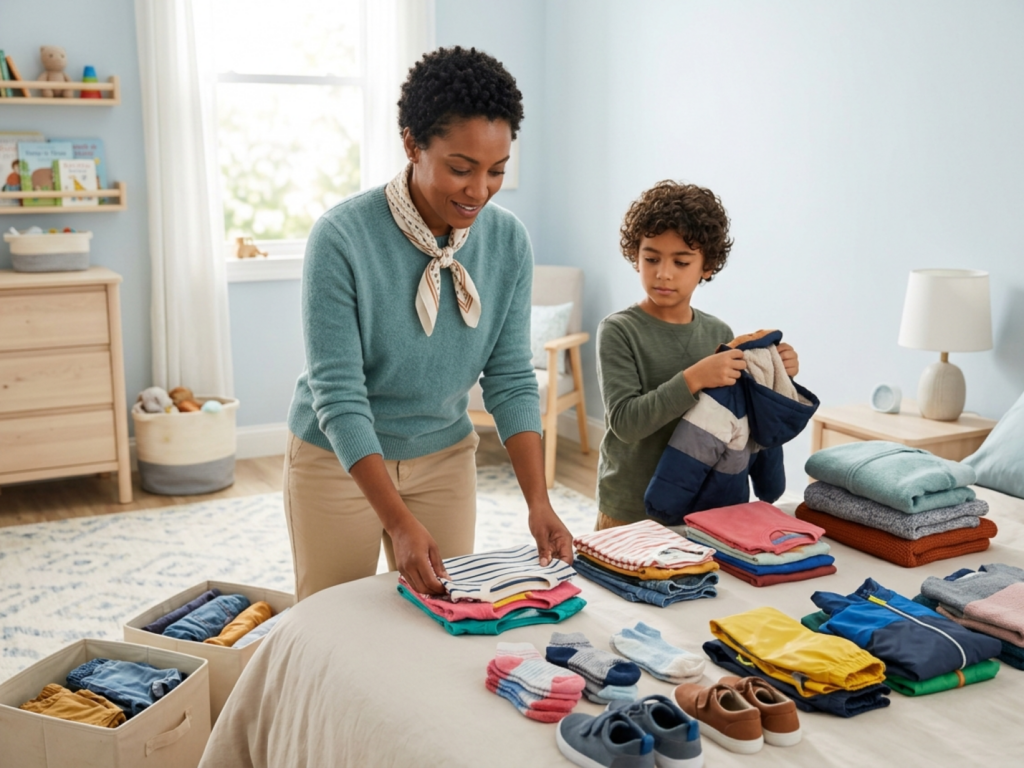
Children’s clothing needs change quickly: with growth spurts, weather shifts, school routines, sports, toileting stages, sensory preferences, and laundry frequency. A realistic wardrobe is not about having a perfect closet; it is about keeping a child comfortable, safe, and appropriately dressed without creating unnecessary expense or clutter.
Highlights
Most children do well with a small mix-and-match wardrobe that covers school, play, sleep, weather protection, and a few special activities.
Seasonal planning works best when you consider climate, laundry frequency, growth rate, skin sensitivity, and the child’s independence with dressing.
Layering is often safer and more flexible than relying on one very heavy garment, especially in transitional weather.
Medical factors such as eczema-prone skin, thermoregulation problems, allergies, mobility needs, or sensory processing differences may change clothing choices.
Start with the child, not the closet
A useful seasonal wardrobe begins with the child’s actual life. A preschooler who paints, climbs, and has occasional toileting accidents needs more washable play clothes than a ten-year-old who changes after school and keeps uniforms clean. A child in a mild coastal climate may need only light layers, while a child in a snowy region needs insulated outerwear, thermal base layers, and multiple pairs of warm socks.
Think in terms of “days covered.” If laundry happens twice a week, many families can manage with fewer pieces. If laundry is weekly, or if the child attends daycare where clothing gets wet or dirty, the same child may need nearly double the number of shirts, underwear, and socks. Growth also matters: buying too far ahead can leave you with clothes that fit in the wrong season.
For clothing for children, the most reliable formula is a mix of enough daily basics, a few weather-specific layers, and a small reserve for spills, illness, travel, or school emergencies. Children with eczema-prone skin, sensory sensitivities, neuromuscular conditions, ostomies, braces, or feeding tubes may need individualized choices. In those situations, families should ask the child’s clinician, occupational therapist, dermatologist, or school health team for practical adaptations.
A practical baseline: how many clothes do children need?
For many children ages 3 to 10, a comfortable everyday wardrobe per season often looks like this:
- 7 to 10 tops, including short-sleeve or long-sleeve options depending on the season.
- 5 to 7 bottoms, such as leggings, joggers, shorts, skirts, or jeans.
- 7 to 10 pairs of underwear, with more for children still mastering toileting.
- 7 to 10 pairs of socks, plus warm or sport-specific socks when needed.
- 2 to 4 pajamas or sleep sets, adjusted for nighttime accidents and sweating.
- 1 to 2 dressier outfits for events, religious services, family gatherings, or school performances.
- 1 to 3 activewear or messy-play outfits, especially for younger children.
- 2 to 3 pairs of shoes: everyday shoes, weather-appropriate shoes, and activity shoes if needed.
This is a starting point, not a rule. Babies and toddlers may need more frequent outfit changes because of reflux, drooling, diaper leaks, and messy feeding. Older children may need fewer “spare” outfits but more sport-specific items, uniforms, or social clothing. If a child wears a school uniform, reduce everyday tops and bottoms but keep enough comfortable after-school clothing.
A simple test is to count how often you are forced into emergency laundry. If it happens weekly, add two tops, two underwear, and two socks before adding specialty pieces. If drawers are always full of unworn clothing, the wardrobe is probably too large or not matched to the child’s preferences.
Spring clothing: flexible layers and wet-weather planning
Spring is a season of fluctuating temperature, rain, mud, pollen, and unpredictable schoolyard conditions. Children often leave home in cool weather and return warm, sweaty, or damp. A spring wardrobe should prioritize lightweight layers that a child can put on and remove independently.
A typical spring set might include 5 to 7 short-sleeve tops, 3 to 5 long-sleeve tops, 4 to 6 lightweight bottoms, 1 to 2 sweaters or hoodies, a rain jacket, and waterproof or water-resistant shoes. Younger children benefit from one extra complete outfit kept at school or in a daycare cubby. If spring sports begin, add sport socks, comfortable athletic bottoms, and breathable shirts that tolerate frequent washing.
Medical comfort matters in spring. Damp clothing can worsen chafing, and pollen that settles on fabric may aggravate allergic rhinitis or conjunctivitis in susceptible children. A pollen-reduction bedtime routine may include changing clothes after outdoor play and washing hair or exposed skin before bed. This does not replace medical care; if a child has persistent wheeze, facial swelling, severe eye symptoms, or sleep-disrupting congestion, families should consult a healthcare professional.
Choose layers that are easy to manage at school: zippers rather than difficult buttons, labeled jackets, and sleeves that can be pushed up for handwashing. Avoid long drawstrings and loose scarves on playgrounds because they can pose entanglement risks.
Summer clothing: heat, sun, sweat, and water play
Summer wardrobes should help reduce overheating while protecting skin from sun, friction, and insect exposure. Lightweight, breathable fabrics are usually more comfortable than thick or non-breathable synthetics, although performance fabrics can be useful for sports when they wick moisture and do not irritate the skin.
For summer, many children need 7 to 10 T-shirts or sleeveless tops, 5 to 7 shorts or lightweight bottoms, 1 to 2 light long-sleeve layers for sun or cool evenings, 2 swimsuits if swimming is frequent, 1 sun hat, sandals or water shoes, and everyday supportive shoes. Children in camps may need more labeled items because clothing is easily lost, wet, or sent home dirty.
Heat illness prevention is broader than clothing, but clothing plays a role. Overdressing, dark heavy fabrics, and poor hydration can contribute to heat stress. Warning signs such as unusual lethargy, confusion, persistent vomiting, fainting, or hot dry skin require urgent medical attention. For infants and children with chronic cardiopulmonary, neurologic, or endocrine conditions, ask the child’s clinician about heat precautions.
Summer also increases skin friction from sweat, sand, and wet swimwear. Promptly changing out of wet clothing can reduce irritation. For children with sensitive skin, fragrance-free laundry for sensitive skin and well-rinsed fabrics may be helpful. Sunscreen, shade, and protective clothing should be considered together rather than relying on one measure alone.
Autumn clothing: transition pieces for school and play
Autumn is an ideal time to build a mix-and-match wardrobe because temperatures may vary widely between morning, recess, and afternoon. Children often need school-appropriate basics, outdoor play clothes, and a warmer layer before true winter gear is required.
A practical autumn wardrobe may include 5 to 7 long-sleeve tops, 3 to 5 short-sleeve tops for layering, 5 to 7 bottoms, 2 hoodies or sweaters, 1 light jacket or fleece, 1 raincoat if the climate is wet, 7 to 10 socks, and 2 to 4 pajamas. If the child attends school, check dress codes and storage space. Bulky layers may be difficult to manage in a small cubby or classroom hook.
Autumn is also a good time for fit checks. Shoes that fit in spring may be too small by October. Tight footwear can cause pain, nail trauma, blisters, and avoidance of activity. Waistbands should allow sitting, running, and deep breathing without pressure. For children who use orthotics, ankle-foot orthoses, compression garments, or adaptive devices, fit should be reviewed more often because small changes can affect skin integrity and gait.
Because autumn often brings viral respiratory infections, keep at least a small buffer of clean pajamas, underwear, and soft tops. When children are ill, clothing that is easy to remove helps with temperature monitoring and comfort, but fever management and medication decisions should be discussed with a healthcare professional when uncertain.
Winter clothing: warmth without unsafe bulk
Winter clothing should protect against cold exposure while still allowing movement, toileting, and safe travel. A basic winter wardrobe may include 5 to 7 warm tops, 5 to 7 bottoms, thermal base layers if the climate is cold, 2 to 3 sweaters or fleece layers, a properly fitted winter coat, a hat, gloves or mittens, a neck warmer, warm socks, waterproof boots, and 2 to 4 warm pajamas.
Layering is usually more adaptable than one extremely heavy item. A moisture-managing base layer, an insulating middle layer, and a wind- or water-resistant outer layer can help maintain comfort during active play. Cotton may become cold when wet, so children playing in snow often need fabrics that manage moisture better. Pack an extra pair of mittens and socks for school or outings because wet extremities become cold quickly.
One important safety issue is car travel. Bulky winter coats can compress under a harness, making car seat restraints less effective. Families should follow car seat manufacturer instructions and local child passenger safety guidance. Often, the child can be buckled in without the bulky coat and then covered with a blanket or coat placed over the harness.
Seek medical advice urgently for symptoms concerning for hypothermia or frostbite, such as severe shivering followed by lethargy, confusion, pale or waxy skin, numbness that does not improve with gentle warming, or pain after rewarming. Children cannot always describe cold injury clearly, so caregivers should check hands, feet, ears, and cheeks during prolonged outdoor exposure.
Capsule wardrobes and mix-and-match strategies
A capsule approach reduces decision fatigue and laundry confusion. Instead of buying many complete outfits that only match one way, choose a limited palette and compatible shapes. For example, 8 tops that coordinate with 6 bottoms can create far more than 8 outfits. This is especially useful for school-age children who are learning independence but still need guidance.
Build around the pieces a child actually wears: soft joggers, leggings, durable jeans, uniform pants, simple T-shirts, and easy layers. Add color or personality through a few favorite prints rather than making every piece highly specific. Keep dress clothes separate if they are rarely worn, so daily drawers stay functional.
For children with sensory-sensitive children’s clothing needs, consistency may be more important than variety. Some children tolerate only certain seams, waistbands, tags, or fabric textures. Buying multiple versions of an acceptable item can be medically and emotionally practical, not indulgent. Occupational therapists can sometimes help families identify tolerable materials and dressing strategies.
Label clothing, especially outerwear and school items. Store off-season clothes in clear bins by size, not only by age, because children grow at different rates. At each seasonal change, remove items that are too small, damaged, uncomfortable, or never chosen. This makes the remaining wardrobe easier for both child and caregiver to use.
When to adjust the numbers
The baseline quantities should expand or shrink based on real-life signals. Add more basics if the child has frequent spills, nighttime enuresis, heavy sweating, muddy outdoor play, split custody transitions, limited laundry access, or school requirements for spare clothing. Add activity-specific clothing for dance, martial arts, soccer, swimming, snow sports, or camping, but keep those items separate from everyday counts.
Reduce quantities when clothes are consistently outgrown before being worn, when drawers cannot close, or when the child repeatedly chooses the same few items. Too many choices can overwhelm children, especially those with attention, anxiety, or sensory processing difficulties. A smaller, predictable wardrobe may support independence.
Medical and developmental needs can change the plan. Children with eczema may benefit from soft, breathable fabrics and avoidance of irritating seams or harsh detergents. Children with limited hand strength may need larger zipper pulls, elastic waists, or adaptive closures. Children with diabetes technology, feeding tubes, casts, braces, or mobility aids may need clothing that allows access without pressure or friction. Ask clinicians for condition-specific safety advice rather than improvising around medical devices.
The best wardrobe is the one that keeps the child comfortable, safe, and able to participate. Perfection is unnecessary. A thoughtful seasonal reset two to four times a year is usually enough to prevent both shortages and excess.
When clothing choices need extra caution
- Seek urgent care for signs of heat illness, hypothermia, frostbite, breathing difficulty, or altered mental status.
- Avoid long drawstrings, loose scarves, or dangling accessories on playgrounds and around moving equipment.
- Do not place a child in a car seat with a bulky coat unless the car seat instructions specifically allow it.
- Consult a clinician for clothing adaptations around casts, braces, feeding tubes, ostomies, or skin breakdown.
- Persistent rashes, severe itching, open skin, or suspected allergic reactions should be assessed by a healthcare professional.
Tools & Assistance
- Seasonal drawer audit: remove outgrown, damaged, uncomfortable, and wrong-season items.
- Laundry-frequency calculator: multiply daily essentials by the number of days between washes plus two spares.
- School spare-clothes kit: underwear, socks, top, bottom, and weather-appropriate layer.
- Fit check appointment with an occupational therapist or clinician when medical devices affect dressing.
- Family clothing checklist stored on a phone before shopping or accepting hand-me-downs.
FAQ
How many outfits does a school-age child really need?
Many school-age children manage well with about 7 to 10 tops, 5 to 7 bottoms, 7 to 10 underwear and socks, and a few layers per season, adjusted for laundry frequency and activities.
Should I buy a size up for children’s seasonal clothing?
A little growing room is helpful, but clothing that is too large can trip, slip, bunch under outerwear, or interfere with play. Shoes and safety gear should fit correctly now.
What clothing is best for children with sensitive skin?
Soft, breathable fabrics, flat seams, tagless designs, and gentle laundering may help. Persistent eczema, rash, or suspected contact dermatitis should be discussed with a clinician.
How often should I reassess my child’s wardrobe?
A quick check at each season change is usually enough, with extra checks after growth spurts, new school activities, or changes in medical or sensory needs.
Is a capsule wardrobe realistic for children?
Yes. A small set of mix-and-match tops, bottoms, layers, and shoes can cover most needs while making dressing easier and reducing unnecessary purchases.
Sources
- PatPat — Wardrobe Planning by Season: A Printable Checklist for Kids 4-10
- Deux par Deux — How Many Clothes Should I Buy For My Child?
- The Children's Place — How to Build Mix & Match Kids' Outfits: A Complete Guide
Disclaimer
This article is for general informational purposes and is not a substitute for medical advice. Consult a qualified healthcare professional for concerns about skin conditions, temperature-related illness, allergies, or clothing adaptations for medical needs.
















Please log in to leave a comment.