
Intro
Starting preschool is a meaningful transition for children and caregivers. The right gear cannot prevent every tearful goodbye, spilled snack, or missing mitten, but it can reduce friction, support autonomy, and help teachers respond quickly to everyday needs.
Highlights
Preschool gear should be practical, washable, easy for small hands to manage, and clearly labeled.
The best products support safety, hygiene, nutrition, sleep, outdoor play, and learning through play.
Children with allergies, asthma, eczema, neurodevelopmental differences, or medical devices may need individualized planning with the preschool team.
Buying less, but choosing durable and developmentally appropriate items, is often better than overpacking.
Start with the preschool’s own policy
Before buying anything, ask for the school’s supply list and health policy. Preschools vary widely: some provide meals, sunscreen, bedding, art supplies, diapers, or rest mats, while others ask families to send these from home. A center may also have rules about bottle types, nut-free foods, medication storage, diaper cream authorization, pacifiers, footwear, and whether comfort objects are allowed.
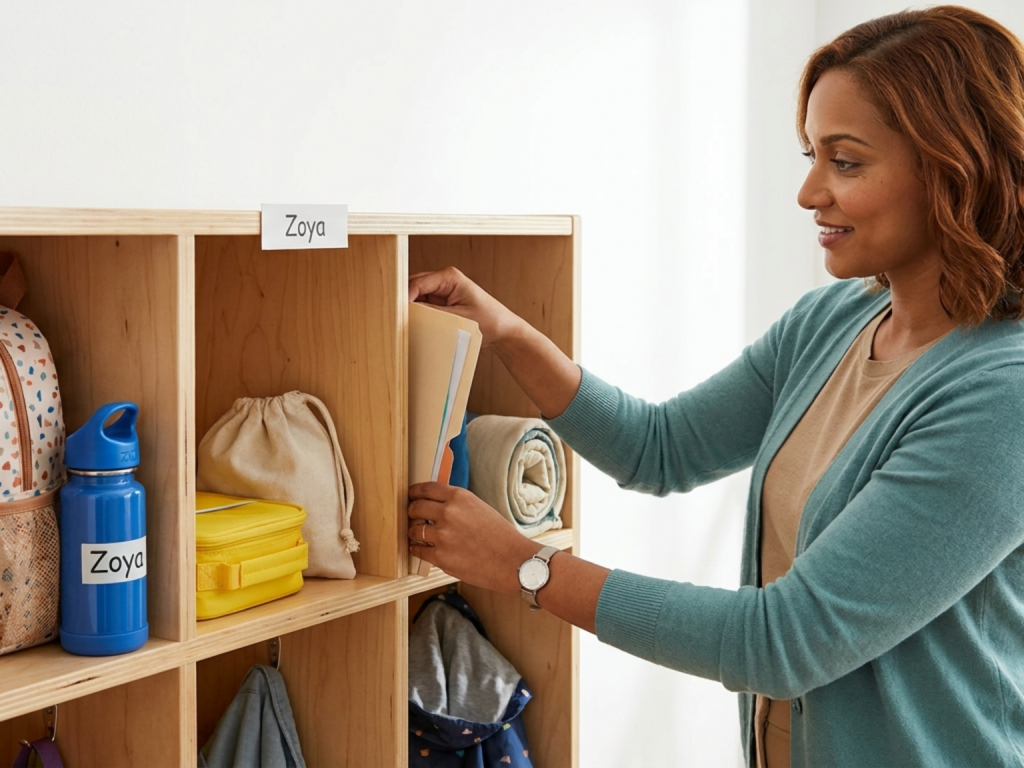
This matters because preschool is a group-care environment. Teachers need items that are easy to identify, easy to sanitize, and safe around many children. Labeling every item with the child’s name is not just a convenience; it reduces lost property, medication mix-ups, allergen confusion, and hygiene concerns. Use waterproof labels or permanent marker on clothing tags, lunch containers, water bottles, sunscreen, bedding bags, and shoes.
It is also wise to ask how the day is structured. A full-day program with outdoor play and nap time requires different gear than a half-day program. If your child is still developing toileting routines in preschool, has separation anxiety, or needs a comfort item for sleep, tell the teacher early. Predictable routines and visual schedules for preschoolers can make gear use easier because children know when they will unpack, eat, rest, change clothes, and go outside.
Daily bag essentials: backpack, labels, clothing, and comfort
A preschool backpack should be lightweight, durable, and sized for a child’s torso, but large enough to hold a folder, lunch box, extra clothes, and a small rest item. Avoid oversized backpacks that hang below the hips or require a child to lean forward. Wide straps, a chest clip if tolerated, and simple zippers support independence.
Every child should have at least one full change of clothing at school. For preschoolers in a potty-training phase, pack extra underwear, socks, pants, and a sealable wet bag. Accidents are developmentally common and not a moral failure; having clean clothes available helps preserve dignity and prevents prolonged skin moisture, which can worsen irritant dermatitis.
- Backpack: child-sized, washable, easy to open, and not too heavy.
- Extra clothing: underwear, socks, pants, shirt, and seasonal layers.
- Wet bag: reusable, leak-resistant, and labeled.
- Comfort item: small stuffed animal, soft cloth, or family photo if the school allows it.
- Communication folder: for forms, artwork, incident notes, and health updates.
Comfort items can be especially helpful during the first weeks. A small, washable object may support co-regulation before self-regulation, meaning the child borrows emotional steadiness from familiar cues and trusted adults before they can fully manage distress alone.
Lunch, snack, and hydration gear
Food gear should match your child’s fine motor skills. A beautifully compartmentalized lunch box is only useful if the child can open it or if staff have time to help. Choose containers with simple latches, a spill-proof water bottle, and an insulated lunch bag if refrigeration is limited. Practice opening everything at home before the first day.
For nutrition and safety, follow the preschool’s allergy and food policies. Many programs restrict nuts or require ingredient labels. If your child has a diagnosed food allergy, anaphylaxis action plan, celiac disease, diabetes, feeding disorder, or swallowing difficulty, coordinate with the child’s clinician and the school before attendance. Do not rely on a lunch note alone for medical instructions.
Preschool foods should be easy to chew and developmentally appropriate. Choking prevention remains relevant at this age, especially for hard, round, sticky, or slippery foods. Grapes and cherry tomatoes should be cut lengthwise, hard raw vegetables may need to be cooked or thinly sliced, and whole nuts, popcorn, and large globs of nut butter are often inappropriate for preschool settings.
- Spill-proof water bottle: preferably with a covered spout and easy-clean parts.
- Bento-style or small containers: useful for planned snacks and balanced portions.
- Insulated lunch bag: helps maintain food safety when refrigeration is unavailable.
- Reusable utensils: short handles and rounded edges are easier for small hands.
- Backup snack: if permitted, choose shelf-stable food that meets allergy rules.
A Preschool nutrition checklist can help families think through variety, hydration, choking risk, and school policies without turning lunch packing into a daily source of stress.
Nap and rest-time gear
Many preschoolers still need a rest period even if they no longer sleep every day. Rest time helps reduce behavioral fatigue, supports emotional regulation, and gives the nervous system a predictable pause after social and sensory stimulation. Ask whether the school provides mats or cots, and whether families should send a sheet, blanket, pillow, or all-in-one nap roll.
Choose bedding that is washable, compact, and easy for your child to recognize. Avoid large pillows, heavy blankets, or items that cannot be laundered frequently. If your child has asthma, allergic rhinitis, eczema, or dust mite sensitivity, ask the pediatric clinician whether specific bedding precautions are appropriate. Fragrance-free detergent may be useful for children with sensitive skin, but it should not replace medical evaluation for persistent rash, wheezing, or sleep-related breathing concerns.
For children who resist rest, a small comfort object, quiet book, or soft fabric item may help. However, the school’s supervision and safety rules come first. If your child snores loudly, pauses breathing during sleep, has marked daytime sleepiness, or has behavioral deterioration linked to poor sleep, discuss this with a pediatric healthcare professional rather than assuming it is only a preschool adjustment issue.
Outdoor, seasonal, and hygiene products
Outdoor play is a core part of preschool. It supports gross motor skills, vestibular input, sunlight exposure, social problem-solving, and sensory exploration. Gear should help children participate safely in varied weather, not keep them perfectly clean. Send clothing that can tolerate mud, paint, sweat, and frequent washing.
Seasonal essentials include a weather-appropriate jacket, hat, mittens, rain boots, indoor shoes if required, and sun protection. Sunscreen and insect repellent policies differ by region and school. Some programs require written permission, original packaging, or staff-administered application. Use products appropriate for the child’s age and skin history, and consult a clinician for children with significant eczema, allergic reactions, photosensitivity disorders, or complex medication regimens.
- Sunscreen: labeled, school-approved, and applied according to policy.
- Insect repellent: useful in tick- or mosquito-prone areas; follow age and ingredient guidance.
- Seasonal outerwear: layers are better than one bulky item.
- Closed-toe shoes: safer for climbing, running, and playground surfaces.
- Hand hygiene supplies: tissues and wipes if requested by the school.
Hygiene supplies should be practical but not excessive. Preschools often request tissues, wipes, cleaning supplies, or hand sanitizer for classroom-wide use. These products help reduce transmission of common respiratory and gastrointestinal infections, although no supply list can eliminate illness exposure in group care. Children should stay home according to the school’s fever, vomiting, diarrhea, rash, and contagious disease policies.
Learning tools and play-based preschool products
The best preschool products are not necessarily electronic or expensive. Play dough, blocks, puzzles, crayons, child-safe scissors, washable markers, picture books, pretend-play props, and simple manipulatives support learning through play in preschool. These materials build fine motor control, bilateral coordination, hand strength, visual-motor integration, language, executive function skills, and early problem-solving.
Look for open-ended items that can be used in many ways. Blocks can become towers, roads, animal homes, or counting tools. Play dough can strengthen the intrinsic hand muscles needed for later writing. Puzzles support spatial reasoning and frustration tolerance. Dress-up or pretend food can encourage symbolic play and turn-taking and sharing skills.
For home support, a small preschool station is enough. Keep materials accessible, rotate them rather than displaying everything at once, and prioritize washable, non-toxic products designed for the child’s age. Avoid toys with small detachable parts if younger siblings are present or if your preschooler still mouths objects. If you notice persistent difficulty using both hands together, extreme distress with textures, frequent falling, loss of skills, or major delays compared with peers, discuss concerns with a pediatrician, occupational therapist, or developmental specialist. Understanding How preschoolers learn best can help caregivers choose tools that match the child’s developmental stage rather than pushing premature academic work.
Health, safety, and individualized medical needs
Some preschool gear must be planned with medical precision. Medications, inhalers, epinephrine auto-injectors, glucose supplies, seizure rescue plans, feeding equipment, hearing devices, glasses, orthotics, or skin-care products should never be sent casually in a backpack without school approval. Most programs require signed medication forms, clinician instructions, original pharmacy labels, and locked storage.
If your child has asthma, food allergy, epilepsy, diabetes, congenital heart disease, immunocompromise, developmental disability, or a history of anaphylaxis, request a care-plan meeting before the first day. Clarify who is trained to administer medication, where emergency supplies are stored, what symptoms require urgent action, and how caregivers will be contacted. Keep expiration dates visible and replace products promptly.
Safety also includes product selection. Avoid drawstrings around the neck, long cords, jewelry that can catch on playground equipment, fragranced products that may irritate classmates, and unlabeled homemade creams. Choose washable items to limit microbial contamination. Inspect water bottle straws, pacifiers if used, lunch seals, and nap items for mold or wear. When in doubt, ask the teacher what creates the least burden in the classroom while still meeting your child’s needs.
A realistic must-have gear checklist
A strong preschool list balances preparedness with simplicity. Overpacking can make cubbies chaotic and increases the chance that items go missing. Start with essentials, then add individualized items after observing the first two weeks.
- Every day: backpack, water bottle, lunch or snack if needed, communication folder, and weather-appropriate outerwear.
- Stored at school: full clothing change, wet bag, indoor shoes if required, diapers or pull-ups if applicable, wipes if requested, and emergency medical supplies when prescribed and authorized.
- Nap days: labeled sheet, blanket, small pillow if allowed, and one washable comfort object.
- Outdoor days: sunscreen, insect repellent when appropriate, rain gear, winter layers, and closed-toe shoes.
- Learning support at home: crayons, paper, play dough, blocks, puzzles, books, child-safe scissors, and simple pretend-play materials.
Budget-conscious families can prioritize safety and daily function first: water bottle, extra clothes, shoes, lunch gear, and bedding if required. Classroom donation items such as tissues, cleaning spray, art supplies, or shared manipulatives can often be purchased later or divided among families. It is completely reasonable to ask the program which items are essential immediately and which are optional.
When to ask for professional guidance
- Consult a pediatric healthcare professional before sending medications, emergency treatments, or medically necessary products to school.
- Seek individualized advice for food allergies, asthma, diabetes, seizures, swallowing difficulty, eczema flares, or immunocompromise.
- Follow school illness policies for fever, vomiting, diarrhea, contagious rash, or suspected infection.
- Avoid small parts, hard round foods, drawstrings, and unlabeled products that may create safety risks.
- Discuss major sensory distress, regression, or persistent motor difficulties with a clinician or developmental specialist.
Tools & Assistance
- Ask the preschool for its written supply, medication, allergy, sunscreen, and illness policies.
- Create a labeled duplicate set of clothing and rest items to keep at school.
- Practice opening lunch containers, water bottles, zippers, and shoes at home.
- Schedule a care-plan meeting for any child with chronic medical or developmental needs.
- Review the backpack weekly for wet clothing, expired items, food residue, and missing labels.
FAQ
How many outfits should I keep at preschool?
Most children need at least one full outfit. Children who are potty training or prone to spills may need two, plus extra underwear, socks, and a wet bag.
Should I buy expensive educational toys for preschool readiness?
Usually no. Open-ended basics such as blocks, puzzles, books, crayons, play dough, and pretend-play items support fine motor, language, and problem-solving skills very well.
Can I send sunscreen or insect repellent in the backpack?
Only if the preschool allows it. Many programs require written permission, labeled original packaging, and staff administration according to policy.
What if my child needs an inhaler or epinephrine auto-injector?
Arrange this with the school before attendance. A clinician-signed action plan, medication authorization, correct storage, and trained staff are typically required.
Is a comfort item a good idea?
Often yes, if the school permits it. A small washable comfort item can help with separation and rest time, especially during the first weeks.
Sources
- Day Early Learning — Essential Supplies for Your Preschool-aged Child
- Brightwheel — The Essential Preschool Supply List for 2026
- The Bump — Checklist: What to Pack for the First Day of Preschool
Disclaimer
This article is for general informational purposes only and does not replace medical advice. Consult your child’s pediatrician or another qualified healthcare professional for individualized health, safety, allergy, medication, or developmental guidance.









Please log in to leave a comment.