
Intro
Traveling with children can be joyful, stressful, and logistically intense, often all in the same hour. Many caregivers buy products to make the trip safer or easier, but the wrong product, the wrong fit, or a rushed setup can create preventable risk.
This guide reviews common travel product mistakes for children, with a focus on car seats, restraints, insect protection, food and water precautions, sleep products, and age-appropriate planning. It is intended to support thoughtful decision-making, not to replace individualized advice from a pediatrician, certified child passenger safety technician, or travel medicine clinician.
Highlights
A travel product is only protective when it matches the child’s age, size, medical needs, and the way it is actually used.
Car seat errors are among the most common and consequential travel product mistakes, especially loose harnesses, incorrect installation, and moving children to the next stage too early.
Products for insect bite prevention, hydration, sleep, and feeding require extra caution because children have different physiologic vulnerabilities than adults.
Secondhand, recalled, expired, or improvised travel gear can look convenient but may have hidden safety problems.
Mistake 1: treating travel products as one-size-fits-all
One of the most common travel product mistakes is assuming that a product labeled for children is appropriate for every child. Children differ widely in developmental stage, weight, height, airway anatomy, thermoregulation, skin sensitivity, and ability to follow safety instructions. A product that is reasonable for a school-age child may be unsafe for an infant or toddler, and a product marketed as convenient may not meet the child’s actual safety needs.
Before buying or packing travel gear, caregivers should check the product’s age, weight, and height limits; whether it meets relevant safety standards; and whether the child can use it as intended. For example, a booster seat is not simply a smaller car seat. It depends on mature sitting posture, proper belt positioning, and the child’s ability to remain correctly seated for the entire ride. Similarly, a compact stroller, carrier, inflatable bed, or travel high chair may be useful only if it is stable, intact, and suitable for the child’s developmental level.
Families may also underestimate how travel changes risk. Fatigue, airport transfers, rental cars, taxis, unfamiliar foods, heat, altitude, insects, and disrupted routines all make product misuse more likely. Planning should include not only what to buy, but how adults will install, clean, carry, store, and supervise each item. This is especially important when traveling with infants, toddlers, children with disabilities, or children who use medical equipment.
Mistake 2: using a car seat incorrectly or choosing the wrong restraint
Child passenger restraints are among the most important travel products, yet they are frequently used incorrectly. Common errors include using a seat that is expired, recalled, damaged, missing labels or instructions, or has an unknown crash history. Buying a secondhand seat can be tempting, but caregivers need to know its full history and confirm that all parts are present and functional.
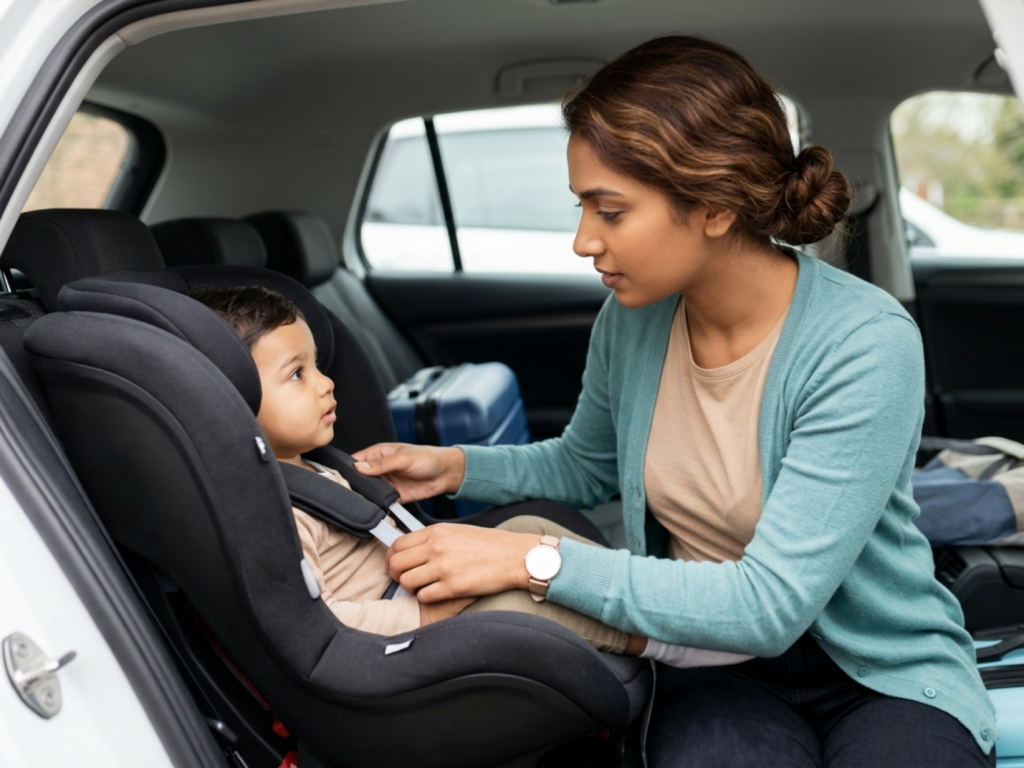
Installation mistakes are equally important. A car seat may move too much at the belt path, be installed at the wrong recline angle, or be secured with both the lower anchors and the seat belt when the manufacturer does not allow that combination. Another frequent problem is placing a rear-facing car seat in front of an active passenger air bag, which can be catastrophic in a crash. Children should generally ride in the back seat, and caregivers should follow both the car seat manual and the vehicle manual.
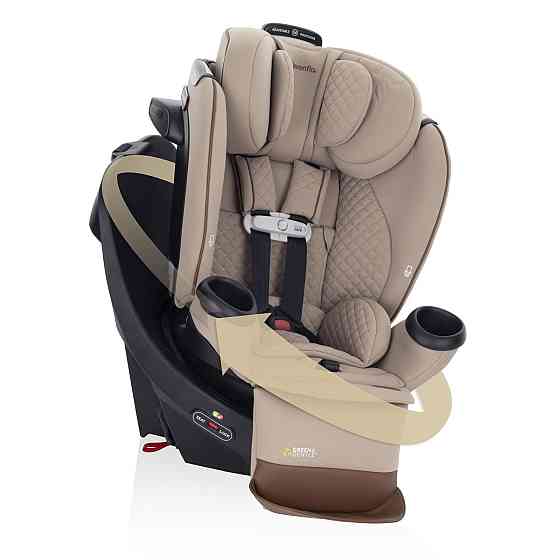
Harness fit deserves careful attention. Bulky coats, loose straps, twisted webbing, and a chest clip placed too low can reduce protection. The harness should be snug enough that excess webbing cannot be pinched at the shoulder, and the chest clip should sit at armpit level. A common mistake is advancing a child too soon from rear-facing to forward-facing, from a harnessed seat to a booster, or from a booster to the adult seat belt. The safest choice is usually to keep the child in each stage until they reach the maximum limits allowed by the seat, while still following the manufacturer’s instructions.
For air travel, caregivers should check whether the restraint is approved for aircraft use and whether it fits the airplane seat. If renting a car, planning for an appropriate car seat is still necessary; relying on an unknown rental seat may create uncertainty about cleanliness, condition, and correct fit.
Mistake 3: overlooking insect repellent and skin protection details
Insect bite prevention is not just a comfort issue. In some destinations, mosquitoes, ticks, flies, or other vectors can transmit infections. A frequent travel product mistake is buying an adult-strength product without checking pediatric suitability, or using a repellent in a way that increases exposure to mucous membranes, eyes, or ingestion.
Caregivers should choose insect repellents according to the child’s age, destination risk, and professional guidance. Products containing DEET, picaridin, IR3535, oil of lemon eucalyptus, or other active ingredients have different age considerations and instructions. Repellent should be applied by an adult, kept away from a child’s hands, eyes, mouth, irritated skin, and open wounds, and washed off when no longer needed. Sunscreen and repellent can both be necessary, but combination products may encourage inappropriate reapplication of repellent when only sunscreen needs to be reapplied.
Physical barriers are also travel products. Long sleeves, long pants, socks, permethrin-treated clothing or gear where appropriate, bed nets, and screened accommodations can reduce reliance on repeated skin applications. Infants and young children may need stroller netting or crib netting, but netting must be intact, secured away from the face, and not create an entanglement hazard. Families should consult a travel medicine clinician or pediatrician before travel to areas with malaria or other vector-borne disease risks, because product choices may need to be paired with vaccines, chemoprophylaxis, or destination-specific precautions.
Mistake 4: assuming food, water, and feeding products are automatically safe
Food and water products become more complicated when children travel. Children are more vulnerable to dehydration from vomiting or diarrhea because they have smaller fluid reserves and may decompensate more quickly than adults. A polished water bottle, sippy cup, formula container, or portable feeding set is not protective if it is filled, washed, or stored unsafely.
Common mistakes include using untreated tap water for formula or tooth brushing in areas where water safety is uncertain, rinsing bottles with unsafe water, accepting ice from uncertain sources, and relying on foods that require refrigeration without a reliable cold chain. For infants, formula preparation should be planned carefully, including access to safe water, clean surfaces, and appropriate storage. Breastfeeding families may need privacy, hydration, and pump-cleaning plans rather than unnecessary products that are hard to sanitize.
Travel snacks should be developmentally appropriate and not increase choking risk in moving vehicles or crowded transit settings. Small hard foods, round foods, and sticky foods may require modification or avoidance depending on the child’s age and chewing ability. For children with food allergies, travel products should include clearly labeled safe foods and access to prescribed emergency medication if recommended by the child’s clinician. Caregivers should not start unfamiliar supplements, antidiarrheal products, or antiemetic medications without medical advice, especially in young children.
Mistake 5: choosing portable sleep gear for convenience over safety
Portable sleep products are heavily marketed to traveling families, but sleep safety should not be relaxed because a family is away from home. Soft, inclined, padded, improvised, or adult-size sleep surfaces may increase risk, especially for infants. A travel crib, bassinet, or portable play yard should be age-appropriate, assembled exactly as instructed, and used only with the mattress or pad designed for that product.
Caregivers should avoid adding pillows, loose blankets, cushions, aftermarket positioners, or extra padding. These may seem to improve comfort, but they can change the product’s safety profile. The sleep area should be stable, away from cords, blinds, heaters, balconies, and heavy objects that could fall. Hotel cribs and borrowed equipment should be checked for recalls, broken hardware, gaps, missing parts, and cleanliness before use.
Travel fatigue can lead to risky improvisation, such as letting an infant sleep for long periods in a car seat, carrier, swing, or stroller outside its intended use. Car seats are essential for vehicle protection, but they are not a substitute for a safe sleep surface once the child is out of the vehicle. If a child has respiratory, neuromuscular, reflux, prematurity-related, or airway concerns, families should ask the child’s healthcare professional whether any additional travel sleep planning is needed.
Mistake 6: forgetting that strollers, carriers, and luggage products affect injury risk
Strollers, carriers, wagons, ride-on suitcases, and backpack-style child carriers can reduce fatigue, but they also introduce fall, entrapment, and overuse risks. A stroller that works well at home may be unstable on cobblestones, curbs, escalators, boat docks, or crowded transit platforms. Caregivers should use the harness, lock brakes when parked, avoid hanging heavy bags from handlebars, and never leave a child unattended in a stroller.
Soft infant carriers require careful positioning. The child’s airway should remain visible and unobstructed, with the chin off the chest, especially in young infants or those with respiratory vulnerability. Carriers should fit the adult and child properly, and the adult should be able to maintain balance while walking, boarding transport, or carrying other bags. For framed backpack carriers, caregivers should check weight limits, kickstand stability, and safe loading practices.
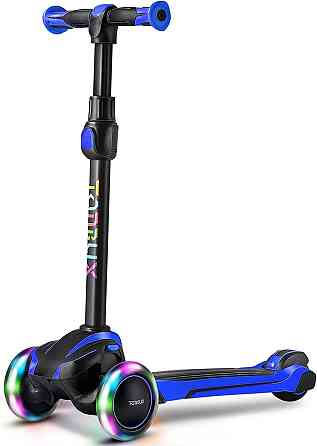
Ride-on luggage and scooters may be fun but can be hazardous in airports or streets if children cannot control speed, direction, or braking. Protective equipment may be appropriate for some activities, and active supervision remains essential. These concerns overlap with Toddler product mistakes, Preschool product mistakes, and School age product mistakes because developmental abilities change quickly, while many travel products are marketed across broad age ranges.
Mistake 7: packing medications and emergency products without a plan
Travel health kits for children should be practical, labeled, and based on the child’s age, medical history, and destination. A common mistake is packing adult medications and assuming doses can be estimated later. Pediatric dosing is often weight-based, and dosing devices matter. Kitchen spoons, unlabeled containers, and mixed medications in one bag can lead to errors.
Families should bring prescription medications in original containers when possible, along with dosing instructions and enough supply for delays. Children with asthma, diabetes, epilepsy, severe allergies, cardiac conditions, immunocompromise, or other chronic conditions may need individualized travel documentation and backup supplies. Temperature-sensitive products, such as some biologics or insulin, require appropriate storage plans.
Emergency products are useful only if caregivers know when and how to use them. This includes oral rehydration solution, thermometers, prescribed epinephrine auto-injectors, inhalers with spacers, glucose supplies, or wound-care materials. Caregivers should review plans with a healthcare professional before travel rather than trying to make urgent decisions in an unfamiliar location. For international travel, a pre-travel consultation can address immunizations, malaria prevention, traveler’s diarrhea precautions, altitude concerns, and access to medical care.
Mistake 8: skipping recall checks, instructions, and practice runs
Many travel product mistakes happen because families open an item for the first time during the trip. Practice matters. Installing a car seat, folding a stroller, setting up a travel crib, fitting a carrier, using a travel nebulizer, or preparing formula with unfamiliar supplies should be rehearsed before departure. This allows time to identify missing parts, confusing instructions, poor fit, or unrealistic assumptions about luggage space.
Recall checks are especially important for secondhand and borrowed products. A product may look intact but have a known failure pattern, missing safety update, or discontinued part. Caregivers should keep model numbers, manufacture dates, and manuals accessible. If instructions are missing or unclear, it is safer to contact the manufacturer or seek qualified help than to improvise.
Finally, travel product safety is not about perfection. Parents and caregivers are often doing their best under pressure. The goal is to reduce predictable hazards: choose age-appropriate equipment, verify fit and condition, practice before travel, supervise actively, and ask professionals for help when the child’s health needs or the destination raises the stakes.
Safety warnings to take seriously
- Do not use a car seat that is expired, damaged, recalled, missing parts, or has an unknown crash history.
- Never place a rear-facing car seat in front of an active passenger air bag.
- Avoid adult medication dosing assumptions; ask a clinician or pharmacist about child-specific dosing and indications.
- Use only age-appropriate insect repellents and follow label instructions carefully.
- Seek urgent medical care for severe dehydration, breathing difficulty, altered mental status, anaphylaxis symptoms, or significant injury during travel.
Tools & Assistance
- Schedule a pre-travel pediatric or travel medicine visit for complex itineraries.
- Ask a certified child passenger safety technician to check car seat installation.
- Check product recalls and expiration dates before packing.
- Create a written medication and emergency plan for children with chronic conditions.
- Practice setting up travel cribs, carriers, and feeding supplies before departure.
FAQ
Is it safe to rent a car seat at my destination?
It can be difficult to verify a rental seat’s crash history, expiration date, cleanliness, and completeness. Many families prefer bringing a known, appropriate seat or arranging a verified restraint through a trusted provider.
Can my child sleep in a car seat after we arrive?
A car seat is designed for vehicle crash protection, not routine sleep outside the vehicle. Once travel ends, move the child to an appropriate safe sleep surface whenever possible.
Should I buy combination sunscreen and insect repellent?
Separate products are often easier to use correctly because sunscreen usually needs reapplication more often than repellent. Follow product labels and ask a clinician for age-specific guidance.
What should I do if my child has a chronic medical condition and we are traveling internationally?
Arrange a pre-travel consultation. Bring medications in original containers, carry a written care plan, confirm storage needs, and identify where to seek medical care at the destination.
Sources
- Centers for Disease Control and Prevention — Traveling Safely with Infants and Children
- Mayo Clinic — Car seat safety: Avoid 9 common mistakes
- Stony Brook Medicine — Common Car Seat Mistakes Parents Make—And How to Fix Them
Disclaimer
This article is for informational purposes only and is not a diagnosis or treatment plan. Consult a pediatrician, travel medicine clinician, pharmacist, or certified child passenger safety technician for advice specific to your child.














Please log in to leave a comment.