
Intro
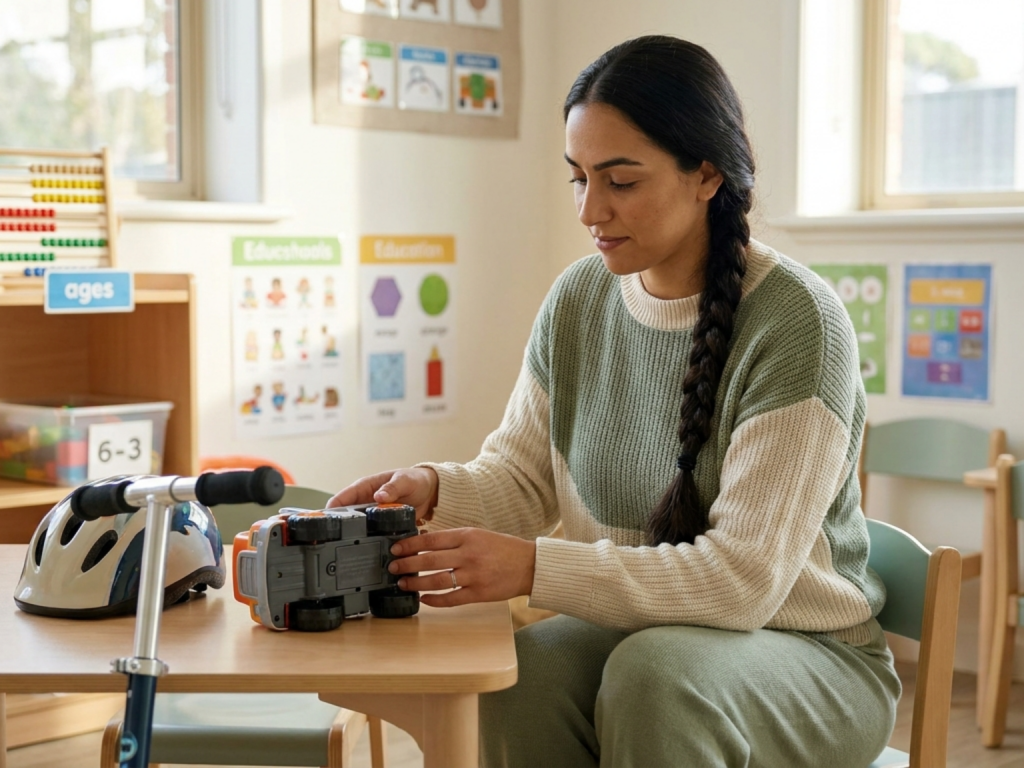
Preschool products are meant to support curiosity, movement, comfort, and learning, but even well-intentioned choices can create preventable risks. The most common mistakes are rarely dramatic at first glance: an age label ignored, a button battery compartment that is not secure, a ride-on toy used without protective gear, or a hand-me-down item that no longer meets current safety expectations.
Highlights
Age grading is a safety tool, not just a developmental suggestion; it helps reduce choking, aspiration, strangulation, and injury risks.
Battery-operated, magnetic, ride-on, fabric, and noisy products deserve extra scrutiny because their hazards can be serious and sometimes less visible.
Older or secondhand preschool products may be emotionally meaningful, but they can lack current safety features or contain materials no longer considered acceptable.
Caregivers should treat warnings, assembly instructions, and recalls as part of the product, not as optional paperwork.
Mistake 1: Treating age labels as marketing instead of safety information
One of the most common preschool product mistakes is assuming that an age label only reflects how smart, advanced, or interested a child may be. In reality, age grading is closely tied to injury prevention. A toy labeled for older children may contain small parts, long cords, projectiles, stronger magnets, complex moving pieces, or instructions that require impulse control a preschooler has not yet developed.
For children under 3, small parts are a major concern, but preschoolers between 3 and 5 are not automatically beyond mouthing behavior. Many still explore with their mouths, laugh while chewing, run with objects, or imitate older siblings. A practical screening concept often taught to families is that small parts fitting inside a toilet paper roll may be choking hazards. Choking can obstruct the airway, while aspiration can move material into the trachea or lungs and cause coughing, wheeze, infection, or respiratory distress.
Age labels also consider developmental abilities such as balance, judgment, strength, and the ability to follow multistep directions. A product that is safe for a 7-year-old may be unsafe for a 4-year-old not because the younger child is careless, but because their neurodevelopment is still building inhibition, motor planning, and risk prediction. Preschool problems parents face often include impulsivity and big emotions; product safety should anticipate those normal developmental realities rather than blame the child.
Mistake 2: Overlooking choking, ingestion, and airway hazards
Preschool products can fail families when they include detachable pieces, poorly secured decorations, brittle plastic, deflated balloons, loose craft items, beads, marbles, or caps that separate easily. Choking is immediate and frightening, but ingestion hazards may be quieter at first. A child may swallow a small object without being observed, then develop drooling, refusal to eat, vomiting, chest discomfort, abdominal pain, coughing, or no symptoms initially.
Button batteries and high-powered magnets deserve particular caution. A button battery lodged in the esophagus can cause caustic tissue injury within a short time because electrical current generates hydroxide ions at the battery surface. Multiple magnets, or a magnet and another metal object, can attract across bowel walls, causing pressure necrosis, perforation, obstruction, or fistula formation. These are medical emergencies, not wait-and-see situations.
Common product mistakes include battery compartments secured only by a loose slide cover, toys with magnets that detach after normal play, and novelty items marketed more for appearance than durability. Families can reduce risk by checking compartments for screws, tugging gently on attached parts before purchase, avoiding products with accessible magnets, and keeping older siblings’ construction sets away from preschool play zones. If ingestion of a battery or magnet is possible, contact emergency services, poison control, or a pediatric clinician promptly rather than inducing vomiting or offering food unless instructed.
Mistake 3: Ignoring sound, fabric, and chemical safety
Not every preschool product hazard is visible. Loud toys can contribute to noise-induced hearing injury, especially when children hold speakers close to the ear. The risk depends on sound intensity, duration, and proximity. A toy that seems tolerable across a room may be unsafe when pressed against the ear canal. Caregivers can listen before buying, choose products with volume controls, cover speakers when appropriate, and remove batteries from excessively loud toys.
Fabric and dress-up products also matter. Costumes, play tents, plush items, and sleep-adjacent products should be evaluated for flame resistance, loose threads, drawstrings, and small detachable embellishments. Non-flame-resistant fabrics can ignite quickly near candles, stoves, fireplaces, or space heaters. Drawstrings and loops can create strangulation or entrapment hazards, particularly in active classroom or playground settings.
Chemical safety is another area where product mistakes may occur. Reputable manufacturers must follow safety standards that restrict certain hazardous substances, but counterfeit, imported, very old, or poorly labeled products may be harder to assess. Paint, coatings, soft plastics, slimes, cosmetics, and craft kits should be age-appropriate and clearly labeled. Avoid products with strong chemical odors, missing manufacturer information, or vague safety claims. If a child develops skin irritation, eye burning, coughing, or vomiting after exposure, remove the product, wash exposed skin if appropriate, and seek guidance from a healthcare professional or poison control.
Mistake 4: Skipping instructions, assembly steps, and protective equipment
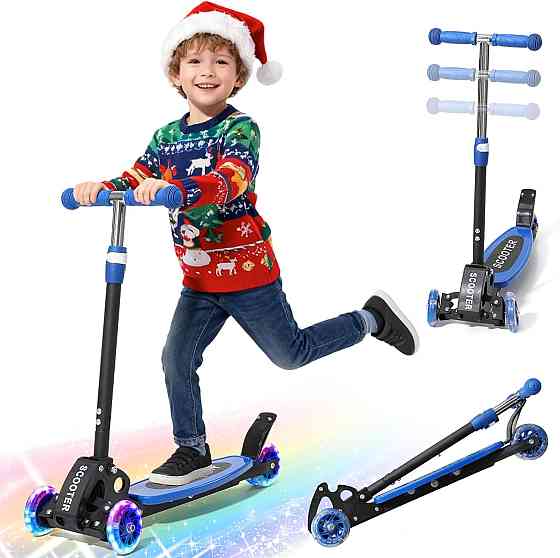
Some injuries happen not because the product is inherently unsuitable, but because it is assembled, adjusted, or used differently than intended. Ride-on toys, scooters, balance bikes, climbing structures, and pretend-play furniture may require specific hardware, weight limits, surface recommendations, and supervision. Missing one stabilizing screw or using the product on stairs, driveways, or uneven pavement can change the risk profile substantially.
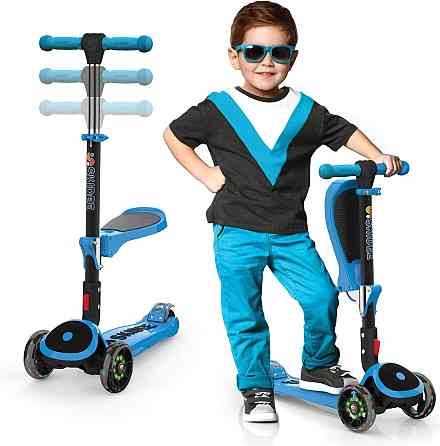
Instructions and warnings should be treated as part of the safety system. For battery-operated toys, warnings may explain battery type, polarity, replacement steps, and secure closure. For ride-on toys, they may specify helmets, knee pads, shoes, or avoidance of traffic and water. Buying toys without necessary safety gear is a common selection mistake; a scooter without a properly fitted helmet is an incomplete purchase.
Preschoolers also need active environmental support. Even a well-designed product can become unsafe if used near pools, streets, stairs, cords, glass furniture, or crowded classroom pathways. Common home safety mistakes can overlap with preschool product mistakes when a toy is placed in a hazardous setting. After assembly, caregivers should perform a brief safety check: confirm that screws are tight, wheels roll correctly, batteries are enclosed, straps are not frayed, and the product remains stable under normal preschool movement. Recheck periodically, because vibration, rough play, and cleaning can loosen parts over time.
Mistake 5: Assuming older, donated, or hand-me-down products are still safe
Hand-me-downs can be economical and meaningful, especially when families are managing the high cost of early childhood supplies. Still, older preschool products may not meet current safety standards. They may have missing labels, recalled components, lead-containing paint, brittle plastic, frayed cords, unsafe crib or sleep features, degraded foam, or hardware that no longer locks securely. A toy that survived one child’s preschool years is not automatically safe for another.
Before accepting or donating an item, check whether it has a manufacturer name, model number, date code, and complete instructions. Avoid products that are broken, sticky, rusted, cracked, missing parts, or modified with homemade repairs. Tape, glue, replacement screws, and improvised battery covers may not restore the original safety design. For plush toys and fabric items, inspect seams, stuffing, buttons, eyes, and tags. For electronic items, check for corrosion, overheating, loose battery doors, or exposed wiring.
Preschool settings should be especially cautious with donations because many children with different developmental profiles will use the same materials. A product that is manageable for one child may be hazardous for another who mouths objects, has pica, sensory-seeking behavior, delayed fine motor skills, or limited safety awareness. When in doubt, choose fewer, newer, easier-to-clean, well-labeled products over a larger collection of uncertain items.
Mistake 6: Forgetting real children use products in unpredictable ways
Preschool product safety is not about creating fear or removing all challenge. Children need climbing, building, pretending, sensory exploration, and problem solving. The goal is to match products to predictable preschool behavior. A child may stand on a chair sold for sitting, wrap a scarf around a doll and then around their own neck, put beads in a pocket for later, or turn a storage bin into a boat. Good product selection asks, “What will a tired, excited, curious 4-year-old do with this?”
Products used in groups need additional thought. In classrooms, child care centers, therapy rooms, and playdates, supervision is divided and peer imitation is powerful. Materials should be durable, washable when needed, large enough to avoid airway risk, and organized so older-child items do not drift into younger-child areas. Clear storage can help adults notice missing parts quickly.
Caregivers also deserve compassion. Many preschool daily struggles solutions focus on routines, communication, and co-regulation, and product choices can support those goals. Visual timers, sturdy step stools, simple art materials, and developmentally appropriate preschool education tools can make daily life smoother when chosen carefully. If a child repeatedly uses a product dangerously despite supervision, that is useful information. Remove the item, reassess fit, and consider whether occupational therapy, developmental, or behavioral guidance may help if broader safety awareness concerns are present.
Seek urgent help for these product-related risks
- Possible button battery ingestion, even if the child appears well
- Possible swallowing of more than one magnet or a magnet with metal
- Choking, persistent coughing, wheezing, drooling, or trouble breathing after play
- Head injury, loss of consciousness, repeated vomiting, or abnormal sleepiness after a fall
- Burns, chemical exposure, eye injury, or severe skin reaction from a product
Tools & Assistance
- Check age labels, warning statements, and manufacturer instructions before purchase
- Search recall information before using secondhand preschool products
- Use a small-parts test concept for toys intended near younger children
- Keep helmets and other protective equipment with ride-on toys
- Contact a pediatric clinician, poison control, or emergency services after suspected ingestion or serious injury
FAQ
Is a toy labeled for ages 5 and up safe for a mature 4-year-old?
Not necessarily. Age labels often reflect choking, strength, coordination, and judgment risks, not just intelligence or interest.
Are secondhand preschool toys always unsafe?
No, but they need careful inspection for recalls, missing parts, old safety standards, damaged materials, and absent instructions.
What should I do if I think my child swallowed a battery or magnet?
Seek urgent medical guidance immediately. Do not induce vomiting or give food or drink unless a qualified professional instructs you.
How can I tell if a toy is too loud?
If it seems loud to you, especially close to the ear, it may be too loud for a child. Prefer volume controls and avoid toys children press against their ears.
Sources
- U.S. Consumer Product Safety Commission — Toy Safety Business Guidance
- Johns Hopkins All Children's Hospital — Toy Safety
- Statesman Journal — Avoid these 4 safety mistakes when shopping for kids' toys
Disclaimer
This article is for general educational purposes and is not a diagnosis, prescription, or substitute for medical care. Consult a pediatrician, poison control, or emergency services for product-related injuries, exposures, or ingestion concerns.














Please log in to leave a comment.