
Intro
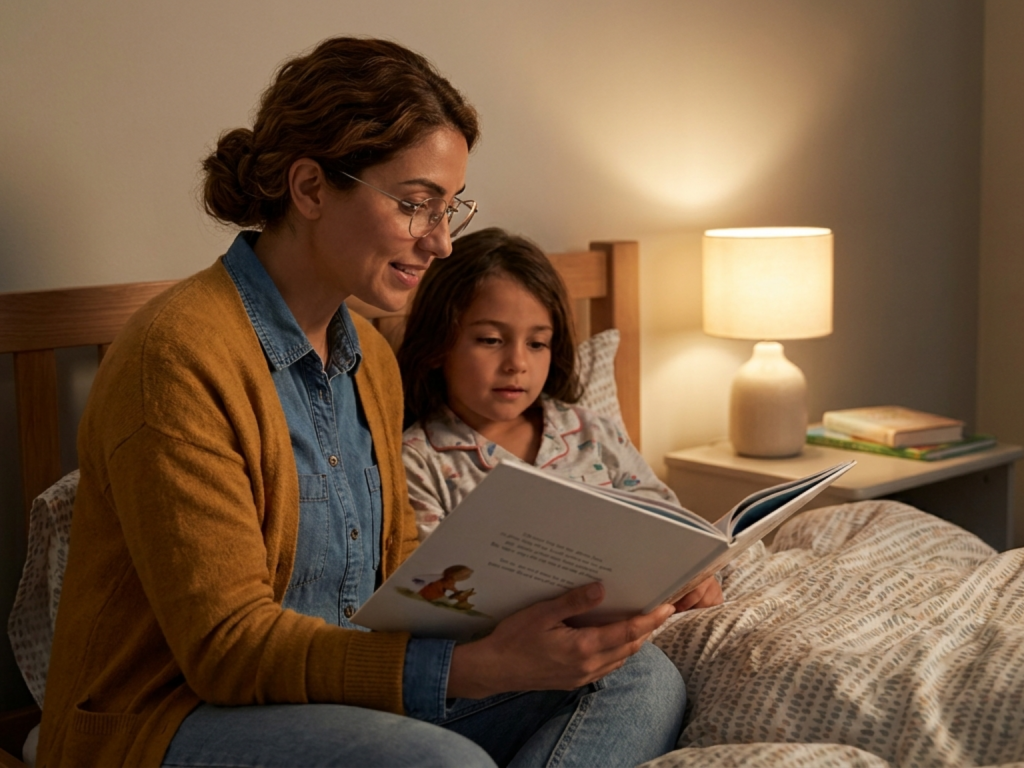
Between ages 6 and 9, sleep often becomes more complicated. Children may be managing school demands, friendships, screens, extracurricular activities, fears, and growing independence, while still needing a substantial amount of sleep for learning, emotional regulation, growth, and physical health.
Highlights
Children aged 6 to 12 years generally need 9 to 12 hours of sleep each night, and insufficient sleep time is one of the most common sleep problems in childhood.
Many sleep concerns at 6 to 9 years are behavioral or environmental, but symptoms such as habitual snoring, witnessed pauses in breathing, or severe daytime sleepiness deserve medical assessment.
Parasomnias such as nightmares, sleepwalking, and sleep talking are common in children and often improve with age, but safety planning and calm responses matter.
Consistent routines, limits on electronics, positive reinforcement, and caregiver consistency can significantly reduce bedtime struggles and night waking.
Why sleep problems are common at 6 to 9 years
Sleep in middle childhood sits at the intersection of biology, behavior, family rhythm, and school life. A 6-year-old may still need comfort and predictability at bedtime, while a 9-year-old may negotiate for later bedtimes, more screen time, or independence. These shifts are normal, but they can create patterns that reduce total sleep time or fragment sleep.
For children aged 6 to 12 years, expert guidance commonly recommends 9 to 12 hours of sleep per night. In practice, many 6- to 9-year-olds fall short because of late activities, homework, inconsistent schedules between weekdays and weekends, electronic devices, bedtime anxiety, or early school start times. Insufficient sleep time may look different in children than in adults: instead of appearing simply tired, a child may be irritable, impulsive, emotionally reactive, inattentive, or more prone to conflict.
It is helpful to think in patterns rather than isolated nights. A few restless nights during illness, travel, family stress, or a new school year are expected. A sleep problem becomes more concerning when it persists, causes daytime impairment from poor sleep, disrupts the household most nights, or is accompanied by symptoms suggesting a medical sleep disorder.
Bedtime resistance and delayed sleep onset
Bedtime resistance is one of the most familiar problems in this age group. It may include repeated requests for water, extra stories, reassurance, bathroom visits, or a parent staying in the room. Some children appear oppositional, but the underlying driver may be fear, separation discomfort, overstimulation, inconsistent limits, or simply a bedtime that is too late for their biological sleep need.
Delayed sleep onset means a child regularly takes a long time to fall asleep after lights out. Common contributors include caffeine exposure, vigorous activity close to bedtime, bright evening light, gaming, emotionally intense media, or a bedroom that has become associated with negotiation rather than sleep. Children with anxiety, neurodevelopmental differences, or school stress may also lie awake replaying worries.
Supportive structure is usually more effective than punishment. Families can try:
- A predictable pre-bed routine lasting about 20 to 30 minutes, such as bath, pajamas, teeth, story, brief connection, then lights out.
- Clear expectations stated before bedtime, not during a conflict: for example, one bathroom trip, one drink, and then staying in bed.
- Removing screens from the bedroom and stopping electronics well before bed.
- A visual checklist so the child can see what comes next.
- Positive reinforcement, such as a sticker chart, for staying in bed or following the routine.
If a child is consistently not sleepy until very late despite an appropriate routine, or if sleep onset problems are severe and persistent, parents should discuss the pattern with a pediatrician rather than trying supplements or medications independently.
Night waking and needing a parent to return to sleep
Many school-age children wake briefly during the night. The problem usually arises when a child cannot return to sleep without a specific condition, such as a parent lying beside them, a light turned on, or moving into the caregiver’s bed. This is often described clinically as a sleep-onset association: the conditions present when the child falls asleep are needed again after normal nighttime arousals.
A practical goal is not to eliminate every waking, but to help the child build confidence in returning to sleep. Parents can respond calmly and briefly, guide the child back to bed, and avoid lengthy discussion in the middle of the night. A comfort object, nightlight, predictable phrase, or quiet breathing routine can help. For children with nighttime fears, validation works best when paired with confidence: “I know that felt scary; you are safe, and it is time for sleep.”
Some families use gradual withdrawal, where the parent starts near the child and slowly moves farther away over several nights. Others use scheduled check-ins: the caregiver leaves the room but returns briefly at predictable intervals. The specific method is less important than consistency, calmness, and choosing an approach the family can sustain.
Night waking with illness symptoms should be handled differently. Fever, pain, asthma symptoms, reflux symptoms, urinary discomfort, medication side effects, or acute stress can all disturb sleep. If night waking is new, worsening, or associated with physical symptoms, a healthcare professional can help identify whether a medical issue is contributing.
Nightmares, fears, and anxiety at bedtime
Nightmares are vivid, frightening dreams that usually occur during rapid eye movement sleep, more often in the second half of the night. A child typically wakes fully, remembers the dream, and seeks comfort. Occasional nightmares are common at 6 to 9 years, when imagination is strong and children are increasingly aware of real-world risks.
Helpful responses are brief, warm, and grounded. Parents can reassure the child, remind them that the dream is over, and help them resettle. Turning on every light, starting an extended conversation, or allowing long periods of stimulating activity can unintentionally make it harder to return to sleep. During the day, children may benefit from drawing the dream, changing its ending, or practicing coping statements.
Bedtime fears may include darkness, intruders, storms, death, separation, or worries about school. These fears are not “babyish”; they are developmentally understandable. However, caregiver accommodation of anxiety can become a cycle if the child can only sleep when fears are completely neutralized. A balanced approach offers empathy while gently building tolerance: a small nightlight, a planned check-in, relaxation practice, and praise for brave steps.
Seek professional guidance if nightmares are frequent and intense, follow trauma exposure, involve daytime flashbacks or avoidance, or coincide with persistent emotional distress, school refusal, or major behavioral changes. In these situations, sleep work may need to be integrated with broader mental health support.
Parasomnias: sleepwalking, sleep talking, and night terrors
Parasomnias are unusual behaviors or experiences that occur during sleep or transitions between sleep stages. In children, they include sleepwalking, sleep talking, confusional arousals, nightmares, and night terrors. Clinical reviews note that parasomnias are common in childhood, affecting a substantial proportion of children, and many improve as the nervous system matures.
Sleepwalking and night terrors usually arise from non-rapid eye movement sleep, often in the first third of the night. During sleepwalking, a child may sit up, walk, mumble, or perform simple behaviors while not fully awake. During a night terror, the child may scream, appear intensely frightened, sweat, or have a fast heart rate, yet be difficult to console and have little or no memory in the morning.
The most important home response is safety and calm. Do not shake, shout at, or try to reason with a child who is not fully awake. Gently guide them back to bed. Secure windows and doors, remove tripping hazards, consider gates near stairs, and avoid top bunks for a child who sleepwalks. Sleep deprivation can worsen parasomnias, so ensuring adequate sleep may reduce episodes.
Medical advice is appropriate if episodes are frequent, injurious, very unusual in timing or behavior, associated with daytime sleepiness, or difficult to distinguish from nocturnal seizures. A clinician may ask for a detailed history, videos if safe to obtain, and in some cases consider specialist evaluation or polysomnography.
Snoring, obstructive sleep apnea, and restless sleep
Not all noisy sleep is benign. Habitual snoring in children, especially when accompanied by gasping, witnessed pauses in breathing, restless sleep, mouth breathing, morning headaches, bedwetting, or daytime behavioral concerns, raises concern for pediatric sleep-disordered breathing. Obstructive sleep apnea occurs when the upper airway repeatedly narrows or closes during sleep, disrupting ventilation and sleep architecture.
In school-age children, enlarged tonsils and adenoids are common contributors, although allergies, nasal obstruction, craniofacial factors, neuromuscular conditions, and weight-related risk can also play a role. Children with obstructive sleep apnea may not complain of sleepiness. Instead, they may present with inattention, hyperactivity, learning difficulties, moodiness, or growth concerns.
Diagnosis should not be made from symptoms alone. Polysomnography, an overnight sleep study, is the standard diagnostic test when obstructive sleep apnea is suspected. Treatment depends on cause and severity; adenotonsillectomy may be considered for selected children with enlarged tonsils and adenoids, while other children may need management of nasal inflammation, orthodontic or airway assessment, positive airway pressure therapy, or weight-related support. These decisions belong with qualified healthcare professionals.
Restless sleep can also arise from discomfort, eczema, asthma, reflux, medications, anxiety, or restless legs syndrome in children. Restless legs syndrome involves an uncomfortable urge to move the legs, often worse at rest and in the evening, and can be associated with iron status. Parents should avoid self-treating with iron or sedating products unless advised by a clinician.
Screens, schedules, and the bedroom environment
Modern sleep problems often begin before the child enters the bedroom. Evening screens can delay sleep through bright light exposure, emotional stimulation, interactive reward loops, and conflict when devices are removed. For many families, a practical rule is to keep phones, tablets, gaming devices, and televisions out of the child’s bedroom overnight. A central charging area outside bedrooms can reduce negotiation and temptation.
Schedules matter as much as routines. A child who sleeps much later on weekends may experience a “social jet lag” effect by Sunday night. While flexibility is reasonable, keeping wake times and bedtimes broadly consistent supports circadian rhythm stability. Morning light, physical activity during the day, and a predictable evening wind-down all help the brain anticipate sleep.
The bedroom should cue sleep: cool, quiet, dim, and boring in a good way. If a child uses the bed for gaming, videos, homework battles, and snacks, the bed may lose its association with rest. For some children, a small nightlight, white noise, or a favorite soft item improves security. For others, too much light or sound worsens sleep. Families can observe and adjust rather than assuming one setup fits every child.
Nutrition and timing can also affect sleep. Large meals right before bed, caffeine-containing drinks, and high-sugar evening snacks may be problematic for some children. Hydration is important, but excessive fluids close to bedtime can contribute to waking for urination.
When to seek professional help and what to bring
Parents often wonder when a sleep issue has crossed the line from “normal phase” to “needs help.” A useful threshold is impairment. If sleep problems persist for several weeks despite consistent routines, or if they affect school performance, mood, attention, family functioning, or safety, it is reasonable to speak with a pediatrician or qualified sleep professional.
Before the appointment, a child sleep diary can be extremely useful. Track bedtime, lights-out time, estimated sleep onset, night wakings, wake time, naps, snoring, unusual behaviors, medications, caffeine, screen use, and daytime functioning for one to two weeks. Teachers’ observations may also help, especially if the child appears inattentive, irritable, or sleepy at school.
Families should seek timely medical assessment for loud habitual snoring, witnessed breathing pauses, gasping, blue color changes, recurrent injuries during sleep, possible seizures, severe insomnia, sudden sleep attacks, or significant emotional symptoms. If a child has complex medical conditions, neurodevelopmental differences, or uses medications that may affect sleep, individualized guidance is especially important.
It can feel discouraging when sleep difficulties disrupt the whole family. Still, many sleep problems in 6- to 9-year-olds improve with a combination of adequate sleep opportunity, consistent behavioral supports, environmental changes, and medical evaluation when warning signs are present. The aim is not perfect sleep every night, but a safer, calmer, and more restorative pattern over time.
Seek medical advice promptly if you notice
- Habitual snoring in children with gasping, choking, or witnessed pauses in breathing.
- Severe daytime sleepiness, falling asleep in class, or sudden sleep attacks.
- Sleepwalking with injury risk, dangerous behaviors, or episodes that seem seizure-like.
- Persistent insomnia with anxiety, low mood, trauma symptoms, or school refusal.
- New night waking with illness symptoms such as pain, fever, breathing difficulty, or urinary discomfort.
Tools & Assistance
- Keep a 1- to 2-week child sleep diary before a healthcare visit.
- Create a consistent bedtime routine with a visual checklist.
- Move screens and charging devices out of the bedroom overnight.
- Use positive reinforcement, such as a sticker chart, for specific sleep behaviors.
- Consult a pediatrician or pediatric sleep specialist when symptoms suggest a medical sleep disorder.
FAQ
How much sleep does a 6- to 9-year-old need?
Most children in this age range need about 9 to 12 hours of sleep per night. Individual needs vary, but persistent daytime irritability, inattention, or sleepiness may suggest insufficient sleep.
Are nightmares and sleepwalking normal at this age?
They can be common in childhood. Occasional episodes are often not dangerous, but frequent, injurious, very distressing, or unusual episodes should be discussed with a healthcare professional.
Should I give melatonin for bedtime resistance?
Do not start melatonin or other sleep products without medical guidance. Bedtime resistance often improves with routine, limits, screen changes, and behavioral strategies, but a clinician can advise if additional evaluation is needed.
When is snoring a problem?
Occasional snoring with a cold may happen, but habitual snoring, gasping, breathing pauses, restless sleep, or daytime behavioral concerns can suggest pediatric sleep-disordered breathing and should be medically assessed.
What if my child keeps coming into my bed?
Respond calmly and consistently, guide the child back to bed, and use planned reassurance strategies. If anxiety, trauma, illness, or severe family disruption is present, seek professional support.
Sources
- Sleep Education — Sleep disorders in children
- American Academy of Family Physicians — Common Sleep Disorders in Children
- Royal Children's Hospital — Kids Health Info: Sleep problems – children and teens
Disclaimer
This article is for general educational purposes and is not a diagnosis or treatment plan. Consult a qualified healthcare professional for concerns about your child’s sleep, breathing, behavior, or medical symptoms.















Please log in to leave a comment.