
Intro
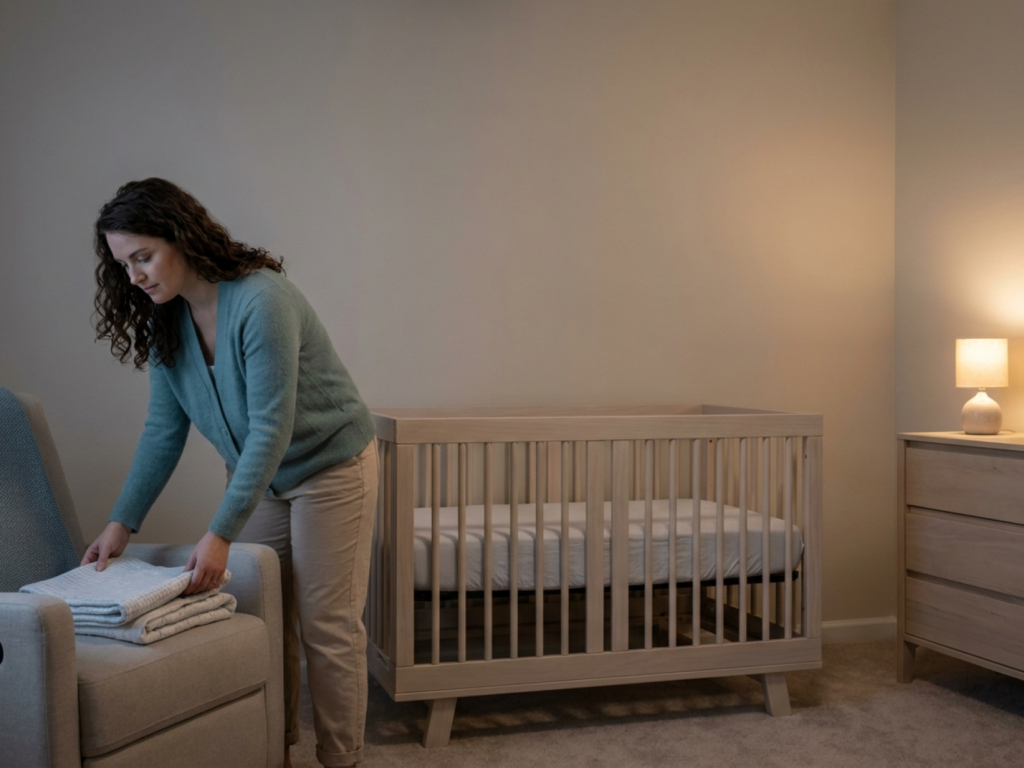
A child’s bedroom is more than a place to rest. It is a daily safety environment that should reduce injury risk, support sleep regulation, and adapt as the child grows. For infants, safe sleep practices are especially important because the sleep setting itself can affect the risk of suffocation, entrapment, and sudden unexpected death during sleep.
This article focuses on practical bedroom design choices that align with pediatric safe-sleep guidance. The strongest evidence applies to infants, but many of the same principles, such as keeping the sleep space uncluttered and well organized, remain useful for toddlers and older children.
Highlights
The safest infant sleep setup is simple: a firm, flat surface, a fitted sheet, and no soft items in the sleep space.
Room-sharing is recommended early in life, but bed-sharing is not the same as room-sharing and carries different risks.
A calm bedroom can support sleep, but comfort should never replace basic safety steps such as removing pillows, bumpers, and loose bedding.
As children grow, the bedroom should evolve to prevent falls, entrapment, and climbing-related injury while preserving a predictable sleep routine.
Start with the safest sleep surface
The safest infant sleep setup begins with the basics recommended by the American Academy of Pediatrics and the CDC: place babies on their backs, for naps and nighttime, on a firm, flat mattress in a safety-approved crib, bassinet, or portable play yard. A fitted sheet is all that should cover the mattress. This is the foundation of a safe sleep environment for infants, because soft or unstable surfaces increase the risk of airway obstruction and rebreathing.
Room-sharing is encouraged, especially in the first months of life. That means the child sleeps in the caregiver’s room, close enough to be observed and comforted, but on a separate sleep surface. Bed-sharing is different and is not recommended in the AAP guidance. The same caution applies to couches, armchairs, and other seating devices, which are not safe places for infant sleep.
If a baby falls asleep outside the crib, the safest next step is to move the baby to the approved sleep surface as soon as it is practical and safe to do so.
Choose a crib location that supports supervision and safety
Where you place the crib matters almost as much as the crib itself. Position the sleep space where caregivers can reach it easily at night, but away from hazards such as cords, blinds, curtain ties, heaters, radiators, and windows with potential fall risks. The goal is to make nighttime care simple without crowding the infant’s sleep area.
A bassinet or portable play yard can be useful in the early months if it is safety approved and used according to the manufacturer’s instructions. Once a baby begins to roll, push up, or outgrow the product, it is time to transition to the next approved sleep space. Using the equipment exactly as intended matters because size limits, mattress fit, and structural stability are part of the safety design.
It is also helpful to keep diapering supplies, extra sleep clothing, and feeding items nearby so caregivers are less likely to leave the infant unattended in an unsafe place. A well-organized room makes the safe choice easier when everyone is tired.
Keep the sleep space visually empty
An uncluttered crib is not just tidy; it is safer. Keep blankets, pillows, stuffed animals, quilts, bumpers, and positioners out of the infant sleep area. These items can cover the face, trap heat, or create spaces where a baby’s head or body can become trapped. A fitted sheet on the mattress is enough.
It is also important to think about clothing as part of the sleep environment. Overheating is a known concern in safe-sleep guidance, so the room should be comfortably warm rather than hot. Layers should be light enough to avoid excess heat, and caregivers should check whether the baby feels sweaty or flushed. When families want extra warmth, a wearable sleep sack is generally safer than loose blankets because it does not become a covering over the face.
For families who use decorative nursery items, it helps to keep them outside the crib itself. Wall art, mobiles, and themed decor can make the room pleasant, but the sleep surface should stay free of anything soft, loose, or within reach of a mobile infant. This reduces the safe sleep suffocation risk that can arise from an overcrowded sleep space.
Adapt the bedroom as the child grows
Bedroom safety changes with development. Infants need the strictest sleep-surface precautions. Toddlers, however, bring new risks such as climbing out of beds, reaching cords, opening drawers, and pulling objects down. School-age children usually no longer need an empty crib, but they still benefit from a room that minimizes falls, entanglement, and nighttime confusion.
When a child is ready for a bed, consider low furniture, stable bedding, and simple routes to the bathroom or parent’s room. If the child tends to roll out of bed, side rails may be useful only when used correctly and according to safety guidance. The room should still avoid loose clutter on the floor, dangling cords, and heavy furniture that could tip.
For children with developmental differences, neuromuscular disorders, breathing problems, or complex medical needs, the bedroom plan may need to be individualized. A pediatric clinician, sleep specialist, or occupational therapist can help families balance comfort, mobility, and safety. The right setup often depends on how the child moves, how they breathe, and whether they need equipment at night.
Use routine and environment to support sleep without adding risk
A safe bedroom should also feel predictable. A steady bedtime routine can help children move from active play into sleep, but the room itself should remain simple and restful. Lower light, reduced noise, and a consistent pre-sleep sequence can make the space easier to associate with sleep. For older children, that may mean the same order each night: pajamas, brushing teeth, a short story, then lights out.
For infants, routine should never override safe positioning or the approved sleep surface. If a baby is drowsy in a caregiver’s arms, the next step is still the crib or bassinet, not a couch or adult bed. If a child needs reassurance at night, keep the response calm and brief so the bedroom remains a place for settling rather than stimulation.
Families sometimes ask whether a sleep setting has to be perfect to be effective. The answer is no. Small, consistent improvements matter: removing one loose blanket, moving a cord, or clearing a cluttered bedside area can make a meaningful difference. Safety and comfort can coexist, but safety comes first.
Know when extra guidance is needed
Some infants and children need more individualized sleep advice than a general home setup can provide. Prematurity, low birth weight, craniofacial differences, respiratory disease, feeding concerns, or neurologic conditions can change how a child sleeps and what supports are appropriate. In those situations, families should ask the child’s pediatrician for tailored guidance rather than relying only on standard nursery advice.
It is also wise to review the sleep environment after major changes, such as travel, moving to a new home, the arrival of a new sibling, or the transition from crib to bed. Temporary arrangements are often when safety gaps appear. A quick room review can catch hazards before they become routine.
Finally, if a caregiver feels extremely sleepy, has taken sedating medication, or is recovering from illness, extra caution is warranted. Fatigue can make unsafe sleep choices more likely. Planning ahead, keeping the setup simple, and asking another adult for help can reduce risk when everyone is exhausted.
Safety reminders
- Back sleeping is the standard for infants unless a clinician gives a specific medical exception.
- Do not use couches, armchairs, or car seats as routine sleep spaces.
- Keep the crib free of pillows, loose blankets, bumpers, and stuffed toys.
- Room-sharing is recommended early in life, but bed-sharing is not the same thing.
- If your child has medical complexity, ask a pediatric clinician for individualized sleep guidance.
Tools & Assistance
- Safety-approved crib, bassinet, or portable play yard
- Firm mattress with a tightly fitted sheet
- Wearable sleep sack for warmth instead of loose blankets
- Pediatrician or pediatric sleep specialist
- Home safety checklist for cords, furniture, and window hazards
FAQ
Should a baby sleep in the same room as the parents?
Yes, room-sharing is recommended for infants, especially in the first months, but the baby should sleep on a separate approved surface.
Is bed-sharing ever the same as room-sharing?
No. Room-sharing means the baby is nearby, but bed-sharing places the baby on the adult sleep surface, which has different safety risks.
What is the safest bedding for an infant?
A firm, flat mattress with a fitted sheet is the core setup. Soft bedding, pillows, and loose blankets should stay out of the crib.
When should a child move out of a crib?
The timing depends on development and safety. Transition when the child can climb out or outgrows the crib, and consider pediatric guidance if the child has special needs.
Can a room be too warm for safe sleep?
Yes. Overheating is a concern, so the bedroom should be comfortably warm rather than hot, and the child should not be over-bundled.
Sources
- American Academy of Pediatrics — Safe Sleep
- Centers for Disease Control and Prevention — Providing Care for Babies to Sleep Safely | SUID and SIDS
- HealthyChildren.org / American Academy of Pediatrics — How to Keep Your Sleeping Baby Safe: AAP Policy Explained
Disclaimer
This article is for general educational purposes only and does not replace advice from a pediatric clinician. If a child was born early, has a medical condition, or needs special equipment at night, seek individualized medical guidance.















Please log in to leave a comment.