
Intro
The teen years are a practical and emotional transition: adolescents need products that support hygiene, school demands, sleep, movement, privacy, identity, and increasing independence. For caregivers, the goal is not to buy every trending item, but to choose essentials that are safe, developmentally appropriate, and respectful of a teen’s growing autonomy.
Highlights
Teen essentials should support independence without replacing adult guidance, especially around health, online safety, and medication use.
For teenage skin, the core routine is usually simple: gentle cleanser, moisturizer, and daily broad-spectrum SPF; potent actives can irritate young skin.
School and technology products should reduce friction, protect sleep, and support adolescent executive function rather than add distraction.
Personal-care, sports, menstrual, and grooming products should be chosen with sensitivity to privacy, body image, sensory preferences, and medical needs.
Choosing teen essentials with autonomy and safety in mind
Between ages 13 and 18, products are not just objects; they are tools for autonomy, identity formation, peer participation, and self-care. A 13-year-old entering secondary school may need help organizing belongings and hygiene routines, while a 17- or 18-year-old may be preparing for driving, part-time work, sports travel, exams, or living away from home. Good age-based child product choices therefore evolve rather than staying fixed.
A helpful approach is to divide purchases into four tiers: health and hygiene, school and organization, sleep and emotional regulation, and safety or mobility. Trend-led items can fit into the picture, but they should not crowd out essentials such as sunscreen, supportive footwear, a reliable backpack, menstrual supplies if relevant, a water bottle, a basic first-aid kit, and safe digital tools.
It is also worth asking the teen what problems they want to solve. Do they feel embarrassed by acne, forget assignments, skip breakfast because mornings are rushed, or avoid sport because shoes are uncomfortable? A collaborative conversation often reveals more useful purchases than a generic checklist. Respecting privacy is especially important for products related to puberty, menstruation, body odor, shaving, acne, and sexual health questions. Caregivers can normalize these needs while making clear that medical or safety concerns are not something a teen has to manage alone.
Skin care, sun protection, and acne-conscious basics
Teen skin is influenced by puberty-related androgen activity, increased sebum production, sweat, occlusion from helmets or masks, and variable sleep and stress. The most reliable starter routine is simple: a gentle cleanser, a non-comedogenic moisturizer, and daily broad-spectrum SPF. This aligns with expert skin-care guidance emphasizing cleanser, moisturizer, and sun protection as the core teenage essentials.
For many teens, an ideal cleanser is fragrance-light or fragrance-free, non-stripping, and used once or twice daily depending on sweat, sport, cosmetics, and irritation. Moisturizer is not only for visibly dry skin; it helps support the epidermal barrier, especially when acne products, cold weather, swimming, or frequent washing cause dryness. Sunscreen should be treated as a health product, not only a beauty product, because ultraviolet exposure contributes to sunburn, photoaging, and long-term skin cancer risk.
Product caution matters. Retinol and other vitamin A derivatives may be popular online, but they can be irritating and are generally not a casual essential for younger teens. Strong acids, multiple exfoliants, harsh scrubs, and layered active ingredients can worsen irritant dermatitis or compromise the skin barrier. If acne is painful, scarring, cystic, persistent, or causing distress, a dermatologist or primary care clinician can advise on evidence-based options. Caregivers should avoid diagnosing the rash themselves, because acne-like eruptions can overlap with folliculitis, perioral dermatitis, eczema, medication reactions, or contact allergy.
Practical essentials include a gentle face wash, moisturizer with or without SPF, a separate sunscreen for sport or outdoor use, lip balm with SPF, clean towels, and a way to wash sports headgear or pillowcases regularly. Makeup remover or micellar water may be useful for teens who use cosmetics, but it should not replace cleansing after heavy sunscreen or sweat.
Hygiene, puberty, menstrual, and grooming products
Puberty changes sweat composition, hair growth, genital and underarm hygiene needs, and comfort with the body. Essentials may include deodorant or antiperspirant, mild body wash, shampoo suited to hair and scalp needs, dental-care products, nail clippers, a laundry plan for sports clothing, and breathable underwear. Teens who perspire heavily during sport may benefit from quick-drying clothing and a spare shirt, but excessive sweating, sudden body odor changes, itching, discharge, pain, or skin breakdown should be discussed with a healthcare professional.
Menstrual products should be selected for comfort, access, and confidence. Options include pads, tampons, period underwear, and menstrual cups, depending on age, anatomy, dexterity, school facilities, and personal preference. A discreet pouch with supplies, spare underwear, and a sealable bag can reduce anxiety at school. Teens need clear, non-shaming information about changing products regularly, recognizing heavy bleeding, and seeking help for severe dysmenorrhea, dizziness, fainting, anemia symptoms, or bleeding that disrupts school or sleep.
Grooming products, including razors, electric trimmers, shaving gel, tweezers, and hair-removal creams, should be introduced with skin-safety guidance. Chemical depilatories can irritate, and shaving can cause folliculitis or ingrown hairs. Teens with eczema, psoriasis, hidradenitis suppurativa, keloid tendency, or recurrent infections should be especially cautious and may need clinician input.
Oral health products deserve a place in the essentials list: a soft toothbrush or electric toothbrush, fluoride toothpaste, floss or interdental brushes, orthodontic wax if braces are present, and a mouthguard for contact sports. Bad breath, bleeding gums, dental pain, or enamel concerns warrant dental assessment rather than stronger mouthwash alone.
School, organization, and technology essentials
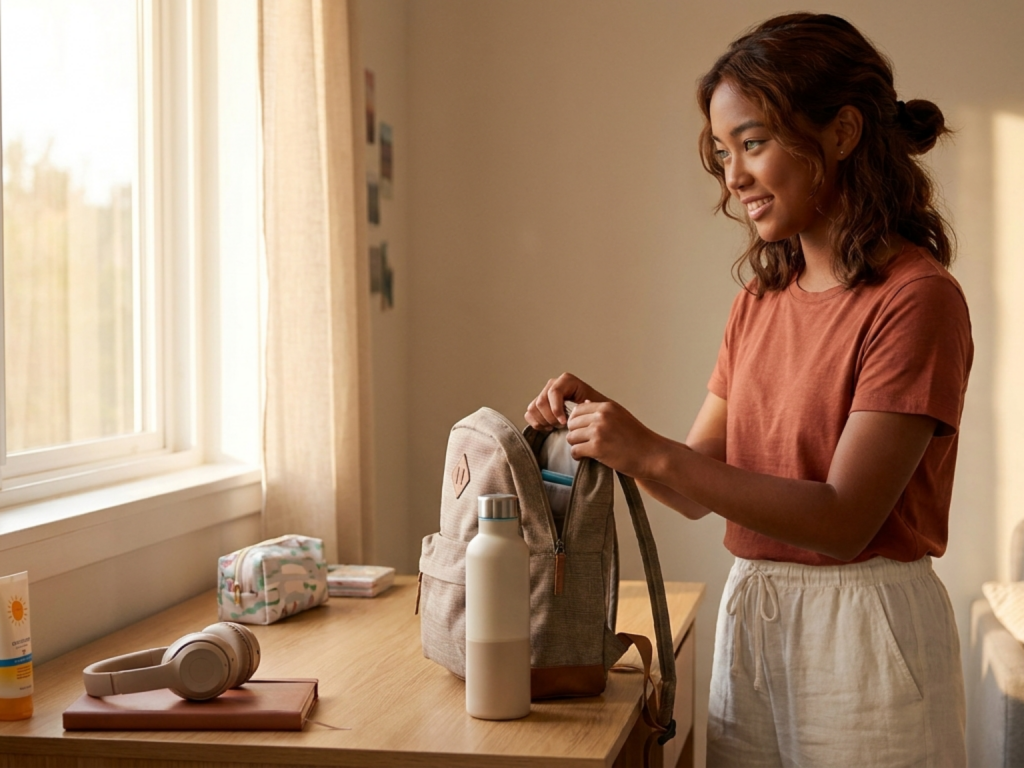
Teen school life depends heavily on organization, attention, transport, and digital access. Essential products often include a supportive backpack, laptop or tablet if required by school, charger, protective case, headphones that comply with school rules, pens, notebooks, folders, calculator, planner, and a secure place for identification cards, keys, or transport passes. These products should support adolescent executive function skills: planning, sequencing, remembering, prioritizing, and shifting between tasks.
A backpack should fit the teen’s torso, have comfortable straps, and not routinely carry excessive weight. If musculoskeletal pain, numbness, gait changes, or persistent headaches occur, the issue deserves medical attention rather than simply buying a different bag. For digital tools, the most essential feature may not be novelty; it may be reliability, durability, parental or school-compatible safety settings, and repairability.
Technology can help with reminders, calendars, note-taking, accessibility features, and communication. It can also displace sleep, movement, and face-to-face support. Families may find it helpful to separate school technology from recreational devices when possible, or at least use shared agreements about charging outside the bedroom, notification limits, and privacy-respecting supervision. Teen recreational screen time should be considered alongside homework demands, sleep duration, mood, physical activity, and social connection.
For teens with ADHD, dyslexia, visual impairment, chronic illness, anxiety, or mobility limitations, organization products may need individualized adaptation. Examples include visual timers, medication reminder systems discussed with a clinician, speech-to-text software, ergonomic seating, labeled folders, or duplicate chargers. If school performance drops suddenly, the solution is rarely just a product; it may require assessment for sleep deprivation, depression, bullying, learning differences, substance exposure, or medical illness.
Sleep, movement, nutrition, and emotional regulation supports
Adolescents commonly experience a biological shift toward later sleep timing, while school schedules often require early waking. Products cannot fix every sleep challenge, but they can reduce barriers. Useful essentials include a comfortable pillow, breathable bedding, blackout curtains or an eye mask, a non-phone alarm clock, and a consistent charging location outside the bed area. Blue-light claims should not distract from the larger issue: late-night notifications, emotional conversations, gaming, and homework can all delay sleep onset.
Movement essentials depend on the teen’s activities. Supportive shoes, sport-specific protective equipment, a refillable water bottle, sunscreen, weather-appropriate layers, and a well-fitted sports bra if needed can improve comfort and reduce avoidable injury risk. Adolescent physical activity planning should include enjoyment, safety, rest days, and realistic scheduling rather than pressure to specialize early or train through pain.
Nutrition-related essentials are often simple: an insulated lunch bag, reusable containers, a water bottle, and easy breakfast options. Teens with food allergies, diabetes, gastrointestinal disease, eating disorders, or significant weight concerns need individualized medical and nutritional guidance. Caregivers should avoid using product choices to police body size. A lunchbox, protein snack, or supplement should not become a substitute for compassionate assessment when a teen is restricting food, bingeing, purging, fainting, or exercising compulsively.
Emotional regulation products can include a journal, sketchbook, sensory tools, music headphones used safely, a weighted blanket if comfortable, or a calming bedtime routine kit. These supports may help, but they are not treatment for major depression, self-harm, panic disorder, trauma, or substance use. If a teen’s distress is persistent, escalating, or associated with danger, professional support is essential.
Safety, travel, first aid, and responsible independence
As teens gain independence, safety products become more relevant. A basic first-aid kit can include adhesive bandages, gauze, antiseptic wipes, blister care, a digital thermometer, and any clinician-recommended personal items such as an asthma spacer or allergy action supplies. Medications, including over-the-counter pain relievers, acne treatments, antihistamines, or supplements, should be stored and used according to professional guidance and label instructions. Caregivers should discuss dosing safety without encouraging unsupervised treatment.
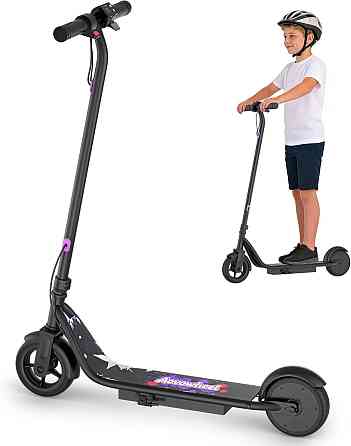
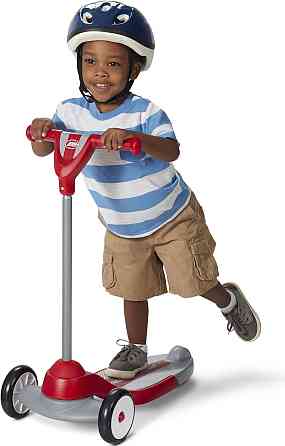
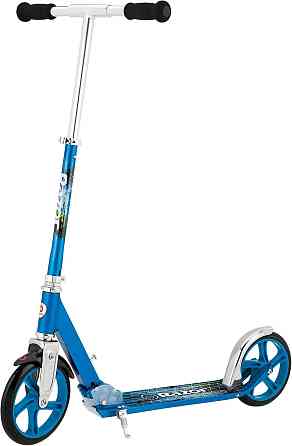
For travel, school trips, sports, or part-time work, useful items include a compact hygiene kit, emergency contact card, portable charger, weather-appropriate outerwear, reflective details for low-light commuting, and a secure wallet. Teens who cycle, skate, or use scooters need properly fitted helmets and visibility equipment. Driving-age teens may need roadside safety items, but caregiver coaching and legal compliance matter more than gadgets.
Online safety is also a product issue because phones, earbuds, cameras, apps, and payment systems shape exposure. Families should discuss privacy, location sharing, image consent, in-app purchases, and what to do if a teen receives coercive or frightening messages. Monitoring should be proportionate to age, risk, and trust, with extra safeguards for younger teens or those who have been targeted.
Beauty, fashion, and gift-oriented products can be meaningful, especially because teens use style to explore identity and belonging. Reviewed gift lists can help caregivers understand what teens currently enjoy, from tech accessories to personal-care items. Still, the best essential is one that fits the teen’s actual body, schedule, values, school rules, and health needs. When in doubt, choose durability, comfort, privacy, and safety over trend intensity.
When to seek professional guidance
- Seek urgent help for self-harm thoughts, overdose risk, severe allergic reactions, breathing difficulty, or fainting.
- Consult a clinician for painful, scarring, cystic, or persistent acne rather than escalating harsh products.
- Ask a healthcare professional about severe menstrual pain, very heavy bleeding, dizziness, or missed school due to periods.
- Do not let teens self-medicate with supplements, acne actives, or pain relievers without age-appropriate guidance.
- Persistent sleep loss, food restriction, rapid weight change, bullying distress, or substance concerns deserve professional support.
Tools & Assistance
- Create a teen essentials checklist by category: hygiene, school, sleep, sport, safety, and medical needs.
- Book routine dental, vision, primary care, and dermatology appointments when concerns persist.
- Use a shared family calendar for school deadlines, sports gear, medication reminders, and rest days.
- Keep a discreet school pouch with menstrual supplies, hygiene items, emergency contacts, and spare basics.
- Review privacy, charging, and screen-time agreements before buying new devices.
FAQ
What are the most important skincare products for a teenager?
For many teens, the essentials are a gentle cleanser, a non-comedogenic moisturizer, and daily broad-spectrum SPF. Persistent or severe acne should be discussed with a clinician or dermatologist.
Should a 13-year-old use retinol?
Retinol is not usually a basic teen essential and may irritate young skin. Teens with acne or other skin concerns should get individualized advice rather than copying adult routines online.
What school products matter most for teens?
A comfortable backpack, reliable device if required, chargers, planner or calendar system, notebooks or folders, and subject-specific tools such as a calculator are usually more useful than trendy extras.
How can caregivers choose products without making teens feel controlled?
Ask what problem the teen wants to solve, offer a few safe options, respect privacy, and explain non-negotiable safety issues calmly. Collaboration usually works better than surprise purchases.
Are supplements essential for teenagers?
Not routinely. Supplements should be considered only when there is a dietary, medical, or clinician-identified reason, because unnecessary products can cause side effects or interact with medications.
Sources
- MECCA — Expert Guide to Tween & Teenage Skincare
- Junior Magazine — 13 Best Skincare Brands for Teenagers and Tweens
- The New York Times Wirecutter — The 41 Best Gifts for Teens in 2026
Disclaimer
This article is for informational purposes only and does not diagnose, treat, or replace care from a qualified healthcare professional. Consult a clinician, pharmacist, dentist, dermatologist, or mental health professional for individual concerns.














Please log in to leave a comment.