
Intro
Choosing toddler gear can feel strangely emotional: you want to support independence, prevent injuries, reduce daily friction, and avoid buying items that become clutter within a week. Toddlers are mobile, impulsive, sensory-driven, and still developing motor planning, language, sleep regulation, and risk awareness, so the best products are usually simple, durable, and safety-tested rather than flashy.
This guide focuses on practical gear for roughly 12 to 36 months, with attention to injury prevention, developmental fit, and caregiver workload. It is not a substitute for individualized advice from your pediatrician, occupational therapist, physical therapist, sleep clinician, dietitian, or child passenger safety technician when those supports are needed.
Highlights
Prioritize safety-critical gear first: an appropriate car seat, secured sleep space, anchored furniture, gates, and medication storage.
The most useful toddler products tend to be adjustable, washable, hard to tip, and easy for a tired caregiver to use correctly.
Developmental toys do not need to be expensive; open-ended materials often support language, motor skills, and problem-solving better than single-use gadgets.
Buy slowly when possible. Toddlers vary widely in temperament, sensory preferences, size, oral-motor skills, and mobility.
Check recalls and safety standards before using secondhand gear, especially car seats, cribs, strollers, high chairs, and gates.
How to choose toddler gear without overbuying
The best toddler products are the ones that solve a real problem in your actual home. Before buying, ask three questions: Is this item safety-critical? Will it be used daily or weekly? Can my child use it at their current developmental stage, not just the age printed on the box? This approach prevents a long registry-style list from becoming an expensive pile of unused accessories.
Toddlers change quickly. A cautious 14-month-old and a climbing 28-month-old may need different gates, shoes, feeding tools, and sleep arrangements. Temperament also matters: some children love sensory bins and water play, while others become dysregulated by noise, mess, or transitions. Start with essentials, observe your child, and add products gradually.
Look for products that are easy to clean, stable under shifting weight, free of small detachable parts, and compatible with your child’s size and motor skills. For secondhand items, verify that all parts are present and that the product has not been recalled. Avoid used car seats unless you know the full crash history, expiration date, and original labeling. For any product related to sleep, transport, feeding safety, or injury prevention, the lowest-risk choice is often a current model that meets present safety standards.
Safety essentials: car seats, gates, locks, and injury prevention
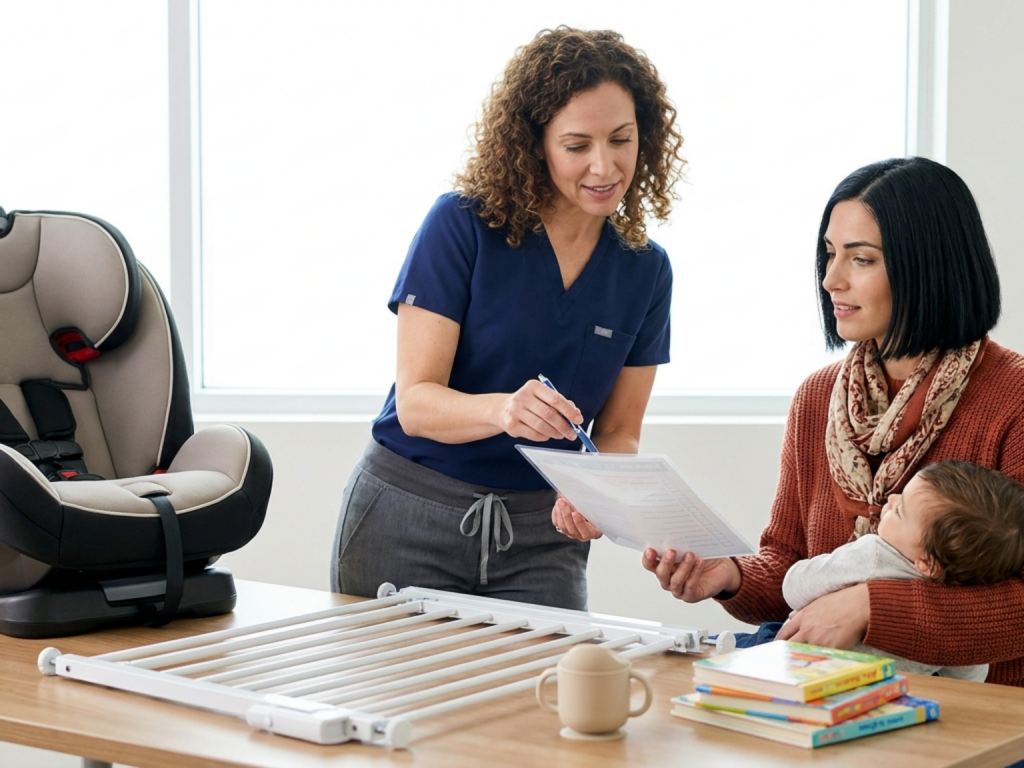
A correctly installed car seat is non-negotiable toddler gear. Many toddlers still fit rear-facing seats, and rear-facing travel is generally safer as long as the child remains within the seat’s height and weight limits. Because installation errors are common, consider a certified child passenger safety technician if you are unsure about recline angle, belt path, tether use, lower anchors, or harness fit. The chest clip should sit at armpit level, and bulky coats should not be worn under the harness because compression can create dangerous slack.
At home, safety gear should match the child’s emerging abilities. A newly walking toddler may need corner protection and cabinet locks; a confident climber needs more serious environmental control. Use hardware-mounted gates at the top of stairs, not pressure-mounted models. Choose gates with openings narrow enough to prevent entrapment and latches that adults can reliably close every time.
- Must-have safety items include a properly sized car seat, stair gates, cabinet locks, outlet covers, window guards where appropriate, anti-tip furniture straps, smoke and carbon monoxide alarms, and locked medication storage.
- For poisoning prevention, store medicines, vitamins, cannabis products, cleaning agents, button batteries, and laundry packets out of sight and reach, ideally locked.
- For climbing prevention, anchoring heavy furniture is essential for dressers, bookcases, televisions, and changing stations.
Keep in mind that products reduce risk but do not replace supervision. Toddlers have limited executive function and poor hazard prediction; they may repeat dangerous actions even after being told no.
Sleep and comfort products that support safe routines
Many toddlers transition from a crib to a toddler bed sometime between 18 months and 3 years, but timing depends on safety and readiness. If a child is climbing out of the crib, the fall risk may outweigh the benefits of containment. If the child remains safe in the crib and has not exceeded manufacturer limits, there may be no urgency. For sleep surfaces, use a firm mattress that fits snugly, avoid gaps, and keep cords, monitor cables, and blind strings out of reach.
Useful sleep items include a sleep sack or wearable blanket if the child tolerates it, blackout curtains, a simple night light, and a white-noise machine set at a safe volume and distance. Avoid placing sound machines close to the head or using high volumes for prolonged periods. Comfort objects such as a small stuffed animal may be appropriate for many toddlers, but avoid items with loose eyes, ribbons, long strings, or beads.
Sleep gear should support predictable routines rather than create dependency on complex gadgets. A visual bedtime chart can help some older toddlers understand sequencing: bath, pajamas, teeth, books, lights. If snoring, witnessed apneas, labored breathing, persistent insomnia, restless sleep, or major behavioral changes occur, discuss them with a pediatric clinician rather than relying only on products.
Feeding gear for messy, skill-building meals
Toddler feeding products should encourage safe posture, self-feeding, and manageable cleanup. A stable high chair or booster seat with a footrest is more than a convenience; postural stability can improve chewing coordination and reduce fatigue at meals. The child should sit upright, with hips and knees supported, rather than dangling or sliding. Use the harness as designed and never leave a child unattended in a high chair.
For dishes, consider suction plates, small open cups, straw cups, toddler utensils with short handles, silicone bibs, and washable placemats. Open-cup practice supports oral-motor coordination, while straw cups can be helpful for travel. Avoid hard-spout sippy cups as the only drinking method for long periods if your dental or feeding professional has concerns about oral patterns. For children with dysphagia, aspiration risk, poor weight gain, severe food selectivity, or recurrent choking episodes, ask for medical evaluation before changing textures or tools.
- Must-have feeding items: stable chair or booster, small utensils, bibs, easy-clean plates, water bottle, food scissors, and a lunch container for outings.
- Helpful but optional: splat mat, silicone freezer tray, toddler learning cup, and insulated snack container.
- Usually low priority: specialty warmers, large matching dish sets, and bulk packs of one cup style before you know what your child accepts.
Always supervise eating. Common choking hazards include whole grapes, hot dog rounds, popcorn, hard candy, nuts, chunks of raw carrot, and thick nut butter. Modify foods according to your child’s chewing ability and your clinician’s advice.
Diapering, toileting, hygiene, and health supplies
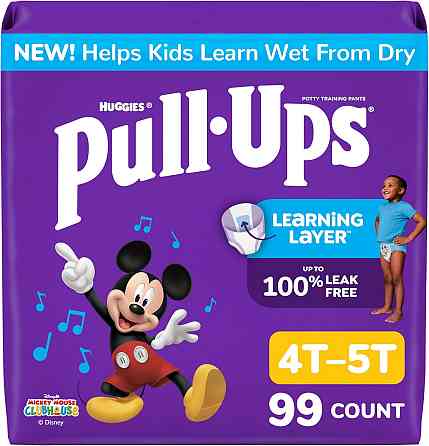
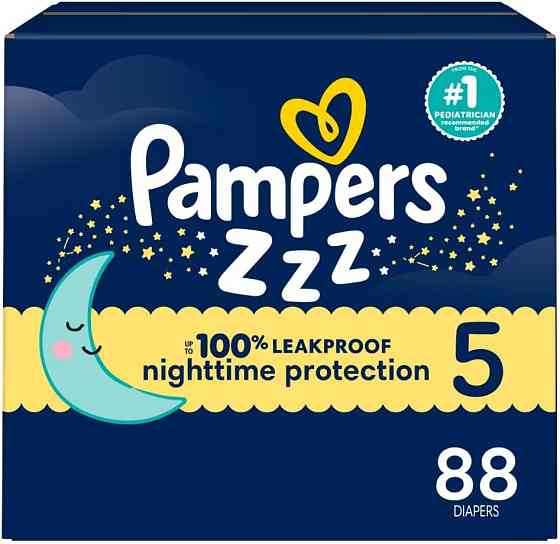
Diapering and toileting gear should make frequent care easier without pressuring readiness. For diapering, most families need diapers or training pants, fragrance-free wipes, barrier ointment, a washable changing pad, hand hygiene supplies, and a diaper bag or compact travel pouch. A diaper pail is optional; some caregivers prefer regular trash removal to avoid odor buildup.
Toilet learning products can include a child-size potty, a secure toilet seat reducer, a step stool, and easy-push-down pants. Readiness signs include staying dry for longer intervals, showing awareness of elimination, communicating needs, and tolerating sitting. Constipation can derail toilet learning and may require clinician guidance, especially if stools are painful, infrequent, very large, or associated with withholding.
Basic health supplies include a digital thermometer, oral rehydration solution packets or ready-made solution, age-appropriate nail clippers, saline spray, a soft toothbrush, fluoride toothpaste in the recommended amount, and a medication syringe marked in milliliters. Avoid giving medications based on guesswork; dosing should follow the product label and medical guidance, especially for children with chronic conditions, prematurity history, liver or kidney disease, or complex medication regimens.
For hygiene, a nonslip bath mat, faucet cover, rinse cup, gentle cleanser, and hooded towel may be enough. Bath seats are not a substitute for hands-on supervision; constant adult supervision around water is necessary because toddlers can drown quickly and quietly.
Clothing, shoes, and outdoor gear
Toddler clothing should prioritize movement, toileting access, skin comfort, and weather protection. Soft layers, elastic waists, grippy socks, sun hats, rain gear, and washable outerwear usually outperform fancy outfits. For daycare or preschool, label clothing and keep spare socks, pants, and shirts available.
Shoes are important once a child is walking outdoors. Look for lightweight, flexible soles, a wide toe box, secure closure, and good traction. Shoes should protect the foot without restricting natural gait mechanics. If you notice persistent toe walking, frequent tripping beyond what seems typical, asymmetrical movement, pain, swelling, or refusal to bear weight, seek medical assessment rather than trying to correct it with retail footwear alone.
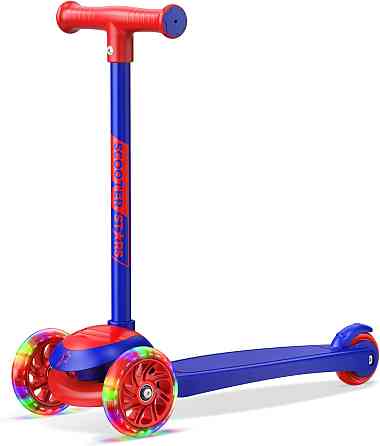
Outdoor must-haves depend on climate and routines: stroller or wagon, sun protection, insect protection if appropriate, water bottle, compact first-aid supplies, and safe play shoes. A balance bike or ride-on toy can support gross motor activities for toddlers, but helmets and supervision matter. Avoid trampolines for toddlers; their immature coordination and high head-to-body ratio increase injury risk.
Play, language, sensory, and learning products
The strongest toddler play products are open-ended. Blocks, nesting cups, chunky puzzles, pretend food, dolls, animal figures, balls, crayons, washable paint, board books, shape sorters, and simple musical instruments can be used in many ways across developmental stages. These items support bilateral coordination, symbolic play, receptive and expressive language, early problem-solving, and caregiver-child interaction.
For sensory play, choose taste-safe materials for younger toddlers or children who mouth objects, and supervise closely. Rice, beans, water beads, small beads, and magnets can be dangerous if swallowed or aspirated. Safe sensory bins for toddlers may use large pom-poms, scarves, water with cups, edible dough, or large textured balls depending on the child’s developmental level. Stop an activity if the child becomes overwhelmed; co-regulation during toddler play is more valuable than forcing participation.
Books are essential gear. Board books with real-life photos, simple routines, animals, vehicles, emotions, and repetitive phrases can support language-building toddler activities. A small rotation of toys often works better than a crowded playroom because toddlers can focus, repeat, and master skills. If you use digital products, choose co-viewed, high-quality content and protect sleep by avoiding screens close to bedtime. Toddler screen habits are easier to shape early than to repair later.
Travel, errands, and daycare gear
For daily movement, choose a stroller, carrier, or wagon based on your environment. A lightweight stroller may be ideal for public transit; an all-terrain stroller may work better on uneven sidewalks or trails. Check brakes, harness function, folding locks, and weight limits. Never hang heavy bags from stroller handles if it makes the stroller tip backward.
A toddler carrier can still be useful for travel, crowded places, or a child who needs proprioceptive input from close contact. Follow weight limits and positioning guidance, and monitor caregiver comfort. For daycare, useful items include labeled water bottles, nap items permitted by the program, spare clothes, weather gear, sunscreen if allowed, and any physician-approved medication forms required by the facility.
For errands, pack fewer items than you think but include the right ones: diapers or underwear, wipes, snack, water, small book, comfort item, plastic bag for soiled clothing, and any emergency medications prescribed for your child. If your child has food allergy, asthma, seizure disorder, diabetes, or other medical needs, coordinate a written action plan with healthcare professionals and caregivers.
Safety cautions before buying toddler gear
- Check recalls before using secondhand cribs, car seats, strollers, high chairs, gates, and toys.
- Do not use recalled, expired, crash-involved, or structurally damaged car seats.
- Keep button batteries, magnets, medications, and cleaning products locked away from toddlers.
- Avoid small parts, water beads, loose cords, and long strings because of choking, ingestion, strangulation, or aspiration risks.
- Consult a pediatrician or relevant specialist if feeding, sleep, gait, sensory regulation, or developmental concerns are persistent.
Tools & Assistance
- Schedule a car seat installation check with a certified child passenger safety technician.
- Use official recall databases before buying or accepting secondhand toddler products.
- Ask your pediatrician which safety items are most important for your child’s medical and developmental profile.
- Create a room-by-room home safety checklist and repeat it whenever your toddler gains a new climbing or opening skill.
- Keep a small travel kit with wipes, water, snack, spare clothes, and prescribed emergency medications if applicable.
FAQ
What toddler gear should I buy first?
Start with safety-critical and daily-use items: car seat, safe sleep setup, gates, locks, high chair or booster, hygiene supplies, weather-appropriate clothing, and a few open-ended toys and books.
Are expensive developmental toys necessary?
Usually no. Blocks, books, pretend play items, balls, puzzles, art supplies, and caregiver interaction often provide more developmental value than complex electronic toys.
Is secondhand toddler gear safe?
Sometimes, but verify recalls, missing parts, age, instructions, and structural integrity. Be especially cautious with car seats, cribs, high chairs, gates, and strollers.
When should I ask a professional for gear recommendations?
Ask if your child has feeding difficulty, delayed motor skills, recurrent injuries, sensory distress, sleep breathing concerns, medical complexity, or if you are unsure about car seat fit or home safety.
How can I avoid clutter?
Buy in small trials, rotate toys, choose multipurpose items, avoid bulk purchases until preferences are clear, and prioritize products that solve repeated daily problems.
Sources
- Consumer Reports — Babies and Kids Product Reviews and Ratings
- ParentData — The Best Baby Items — And the Worst
- ABC Quality — Are there guides to help me choose safe baby toys and products?
Disclaimer
This article is for general educational purposes and does not diagnose, treat, or replace medical care. Consult your child’s pediatrician or an appropriate specialist for individualized safety, developmental, feeding, sleep, or medical guidance.












Please log in to leave a comment.