

Intro
Parenting burnout is not a character flaw, a lack of love, or proof that you are doing something wrong. It is a state of chronic parenting-related depletion that can include profound exhaustion, emotional distancing from children, loss of pleasure in the parenting role, irritability, guilt, and a painful sense of being unable to keep going as before. Recovery is possible, but it usually requires more than a quiet evening or a single weekend off.
Because parental burnout can progress and may increase risk in the parent-child relationship, it deserves a practical, compassionate response. The goal is not to become a perfect parent; it is to reduce overload, restore physiological and emotional resources, repair connection, and get appropriate help when symptoms interfere with daily life or safety.
Highlights
Parenting burnout is typically driven by a sustained imbalance between parenting demands and available resources, not by personal weakness.
Recovery begins with reducing load: lowering nonessential demands, asking for help, and creating protected periods for sleep and micro-recovery.
Mind-body strategies such as relaxation training, meditation, breathing practices, and yoga may help some parents reduce stress physiology when used safely.
Professional support is important when burnout causes functional impairment, intense emotional distancing, harsh parenting, depression symptoms, panic, substance misuse, or suicidal thoughts.
Repair with children matters, but it should be realistic and brief: safety, warmth, apology when needed, and predictable reconnection are more important than perfect conversations.
Understanding what you are recovering from
Parental burnout is often described as a progressive condition related specifically to the parenting role. It is more than being tired after a difficult week. Many parents still function at work or in other roles while feeling depleted, trapped, or emotionally numb at home. Common features include parenting-specific exhaustion, feeling fed up with parenting, emotional distancing from children, and a sense of contrast between the parent one used to be and the parent one feels able to be now.
A useful way to understand burnout is as a chronic mismatch between demands and resources. Demands may include night wakings, neurodevelopmental or medical needs, financial stress, single parenting, conflict with a co-parent, work overload, lack of childcare, or unrealistic standards. Resources include sleep, social support, money, flexibility, mental health care, time alone, practical help, and confidence in parenting skills.
Recovery therefore is not simply “try harder” or “think positive.” It is a structured process of reducing physiological load, increasing supports, and interrupting patterns that keep the nervous system in chronic threat mode. If you feel ashamed, remember that shame often worsens burnout by making parents hide their distress instead of seeking support.
Step one: make the situation safer and smaller
When burnout is intense, the first task is stabilization. This means reducing the number of tasks your brain and body must manage. A minimum viable household plan can help: decide what must happen for safety and basic care, and temporarily let go of what is optional.
- Keep: safe supervision, essential meals, hydration, medication routines, school or childcare essentials, hygiene that prevents health problems, and sleep opportunities.
- Pause or simplify: elaborate meals, nonurgent organizing, extra activities, perfectionistic cleaning, social obligations that drain you, and parenting strategies that require more energy than you currently have.
- Outsource or share: grocery delivery, school pickups, laundry, bedtime, homework supervision, medical appointment logistics, or meal preparation where possible.
This is not lowering your standards forever. It is a clinical-style triage response to an overloaded caregiving system. Parents often improve when the environment stops demanding full performance from a depleted body.
Prioritize sleep and physical recovery
Sleep disruption is both a cause and consequence of parental burnout. Insufficient sleep affects executive function, emotion regulation, immune function, pain sensitivity, appetite hormones, and threat perception. A parent who is chronically sleep deprived may interpret normal child behavior as more overwhelming because the brain has fewer regulatory resources.
Start with practical sleep protection rather than ideal sleep hygiene. If another adult is available, consider rotating nights, dividing early morning and late evening shifts, or arranging one protected block of uninterrupted sleep. If you are breastfeeding, caring for a medically complex child, or managing infant sleep, discuss realistic options with a pediatrician, lactation professional, or healthcare clinician rather than following generic advice that may not fit your situation.
Physical recovery also includes food, hydration, movement, and medical care. Skipping meals and relying only on caffeine can intensify irritability and anxiety-like sensations. Gentle movement, stretching, or a short walk may help regulate stress physiology, but exercise should not become another performance demand. If fatigue is severe, persistent, or accompanied by symptoms such as palpitations, weight changes, heavy bleeding, shortness of breath, dizziness, or persistent low mood, consult a healthcare professional to consider medical contributors.
Use micro-recovery instead of waiting for a long break
Many parents cannot access a full day off. Micro-recovery for parents means brief, intentional pauses that reduce arousal and restore a small amount of control. These breaks are not magic, but they can interrupt escalation and create enough space to choose a safer response.
- Take 90 seconds of slow exhalation breathing before responding to a conflict.
- Step into another safe room for two minutes if children are supervised or safely contained.
- Drink water, eat a protein-containing snack, or sit down while the child plays nearby.
- Use a short guided relaxation, body scan, prayer, meditation, or grounding exercise.
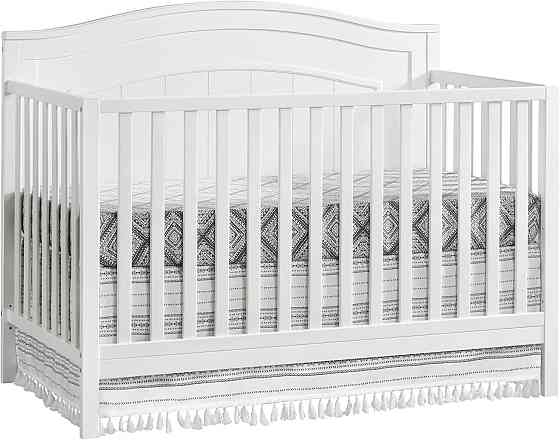
- Put the baby safely in the crib and step away briefly if you feel close to losing control.
Research and expert guidance have noted that relaxation training, meditation, and yoga therapy can be useful in prevention or treatment of burnout for some people. These approaches are best viewed as supportive tools, not replacements for reducing excessive demands or seeking professional care when needed.
Rebalance parenting demands and resources
Burnout recovery accelerates when the workload changes. This may require uncomfortable conversations, because many families normalize an unequal or invisible labor load. Shared responsibility in parenting includes visible tasks, such as bath time and transportation, and invisible tasks, such as remembering appointments, tracking clothing sizes, noticing emotional changes, and planning meals.
If you have a partner or co-parent, try a concrete workload audit. List recurring tasks, decide who owns each one, and define what “done” means. Ownership should include planning and follow-through, not just helping when asked. If you are parenting alone, the question becomes: who can safely reduce the load? This may include relatives, friends, neighbors, parent groups, school staff, community services, respite programs, faith communities, or paid support if accessible.
At work, parental burnout often overlaps with occupational burnout. If possible, consider discussing schedule flexibility, leave options, workload adjustments, or remote work boundaries with a supervisor or human resources representative. Not every workplace is supportive, but small structural changes can reduce cumulative allostatic load, the wear and tear caused by chronic stress activation.
Address guilt, shame, and self-compassion
Burned-out parents frequently believe, “A good parent would not feel this way.” That belief is painful and often inaccurate. Feelings of depletion, resentment, numbness, or escape fantasies can occur when a parent’s resources have been exceeded for too long. These feelings are signals, not moral verdicts.
Self-compassion in parenting is not self-indulgence. It is the ability to respond to suffering with honesty and care, which improves the chance of repair and problem-solving. A self-compassionate statement might be: “I am at capacity. This is not how I want to parent, and I need support.” That sentence contains accountability without self-attack.
It can also help to separate identity from state. “I am a bad parent” is global and paralyzing. “I am a depleted parent who needs recovery and help” is specific and actionable. If shame is intense, recurrent, or connected to trauma history, therapy can provide a safer place to process it.
Repair connection with your child, one small moment at a time
Parenting burnout can lead to emotional distancing from children, irritability, withdrawal, or harsh reactions. Recovery includes restoring enough connection for the child to feel safe and for the parent to experience moments of warmth again. This does not require elaborate activities.
Brief repair can be powerful: “I yelled earlier. That was scary. I am sorry. I am working on calming my body before I respond.” Keep it age-appropriate and avoid asking the child to comfort you. With younger children, repair may look like a hug, reading one book, sitting nearby, or using a calm tone during the next routine. With teenagers, it may mean acknowledging pressure, respecting space, and reopening conversation later.
Connection also grows through predictable low-effort rituals: ten minutes of child-led play, a bedtime phrase, a walk around the block, cooking a simple meal together, or a check-in question during the commute. The goal is consistency, not intensity.
Know when professional support is needed
Professional support for parental burnout can include a primary care clinician, pediatrician, psychologist, psychiatrist, therapist, social worker, family therapist, parenting program, or community health service. You do not need to wait until things are catastrophic. Support is especially important if burnout is impairing daily functioning, increasing conflict, worsening depression or anxiety symptoms, affecting sleep severely, or leading to unsafe coping.
Seek urgent help if you have thoughts of harming yourself, your child, or someone else; if you feel you may lose control; if substance use is escalating; or if a child is unsafe. In an immediate emergency, contact local emergency services or a crisis line in your region. If you are in the United States and experiencing suicidal thoughts or emotional crisis, call or text 988 for the Suicide and Crisis Lifeline.
Medical and mental health professionals can help assess whether other treatable conditions are contributing, such as major depression, anxiety disorders, post-traumatic stress, postpartum mood disorders, thyroid disease, anemia, chronic pain, sleep disorders, or medication side effects. This article cannot diagnose these conditions, but it can encourage you to get the evaluation and support you deserve.
Seek help promptly if safety or functioning is affected
- If you have thoughts of suicide, self-harm, or harming a child, seek emergency or crisis support immediately.
- If you feel close to shaking, hitting, or losing control with a child, place the child somewhere safe and get urgent help.
- If burnout prevents basic caregiving, work functioning, sleep, eating, or hygiene, contact a healthcare professional.
- Escalating alcohol, sedative, stimulant, or other substance use to cope with parenting stress needs professional support.
- Persistent emotional numbness, panic, intrusive thoughts, or severe guilt may require mental health assessment.
Tools & Assistance
- Create a minimum viable household plan for the next 7 days.
- Ask one trusted person for one specific task, such as a meal, school pickup, or two hours of childcare.
- Schedule a primary care or mental health appointment if symptoms are persistent or impairing.
- Use two daily micro-recovery pauses of 2 to 5 minutes each.
- Write a co-parenting workload list that includes invisible planning tasks.
FAQ
Is parenting burnout the same as depression?
No. Parenting burnout is specifically tied to the parenting role, while depression is broader and may affect mood, pleasure, energy, sleep, appetite, and self-worth across life domains. They can overlap, so professional evaluation is wise when symptoms are severe or persistent.
Can I recover if I cannot take a vacation or long break?
Yes. Long breaks can help, but recovery often begins with smaller changes: reducing nonessential demands, protecting sleep blocks, sharing workload, using micro-recovery, and seeking support.
What if I love my child but feel emotionally distant?
Emotional distancing from children can occur in burnout and is often a protective response to overload. It does not mean you do not love your child. Focus on safety, brief repair, and getting support to restore capacity.
Should I tell my child I am burned out?
Use age-appropriate language without making the child responsible for your feelings. For example: “I have been very tired and stressed, and I am getting help so I can be calmer.”
When should I contact a professional?
Contact a healthcare or mental health professional if burnout affects daily functioning, sleep, mood, safety, parenting behavior, substance use, or if you have thoughts of self-harm or harming others.
Sources
- PubMed Central / NIH — Parental Burnout: A Progressive Condition Potentially Leading to High-Risk Situations in the Parent-Child Relationship
- American Psychological Association — The impact of parental burnout
- Ohio State University Wellness — Examining the Epidemic of Working Parental Burnout and Strategies for Strengthening Our Family's Health and Well-Being
Disclaimer
This article is for informational purposes only and does not provide a diagnosis or treatment plan. If symptoms are severe, persistent, unsafe, or impair daily functioning, consult a qualified healthcare or mental health professional.
















Please log in to leave a comment.