
Intro
The toddler years can feel both joyful and logistically demanding. Between 12 and 36 months, children become more mobile, more opinionated, and more able to participate in feeding, toileting, sleep, and play routines, while still needing close supervision and developmentally appropriate equipment.
Highlights
The most useful toddler products are safe, easy to clean, durable, and matched to your child’s current developmental stage.
Feeding, sleep, travel, hygiene, and play items should reduce caregiver workload without replacing supervision.
Product choices should account for choking risk, fall prevention, oral health, sleep safety, and sensory-motor development.
A smaller set of well-chosen essentials is often more effective than a large collection of single-purpose gear.
Start with safety, fit, and developmental stage
Toddler products are not simply miniature adult items. They need to match a child’s anatomy, motor control, oral exploration, and rapidly changing behavior. A 12-month-old who is pulling to stand has different safety needs from a 30-month-old who climbs furniture, resists transitions, and wants to do tasks independently. Before buying, check the product’s age and weight range, stability, cleaning instructions, and whether small parts can detach.
For medically literate caregivers, it helps to think in risk categories: airway obstruction, falls, entrapment, burns, poisoning, and unsafe sleep conditions. Products that enter the mouth, such as cups, teethers, and utensils, should be intact, non-toxic, and easy to sanitize. Items used near water, stairs, streets, or food require active adult supervision regardless of marketing claims. “Child-resistant” does not mean child-proof.
Minimalism can be protective. Too much gear may create clutter that increases tripping hazards and makes supervision harder. Prioritize items that solve daily problems: safe transport, supported feeding, contained mess, hygienic diapering or toileting, sleep consistency, and open-ended play. Reassess every few months because toddlers outgrow equipment quickly, sometimes behaviorally before they outgrow it physically.
Feeding essentials: seats, cups, bibs, and table tools
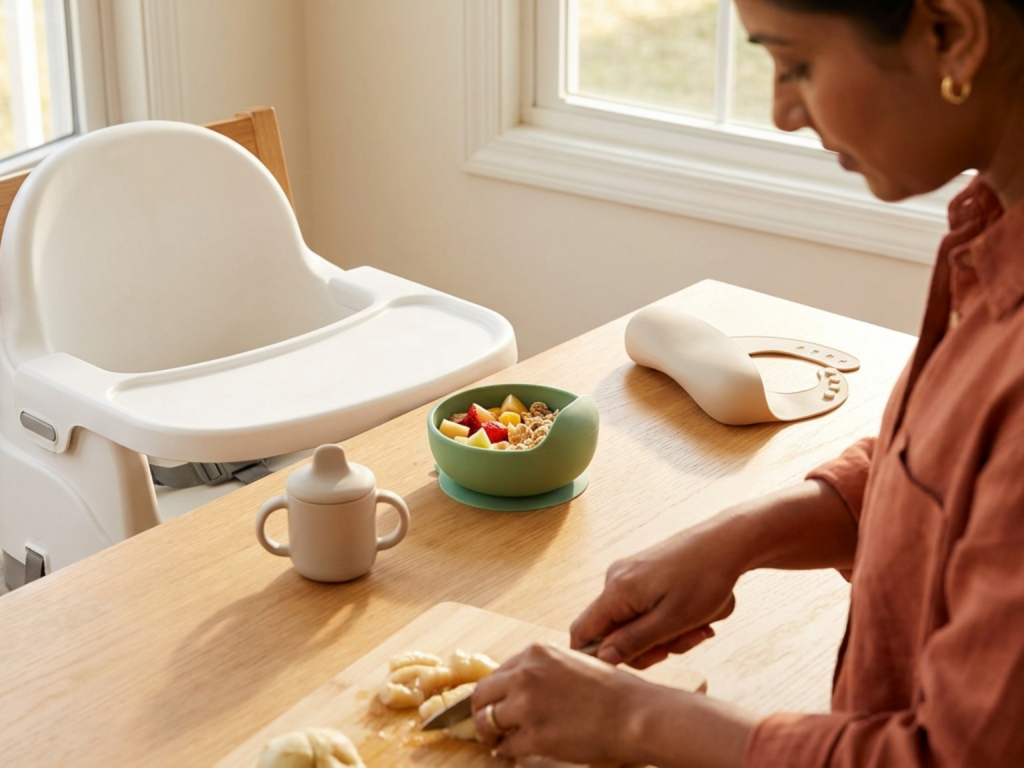
Feeding products should support posture, autonomy, and toddler feeding safety. For many families, a stable high chair or booster seat with a secure harness is essential during meals. A footrest can improve trunk stability and reduce fatigue, which may make mealtimes calmer. If using a booster seat, ensure it attaches securely to an appropriate chair and that the child cannot tip backward or climb out unattended.
Leak-resistant sippy cups or straw cups can help during the transition from bottles, but they should not become all-day sipping devices, especially for milk or sweet drinks, because frequent exposure may contribute to dental caries. Open cups, small straw cups, and supervised practice cups can support oral-motor skill progression. Choose cups with few parts, easy cleaning access, and no hidden valves that retain moisture or biofilm.
Silicone bibs with food-catching pockets, suction bowls, and toddler-sized utensils are practical because they reduce mess and encourage self-feeding. Suction bases may help, although determined toddlers can still remove them. Look for smooth, dishwasher-safe surfaces and inspect silicone for tears. For packed meals or daycare, durable containers with tight seals can prevent spills and help maintain scheduled meals and snacks.
Product design does not eliminate choking risk. Avoid foods that are hard, round, slippery, or poorly modified for developmental chewing ability. Sit the child upright, keep meals supervised, and consult a pediatrician, feeding therapist, or dietitian if there is persistent coughing, gagging beyond typical learning, poor weight gain, prolonged meals, or concern for dysphagia.
Travel and outdoor essentials: car seats, strollers, and on-the-go containment
A correctly installed car seat is one of the most important toddler products. Many children ages 1 to 3 use a rear-facing convertible car seat until they reach the seat’s rear-facing height or weight limit. The safest choice depends on the child’s size, the vehicle, and correct installation. Caregivers who are unsure should seek help from a certified child passenger safety technician rather than relying on guesswork.
For walking toddlers, a lightweight stroller or compact travel stroller may still be useful for fatigue, crowded areas, and safe containment near traffic. Check brakes, harness function, wheel stability, and weight limits. A stroller should not be used as a substitute for safe sleep unless the product is specifically designed and used according to safety instructions.
Travel potty seats, portable changing pads, and small wet bags are useful for outings, especially during potty learning or for children who dislike unfamiliar bathrooms. Step stools can support handwashing and toileting independence, but they must have non-slip feet and be used on dry, stable flooring. In public spaces, caregivers should plan for hand hygiene, safe diaper disposal, and enough spare clothing to avoid rushed decisions.
For outdoor play, choose closed-toe shoes with flexible soles and good traction, sun hats when appropriate, and weather-appropriate layers. Avoid drawstrings or loose accessories that can catch on playground equipment. Products can support gross motor activities for toddlers, but safe environments and attentive supervision remain the main intervention for injury prevention.
Sleep and comfort products that support predictable routines
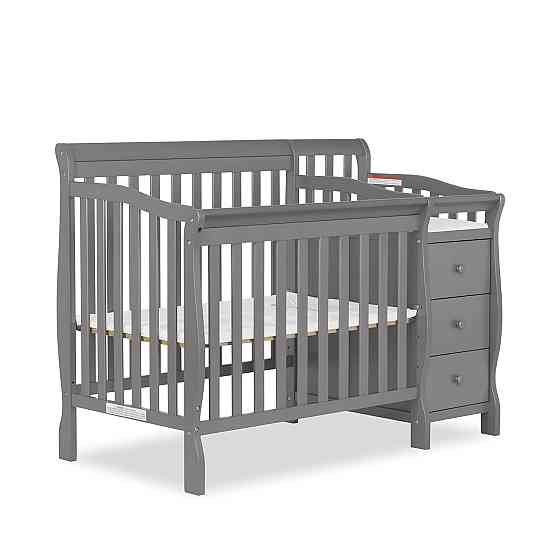
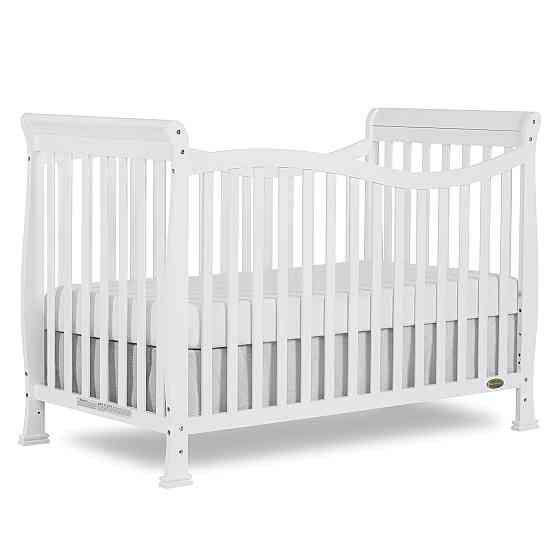
Sleep products in toddlerhood should promote safety, consistency, and comfort without adding hazards. For children still in a crib, the mattress should fit snugly, and the crib should be used according to manufacturer limits. Once a toddler climbs out or exceeds crib limits, families may consider a toddler bed or low mattress arrangement that reduces fall height. The room then needs careful childproofing because the bed no longer contains the child.
Wearable blankets or sleep sacks may be useful for toddlers who kick off covers, provided the size is correct and the child can move safely. Avoid weighted sleep products unless specifically discussed with a healthcare professional, particularly for children with respiratory, neuromuscular, developmental, or sleep-related concerns. Pillows and blankets become more common in toddler years, but they should be appropriately sized and not excessive.
Comfort objects such as a washable stuffed animal can help with separation and bedtime resistance in toddlers. Use duplicates when possible, because losing a highly valued object can disrupt sleep. A dim night-light, white-noise machine at a safe volume and distance, and blackout curtains may support a toddler evening wind-down, but they are optional tools rather than medical treatments.
If snoring, witnessed pauses in breathing, labored breathing, unusual movements, persistent insomnia, or severe night waking occurs, products alone are not the answer. Discuss these signs with a pediatric clinician, especially if there are concerns about sleep-disordered breathing, reflux, eczema itch, iron deficiency, neurodevelopmental conditions, or medication effects.
Hygiene, diapering, and potty-learning essentials
Diapering needs change significantly from 1 to 3 years. Essentials often include diapers or training pants, fragrance-free wipes or soft cloths, barrier ointment, a changing pad, and a contained disposal system. For toddlers with sensitive skin or recurrent dermatitis, avoid unnecessary fragrances and monitor for irritant or allergic contact dermatitis. Persistent rash, bleeding, pustules, fever, or pain should be evaluated by a healthcare professional.
Potty learning does not require a large amount of equipment. A small floor potty or a secure toilet insert with a step stool can help the child achieve hip flexion, foot support, and postural stability. Foot support is particularly helpful for bowel movements because it improves mechanics for defecation. A travel potty seat may reduce anxiety in unfamiliar bathrooms and support consistency during outings.
Handwashing tools matter. A stable step stool, gentle soap, and a towel within reach encourage independence while reducing contamination. Nail clippers with rounded edges, a soft toothbrush, fluoride toothpaste used in age-appropriate amounts as advised by dental guidance, and a bath thermometer are practical additions. Bath toys should be mold-resistant or easy to open and dry; squeeze toys that trap water often become reservoirs for mold.
Potty learning is behavioral and developmental, not a race. Constipation, painful stools, urinary symptoms, regression after stress, or withholding behavior may need clinical guidance. Products can support routine, but they should not be used to pressure or shame a child.
Developmental toys: fewer, safer, and more open-ended
The best toddler toys invite repetition, problem-solving, movement, sensory exploration, and caregiver-child interaction. Blocks, stacking cups, simple puzzles, shape sorters, musical toys, activity tables, push walkers, balls, and pretend-play items can all be useful. Open-ended toys usually last longer because the child can use them differently as cognition and motor control mature.
For 12- to 18-month-olds, toys that support cause-and-effect learning, cruising, dumping, filling, and safe mouthing are often engaging. For 18- to 24-month-olds, simple puzzles, large building toys, push-pull toys, and pretend household objects may support imitation and early symbolic play. For 2- to 3-year-olds, more complex blocks, matching games, art supplies with supervision, and pretend play sets can support planning, turn-taking skills in toddlers, and language-building toddler activities.
Safety details are essential. Choose toys without small detachable parts, sharp edges, button batteries, accessible magnets, or long cords. Inspect secondhand toys for recalls, peeling paint, broken seams, and missing safety labels. For bath and feeding toys, prioritize non-toxic and mold-resistant materials. Sensory play for toddlers can be developmentally valuable, but materials such as water beads, small beads, dry beans, and kinetic compounds may be inappropriate for children who mouth objects or lack close supervision.
Interactive toys do not need to be electronic. A caregiver narrating play, pausing for the child to respond, and following the child’s interest often provides richer language input than battery-operated toys. If there are concerns about delayed milestones, loss of skills, limited joint attention, persistent asymmetry, or unusual sensory responses, consult a pediatrician or early intervention professional rather than relying on toys to “fix” development.
Home organization and product maintenance
Even excellent toddler products become unsafe if they are poorly maintained. Create a simple rotation system: daily-use feeding items, diapering or toileting supplies, sleep products, travel equipment, and a limited set of toys. Rotating toys can reduce clutter and renew interest without buying more. Store choking hazards, medications, cleaning products, cosmetics, batteries, and small household objects in locked or inaccessible locations.
Cleaning routines should match the product’s exposure risk. Cups, valves, straws, bibs, utensils, and suction bowls need thorough washing and complete drying. Mold grows where moisture persists, especially in narrow valves, bath toys, and straw components. Fabric items such as sleep sacks, stuffed animals, stroller liners, and changing pad covers should be washable. Car seats require special care: follow manufacturer instructions because soaking straps or using harsh cleaners can compromise material integrity.
Check equipment after illness, travel, and developmental transitions. A child who recently learned to climb may defeat gates, chairs, cribs, and stools that were previously safe. A child entering a picky eating phase may need calmer meal structure rather than new gadgets. A predictable toddler daily routine often makes products more useful because the child knows when and how each item is used.
Finally, consider caregiver ergonomics. Lightweight gear, easy-clean surfaces, accessible storage, and duplicate essentials in common locations reduce stress. The goal is not a perfect home; it is a safer, more functional environment that supports a curious toddler and the adults caring for them.
When to seek professional guidance
- Ask a certified child passenger safety technician to check car seat fit or installation if you are uncertain.
- Consult a pediatrician promptly for choking episodes, recurrent coughing with meals, poor growth, or suspected swallowing difficulty.
- Seek medical advice for persistent diaper rash, painful urination, constipation, blood in stool, or toileting regression with distress.
- Discuss snoring, breathing pauses, severe sleep disruption, or unusual nighttime movements with a healthcare professional.
- Avoid products with button batteries, high-powered magnets, small detachable parts, or unsafe sleep claims.
Tools & Assistance
- Create a toddler essentials checklist divided into feeding, sleep, travel, hygiene, potty learning, and play.
- Schedule a car seat installation check with a certified child passenger safety technician.
- Review product recalls for secondhand or older toddler equipment before use.
- Ask your pediatrician, pediatric dentist, dietitian, or occupational therapist about concerns that persist despite practical product changes.
FAQ
Do toddlers need a lot of specialized products?
Usually no. Most families do well with a small set of safe, durable items for meals, transport, sleep, hygiene, toileting, and open-ended play.
Are sippy cups necessary from ages 1 to 3?
They can be convenient, especially outside the home, but toddlers should also practice open or straw cups. Avoid letting a child sip milk or sweet drinks continuously.
What toys are most useful for toddler development?
Blocks, simple puzzles, stacking toys, balls, pretend-play items, art materials with supervision, and musical toys often support motor, cognitive, sensory, and language skills.
When should I replace toddler products?
Replace items that are broken, moldy, recalled, outgrown, missing parts, difficult to clean, or no longer safe for your child’s climbing and mobility level.
Can products solve sleep, feeding, or behavior problems?
Products may support routines, but persistent concerns should be discussed with qualified professionals. Toddlers often need developmental guidance, medical assessment, or environmental adjustments.
Sources
- Chicco USA — Toddler Essentials Checklist
- Navy Grace — Our Tried and True Toddler Essentials List
- Worthy Pause — A Minimalist List of Toddler Gear for a One-Year Old
Disclaimer
This article is for informational purposes only and does not replace medical, dental, developmental, or safety advice. Consult qualified professionals for concerns about your child’s health, development, sleep, feeding, or equipment safety.














Please log in to leave a comment.