
Intro
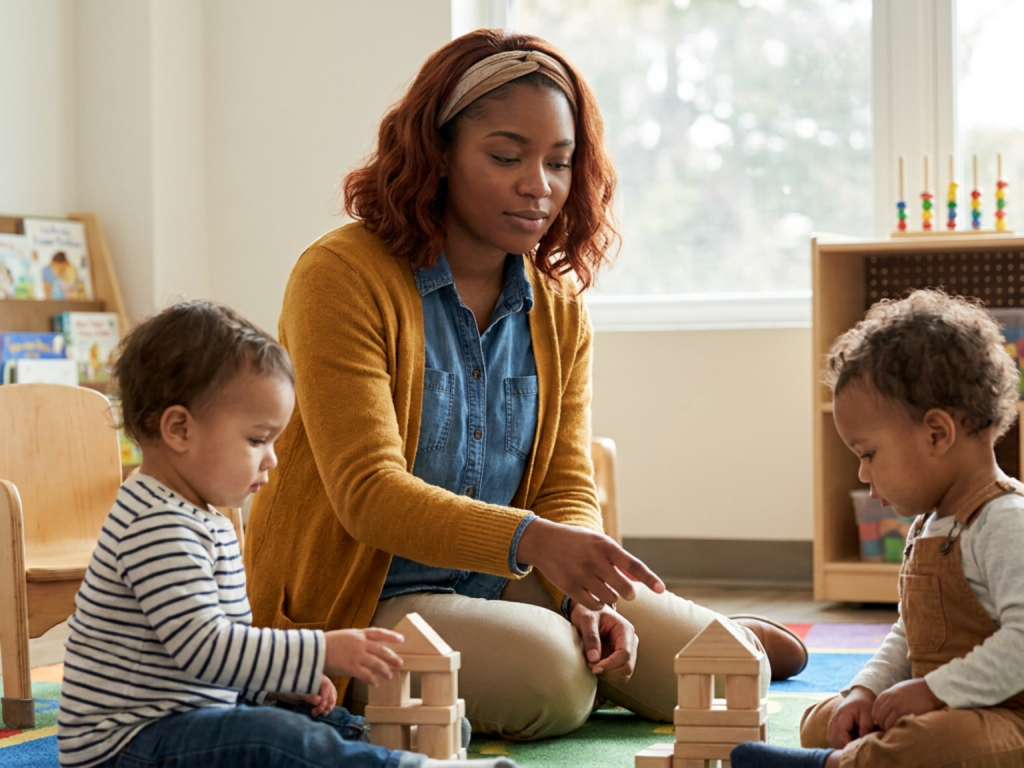
Between ages 1 and 3, toddlers move from being mostly self-focused explorers to children who can notice other people, imitate peers, begin pretend play, and sometimes share, comfort, or cooperate. This growth can be joyful and exhausting at the same time: a child may hug a friend one moment and grab a toy the next.
Highlights
Toddler social skills develop unevenly. Parallel play, imitation, possessiveness, brief cooperation, and emotional outbursts can all be part of typical development.
From 12 to 36 months, language, attachment security, motor skills, and early executive function all shape how toddlers interact with adults and peers.
Parents and caregivers support social growth best through warm relationships, predictable routines, emotion labeling, supervised play, and realistic expectations.
Persistent loss of skills, very limited social response, or serious aggression deserves professional guidance rather than blame or watchful waiting alone.
Why toddler social skills look so uneven
Toddler social development is not a straight line. A 2-year-old may wave happily to a neighbor, copy an older child’s dance, then scream when another toddler touches a truck. This is not hypocrisy or manipulation; it reflects a nervous system that is rapidly integrating attachment, language, motor planning, impulse control, and social cognition.
During the first year, social-emotional development is built on bonding, predictable caregiving, and what developmental theory often calls basic trust. By toddlerhood, the child uses these attachment relationships as a secure base: moving away to explore, returning for reassurance, and watching trusted adults for cues about safety and behavior. This attachment foundation does not make social conflict disappear, but it gives the child a regulated adult to borrow from when feelings become too big.
From a neurodevelopmental perspective, toddlers have strong approach systems and limited inhibitory control. They want the toy now, want the adult now, and may not yet be able to pause, consider another child’s perspective, and choose a socially acceptable response. The prefrontal networks involved in impulse control and flexible problem-solving are immature. This is why adult scaffolding is essential. Toddlers learn social rules through repeated experiences, not lectures alone.
It is also helpful to separate social interest from social skill. Many toddlers are deeply interested in other children but lack the language and self-regulation to join play smoothly. Pushing, grabbing, yelling, or hovering too close can sometimes be clumsy attempts to connect. Supportive adults can translate the intention into a safer behavior: “You want to play. Say, ‘My turn?’” This approach protects other children while teaching the toddler what to do instead.
Ages 12 to 18 months: imitation, attachment, and early social awareness
Between 12 and 18 months, many toddlers are newly mobile and increasingly interested in what other people do. They may bring objects to a caregiver, point or gesture to share attention, look back for reassurance, and imitate simple actions such as clapping, feeding a doll, sweeping, or pretending to talk on a phone. Around 15 months, some toddlers copy other children during play, which is an early peer-related social skill.
At this stage, play is often adult-supported. A toddler may explore toys alone while keeping a parent nearby, sometimes called secure-base behavior. Separation anxiety can still be prominent, especially in unfamiliar environments or during transitions. Rather than viewing this as a social failure, it can be understood as attachment working as designed: the child is checking that the trusted adult remains available.
Common social behaviors from 12 to 18 months include:
- Looking toward a caregiver to share excitement, uncertainty, or fear.
- Offering a toy, then taking it back immediately.
- Imitating gestures, sounds, household routines, and older children’s actions.
- Showing possessiveness with preferred people or objects.
- Using early words, pointing, reaching, or vocalizing to request help.
Expectations for sharing should be modest. A 1-year-old may hand something to another person as a social game, but the concept of ownership, fairness, and delayed gratification is very immature. Adults can model simple language such as “turn,” “help,” “gentle,” and “all done,” while physically guiding safe behavior. Short playdates, familiar environments, and low-conflict toys such as blocks, balls, or sensory bins often work better than asking two young toddlers to share one highly desirable object.
Ages 18 to 24 months: parallel play, big feelings, and emerging empathy
From 18 to 24 months, toddlers often become more assertive and more socially observant. They may play near other children rather than truly with them, a pattern known as parallel play. This is developmentally meaningful: the child is watching, copying, and learning the rhythms of peer interaction while still needing personal space and adult help.
Many toddlers at this age begin to notice emotional cues. By around 24 months, some children respond when another person is hurt or upset, perhaps by staring, approaching, patting, offering a toy, or becoming distressed themselves. This is an early form of empathy, but it is not yet mature perspective-taking. A toddler may offer their own favorite blanket to a crying peer, not because they fully understand the peer’s needs, but because they know the blanket comforts them.
This period can also bring intense conflict. Toddlers are developing autonomy and may use “no,” “mine,” and physical actions to protect their plans. Biting, hitting, or pushing can occur, especially when language is limited, the environment is crowded, or adults miss early cues of frustration. These behaviors require calm, firm intervention: stop the action, attend to the hurt child, name the limit, and teach a replacement behavior. Long moral explanations usually exceed the child’s processing capacity during distress.
Caregivers can support toddler emotional regulation by narrating feelings and choices: “You are mad because Sam has the car. You can wait or choose the bus.” This helps connect bodily arousal with language. It also shows that emotions are acceptable while unsafe actions are not. For medically literate readers, this is co-regulation: the adult’s calm tone, predictable limit, and physical presence help the child’s autonomic state return toward baseline.
Ages 24 to 36 months: pretend play, cooperation, and early perspective-taking
Between 24 and 36 months, social skills often become more recognizable to adults. Toddlers may play next to and sometimes with other children, build simple shared routines, copy roles, and begin pretend play. Around 30 months, pretend play becomes more evident for many children: feeding a doll, making animal sounds for toy figures, pretending a block is a phone, or acting out a familiar caregiving routine.
By the third birthday, many children show more ability to understand others’ feelings, though this remains fragile and situation-dependent. A 3-year-old may comfort a crying sibling in the morning and refuse to share a snack in the afternoon. Under fatigue, hunger, illness, or overstimulation, social skills often regress temporarily. This is why context matters when interpreting behavior.
Cooperation also begins to grow in practical ways. Some toddlers can help clean up, take a brief turn, join a simple song game, or follow a two-step social routine such as “give the cup to Grandma and come back.” Sharing is still easier when there are duplicates, clear turns, and adult narration. Interactive play is emerging, but most toddlers are not ready for unsupervised negotiation.
Helpful activities for 2- to 3-year-olds include art projects with enough materials for each child, music play where each toddler has an instrument, water play with multiple cups, and pretend scenarios such as cooking, caring for animals, or visiting a clinic with toy medical tools. These formats reduce competition and increase imitation, language, and joint attention. A “friend book” with photos of familiar peers or relatives can also help toddlers remember names, talk about shared experiences, and feel connected before the next meeting.
How caregivers can build social skills day by day
The most effective teaching happens during ordinary routines. Toddlers learn by watching how adults greet people, handle frustration, repair mistakes, and talk about feelings. A caregiver who says, “I was frustrated, so I took a breath,” is providing a live model of early self-regulation skills. Perfection is not required; repair is powerful. Saying “I used a loud voice. I’m sorry. Let’s try again” teaches accountability and safety.
Practical strategies include:
- Label emotions briefly: “You look sad,” “He is crying,” or “You are excited.” Keep language simple and linked to what the child can see.
- Coach the next action: Replace “be nice” with “gentle hands,” “say stop,” “give one block,” or “wait for the timer.”
- Use puppets or dolls: Act out common conflicts, such as wanting the same toy, and let the toddler suggest or practice solutions.
- Prepare for transitions: Social behavior is harder when a child is surprised. Give warnings before leaving the park or ending a playdate.
- Notice prosocial behavior: Specific praise such as “You gave Maya a cup” is more useful than broad praise like “good job.”
Predictable routines are not just convenient; they reduce cognitive load. When meals, naps, separation rituals, and play expectations are fairly consistent, toddlers have more regulatory capacity left for social learning. Sleep disruption, pain, constipation, hunger, or sensory overload can lower the threshold for aggression or withdrawal. If a child’s social behavior changes abruptly, consider health and environmental factors as well as behavior.
It is equally important not to force affection. Requiring hugs, kisses, or physical contact can undermine body autonomy. Toddlers can be encouraged to wave, say goodbye, give a high-five, or simply stand near a familiar person. Respecting a child’s comfort while teaching courtesy supports both social confidence and personal boundaries.
When to seek guidance and how professionals may help
Variation is wide in toddlerhood, and a single behavior rarely tells the whole story. Some children are slow-to-warm-up, some are highly active, and some need more sensory or language support to participate comfortably. Still, caregivers should seek professional input when concerns are persistent, impairing, or associated with loss of skills.
Consider discussing concerns with a pediatrician, health visitor, developmental specialist, speech-language pathologist, or early intervention program if a toddler rarely responds to their name, shows very limited eye contact or shared enjoyment, does not use gestures such as pointing to show interest, seems uninterested in people most of the time, loses previously acquired social or language skills, or has aggression that is frequent, severe, or difficult to interrupt safely. These signs do not automatically mean a specific diagnosis, but they do warrant developmental screening and individualized guidance.
Hearing impairment, language delay, sleep-disordered breathing, neurodevelopmental differences, trauma, family stress, and medical conditions can all affect social participation. A careful assessment looks beyond “behavior” to communication, sensory processing, motor skills, caregiver-child interaction, sleep, nutrition, and the child’s broader developmental history. Families should not be blamed for needing support; early help can reduce stress and improve daily functioning.
If a toddler is in childcare, collaboration is often useful. Ask caregivers what happens before conflicts, which peers the child approaches, what helps the child calm, and whether the behavior occurs across settings. Patterns are clinically meaningful. A child who struggles only in a crowded classroom may need environmental adjustments, while a child who struggles across all settings may need broader evaluation. Support should be practical, respectful, and focused on building skills rather than labeling the child as “bad,” “antisocial,” or “spoiled.”
When to get extra help
- Seek urgent help if a child’s aggression causes serious injury or cannot be safely interrupted.
- Discuss any loss of social, language, or play skills with a healthcare professional promptly.
- Ask for developmental screening if a toddler rarely shares attention, gestures, or social enjoyment.
- Consider medical contributors such as pain, sleep problems, hearing concerns, or illness when behavior changes suddenly.
- Do not use physical punishment; it can increase fear and aggression and does not teach social skills effectively.
Tools & Assistance
- Pediatric well-child visits with developmental screening
- Early intervention or community child development services
- Speech-language evaluation if communication delays affect peer play
- Childcare observation notes about triggers, calming strategies, and peer interactions
- Simple emotion-labeling books, puppets, dolls, and duplicate toys for low-conflict practice
FAQ
Is it normal for a 2-year-old not to share?
Yes, limited sharing is common. Toddlers are still developing impulse control, ownership concepts, and perspective-taking. Adult-supported turn-taking works better than expecting independent sharing.
What is parallel play?
Parallel play means children play near each other, often watching or copying, without sustained shared play. It is a typical and useful stage in toddler social learning.
How can I teach empathy to a toddler?
Use simple feeling words, point out visible cues, comfort others in front of the child, and practice with dolls or puppets. Keep expectations realistic and repeat often.
Should I worry if my toddler is shy around other children?
Shyness or slow warming can be normal, especially in new settings. Seek guidance if the child consistently avoids social engagement, seems distressed across settings, or has other developmental concerns.
Do toddlers need playdates to develop social skills?
Playdates can help, but they are not the only path. Warm caregiving, sibling or cousin interactions, childcare, playground time, and everyday community routines also support social development.
Sources
- National Center for Biotechnology Information (NCBI) / National Institutes of Health (NIH) — Developmental Stages of Social Emotional Development in Children
- ZERO TO THREE — 24-36 Months: Social-Emotional Development
- Virtual Lab School — Social-Emotional Development: Infants and Toddlers
Disclaimer
This article is for general educational purposes and is not a medical diagnosis or treatment plan. Consult a pediatrician or qualified child development professional for concerns about your child.















Please log in to leave a comment.