

Intro
Parents rarely overlook safety because they do not care. More often, hazards become invisible through familiarity, fatigue, time pressure, or the understandable assumption that a child is “old enough” to manage a situation. Safety also changes as children gain mobility, language, strength, and curiosity.
The most effective approach is not to pursue a risk-free childhood. It is to build several practical layers of protection: safer environments, appropriate supervision, reliable equipment, prepared caregivers, and calm conversations that help children develop judgment. The following common mistakes are opportunities for prevention, not reasons for guilt.
Highlights
Familiar rooms can contain serious hazards, especially when childproofing is incomplete or inconsistently maintained.
Supervision must match the child’s developmental abilities and the specific hazard; being nearby is not always enough.
Car seats, medications, firearms, water, and household chemicals require active safety systems rather than assumptions.
Children benefit from clear boundaries and ongoing conversations about physical, digital, and interpersonal safety.
Assuming familiarity equals safety
One of the most common mistakes is underestimating a hazard because it is part of everyday life. A coffee table, staircase, kitchen appliance, driveway, or bath may feel controlled to an adult, but a young child has different proportions, reflexes, balance, and risk awareness. Developmental changes can also make yesterday’s precautions inadequate today: a newly mobile infant can reach lower shelves, while a toddler may climb onto furniture or open doors.
Another frequent problem is treating supervision as a fixed behavior rather than a task that must be adjusted. “I was in the next room” may not provide meaningful protection around water, open flames, roads, heights, or small objects. Phones, conversations, cooking, and fatigue can create brief gaps in attention during which a child’s circumstances change quickly. A safer pattern is to identify the highest-risk activity in advance, remove distractions, and place an adult close enough to intervene immediately.
Families can reduce blame by using a short recurring safety scan whenever routines change. Ask what the child can reach, climb, pull, swallow, open, or imitate now. This approach recognizes that prevention is a continuing process rather than a one-time childproofing project.
Childproofing only once or only in one room
Parents may install outlet covers or cabinet latches and then assume the home is protected. In reality, safety devices can be removed, misplaced, defeated, or rendered ineffective by a new developmental skill. A consistent review should include every area the child enters, including bathrooms, bedrooms, kitchens, balconies, garages, vehicles, and relatives’ homes. Floors should be checked for small objects that could become choking hazards, particularly after older children have played nearby.
Furniture and televisions can tip when a child climbs, pulls, or hangs from them. Anchoring heavy furniture is a practical intervention, especially for tall dressers, bookcases, and unstable shelving. Window access, cords, stairways, doors, and hot surfaces also deserve attention. Smoke and carbon monoxide alarms should be installed and maintained according to local safety guidance, with working batteries or reliable power and a family plan for responding to alarms.
Child-resistant features reduce access but do not make a product childproof. Medication containers, cleaning products, cosmetics, alcohol, batteries, and sharp tools should be stored out of sight and reach, ideally in secured locations. When visiting another home, do not assume that its safety standards match yours. A brief environmental check can prevent a preventable exposure or injury.
Overlooking sleep, choking, and water risks
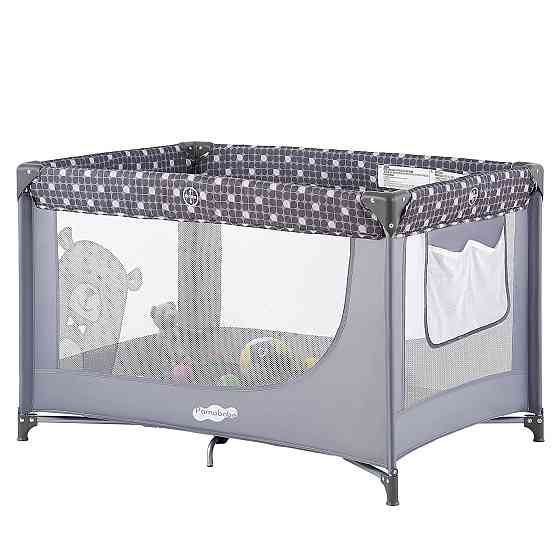
Some parents focus heavily on visible falls and burns while underestimating hazards associated with sleep, food, and water. Infants require a safe sleep environment for infants—one that follows current guidance from the child’s clinician and relevant pediatric authorities. Soft or loose items, unsafe positioning, and improvised sleep arrangements can increase suffocation or entrapment risk. Because recommendations may change with age and medical circumstances, caregivers should review the sleep setup with a pediatric professional when uncertain.
Choking prevention also requires more than avoiding a few well-known foods. Young children may place coins, small toy parts, batteries, medication, or household objects in their mouths. Food should be selected and prepared in a developmentally appropriate way, and children should sit while eating rather than walk, run, or eat while distracted. Adults should learn age-appropriate first-aid and choking-response skills through a recognized course rather than relying on online recollection during an emergency.
Water safety is another area in which proximity is often mistaken for supervision. A child can become distressed quickly and may not call for help effectively. Constant, attentive adult supervision is needed around bathtubs, pools, buckets, ponds, and open water; barriers and properly maintained equipment add layers of protection but do not replace an adult’s attention. Consider reviewing pediatric emergency warning signs and your local emergency response plan before an incident occurs.
Making assumptions about medications, chemicals, and firearms
Medication errors often arise from ordinary household systems: two caregivers give the same dose, a liquid medicine is measured with a kitchen spoon, a label is misread, or a product is transferred to another container. Use the original packaging, read the active ingredients, and maintain a written record when more than one adult is providing care. Avoid combining products without checking with a pharmacist or clinician, because different brands may contain the same ingredient. Child-resistant medication caps are not childproof, so all medicines should remain secured and inaccessible.
Household chemicals, nicotine products, alcohol, cannabis products, and some personal-care items can be dangerous in small amounts. They should remain in their original labeled containers and should never be placed in food or drink containers. If a child may have swallowed, inhaled, or contacted a potentially toxic substance, contact local emergency services or a poison information service promptly and follow their instructions. Do not induce vomiting unless specifically directed by a qualified professional.
Firearms require an especially strict safety standard. They should be unloaded, locked, and stored separately from ammunition, with access limited to authorized adults. Asking whether a home contains firearms before a visit or playdate may feel uncomfortable, but it is a legitimate safety question. If a weapon is present, vague assurances are not a substitute for secure storage.
Using car seats and outdoor equipment by assumption
Parents may purchase an appropriate car seat but use it incorrectly, install it inconsistently, or move a child to the next stage before the child meets the relevant requirements. The seat should be selected and installed according to the manufacturer’s instructions and current local regulations. Harness positioning, belt routing, recline angle, and compatibility with the vehicle all matter. When possible, use a certified car-seat inspection service or another qualified local resource to check the installation.
Bulky clothing, unapproved accessories, or loosely adjusted harnesses can interfere with a secure fit. Children should not be left unattended in a vehicle, even during a brief errand or when the weather seems mild. Families can reduce routine errors by placing a necessary item beside the child’s seat as a reminder to check the back seat before locking the vehicle.
On foot, children need repeated and supervised practice with road safety rules for children, including stopping at driveways, identifying traffic, and using appropriate crossings. Helmets and protective equipment should fit correctly and be used for the activity. Equipment should be inspected for damage, and playground or sports supervision should match the child’s age, skill, and the environment rather than relying only on posted rules.
Choosing caregivers without enough preparation
A trusted relative, babysitter, daycare worker, or older sibling may be caring and responsible, but goodwill does not automatically equal safety competence. A common mistake is failing to verify a caregiver’s experience, references, training, transportation arrangements, and ability to respond to emergencies. Families should also consider whether the caregiver understands the child’s medical history, allergies, medications, communication needs, and behavioral patterns.
Before leaving, provide written instructions with emergency contacts, the child’s clinician, allergies, routine, location of supplies, and permission details. Demonstrate rather than simply describe important tasks, such as using a car seat, preparing food, securing a gate, or administering a prescribed medication. Ask the caregiver to repeat back the plan so misunderstandings can be corrected before departure.
Safety conversations should include household rules about visitors, doors, bathing, online activity, transportation, and firearms. Children benefit when adults use consistent language and boundaries across settings. If a child reports discomfort, fear, secrecy, or inappropriate behavior involving a caregiver, listen calmly, avoid leading questions, prioritize immediate safety, and seek guidance from appropriate child-protection or healthcare professionals.
Relying on technology instead of communication
Parental controls, location services, privacy settings, and content filters can be useful protective tools, but they are not substitutes for supervision or trust. A common digital-safety mistake is installing a control once and never reviewing it. Software changes, children discover new platforms, and privacy settings may not apply across devices or accounts. Parents should use strong, unique passwords, enable multifactor authentication when available, update devices, and understand which information apps collect or share.
Technology safety is also relational. Children need clear rules about sharing personal information, accepting messages, sending images, meeting online contacts, and reporting frightening or coercive interactions. Explain that they can seek help without automatically losing access to every device. Regular, calm conversations make it more likely that a child will disclose a problem early.
Boundaries should be specific and age-appropriate rather than based only on surveillance. Discuss where devices may be used, when they are stored, and what happens if a child encounters bullying, sexual content, threats, or requests for secrecy. UNICEF emphasizes combining practical digital protections with ongoing communication and supportive parenting. If online behavior suggests immediate danger, contact emergency services or a qualified professional for advice.
Failing to rehearse an emergency plan
Many families have smoke alarms but no practiced response. Others know whom to call but cannot quickly locate essential information. An emergency plan should cover fire, carbon monoxide alarms, severe weather, medical emergencies, missing-child situations, and how to contact caregivers. Identify exits, a meeting place outside the home, accessible emergency numbers, and the specific responsibilities of adults. Children should learn simple instructions without being burdened with responsibility beyond their developmental capacity.
Keep first-aid supplies, emergency contacts, medication lists, and relevant medical information accessible to responsible adults. Review whether doors, windows, and exits can be opened safely, and practice leaving without returning for belongings. Caregivers should know when to call emergency services rather than attempting to manage a rapidly worsening situation at home.
Rehearsal is especially important because stress impairs recall and decision-making. Practice briefly, calmly, and periodically, adapting the plan as children grow or the household changes. A written plan does not need to be elaborate; it needs to be accurate, accessible, and understood by the people who may need to use it.
Seek urgent help when safety may be compromised
- Call emergency services for severe breathing difficulty, unresponsiveness, major bleeding, or a child who cannot be safely awakened.
- Treat suspected poisoning, medication ingestion, battery ingestion, or firearm injury as urgent situations requiring professional guidance.
- Never leave a child alone near water, in a vehicle, or in an environment with an unsecured firearm.
- If a child discloses abuse or an unsafe situation, listen, protect the child from further risk, and contact appropriate professional services.
Tools & Assistance
- Use a room-by-room safety checklist and repeat it after developmental changes, moves, renovations, or new equipment.
- Arrange a certified car-seat inspection and first-aid or CPR training through reputable local services.
- Program emergency contacts and poison information resources into caregivers’ phones, while keeping a printed backup.
- Create a one-page caregiver sheet covering allergies, medications, routines, contacts, transportation, and emergency instructions.
FAQ
How often should parents review home safety?
Review safety whenever a child gains a new ability, such as crawling, climbing, opening containers, or using digital devices. A brief monthly check can also identify worn equipment, moved medications, missing outlet covers, or blocked exits.
Are child-resistant containers enough for medications?
No. Child-resistant packaging reduces risk but does not eliminate it. Store medications in secured locations, keep them in original containers, and use a clear handoff system when more than one caregiver is giving doses.
What should I do if I am unsure whether a hazard is urgent?
Contact emergency services for immediate or potentially life-threatening symptoms. For possible poisoning or medication exposure, contact a poison information service promptly. A healthcare professional can help determine appropriate next steps.
How can parents discuss safety without frightening children?
Use simple, calm, repeated rules and explain what the child can do. Encourage children to tell a trusted adult about discomfort, secrecy, threats, or unsafe requests, and reassure them that asking for help is never wrong.
Sources
- HealthyChildren.org / American Academy of Pediatrics — Home Safety: Tips for Families With Young Children
- Stanford Medicine Children's Health — A Safety Checklist for Parents
- UNICEF USA — Parenting: 8 Strategies to Keep Your Child Safe — Online and Off
Disclaimer
This article provides general educational information and does not replace individualized medical, emergency, or child-protection advice. Consult a qualified healthcare professional or local emergency service for concerns about a specific child or situation.















Please log in to leave a comment.