

Intro
Keeping children safe is not about creating a risk-free childhood; it is about building layers of protection while children grow, explore, and gradually learn judgment. Many injuries happen during ordinary routines such as sleep, meals, bath time, car rides, play, and visits to unfamiliar homes.
The goal is practical prevention: reduce high-risk exposures, supervise strategically, teach age-appropriate rules, and know when to seek urgent help. If your child has a medical condition, developmental delay, sensory needs, or mobility difference, ask your pediatric clinician how to adapt these safety rules for your family.
Highlights
The most effective safety plans combine environmental changes, close supervision, and repeated teaching rather than relying on a child’s memory alone.
Infants need specific protections for sleep, heat exposure, choking, burns, and falls because they cannot escape hazards or communicate distress clearly.
Water, vehicles, firearms, medications, and unsecured furniture deserve special attention because injuries can be sudden and severe.
Children can learn personal safety rules early, but adults remain responsible for prevention, monitoring, and emergency planning.
Start with safe sleep, heat protection, and infant routines
For infants, sleep safety is one of the most important daily rules. Place babies on their backs for every sleep, on a firm, flat surface designed for sleep. Keep soft bedding, pillows, loose blankets, bumpers, and toys out of the sleep space. These steps reduce suffocation and entrapment risks, especially in the first year of life.
Avoid overheating. Infants regulate temperature less efficiently than older children, and excessive bundling can increase risk during sleep. Dress your baby in light layers appropriate for the room and check the chest or back rather than hands or feet, which may feel cool normally. If your baby is premature, has reflux, respiratory disease, or another medical concern, ask your pediatrician for individualized sleep guidance rather than changing sleep position on your own.
Safe routines also include never leaving a baby unattended on changing tables, beds, sofas, or counters. Falls can occur before parents expect rolling to begin. Keep one hand on the baby when elevated, place supplies within reach, and move the baby to a safe surface before turning away.
Make the home environment resistant to predictable hazards
Home safety works best when the environment does not depend on perfect supervision. Anchor heavy furniture, televisions, and shelving to the wall to prevent tip-overs. Children climb quickly, and drawers can act like stairs. Use safety gates near stairs, secure windows, cover sharp corners when needed, and keep cords from blinds or electronics out of reach.
Medication and chemical storage deserves special care. Child-resistant caps are not childproof, and determined toddlers may open containers surprisingly fast. Store all medicines, vitamins, cleaning products, laundry packets, alcohol, nicotine products, and cannabis products in locked or inaccessible locations. Avoid calling medicine candy, and use an oral syringe when dosing liquid medicine. If there is suspected poisoning in a child, contact poison control or emergency services promptly according to your local guidance.
Firearms, if present in the home or in homes your child visits, should be stored unloaded, locked, and separate from ammunition. Ask other caregivers directly about firearm storage. This can feel uncomfortable, but it is a normal child safety question, similar to asking about pools, pets, or car seats.
Prevent burns, choking, falls, and kitchen injuries
Burn prevention starts with temperature control and supervision. Set the water heater to a safer low temperature when possible; some pediatric safety guidance recommends 102 degrees Fahrenheit to reduce scald risk. Always test bath water before placing a child in the tub, and never leave a child alone in the bathroom. In the kitchen, turn pot handles inward, use back burners when possible, keep hot drinks away from table edges, and avoid holding a child while cooking or carrying hot liquids.
Choking prevention changes with age. Infants and toddlers explore by mouth, so small objects, button batteries, magnets, coins, beads, deflated balloons, and toy parts should be kept out of reach. Follow toy age labels, inspect toys for loose parts, and supervise play with older siblings’ toys. High-risk foods for young children include whole grapes, nuts, hard candies, popcorn, chunks of hot dog, and large pieces of raw vegetables unless modified appropriately.
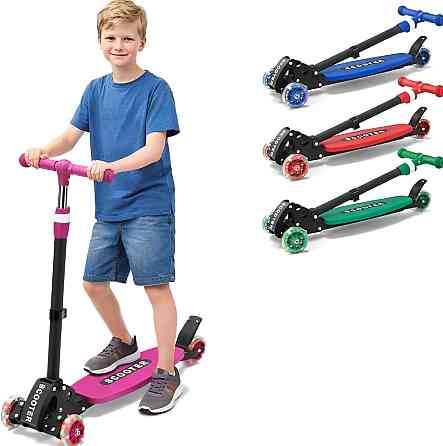
Falls are common, but serious falls are often preventable. Use properly installed stair gates, keep furniture away from windows, lock windows or use guards, and ensure playground equipment fits the child’s age and motor abilities. Helmets should be used for bicycles, scooters, skateboards, and similar wheeled activities.
Use age-appropriate car seats and strict water supervision
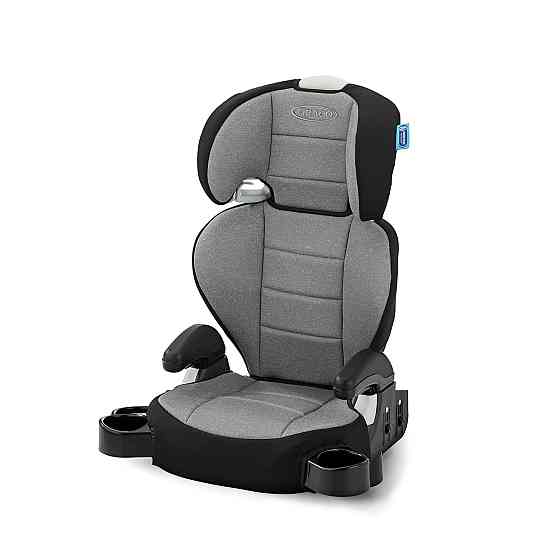
Motor vehicle safety depends on the correct restraint for the child’s age, weight, height, and developmental stage. Infants should ride rear-facing, and many children remain safer rear-facing beyond the first birthday until they reach the seat’s limits. A forward-facing car seat with a harness is typically used after a child outgrows rear-facing limits, and booster seats are needed until the vehicle seat belt fits correctly. Follow the car seat manual and vehicle manual, and consider a certified car seat check if available.
Water safety requires constant adult supervision, not just swimming ability. Drowning can be silent and rapid. Assign a responsible adult as the dedicated water watcher during baths, pools, lakes, beaches, and even shallow water play. Put phones and distractions away during supervision. Empty buckets, kiddie pools, and tubs immediately after use, and secure pools with barriers and gates.
Teach children simple water rules: never swim alone, never run around pools, stay within designated swimming areas, and at beaches swim between flags when that system is used. Flotation devices are not substitutes for supervision or properly fitted life jackets in boating or open-water settings.
Teach body safety, road safety, stranger awareness, and instincts
Children need clear, calm rules that they can practice before a stressful situation occurs. Teach correct names for body parts, explain that private parts are private, and reinforce that children can say no to unwanted touch, even from familiar people. Make it clear that unsafe secrets should not be kept from trusted adults. A child should know several trusted adults they can approach if they feel uncomfortable or threatened.
Stranger safety is more effective when framed around behavior rather than appearance. Teach children not to accept rides, gifts, food, or requests for help from people without caregiver permission. Role-play what to do if someone asks them to keep a secret, leave an area, or ignore family rules. Encourage children to trust instincts such as feeling scared, confused, pressured, or unsafe.
Road safety also needs repetition. Young children may know rules but lack mature impulse control and speed judgment. Teach them to stop at the curb, look right-left-right or according to local traffic direction, listen for vehicles, and cross with an adult or at designated crossings. In parking lots, children should hold an adult’s hand or the cart and avoid walking behind vehicles.
Prepare for emergencies without frightening your child
Preparedness helps families act quickly when something goes wrong. Install and test smoke alarms and carbon monoxide alarms. Keep fire extinguishers accessible if you know how to use them safely, and create a fire escape plan with two exits when possible. Practice the plan calmly, including where to meet outside. Children should know that they should not hide during a fire and should respond to rescuers.
Keep emergency numbers visible and saved in phones. Caregivers should know the child’s allergies, medical conditions, medications, and how to contact parents or guardians. If your child has asthma, seizures, diabetes, anaphylaxis risk, or another condition, ask the clinician for a written action plan for school, childcare, and babysitters.
Parents should also learn pediatric emergency warning signs. Seek urgent medical advice or emergency care for severe breathing difficulty, blue or gray coloration, unresponsiveness, seizure activity, severe head injury, uncontrolled bleeding, signs of dehydration, suspected poisoning, or a child who appears seriously ill to you. When in doubt, err on the side of calling a healthcare professional or emergency service.
Build safety habits that grow with your child
Safety rules work best when they are repeated in brief, respectful conversations rather than delivered as one frightening lecture. Toddlers need simple commands and physical barriers. Preschoolers can learn short rules such as stop, wait for an adult, and ask first. School-age children can practice scenarios, memorize caregiver phone numbers, and understand why rules exist. Adolescents need collaborative boundaries around transportation, online contact, substances, firearms, and peer pressure.
Sun safety is a good example of a habit that develops over time. Use shade, protective clothing, hats, and broad-spectrum sunscreen as appropriate for age and skin exposure. Teach children to drink water, take breaks in heat, and tell an adult if they feel dizzy, overheated, nauseated, or unusually tired.
Finally, review safety before transitions: a new home, vacation rental, grandparent visit, school year, babysitter, or playdate. Ask about pools, pets, firearms, medications, sleep arrangements, and transportation. These questions are not overprotective; they are part of responsible caregiving. Children gain confidence when adults create predictable boundaries and respond calmly when help is needed.
Seek urgent help for high-risk situations
- Call emergency services for severe breathing difficulty, unresponsiveness, major trauma, or uncontrolled bleeding.
- Treat suspected poisoning, button battery ingestion, magnet ingestion, and firearm injury risk as urgent.
- Never leave infants or young children unattended in water, cars, kitchens, or elevated surfaces.
- Consult a pediatric clinician if safety advice conflicts with your child’s medical needs or developmental abilities.
- If a child discloses unsafe touch, believes they are in danger, or fears an adult, respond calmly and seek professional help.
Tools & Assistance
- Schedule a certified car seat inspection when available in your community.
- Program poison control and emergency contacts into every caregiver’s phone.
- Create a written home emergency plan, including fire exits and a family meeting place.
- Ask your pediatrician for condition-specific action plans for allergies, asthma, seizures, diabetes, or other chronic conditions.
- Do a room-by-room safety audit before travel, playdates, or new childcare arrangements.
FAQ
At what age can I rely on my child to follow safety rules?
Children can learn rules early, but impulse control and risk assessment mature gradually. Use supervision and environmental safeguards, especially for young children.
Are child-resistant medication caps enough?
No. Child-resistant caps are not childproof. Store medicines and toxic substances locked away and out of sight.
What is the most important water safety rule?
Constant, focused adult supervision is the key rule. Swimming lessons and flotation devices do not replace a designated water watcher.
How should I talk about stranger safety without scaring my child?
Use calm role-play and focus on unsafe behaviors: leaving without permission, keeping secrets, accepting rides, or ignoring trusted-adult rules.
When should I call a clinician instead of watching at home?
Call promptly for concerning injuries, possible poisoning, breathing problems, altered responsiveness, dehydration, or whenever your child looks seriously unwell to you.
Sources
- Tallahassee Memorial Healthcare — Child Safety Tips Every Parent Should Know
- Kids and Teens Pediatric Care — Child Safety: Essential Tips for Parents to Keep Their Kids Safe and Healthy
- Bellamy's Organic — 12 Basic Safety Rules Every Child Should Know
Disclaimer
This article is for general educational purposes and does not replace medical advice. Consult a pediatric healthcare professional or emergency services for urgent concerns or child-specific guidance.
















Please log in to leave a comment.