

Intro
Choosing baby products can feel like a series of high-stakes decisions, especially when packaging makes every item sound essential. A practical approach is to start with safety, fit, and your infant's actual needs rather than novelty, social-media trends, or broad developmental claims.
For medically literate caregivers, it can help to treat each purchase as a small risk assessment: consider the product's intended use, the baby's age and motor abilities, foreseeable hazards, evidence behind health-related claims, and whether professional guidance is needed. You do not need a perfect nursery to provide careful, responsive care.
Highlights
Prioritize products that meet current safety standards and suit your baby's present developmental stage, not projected future needs.
For sleep, travel, feeding, and bathing equipment, correct use and supervision are as consequential as the product itself.
Choose simpler personal-care formulations when possible, particularly avoiding unnecessary fragrance and ingredients of concern.
Secondhand items can be useful, but products with an unknown history, missing parts, damage, or recalls require particular caution.
Start with the function and the foreseeable risk
Before comparing brands, define exactly what the product must do. A car seat restrains an infant during travel; a crib provides a sleep space; a diaper cream protects vulnerable skin from moisture and irritants. This sounds basic, but it helps separate a genuine need from an attractive extra. Products marketed as solutions for sleep, reflux, feeding, or development deserve especially careful scrutiny because a reassuring claim is not equivalent to established safety or clinical benefit.
Next, identify the most plausible hazard. For equipment, consider falls, entrapment, strangulation, burns, choking, drowning, and sleep-related suffocation. For personal-care products, consider irritant or allergic contact dermatitis, accidental ingestion, and unnecessary exposure to chemical ingredients. Assess where and how often the item will be used, whether it will be used while a caregiver is tired or distracted, and whether a baby could outgrow its safe use quickly.
Favor products with a clear intended age or size range, complete instructions, stable construction, and safety features that are easy to use correctly. Complexity can create opportunities for misuse. A product that requires many adjustments, proprietary accessories, or a precise sequence of steps may be less suitable for a household if it cannot be operated consistently and safely.
Make sleep products a separate safety decision
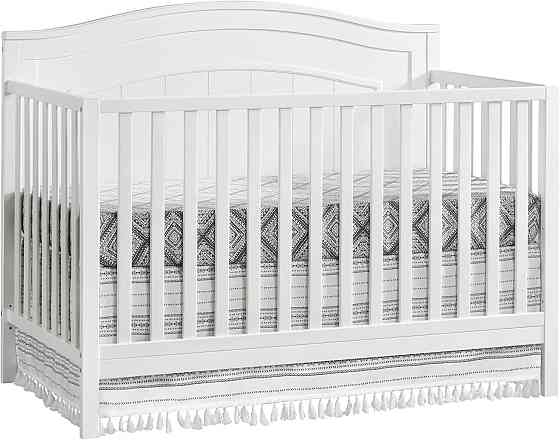
Sleep deserves its own decision process because infants are physiologically vulnerable to airway obstruction and impaired arousal. Choose a dedicated, separate infant sleep surface that is designed for sleep and follows current safe-sleep guidance. The sleep surface should have a firm, flat mattress and a fitted sheet; avoid using loose bedding, pillows, padded inserts, sleep positioners, or other add-on products in the sleep space unless your child’s healthcare professional has provided individualized guidance.
Be cautious about products marketed as allowing a baby to sleep at an incline, stay in a certain position, or sleep longer. An infant’s head and neck control is immature, and positioning that appears comfortable can still compromise the airway. A product’s popularity, favorable reviews, or soothing appearance does not establish that it is appropriate for unsupervised sleep.
Check the manufacturer instructions and current recall information before use, including for bassinets, cribs, play yards, mattresses, and wearable blankets. If you use a sleep sack, choose a product intended for the baby’s current size and developmental status; non-weighted sleep sacks are generally a more straightforward option than products that apply additional weight. Discuss persistent sleep concerns, reflux symptoms, or feeding difficulties with a pediatric clinician instead of relying on a sleep product to solve a medical problem.
Match transport equipment to the baby and the vehicle
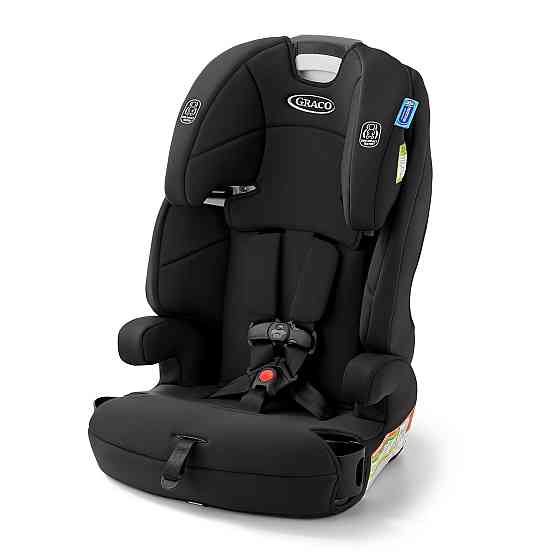
Transport products have to fit both the child and the environment in which they will be used. For motor travel, select a rear-facing infant car seat or another rear-facing seat that fits your baby’s height and weight and can be installed correctly in your specific vehicle. Read both manuals because the vehicle and seat instructions may set different constraints. The most expensive model is not inherently safer if it is difficult to install, adjust, or use consistently.
Inspect the harness mechanism, buckle, recline guidance, expiration information, labels, and all included components. A newborn requires appropriately positioned straps and a recline angle that supports the airway; avoid aftermarket inserts or accessories unless the car-seat manufacturer explicitly authorizes them. Bulky clothing under the harness can interfere with a secure fit, so use thin layers and cover the baby over the secured harness if additional warmth is needed.
For strollers, choose an age-appropriate stroller recline and confirm whether the manufacturer permits newborn use. Newborns need positioning that does not allow the head to flex forward, which can narrow the airway. Test brakes, harnesses, folding locks, wheel stability, and storage limits. Never assume that a stroller, swing, bouncer, or car seat is a substitute for a routine sleep space. For uncertain installation or fit, a certified Child Passenger Safety Technician can provide practical, hands-on education.
Read labels and ingredients with a proportionate approach
Babies do not need elaborate skin-care routines. Their skin barrier is still maturing, and frequent washing or multiple fragranced products can contribute to dryness and irritation. Start with a small set of products, such as a gentle cleanser when needed, a bland moisturizer if the skin is dry, and diaper-area care appropriate to the situation. Introduce one new topical product at a time when practical, so a reaction is easier to recognize and discuss with a clinician.
Read the ingredient list rather than relying on terms such as “natural,” “hypoallergenic,” or “dermatologist tested,” which do not guarantee that a product will suit every infant. The American Academy of Pediatrics advises ingredient awareness and suggests avoiding unnecessary phthalates, parabens, triclosan, and synthetic fragrances in children’s personal-care products. Fragrance-free is often more informative than “unscented,” because an unscented product may still contain fragrance-masking ingredients.
Keep lotions, cleansers, oils, and medications out of reach, even if they are intended for babies. Essential oils, adult cosmetics, and concentrated products may be irritating or toxic if swallowed or used incorrectly. If your baby develops a rash, swelling, blistering, breathing difficulty, or symptoms after an exposure, stop using the product and seek prompt medical advice. A clinician can help distinguish common irritation from conditions that require assessment; do not attempt to diagnose a skin eruption from product reviews alone.
Evaluate secondhand, borrowed, and online purchases
Borrowed and secondhand baby products can reduce costs and waste, but their history matters. Ask whether the product has ever been damaged, repaired, exposed to smoke or mold, involved in a motor-vehicle crash, or stored in extreme heat or damp conditions. Confirm that all original parts, labels, instructions, and restraint components are present. Missing hardware, improvised repairs, degraded foam, cracked plastic, frayed straps, and loose fasteners can materially change safety.
Check the exact model name and number against current recalls before accepting or buying an item. Register eligible new products with the manufacturer so that you can receive recall notices directly. Avoid products sold by unknown online sellers when the listing does not clearly identify the manufacturer, model, age range, or applicable safety information. Counterfeit or poorly documented products may not have undergone the same design, testing, or quality-control processes as traceable products.
Use extra caution with sleep equipment, car seats, breast pumps with milk-contact components, and products involving electrical power or batteries. For a used car seat, a complete and verifiable crash history is essential; when the history is uncertain, replacement is usually the prudent course. For toys, inspect for small detachable toy parts, damaged seams, peeling coatings, and access to button batteries or magnets. A secure battery compartment that requires a tool to open reduces a serious ingestion hazard.
Use evidence, observation, and professional help
Marketing often frames baby products as developmental necessities. In most cases, responsive caregiving, feeding support, safe sleep, conversation, movement, play, and routine preventive care matter more than specialized devices. Be skeptical of claims that an item will prevent a medical condition, correct posture, treat reflux, accelerate milestones, or replace professional assessment. Look for specific, verifiable information about intended use and safety rather than vague statements about wellness or comfort.
After purchase, review the instructions before first use and revisit them as your baby gains mobility. Many injuries occur when a product remains in use after a child has reached a new rolling, sitting, pulling-to-stand, or climbing milestone. Perform routine checks for wear, recalls, loose parts, and changing fit. Keep product instructions accessible rather than relying on memory, especially for equipment used intermittently.
Bring questions to well-child visits, particularly if a product relates to feeding, sleep, breathing, skin disease, developmental positioning, or travel after prematurity. Your pediatric clinician can place product decisions in the context of your child’s medical history. For technical questions, seek qualified support such as a certified Child Passenger Safety Technician for car-seat installation. A calm, repeatable method is enough: identify the need, verify the product, set it up correctly, supervise appropriately, and reassess as your baby grows.
Safety warnings
- Do not use inclined sleep products, infant sleep positioners, pillows, or loose bedding for routine infant sleep.
- Stop using equipment immediately if it is recalled, damaged, missing parts, or no longer appropriate for your baby's age, size, or abilities.
- Never leave an infant unattended in a bath, on an elevated surface, or in equipment with fall or strangulation hazards.
- Keep button batteries, magnets, small parts, medicines, and personal-care products secured and out of reach.
- Seek urgent medical care for breathing difficulty, facial swelling, marked lethargy, or suspected ingestion of a battery, magnet, medication, or toxic substance.
Tools & Assistance
- Review manufacturer instructions and product registration information before first use
- Check official recall notices using the product model and serial number
- Ask a pediatric clinician about products connected to sleep, feeding, skin concerns, or developmental positioning
- Arrange car-seat installation guidance with a certified Child Passenger Safety Technician
- Use MedlinePlus infant-care resources to locate authoritative safety guidance
FAQ
Are expensive baby products safer?
Not necessarily. Safety depends on appropriate design, current standards, correct fit, intact parts, and consistent correct use. A simpler product that you can use reliably may be the better choice.
Can I use a hand-me-down crib or car seat?
Possibly, but verify the model, condition, instructions, missing parts, recall status, and full history. Use particular caution with car seats when a crash history cannot be confirmed.
What does fragrance-free mean for baby skin products?
It generally indicates no added fragrance, though labels should still be reviewed. It is often a reasonable preference for sensitive infant skin because fragrance can be an irritant or allergen.
Should I buy a product advertised to improve sleep or reflux?
Discuss persistent sleep or reflux concerns with a pediatric clinician. Avoid relying on positioning devices or other products that may create unsafe sleep conditions.
Sources
- American Academy of Pediatrics — Choosing Safe Baby Products
- MedlinePlus — Infant and Newborn Care
- Nemours KidsHealth — Choosing Safe Baby Products
Disclaimer
This article is for general educational purposes and does not replace individualized medical or safety advice. Consult a pediatric healthcare professional for concerns about your baby's health, development, or product use.














Please log in to leave a comment.