

Intro
Preparing for a baby can create real pressure to buy every product that promises better sleep, easier feeding, or constant reassurance. It is understandable to want practical help, especially when advertising makes specialized gear look essential. In reality, a shorter list of well-chosen, safety-focused items is usually more useful than a crowded nursery.
This guide focuses on gear that is unsafe for routine infant sleep, has unproven safety claims, or is commonly used in ways that can increase risk. Recommendations can change as products are recalled or standards evolve, so discuss individual circumstances, including prematurity, reflux, or respiratory conditions, with your child's healthcare professional.
Highlights
Products marketed as cozy, inclined, or position-supporting can be hazardous when used for infant sleep because they may compromise the airway or create an entrapment risk.
A product sold for babies is not automatically a safe sleep product. The intended use, the sleep environment, and the infant's developmental stage all matter.
Avoid relying on consumer monitors or anti-SIDS claims for protection; these products do not replace established safe-sleep practices or clinical guidance.
Buying less can reduce confusion, clutter, and the temptation to use a convenient product outside its intended purpose.
Start with the evidence, not the marketing
Baby-product marketing often targets predictable worries: interrupted sleep, spit-up, flat head shape, colic, and fear of sudden infant death syndrome (SIDS). A reassuring label, a large number of online reviews, or an image of a sleeping infant does not establish that a product is safe. The most dependable starting point is whether the item supports established safe-sleep guidance and whether it is intended for the exact way you plan to use it.
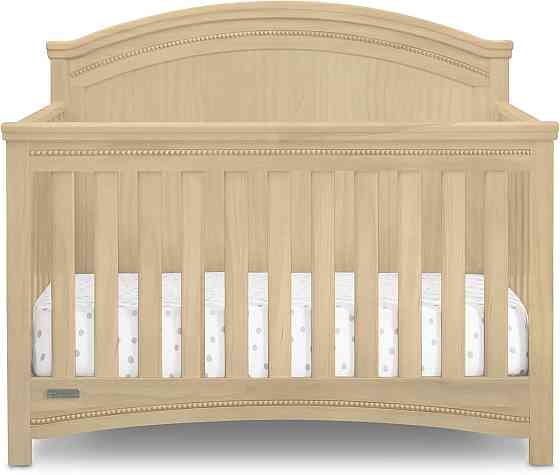
For routine sleep, the core principle is a separate, firm, flat sleep surface designed for an infant, with only a fitted sheet. This is deliberately simple. It reduces circumstances in which an infant’s nose and mouth can be obstructed, the neck can flex forward, or the baby can become wedged against a soft or raised surface. Young infants have limited head control and may not reliably reposition themselves when breathing is impaired.
Before purchasing, pause at products whose principal promise is to hold, angle, contain, or cushion a sleeping baby. Ask whether the claim is supported by pediatric guidance, whether the product is designed and regulated as an infant sleep space, and whether it would still be useful if your baby never slept in it. In many cases, avoiding the purchase prevents a difficult, sleep-deprived decision later.
Avoid inclined sleepers and sleep positioners
Do not buy inclined sleep products, including products marketed as inclined sleepers, foam recliners, wedges, or devices that position a baby’s head or torso at an angle. Inclined positioning can allow an infant’s head to fall forward or sideways, narrowing the airway. A baby may also slide downward and become trapped against padding or sidewalls. These risks can occur quietly, particularly when caregivers reasonably believe the product is meant for sleep.
Similarly, avoid infant sleep positioners, anti-roll devices, and products that claim to keep a baby in a particular posture. Positioning devices may introduce soft material near the face or create gaps where entrapment can occur. They are not a substitute for placing an infant on their back for every sleep on a firm, flat mattress. Concerns such as reflux deserve individualized clinical discussion; improvised elevation and consumer positioning products should not replace that conversation.
Some products may be marketed with language such as “reflux relief,” “breathable,” “anti-roll,” or “overnight comfort.” Those phrases describe marketing claims, not proof of safe unsupervised sleep. If an infant falls asleep in a non-flat device, move them to an appropriate sleep space as soon as practical. If you are uncertain about a product already in your home, check its instructions, recall status, and discuss it with your pediatric clinician.
Skip nests, docks, loungers, and plush sleep spaces
Baby nests, docks, snugglers, loungers, bean bags, and similarly cushioned products can look like compact alternatives to a bassinet. They are not appropriate for routine or unsupervised infant sleep. Their padded edges, soft surfaces, and shaped interiors can create a suffocation or entrapment hazard. Even a product that feels stable when an adult is nearby may become unsafe when a baby turns their head, shifts position, or is left alone.
Avoid adding plush inserts, pillows, quilts, stuffed toys, bumper pads, or loose blankets to a crib, bassinet, or portable play yard. Soft items can conform to an infant’s face and obstruct airflow. They can also change the sleeping surface in ways that make it harder to maintain a bare infant sleep space. Decorative nursery images are not a safety standard.
It can help to separate “supervised awake time” from “sleep time” in your mind. Some soft products are promoted as places to set down an awake baby while an adult is watching closely, but their appearance can blur that boundary. If there is a chance you may step away, doze off, or use the product overnight, choose an approved sleep space instead. This is particularly relevant during the early weeks, when caregiver fatigue is common and infants sleep unpredictably.
Do not treat sitting devices as sleep equipment
Swings, rockers, bouncers, and similar sitting or semi-reclined devices may be useful for brief, awake, supervised periods when used according to their instructions. They are not safe sleep spaces. In a seated or slumped posture, an infant’s relatively heavy head can flex toward the chest. This may partially obstruct the airway, a concern sometimes described as positional asphyxia. The risk is not always obvious from a quick visual check.
Car seats also deserve this distinction. A correctly installed, rear-facing car seat is essential for travel, but it is not designed as a routine sleep environment outside the vehicle. If a baby falls asleep while traveling, continue to supervise as appropriate and transfer the baby to a firm, flat sleep surface after arriving when feasible. Do not use a car seat placed on a counter, table, bed, sofa, or shopping cart as a portable sleep solution; falls and instability add further hazards.
Convenience can make this advice hard to follow, especially when a baby settles only in motion. A realistic plan is to set up an accessible bassinet, crib, or portable play yard near the places where adults spend time. Ask another caregiver for a handoff when you are exhausted. For persistent sleep difficulties, feeding concerns, or suspected reflux symptoms, seek advice from your child’s healthcare professional rather than purchasing a positional product.
Avoid weighted sleep products and unnecessary monitors
Skip weighted blankets, weighted swaddles, weighted sleep sacks, and other products that add pressure to an infant’s chest or body. Infants cannot reliably remove a heavy item or signal distress in the same way as an older child. The American Academy of Pediatrics advises against weighted sleep products because their safety has not been established and added weight may restrict movement or breathing.
Also be cautious with products that claim to prevent SIDS, detect every dangerous breathing event, or provide medical-grade reassurance. Home cardiorespiratory monitors and wearable consumer monitors are not a replacement for safe-sleep practices, attentive caregiving, or medical evaluation when a clinician recommends it. False alarms can intensify anxiety and disrupt sleep, while a normal-looking reading may create a false sense of security. A monitor prescribed for a specific medical indication is different; follow the treating team’s instructions in that situation.
For warmth, choose sleep clothing appropriate to the room and use a non-weighted sleep sack only if it fits properly and is used according to instructions. Avoid overheating, covering the head, and adding loose layers to the sleep area. Once a baby shows signs of attempting to roll, swaddling practices need reassessment because restricted arms may interfere with protective movement. Your pediatric clinician can help tailor advice to your infant’s age, growth, and medical history.
Be selective with secondhand and multi-purpose gear
Secondhand baby products can be economical, but they require more scrutiny than adult household goods. Avoid buying used sleep products with missing labels, unknown history, damaged hardware, worn mattresses, or modifications. Older equipment may not meet current safety standards, and a recalled item may still circulate through resale sites, local groups, or family storage. Check recalls through official channels before accepting or purchasing gear, and do not attempt to repair a recalled product unless the manufacturer provides a specific approved remedy.
Multi-purpose products need special attention because their marketing can obscure the safest use. A seat that converts into a recliner, a lounger that resembles a bassinet, or a travel product advertised for naps can invite sleep use that the product was not designed to support. Read the manual rather than relying on photos or a seller’s description. Confirm age, weight, developmental limits, restraint requirements, and whether the item is intended for awake use, travel, or sleep.
A practical purchase filter is simple: prioritize equipment with a clear purpose that solves a genuine daily need. A safe sleep space, correctly fitted car seat, feeding supplies, diapers, and a few reliable clothing layers usually matter more than novelty devices. Keeping the setup simple supports consistent routines and makes it easier for every caregiver to recognize an unsafe sleep environment before it becomes an emergency.
Safety reminders
- Do not use inclined, cushioned, or position-supporting products for routine infant sleep.
- Move a sleeping baby from a swing, bouncer, rocker, or car seat to a firm, flat sleep surface when practical.
- Keep infant sleep spaces bare except for a fitted sheet.
- Avoid weighted sleep products and products claiming to prevent SIDS without evidence.
- Check recalls and instructions before using borrowed or secondhand gear.
Tools & Assistance
- Review product instructions and age, weight, and developmental limits before first use
- Search official recall notices before buying or accepting used baby gear
- Ask a pediatric clinician about reflux, sleep difficulties, or medically indicated monitoring
- Arrange a car-seat installation check with a certified child passenger safety technician
FAQ
Can a baby nap in a swing or bouncer while I watch nearby?
These devices are not intended for routine infant sleep. If a baby falls asleep, transfer them to a separate, firm, flat sleep surface as soon as practical.
Are breathable baby nests safe for overnight sleep?
Breathability claims do not make padded nests, docks, or loungers safe for unsupervised or overnight infant sleep. Soft edges and shaped surfaces can still create hazards.
Should I buy a monitor to reduce SIDS risk?
Consumer monitors have not been shown to prevent SIDS and do not replace safe-sleep practices. Discuss any medical monitoring concerns with your child's healthcare professional.
What should my baby sleep in instead of a lounger?
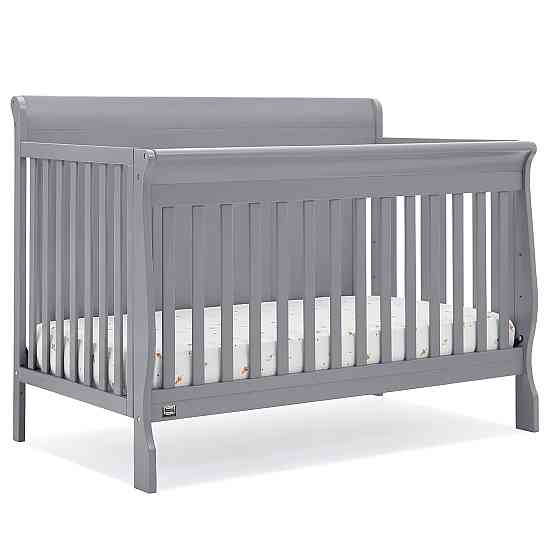
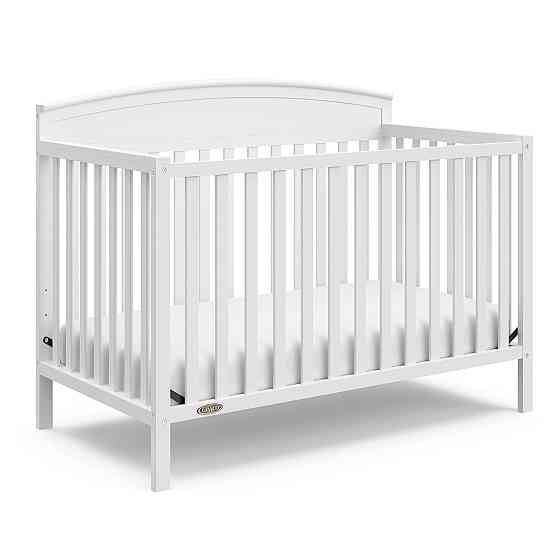
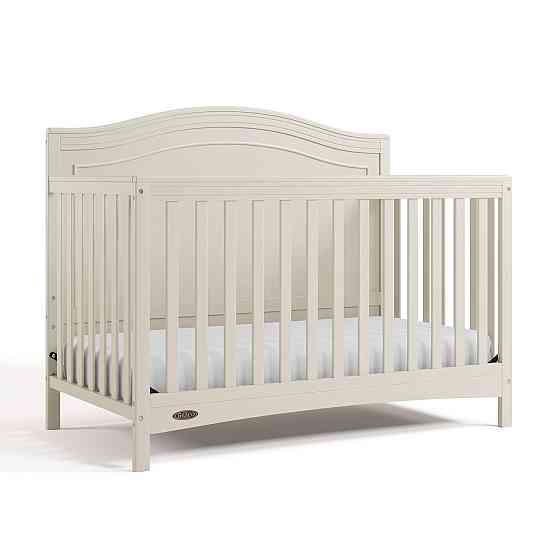
Use a safety-approved crib, bassinet, or portable play yard with a firm, flat mattress and fitted sheet, following the manufacturer's instructions.
Sources
- HealthyChildren.org (American Academy of Pediatrics) — Baby Products to Avoid: Unsafe Registry Picks & Other Dangerous Gear
- HealthyChildren.org (American Academy of Pediatrics) — How to Keep Your Sleeping Baby Safe: AAP Policy Explained
- Vermont Department of Health — Products to avoid
Disclaimer
This article is for general educational purposes and is not medical advice. Consult your child's healthcare professional for guidance tailored to your infant's health and circumstances.













Please log in to leave a comment.