

Intro
A baby registry can be a practical way for loved ones to support your family, but the volume of products marketed to new parents can make every item feel urgent. A useful registry is not a catalog of every possible convenience. It is a short, flexible plan for meeting your baby's core needs while leaving room to learn what works in your household.
Starting with safety-critical basics, matching quantities to your actual routines, and delaying uncertain purchases can reduce waste, duplicate gifts, storage burden, and financial pressure. Your obstetric, pediatric, lactation, or other healthcare team can help when product decisions intersect with feeding, sleep, prematurity, medical equipment, or a specific health condition.
Highlights
Build around the first weeks at home, then add items as your baby's feeding, sleep, and mobility needs become clearer.
Prioritize products with a clear safety or daily-care function over novelty items, duplicate gear, and highly specialized accessories.
Use registry quantities as starting points rather than quotas; laundry access, climate, and feeding plans change what is sufficient.
Keep a small group of higher-cost essentials visible and offer lower-cost options, contributions, and practical support alongside them.
Start With the First Six to Eight Weeks
The most reliable way to avoid overbuying is to define the registry’s job narrowly: support the period immediately after birth rather than solve every possible parenting scenario. In the first six to eight weeks, most families need safe sleep, feeding supplies appropriate to their plan, diapering and hygiene basics, weather-appropriate clothing, and a safe method of transportation. Babies grow quickly, preferences are unpredictable, and household routines often change after delivery.
Begin by writing a short description of your likely daily life. Consider your housing layout, laundry frequency, climate, whether you expect to walk or drive most places, available storage, and whether relatives may provide hand-me-downs. Also consider postpartum recovery. A setup that reduces repeated stair climbing, heavy lifting, or unnecessary trips to a store may be more valuable than another decorative item.
Separate the list into three levels: needed before birth, useful but wait-and-see, and later-stage needs. The first level should remain intentionally modest. The second can include a few options marked as lower priority. The third may be a private note rather than a public request. This structure lets gift-givers choose something meaningful without encouraging purchases that may sit unused.
- Needed before birth: a safe sleep space, a correctly sized mattress and fitted sheets, an appropriate rear-facing car seat if travel by car is planned, basic diapers, clothing, and feeding essentials.
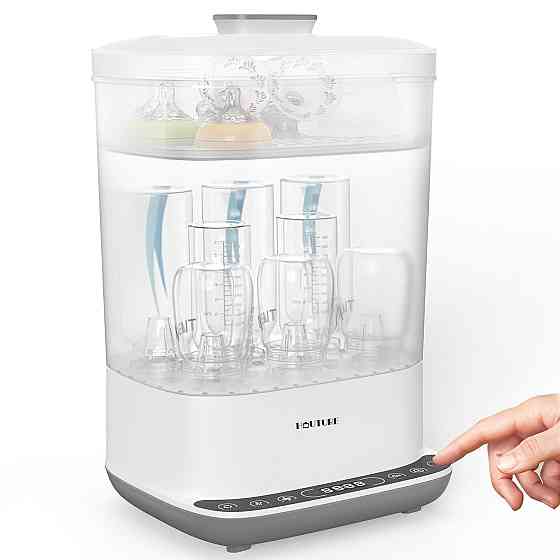
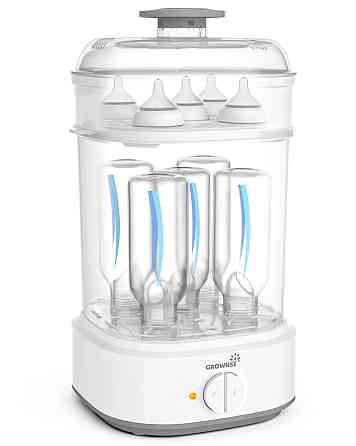
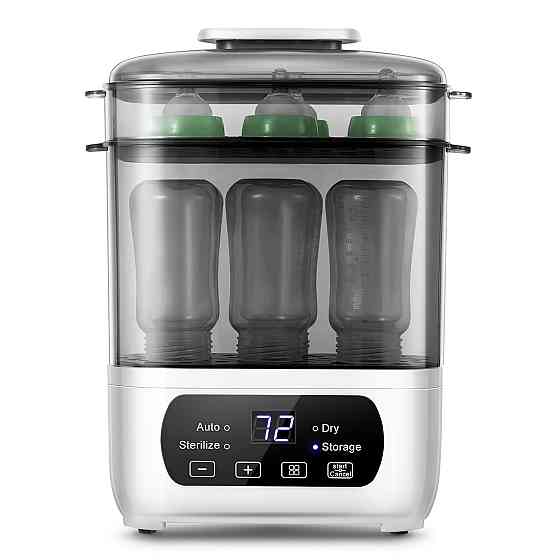
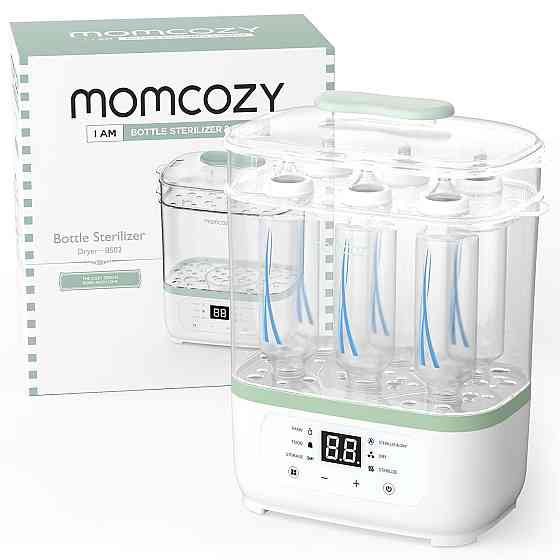
- Wait-and-see: multiple bottle systems, pumps or accessories not covered by your clinical or insurance plan, swings, bouncers, white-noise devices, and elaborate nursery organizers.
- Later-stage: feeding chairs, extensive baby-proofing supplies, larger toys, and products for crawling or walking.
Prioritize Safety-Critical Essentials
Some products have a direct safety role, so they should take precedence over convenience items. For sleep, plan for a separate infant sleep surface that meets applicable safety standards, with a firm, snugly fitting crib mattress and fitted sheet. Avoid using pillows, loose blankets, padded inserts, sleep positioners, or inclined sleep products in an infant sleep space. Product marketing can be persuasive, but safe sleep recommendations should guide this category.
For transportation, add a rear-facing car seat suited to your vehicle and expected use. The seat is only part of the system: installation and correct harness use matter. Arrange car-seat installation checks through a qualified local program when available, and follow the manufacturer instructions for the specific seat and vehicle. Avoid adding aftermarket inserts or accessories unless the car-seat manufacturer explicitly permits them.
Safety also matters when accepting gifts or purchasing used items. A secondhand stroller, carrier, or dresser may be sensible if it is complete, cleanable, compatible with current safety guidance, and not subject to a recall. However, use additional caution with secondhand baby products that have structural, sleep-related, or crash-protection functions. Do not use a car seat with an unknown crash history, missing labels, damaged components, or an expired service life. When a product will support sleep, transport, or containment, verify its instructions, model information, and recall status before relying on it.
Choose Quantities That Fit Your Household
Overbuying often happens because checklists are read as prescriptions. They are better treated as prompts. The amount of clothing, diapers, sheets, and bottles a family needs depends on laundry access, expected spit-up or diaper leakage, climate, and how often caregivers want to run a wash cycle. A compact home with frequent laundry may need far less inventory than a household managing a long commute to a laundromat.
Clothing is a common source of excess. Register for a small range of soft, easy-to-layer garments in several sizes instead of many newborn outfits. Newborn sizing may be outgrown quickly, especially if the baby is larger at birth, and seasonal timing can make a large clothing stockpile impractical. Focus on easy diaper access and comfort rather than complicated fasteners or occasion wear.
For diapering, register for a limited initial supply rather than cases in one size or brand. Skin sensitivity, fit, stool frequency, and growth can influence what works. Keep receipts or use a retailer with an exchange policy when possible. The same approach applies to wipes and topical products: a small starter supply helps you assess tolerance without accumulating products that cause irritation or are simply unnecessary.
Feeding quantities deserve similar restraint. If you plan to breastfeed, a few compatible bottles and basic cleaning supplies may be enough at first; infant feeding can evolve because of supply concerns, latch difficulty, return-to-work plans, or an infant’s medical needs. If you anticipate formula feeding, select a practical starting setup rather than several formula preparation devices. Discuss individualized feeding concerns with a pediatrician or lactation professional, particularly for a preterm infant, poor weight gain, suspected allergy, reflux symptoms, or complex medical history.
Avoid Buying for Every Possible Preference
Babies do not read product reviews. A highly rated swaddle, pacifier, bottle, carrier, or soothing device may still be rejected by your individual child. Rather than registering for every style, choose one or two adaptable options in categories where preference matters. Use the saved budget and shelf space for items with more predictable utility, such as basic laundry supplies, a thermometer, or additional fitted sheets.
Be particularly cautious with products framed as developmental necessities. Babies benefit from responsive caregiving, safe opportunities for movement, feeding, sleep, and routine preventive care; they do not require a large collection of specialized toys or electronic devices in the newborn period. A simple floor mat may be more useful than bulky activity equipment, provided the infant is supervised and the environment is appropriate for their developmental stage.
Consider whether a product duplicates another item’s function. A stroller bassinet, travel crib, bedside bassinet, rocker, swing, and lounger may all be marketed for rest, but they are not interchangeable sleep spaces, and buying several can create confusion as well as clutter. Choose the product that fits your safe-sleep plan and daily logistics. For short periods of awake supervision, one portable seating option may be enough for many households.
Delay products aimed at later feeding stages, toilet learning, walking, and school-age travel. Keeping a private list is helpful, but purchasing these categories before you know your child’s size, temperament, and developmental timing may lead to unsuitable equipment. A developmental home safety scan is more useful closer to rolling and crawling than a large purchase of gates and locks during pregnancy.
Use Registry Design to Reduce Duplicates
A registry can guide generosity without turning preparation into a shopping project. Mark the few true essentials as highest priority, and include a mix of price points. Contributors may prefer a modest practical item, a group gift toward a car seat or stroller, a meal-delivery contribution, or help with household tasks. This reduces the pressure to add numerous small objects simply to fill the list.
Use notes strategically. State the color or model only where compatibility matters, such as replacement parts, bottle nipples, or a stroller system. For clothing, a note requesting a range of sizes can prevent a pile of newborn garments. For books, request board books or favorite childhood titles without specifying dozens of individual editions. For diapers, request a gift receipt when feasible.
Share one primary registry rather than several overlapping lists, and tell close family members about items you have already borrowed or purchased. Before adding a product, ask four practical questions: Does it solve a recurring problem? Is there a safe, simpler item that already performs this function? Can it be borrowed, rented, or purchased later? Where will it live when it is not in use? A product that fails several of these questions is usually a candidate to postpone.
It is also reasonable to add non-product requests. Prepared meals, laundry help, dog walking, grocery delivery, and visits scheduled around your preferences can be more valuable during early postpartum recovery than another newborn outfit. A registry should reflect the support your family will actually use, not only retail categories.
Plan for Medical and Lifestyle Variables
A minimalist registry should still leave room for genuine clinical or logistical needs. A multiple birth, prematurity, disability, anticipated NICU stay, maternal mobility restriction, or a family member’s medical condition can change what is practical. For example, feeding equipment recommendations may differ after a NICU discharge, and a clinician may recommend specific monitoring or positioning practices in defined circumstances. Do not rely on general registry advice for individualized medical equipment decisions.
Insurance coverage and local services may affect timing. Some breast pumps are available through health insurance, while some hospitals or lactation services offer short-term equipment guidance. Ask before buying a premium pump, a large supply of replacement parts, or specialized feeding equipment. Similarly, a pediatrician can advise which basic health supplies are appropriate to keep at home and when a symptom requires evaluation rather than a consumer device.
As your baby’s abilities change, revisit the list in short intervals. Before rolling, crawling, or pulling to stand, assess the actual environment rather than buying generic safety bundles. Hardware-mounted safety gates may be appropriate in certain locations, while other spaces need furniture tip-over prevention or window-cord management. Purchase based on your home’s hazards and your child’s current abilities. This staged approach protects both your budget and your attention.
Finally, give yourself permission to revise. A registry is a planning tool, not a measure of readiness or devotion. Families meet infants’ needs successfully with different brands, budgets, and amounts of gear. Start with the essentials, learn from daily use, and add only what resolves a real problem safely.
Safety Reminders
- Use a separate infant sleep surface with a firm mattress and fitted sheet; avoid loose bedding, positioners, and inclined sleep products.
- Do not use a secondhand car seat with an unknown crash history, missing labels, damage, or an expired service life.
- Check recalls and manufacturer instructions before using borrowed or used equipment.
- Do not substitute registry advice for individualized feeding, sleep, developmental, or medical guidance from your healthcare team.
- Seek prompt pediatric guidance for feeding difficulty, poor weight gain, dehydration concerns, breathing concerns, or unusual lethargy.
Tools & Assistance
- Create three registry priority levels: before birth, wait-and-see, and later-stage
- Use a retailer registry that supports gift receipts and returns
- Check product recalls through the manufacturer and relevant consumer safety authority
- Arrange car-seat installation checks with a qualified local program
- Ask your pediatric, obstetric, or lactation team about individualized feeding and equipment needs
FAQ
How many newborn clothes should I register for?
Register for a modest selection of easy-to-layer basics and include several larger sizes. Laundry access, climate, and your baby's birth size matter more than a universal number.
Should I add a breast pump before delivery?
Check insurance coverage and ask your obstetric or lactation team about your expected needs. Many families can wait on extensive accessories until feeding is established.
Are secondhand baby items always unsafe?
No, but verify condition, completeness, instructions, recall status, and age. Use particular caution with car seats and sleep-related products because their safety history and components matter.
What can I request instead of more baby gear?
Consider meal support, grocery delivery, household help, registry contributions, books, diapers with receipts, or practical items that fit your actual routine.
Sources
- Babylist — How to Build a Baby Registry in 4 Easy Steps
- Babylist — Baby Registry Checklist (Interactive + Printable PDF)
- What to Expect — Baby Registry Checklist: Exactly What to Put on a Baby Registry
Disclaimer
This article is for general informational purposes and is not medical advice. Consult a qualified healthcare professional for individualized guidance about your baby, feeding, sleep, or medical equipment.














Please log in to leave a comment.