
Intro
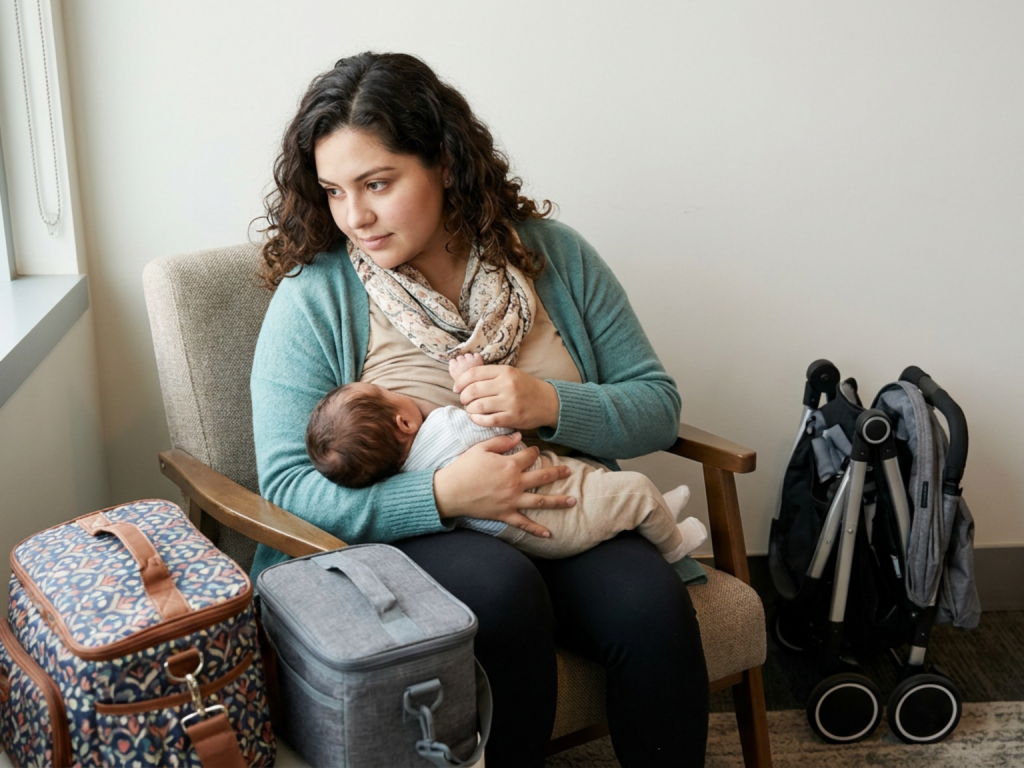
Travel can be restorative, necessary, or stressful, and breastfeeding adds both advantages and logistics. Human milk is portable, immunologically active, and always available when direct nursing is possible, yet travel may disrupt feeding intervals, pumping routines, sleep, hydration, and privacy.
With thoughtful planning, most breastfeeding families can travel safely and comfortably. The goal is not perfection; it is protecting the baby’s nutrition, the lactating parent’s comfort and milk supply, and the family’s ability to adapt when schedules change.
Highlights
Breastfeeding during travel can help soothe infants, support hydration, and may reduce ear discomfort during takeoff and landing.
A flexible feeding plan is usually more realistic than a rigid schedule, especially across time zones or long transit days.
If pumping or storing milk, plan for power access, clean pump parts, insulated cooling, and extra time at airport security.
Seek individualized advice before international travel, premature infant travel, travel during illness, or travel with complex medical needs.
Why breastfeeding can make travel easier
Breastfeeding can simplify travel because the feeding source is with the baby and does not require mixing formula, locating safe water, or warming bottles. Direct nursing can also provide comfort during overstimulating moments such as boarding, traffic, schedule changes, or unfamiliar sleeping spaces. For infants on airplanes, sucking and swallowing at the breast during ascent and descent may help equalize middle-ear pressure and reduce ear pain.
Human milk also contains antibodies, immune cells, oligosaccharides, and other bioactive components that help protect infants from gastrointestinal and respiratory infections. This does not make a baby immune to travel-related exposures, but it is one reason continuing breastfeeding during trips can be beneficial. For families visiting crowded airports, public restrooms, relatives with viral symptoms, or areas with uncertain sanitation, the protective and practical value of breastfeeding may be especially meaningful.
Still, travel may temporarily disrupt intake patterns. Some babies nurse more frequently for comfort; others become distracted and feed briefly. A parent who is pumping may miss sessions because of boarding calls, traffic, or lack of privacy. Anticipating these normal disruptions helps reduce anxiety and supports milk supply maintenance.
Build a realistic travel feeding plan
Before leaving, map the travel day around the baby’s usual feeding rhythm, then add flexibility. Babies often need to feed during transitions: before leaving home, after car seat transfer, while waiting at a gate, when arriving at lodging, or after stimulation from family visits. Rather than planning only by clock time, watch infant cues such as rooting, hand-to-mouth activity, increased alertness, fussing, or difficulty settling.
If you are combining direct breastfeeding and pumping, write a simple plan that covers where you might nurse, when you might pump, and what you will do if a session is delayed. A written feeding and medication log can be useful if caregivers are sharing responsibilities or if the baby takes prescribed medicines. Include the baby’s usual number of wet diapers, approximate feeding frequency, and any recent clinical concerns.
For time zone changes, do not expect the baby’s feeding schedule to shift immediately. Many families do best by feeding responsively for the first 24 to 48 hours, then gradually aligning naps, daylight exposure, and meals to local time. If the trip is short, maintaining the home rhythm may be easier. If the trip is long, gradual sleep schedule adjustment may reduce overtiredness, which can otherwise lead to frantic latch attempts or short feeds.
Packing for nursing and pumping
A prepared feeding bag reduces stress when the environment is unpredictable. Keep essential items in carry-on luggage or within reach in the car, not in checked bags. If you pump, assume that a delay could extend the travel day by several hours.
- For nursing: burp cloths, extra baby clothes, extra parent shirt, nursing pads, a lightweight cover if you prefer one, and water and snacks for the lactating parent.
- For pumping: pump, flanges, tubing if applicable, valves, membranes, bottles or storage bags, labels, charging cable, battery pack or manual pump backup, and a clean container for used parts.
- For milk transport: insulated cooler, frozen gel packs, leak-proof bags, and a plan for refrigeration at the destination.
- For hygiene: hand sanitizer, soap access when possible, disinfecting wipes for hard surfaces, and supplies for pump part cleaning according to the pump manufacturer’s instructions.
If traveling by air, allow extra time for screening of expressed milk, ice packs, and pump equipment. Rules may vary by country and airport, so checking current security guidance before departure is prudent. If staying in a hotel, ask in advance about a refrigerator or freezer. Some families also call ahead to identify lactation rooms, family restrooms, airport nursing pods, or private pumping spaces.
Air travel: feeding, pressure changes, and privacy
For flights, feed the baby when it makes physiologic and practical sense rather than forcing a feed at a specific minute. Nursing during takeoff and landing may help with ear pressure, but some babies sleep through these phases and do not need to be woken unless advised by a clinician. If the baby uses expressed milk, a bottle during ascent or descent can offer similar sucking and swallowing benefits.
Airplane cabins are dry, travel days are long, and parents may unintentionally drink less fluid to avoid restroom trips. Hydration supports comfort, although drinking excessive water does not increase milk supply. Aim for regular fluids and meals, especially if you are nursing frequently or pumping on a long itinerary.
Privacy needs vary. Some parents nurse comfortably in their seat; others prefer a window seat, nursing cover, lactation room before boarding, or a carrier-adjusted position when safe and appropriate. A supportive travel companion can help by handling luggage, speaking with staff, or creating a calmer space. If you need to pump during a long flight, ask the airline about power availability and consider a battery option because outlets are not guaranteed.
For premature infants, babies with cardiopulmonary disease, recent ear infection, poor weight gain, or feeding difficulty, discuss air travel with the pediatrician before departure. The same caution applies if the lactating parent has active mastitis symptoms, significant pain, fever, or a medical condition that could worsen during travel.
Car, train, and bus travel
For car trips, the safest place for an infant in a moving vehicle is an appropriate rear-facing car seat, not at the breast. Plan stops for feeding, burping, diaper changes, and parent stretching. Many families find that feeding immediately before departure and then stopping every 2 to 3 hours, or sooner for a newborn, is more comfortable. During stops, remove the baby from the car seat for feeding and repositioning.
On trains and buses, space may be limited but movement is less constrained than in a car. Keep a compact feeding kit close, and avoid placing pump parts or bottle nipples directly on shared surfaces. Hand hygiene matters because rails, tray tables, and station seating can carry respiratory and gastrointestinal pathogens. When soap and water are unavailable, alcohol-based hand sanitizer is a useful bridge, though visibly soiled hands should be washed when possible.
If the baby becomes unusually fussy, feeds poorly, or has fewer wet diapers during a long trip, pause and reassess. Heat, overdressing, illness, and overstimulation can all affect feeding. Seek medical guidance promptly for signs of dehydration, fever in a young infant, lethargy, respiratory distress, or persistent vomiting.
Expressed milk storage and handling on the road
Safe milk storage is one of the most important planning areas for pumping parents. Expressed milk should be stored in clean containers, labeled with the date and time, and kept cold when it will not be used soon. General storage recommendations depend on whether milk is freshly expressed, refrigerated, frozen, or thawed, and on ambient temperature. Because guidance can change and special circumstances matter, confirm current recommendations with a pediatric or lactation professional if the baby is premature, medically fragile, or immunocompromised.
During travel, use an insulated cooler with frozen ice packs for expressed milk, and minimize opening it. At the destination, refrigerate or freeze milk promptly. If milk has thawed, follow standard thawed-milk guidance rather than refreezing casually. When in doubt about temperature exposure, odor, contamination, or storage time, consult a qualified clinician or lactation consultant rather than risking unsafe feeding.
Pump hygiene is also critical. Wash hands before pumping, use clean parts, and separate clean from used equipment. If full washing is not immediately possible, store used parts safely until they can be cleaned according to manufacturer instructions and public health guidance. Families who exclusively pump may benefit from carrying extra parts so that a delayed wash does not force a missed session.
Protecting milk supply and parent comfort
Milk production is driven largely by milk removal. A single delayed feed or missed pumping session is unlikely to cause lasting harm, but repeated long gaps may lead to engorgement, plugged ducts, reduced output, or mastitis-like symptoms. If the baby skips a usual feed because of sleep or distraction, consider hand expression or pumping for comfort, especially if breasts feel firm or painful.
Engorgement can make latching difficult because the areola becomes taut. Gentle reverse pressure softening, brief hand expression, or a short pump session before nursing may help the baby latch more deeply. Avoid aggressive massage, which can worsen inflammation and tissue trauma. For significant breast pain, redness, fever, chills, or flu-like symptoms, contact a healthcare professional; do not try to self-diagnose infection or decide on antibiotics without medical evaluation.
After arrival, expect a short adjustment period. Babies may cluster feed, sleep at unusual times, or nurse for reassurance in a new environment. Protecting rest, offering frequent access to the breast, and returning to familiar cues can help restore the feeding rhythm after travel. If weight gain, diaper output, latch quality, or parent pain is concerning, arrange a lactation consultant assessment or pediatric review.
International travel, medications, and special situations
International travel adds considerations such as vaccines, malaria prophylaxis, traveler’s diarrhea prevention, food and water safety, and access to medical care. Many vaccines and medications are compatible with breastfeeding, but compatibility depends on the specific product, infant age, infant health, parent health, and destination risk. A travel medicine clinician, obstetric clinician, pediatrician, pharmacist, or lactation-informed professional can help weigh benefits and risks.
If the lactating parent develops traveler’s diarrhea, vomiting, fever, or dehydration, continuing breastfeeding is often possible, but maintaining hydration and medical evaluation may be important. Some illnesses and medications require individualized advice. Avoid starting over-the-counter or prescription medicines without checking lactation safety, especially for sedating drugs, combination cold medicines, certain antimicrobials, or herbal products with limited safety data.
Families traveling with newborns, premature infants, twins, infants with allergies, or babies with feeding tubes or complex conditions should plan more explicitly. Carry medical summaries, emergency contacts, feeding instructions, and enough supplies to handle delays. When feasible, identify pediatric care near the destination before departure. This preparation is not pessimistic; it is a way to make the trip more secure and less reactive.
When to seek medical advice urgently
- Fever, lethargy, breathing difficulty, persistent vomiting, or signs of dehydration in the baby need prompt medical evaluation.
- Severe breast pain, spreading redness, fever, chills, or flu-like symptoms in the lactating parent should be discussed with a healthcare professional.
- Before international travel, ask a clinician about vaccines, malaria prevention, medications, and infant-specific risks.
- If expressed milk temperature or contamination is uncertain, get professional guidance and avoid feeding milk that may be unsafe.
- Premature, medically fragile, or poorly gaining infants need individualized travel and feeding plans.
Tools & Assistance
- Schedule a pre-travel visit with the pediatrician or travel medicine clinic.
- Ask airports, hotels, and venues in advance about lactation rooms, refrigerators, and freezer access.
- Pack a carry-on pumping kit with backup power and extra pump parts.
- Use a cooler with frozen ice packs for expressed milk during transit.
- Keep a simple feeding, diaper, and medication log during long travel days.
FAQ
Can I breastfeed during takeoff and landing?
Usually yes. Sucking and swallowing during ascent or descent may help reduce ear pressure discomfort, but ask your pediatrician if your baby has recent ear disease or complex medical needs.
Will one missed pumping session ruin my supply?
One missed or delayed session usually does not cause lasting supply problems. Repeated long gaps can cause engorgement or lower output, so remove milk as soon as practical.
Can expressed breast milk go through airport security?
In many settings, expressed milk and cooling supplies are allowed with screening, but rules vary. Check current airport or national security guidance and allow extra time.
What if my baby nurses constantly while traveling?
Frequent nursing can be a normal response to overstimulation, disrupted sleep, or thirst. Monitor wet diapers, alertness, and comfort; seek advice if intake or hydration seems inadequate.
Do I need to stop breastfeeding if I get sick while traveling?
Often breastfeeding can continue, but illness type, hydration status, and medications matter. Contact a healthcare professional for individualized guidance.
Sources
- CDC Yellow Book via NCBI Bookshelf — Travel and Breastfeeding
- USDA WIC Breastfeeding Support — Traveling with Your Baby
- University of Maryland Medical System — Traveling While Breastfeeding or Pumping
Disclaimer
This article is for informational purposes only and does not replace medical care. Consult a pediatrician, lactation consultant, pharmacist, or travel medicine clinician for advice specific to you and your baby.














Please log in to leave a comment.