

Intro
Raising a child can be joyful, exhausting, and financially intense all at once. Products for feeding, sleep, hygiene, clothing, play, school, and health often arrive in waves, and marketing can make nearly everything feel urgent. A calmer approach is to focus on safety, function, and timing rather than buying every item early or buying the most expensive version.
This guide is designed for medically literate parents and caregivers who want to reduce costs without compromising developmental needs, injury prevention, infection control, or appropriate medical care. It offers practical strategies for deciding what to buy, what to borrow, what to skip, and when to seek professional guidance.
Highlights
The biggest savings usually come from buying fewer products, not only from finding lower prices.
Secondhand items can be excellent value, but sleep surfaces, car seats, helmets, and recalled products need special caution.
Unit-price comparisons, planned bulk buying, and predictable replacement schedules help reduce recurring costs.
Medical devices, formula needs, allergy-related products, and adaptive equipment should be discussed with qualified healthcare professionals before cost-driven substitutions.
Start with needs, not product lists
The most reliable way to save money on child products is to buy according to the child’s current needs rather than an idealized registry or social-media checklist. Infants, toddlers, preschoolers, school-age children, and adolescents need different supports for sleep, feeding, mobility, sensory regulation, hygiene, learning, and social participation. Age-based child product choices prevent both underbuying and overbuying: a newborn does not need a room full of toys, while a preschooler may benefit more from washable art supplies and sturdy shoes than another electronic learning device.
Create three categories before shopping: essential now, likely soon, and optional. Essential items are those required for safety, nutrition, hygiene, weather protection, transportation, or prescribed medical care. Likely-soon items may include the next clothing size, seasonal gear, or school supplies. Optional items include duplicates, decorative accessories, and products that promise developmental acceleration without clear necessity.
This approach is especially helpful because children grow unpredictably. Buying too far ahead can backfire if sizing, season, climate, school requirements, or a child’s motor abilities change. For medically complex children, avoid stocking up on specialized feeding equipment, skin products, orthotics, or sensory tools until the relevant clinician confirms they remain appropriate.
Build a child-product budget that reflects real replacement cycles
A family budget works best when it includes recurring child-related costs rather than treating every purchase as a surprise. Diapers or pull-ups, wipes, formula or feeding supplies, medications, sunscreen, school items, clothing, shoes, and activity fees can be placed into a monthly category. This helps you see which costs are predictable and which are one-time purchases.
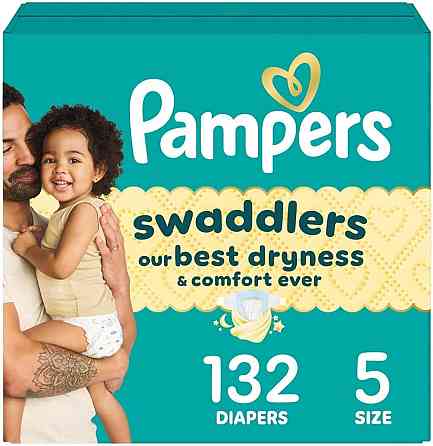
For recurring products, compare unit prices rather than package prices. A large box of diapers may look expensive but cost less per diaper; however, buying in bulk only saves money if the child will use the full size before outgrowing it and if the product does not irritate the skin. The same principle applies to wipes, laundry detergent, lunch supplies, and basic toiletries.
A simple budgeting routine can include:
- Tracking one month of actual child-product spending.
- Listing predictable upcoming costs, such as seasonal clothing or school supplies.
- Setting a maximum price per unit for common items.
- Saving a small monthly amount for larger purchases such as a car seat, mattress, or winter coat.
- Reviewing subscriptions to avoid automatic shipments you no longer need.
Budgeting also reduces decision fatigue. When you already know your target price and timing, you are less vulnerable to urgency-based advertising.
Use secondhand carefully and know what should be new
Secondhand shopping, hand-me-downs, parent groups, clothing swaps, and consignment stores can dramatically reduce costs. Clothing, books, many toys, baby carriers in good condition, furniture without safety hazards, and some feeding accessories can often be reused. Before accepting or buying anything, inspect for broken parts, loose components, mold, smoke odor, missing straps, peeling paint, frayed cords, or small detachable pieces that could become choking hazards.
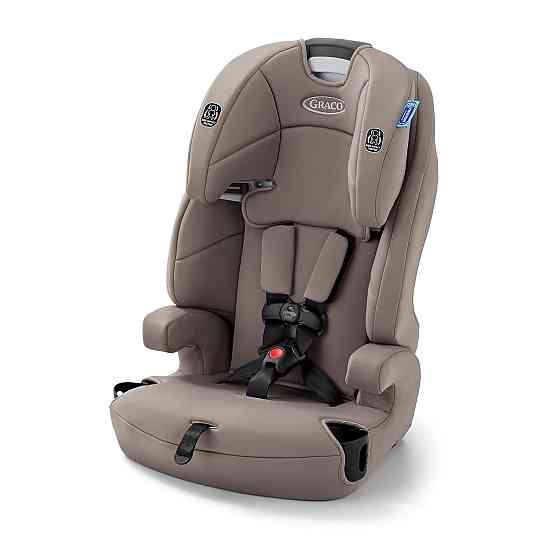
Secondhand child product safety is not just about appearance. Some products become unsafe because standards change, recalls occur, or invisible damage compromises function. Car seats should generally be avoided secondhand unless you can verify the full history: no crash involvement, no expired date, no missing parts, correct labeling, and manufacturer instructions available. Helmets should also be replaced after impact and are difficult to assess used. Crib mattresses and sleep surfaces require caution because firmness, fit, and contamination can affect safety.
Make child product recall checks a routine step before buying or accepting used products. This is particularly important for cribs, bassinets, strollers, high chairs, play yards, toys with magnets or button batteries, and furniture that may tip over. If a product has been recalled and cannot be repaired exactly as instructed by the manufacturer, do not use it.
For sleep, transportation, and medical equipment, low cost should never be the only criterion. Safe sleep products for infants must meet current safety standards, fit the child’s stage, and be used as directed.
Save on diapers, hygiene, and daily care without compromising skin health
Diapers, wipes, creams, and bathing supplies are among the most persistent costs in early childhood. Savings often come from testing a small quantity first, then buying larger packs only after you know the child tolerates the product. Some children develop irritant contact dermatitis from prolonged moisture, friction, fragrances, preservatives, or certain wipes. A cheaper product is not a bargain if it leads to skin breakdown, discomfort, or extra medical visits.
Cloth diapers can reduce long-term spending for some families, especially if used for more than one child, but they require laundering capacity, time, water, and appropriate detergent. They may not be realistic for all households or childcare settings. Disposable diapers may be more practical when access to laundry is limited, during travel, or when caregivers need a simpler routine.
To reduce hygiene costs:
- Compare diaper cost per unit and buy the smallest bulk amount that fits your child’s current growth pattern.
- Use fragrance-free, simple products when possible, especially for children with eczema-prone or sensitive skin.
- Avoid duplicating diaper creams; one appropriate barrier ointment may be enough unless a clinician advises otherwise.
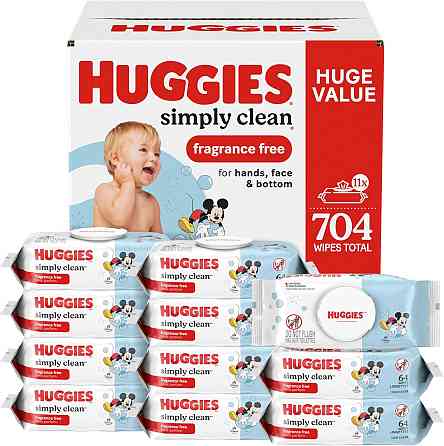
- Use washcloths at home when practical and reserve disposable wipes for outings.
- Do not overuse antibacterial products; routine hygiene usually does not require harsh disinfectants on a child’s skin.
If a rash is persistent, painful, bleeding, associated with fever, or not improving, consult a pediatric clinician rather than repeatedly switching products.
Buy clothing strategically as children grow
Clothing is one of the easiest categories to overspend on because children grow quickly, seasons change, and outfits can be emotionally appealing. The goal is a functional rotation: enough clothing for weather, school, sleep, play, and laundry frequency, but not so much that items are outgrown unworn. Clothing for children should be comfortable, washable, safe for movement, and compatible with the child’s sensory preferences and skin barrier function.
Prioritize adjustable garments when possible: waistbands with elastic or internal buttons, rollable cuffs, layered pieces, and shoes purchased at the correct fit rather than far too large. Buying shoes excessively oversized can alter gait mechanics, increase tripping risk, and cause discomfort. For children with orthotics, toe-walking, neuromotor conditions, or foot pain, ask the appropriate clinician about footwear before choosing based on price alone.
Good savings strategies include seasonal clearance shopping for the next likely size, clothing swaps with families, consignment stores, and choosing neutral basics that can be mixed easily. For school uniforms, buy a minimal starter set first, then add items after you learn what the child actually wears and how often laundry is needed.
Be cautious with drawstrings near the neck, loose cords, poorly attached buttons, and clothing that restricts crawling, running, toileting, or thermoregulation. Warmth matters, but overheating can also be uncomfortable and risky, particularly for infants.
Choose fewer toys and learning products with more play value
Children do not need a large number of toys to learn. In many homes, fewer open-ended items support better attention, creativity, language, motor planning, and social play. Blocks, balls, pretend-play objects, books, puzzles, art materials, and outdoor play equipment often provide more lasting value than single-purpose electronic toys.
Before buying, ask whether the item can be used in more than one way, whether it matches the child’s developmental stage, and whether it can grow with the child. Developmentally appropriate child products are usually safer and more engaging because they align with oral exploration, fine-motor ability, balance, attention span, and problem-solving capacity.
Borrowing toys from a toy library, rotating toys with another family, or using the public library for books can reduce spending while keeping novelty. For birthdays and holidays, consider asking relatives for practical contributions: shoes, swim lessons, museum passes, childcare help, or a contribution toward a larger necessary item.
Safety checks are essential. Avoid toys with high-powered magnets, unsecured button batteries, small parts for children under three or children who mouth objects, and damaged items with sharp edges. Non-toxic art supplies for children are especially important because young children may get materials on their skin or near their mouth. Supervision and age-appropriate use matter as much as the label.
Use sales, coupons, subscriptions, and bulk buying with discipline
Sales and coupons help only when they apply to products you already need. A discount on a nonessential item is still spending. Keep a running list of core products with acceptable brands, sizes, and target prices. When a sale appears, you can decide quickly without buying impulsively.
Subscriptions can be useful for diapers, wipes, formula-compatible supplies, or household basics, but they should be reviewed monthly. Children change sizes, toilet-train, develop preferences, and shift routines. Automatic deliveries can quietly create oversupply. If you subscribe, set reminders to check size and quantity before shipment.
Bulk buying works best for stable products such as wipes, laundry detergent, basic socks, school paper, or favorite nonperishable snacks, assuming storage is safe and pests or humidity are not concerns. It is riskier for diapers, formula, skin products, and specialized items because tolerance, sizing, and medical recommendations can change. Never dilute formula, alter preparation instructions, or use expired medical nutrition products to save money; these choices can have serious health consequences.
Price matching, cashback programs, store loyalty discounts, and seasonal sales can lower costs, but protect your time. If saving a small amount requires hours of effort, it may not be worth the cognitive load for a sleep-deprived household.
Reduce medical and safety-related costs the safe way
Some child products overlap with healthcare: thermometers, medication dosing tools, humidifiers, nasal saline, sunscreen, allergy supplies, feeding equipment, orthotics, glasses, hearing-related devices, and adaptive products. Saving money in these categories requires caution because the wrong product can be ineffective or unsafe.
Use well-child visits and immunizations to ask anticipatory questions before buying. A pediatric clinician, pharmacist, dentist, lactation consultant, occupational therapist, physical therapist, speech-language pathologist, or dietitian may help you avoid unnecessary purchases. For example, a feeding difficulty may need clinical assessment rather than a series of expensive bottles; sleep concerns may need behavioral and environmental review rather than gadgets; and recurrent skin irritation may need a diagnosis and treatment plan rather than repeated product switching.
Understanding How insurance works for children can also reduce costs. Depending on the plan and location, insurance may help cover preventive visits, vaccines, medically necessary equipment, prescriptions, therapies, vision care, or durable medical equipment. Ask about in-network suppliers, prior authorization, generic medication options when clinically appropriate, and flexible spending or health savings account eligibility.
Community resources can be powerful: public libraries, early intervention programs, school services, community health clinics, diaper banks, food programs, and local parent exchanges. Using support is not a failure; it is a practical way to protect both family finances and child wellbeing.
When not to cut corners
- Do not use expired, crashed, recalled, or incomplete car seats to save money.
- Do not dilute infant formula or alter medical nutrition instructions.
- Avoid secondhand helmets, unsafe sleep products, and products with missing safety labels.
- Seek professional advice before substituting medical devices, allergy products, orthotics, or feeding equipment.
- Check recalls for used cribs, strollers, high chairs, toys, and furniture before use.
Tools & Assistance
- Create a monthly child-product budget with unit-price targets.
- Use local libraries, toy libraries, clothing swaps, and parent exchange groups.
- Set calendar reminders to review subscriptions and diaper sizes.
- Ask pediatric clinicians or pharmacists before changing medical or feeding products.
- Keep a recall-check routine for secondhand and stored products.
FAQ
Is it safe to buy child products secondhand?
Often, yes, for clothing, books, and many toys in good condition. Use extra caution with car seats, helmets, sleep products, recalled items, and any product with missing parts or unknown history.
Are cloth diapers always cheaper?
Not always. They can save money over time, especially if reused for more than one child, but laundering costs, time, childcare rules, and skin tolerance matter.
What baby or child items should I avoid buying too early?
Avoid overbuying diapers, seasonal clothing, bottles, pacifiers, shoes, and specialized equipment before you know the child’s size, tolerance, developmental stage, and medical needs.
How can relatives help without buying unnecessary gifts?
Ask for practical support such as clothing in the next size, books, childcare help, activity fees, museum passes, or contributions toward a safety-certified essential item.
When should I ask a healthcare professional before trying a cheaper alternative?
Ask before changing formula, medical nutrition, medication tools, allergy supplies, adaptive equipment, orthotics, feeding products for a child with feeding difficulty, or products used for a diagnosed condition.
Sources
- GOBankingRates — How to Save Money on Baby Stuff
- Truist — Smart Money Saving Tips for Families on a Budget
- MamasPedia — How to save money on baby products
Disclaimer
This article is for informational purposes only and does not replace medical advice. Consult a qualified healthcare professional for concerns about your child’s health, nutrition, medications, development, or safety equipment.











Please log in to leave a comment.