
Intro
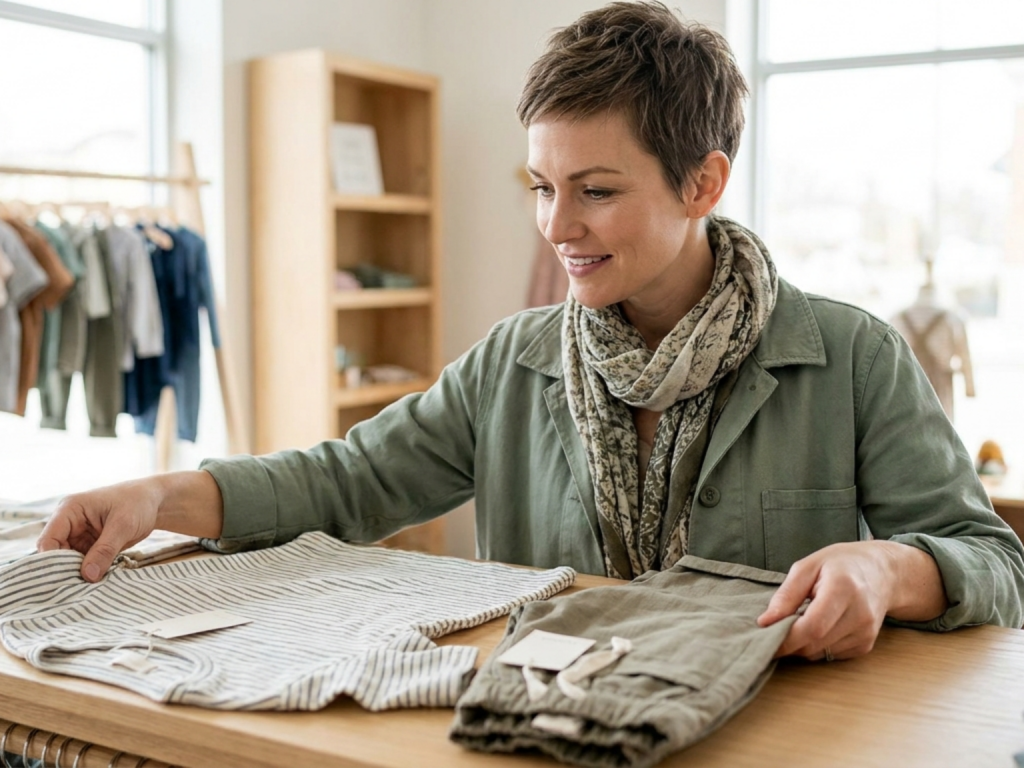
Choosing clothing for children can feel surprisingly complex. Families are balancing comfort, cost, growth, school expectations, weather, laundry realities, skin sensitivity, safety, and environmental concerns, often while a child is developing strong preferences about how fabrics, seams, labels, and waistbands feel.
This guide explains children’s clothing through a practical health and safety lens. It does not tell you what your child “should” wear; instead, it offers evidence-informed considerations to help caregivers make calmer, more confident choices and know when to seek professional advice.
Highlights
Children’s clothing should support movement, temperature regulation, sleep, play, toileting independence, and safe transport.
Material choice matters for comfort and skin tolerance, especially for children with eczema, contact dermatitis, sensory sensitivity, or overheating tendencies.
Certifications such as GOTS and Oeko-Tex can help caregivers assess textile safety and environmental claims more critically.
Adjustable, durable garments can reduce waste and make clothing more practical during rapid growth.
Medical review is important when clothing-related irritation is severe, recurrent, infected-looking, or associated with systemic symptoms.
What children’s clothing needs to do
Children’s clothing is not just decoration. It is a functional layer between a growing body and the outside world. Good clothing allows a child to run, climb, sit cross-legged, sleep, use the toilet, regulate body temperature, and participate in family or school life without unnecessary discomfort. For infants and toddlers, clothing also affects diaper changes, safe sleep routines, and caregiver ease. For older children, clothing increasingly intersects with autonomy, peer belonging, body image, and sensory preferences.
A medically thoughtful approach starts with function. Clothing should fit without constricting the abdomen, groin, chest, neck, wrists, or ankles. It should not leave deep pressure marks, restrict breathing, limit joint movement, or make toileting unnecessarily difficult. Children with constipation, reflux, abdominal pain, feeding tubes, ostomies, braces, casts, or mobility aids may need extra attention to waistband pressure, openings, and garment flexibility.
Children also grow unevenly. A garment that fits in length may be tight across the shoulders, while a correct waist size may be too short in the leg. Adjustable waistbands, longer cuffs, reinforced knees, and layered outfits can help. Clothing that “grows” with a child, using adjustable features or durable materials, may be especially useful for families trying to reduce repeated purchases.
Fit, movement, and developmental independence
Fit should support the child’s current developmental stage. Babies need garments that allow hip flexion and abduction, because tight lower-body clothing can interfere with natural movement. Toddlers benefit from soft waistbands and simple closures as they begin toilet learning. Preschool and school-age children often need clothes they can manage independently, especially in bathrooms, physical education, and changing after water play or sports.
Practical fit checks include watching the child squat, reach overhead, sit, climb stairs, and walk briskly. If the garment rides up, twists, pinches, or causes repeated pulling and adjusting, it may be functionally uncomfortable even if the size label seems correct. Size labels vary widely between brands, so measurements and real-life movement are more reliable than age categories.
Safety is part of fit. Long drawstrings, loose cords, oversized scarves, and dangling accessories can pose strangulation or entanglement hazards, particularly around playground equipment. Very loose hems may increase tripping risk. Shoes should be secure, flexible enough for normal gait, and appropriate for the activity. A child who suddenly refuses shoes, limps, or develops blisters may need a shoe fit reassessment and, if symptoms persist, professional evaluation.
For car travel, bulky coats can prevent harnesses or seat belts from fitting close to the body. Caregivers commonly manage this by using thinner layers, warming the car, or placing a coat or blanket over the secured harness. This is one point where clothing choice overlaps with car safety for children.
Fabrics, skin sensitivity, and textile exposures
Children’s skin has a high surface-area-to-body-mass ratio compared with adults, and many children are prone to irritation from friction, sweat, detergents, dyes, or textile finishes. Clothing does not usually “cause” chronic skin disease by itself, but it can aggravate conditions such as atopic dermatitis in children, irritant contact dermatitis, allergic contact dermatitis, heat rash, or urticaria triggered by heat and pressure.
Soft, breathable fabrics are often more comfortable for sensitive skin. Organic cotton is frequently marketed as softer and more durable than conventional cotton, and many families find it gentler for children who react to rough textures. Wool has useful thermal properties and natural fire resistance, but some children find it itchy; merino or lined wool may be better tolerated than coarse wool. Industrial hemp can be durable and lower in pesticide demand. Recycled polyester can reduce use of virgin materials, but synthetic fibers may trap heat and odor for some children and can feel uncomfortable when the child sweats.
Important textile factors include:
- Texture: rough fibers, raised seams, tags, embroidery, and tight elastic can cause frictional irritation.
- Moisture handling: damp clothing increases friction and may worsen chafing or fungal-prone areas.
- Chemical finishes: wrinkle-resistant, stain-resistant, water-repellent, antimicrobial, or flame-retardant finishes may not be tolerated by every child.
- Dyes and prints: some children react to specific dyes, rubber accelerators, adhesives, or metallic components.
If a rash repeatedly appears where a garment contacts the skin, improves when the garment is avoided, or becomes painful, weepy, swollen, or crusted, a clinician should assess it. Patch testing or dermatology referral may be appropriate in selected cases, but caregivers should avoid trying to diagnose allergic contact dermatitis without professional support.
Sensory comfort and emotional regulation
For some children, clothing discomfort is not a minor annoyance; it can dominate the morning, disrupt school attendance, and contribute to distress. Sensory sensitivity may involve seams, labels, socks, waistbands, collars, fabric weight, temperature, or the feeling of clothing shifting during movement. This can occur in children with typical development and may also be more prominent in children with autism, ADHD, anxiety, developmental coordination differences, or a history of painful skin conditions.
Sensory-friendly clothing usually prioritizes soft fabrics, flat seams, tag-free labels, predictable stretch, nonrestrictive waistbands, and minimal decorative elements. Some children prefer compression-like garments, while others strongly dislike pressure. The goal is not to force tolerance quickly, but to reduce avoidable distress while gradually building flexibility when appropriate.
A supportive approach includes offering limited choices, testing new clothing at home before school days, washing garments before first wear, and keeping a few trusted “safe” outfits available. Morning battles can sometimes be reduced by choosing clothes the night before, using visual routines, and allowing the child to identify what exactly feels wrong. Statements such as “you’re being difficult” can intensify shame; phrases like “your body is telling you this feels bad, let’s problem-solve” are more regulating.
If clothing distress is severe, persistent, or part of broader functional impairment, families may benefit from discussing it with a pediatrician, occupational therapist, psychologist, or developmental specialist. Support is especially important when clothing refusal interferes with hygiene, sleep, school participation, or necessary medical care.
Temperature, sleep, and weather protection
Children depend on caregivers to match clothing to weather, activity, and developmental capacity. Overdressing can contribute to sweating, irritability, heat rash, and poor sleep. Underdressing can lead to cold stress, discomfort, or reduced willingness to play outdoors. A practical strategy is layering: a breathable base layer, an insulating layer when needed, and a weather-resistant outer layer for wind or rain.
For infants, safe sleep considerations are particularly important. Clothing should keep the baby comfortably warm without loose blankets, overheating, or head covering. Caregivers should follow local safe sleep guidance and ask a healthcare professional if a baby has prematurity, poor weight gain, fever, respiratory illness, or other medical vulnerabilities that complicate temperature decisions.
For outdoor play, clothing should match both weather and activity intensity. Children running in cold weather may need less insulation than expected but still require protection for hands, ears, and feet. Wet clothing should be changed promptly when possible, especially in cold conditions. In hot weather, lightweight breathable fabrics, shade, hydration, and breaks are more important than simply choosing short sleeves.
Sun protection can include tightly woven clothing, broad-brimmed hats, and swim shirts. Sunscreen decisions depend on age, skin condition, and local medical guidance. Clothing is often a useful physical barrier for children who dislike sunscreen texture or have sensitive skin, but sun-protective garments should still be comfortable enough that the child will actually wear them.
Sustainable, organic, and safer textile choices
Many caregivers want clothing that is safer for children and less harmful to workers and the environment. The challenge is that terms like “natural,” “green,” “non-toxic,” and “eco” can be vague. More specific certifications are often more useful than broad marketing language. The Global Organic Textile Standard, commonly called GOTS, addresses organic fiber content along with environmental and social criteria in processing. Oeko-Tex Standard 100 focuses on testing for harmful substances and setting limits for certain toxins in textile products.
Eco-friendlier materials may include organic cotton, industrial hemp, responsibly sourced wool, and recycled polyester. Each has tradeoffs. Organic cotton may reduce pesticide exposure in cultivation and can feel soft against skin. Hemp is durable and generally requires fewer pesticides. Wool can provide warmth and natural fire resistance, but texture tolerance varies. Recycled polyester can reduce waste but remains a synthetic fiber and may not be ideal for every child’s skin or heat tolerance.
Sustainable clothing is also about design and use. Adjustable cuffs, extendable waistbands, durable stitching, reinforced knees, and classic shapes can help garments last through growth spurts and hand-me-down cycles. Buying fewer, better-fitting items may be more practical than buying many inexpensive pieces that fail quickly or are rejected because they feel uncomfortable.
Caregivers can also look at company transparency: material sourcing, labor practices, chemical policies, repair options, and take-back or resale programs. No family needs to do this perfectly. Budget, access, laundry capacity, school rules, and a child’s sensory needs all matter. A realistic goal is to make the best choices available within the family’s circumstances.
School, sports, uniforms, and special situations
School clothing often needs to satisfy dress codes while still supporting comfort and participation. If a uniform causes skin irritation, sensory distress, overheating, or toileting barriers, caregivers can document the problem and speak with the school about reasonable alternatives. Children with eczema, diabetes devices, feeding tubes, continence needs, orthopedic supports, or mobility equipment may require adaptations that are not obvious to teachers.
For sports and physical education, clothing should reduce friction and allow full range of motion. Moisture-wicking fabrics may help some children during intense activity, but synthetic garments should be changed after sweating if they provoke odor, itching, or folliculitis-like irritation. Protective equipment should fit properly over clothing; too-thick layers can alter helmet, pad, or brace fit.
Footwear deserves attention. Shoes that are too small, too stiff, or poorly secured can contribute to blisters, nail trauma, falls, and altered gait. Children may not always report pain clearly, so caregivers can check for redness, pressure marks, curled toes, uneven wear, and reluctance to walk. Persistent pain, limping, recurrent ankle injuries, or asymmetry should be assessed medically.
Clothing can also support dignity. For children with toileting accidents, menstruation, drainage, medical devices, or scars, discreet, comfortable options may reduce embarrassment. Involving the child in decisions when developmentally appropriate helps preserve autonomy and trust.
Laundry, hygiene, and when to seek help
Laundry practices can influence skin comfort. Fragrance, dyes, fabric softeners, dryer sheets, and residual detergent may irritate some children’s skin. A fragrance-free detergent and adequate rinsing are reasonable first steps when irritation is suspected. New clothes should usually be washed before wearing to remove some manufacturing residues, excess dyes, and handling contaminants.
Hygiene-related clothing habits matter as children become more independent. Underwear and socks generally need frequent changing, and damp swimwear or sweaty sports clothes should not stay on for long periods. Breathable underwear may help children prone to irritation in the groin area, though persistent redness, discharge, pain, odor, or urinary symptoms should prompt medical advice rather than repeated product changes.
Seek professional guidance when clothing-related concerns are recurrent, painful, or functionally disruptive. Examples include rashes that blister, ooze, crust, spread rapidly, or occur with fever; itching that disrupts sleep; suspected infection; unexplained bruising or pressure injury from garments or devices; severe clothing refusal; or signs of overheating or cold injury. A pediatrician, dermatologist, occupational therapist, podiatrist, orthotist, or school nurse may each have a role depending on the situation.
The most helpful clothing plan is individualized. It respects the child’s body, medical history, sensory profile, culture, climate, and family resources. When clothing becomes a daily source of conflict, the problem is not a failure of parenting. It is a signal to simplify, observe patterns, and ask for support when needed.
When clothing concerns need prompt attention
- Seek urgent care if a rash is rapidly spreading, purple or non-blanching, associated with fever, breathing difficulty, facial swelling, or a very unwell child.
- Ask a clinician about rashes that ooze, crust, blister, bleed, or repeatedly recur in the same clothing-contact areas.
- Do not use tight clothing, wraps, or compression garments for medical purposes unless advised by a qualified professional.
- Avoid bulky coats under car seat harnesses or seat belts because they can interfere with safe restraint fit.
- If clothing refusal severely limits school, hygiene, sleep, or medical care, discuss developmental, sensory, anxiety, or dermatologic contributors with a professional.
Tools & Assistance
- Keep a small clothing diary noting fabric, detergent, weather, activity, and skin or behavior reactions.
- Use a movement fit check: squat, reach, sit, run, and use the toilet before relying on a garment for school or travel.
- Wash new clothes before first wear, especially for children with sensitive skin.
- Consult a pediatrician, dermatologist, occupational therapist, or school nurse when clothing problems are persistent or impair daily life.
- Look for specific textile certifications such as GOTS or Oeko-Tex rather than relying only on broad eco-friendly claims.
FAQ
Is organic cotton always necessary for children?
No. Organic cotton can be soft and useful for sensitive skin, but it is not medically required for every child. Fit, comfort, washing practices, affordability, and the child’s tolerance all matter.
Why does my child complain about seams and tags so intensely?
Some children process touch sensations more strongly than others. Seamless or tag-free options may help, and persistent distress can be discussed with a pediatrician or occupational therapist.
Can clothing cause eczema?
Clothing usually does not cause eczema by itself, but heat, sweat, rough fabric, friction, and irritants can worsen flares in susceptible children. A clinician can help distinguish eczema from infection or contact allergy.
What certifications are useful when buying safer clothing?
GOTS is useful for organic textile and social-environmental standards, while Oeko-Tex Standard 100 addresses testing for harmful substances in textile products.
How many clothes does a child need?
There is no universal number. A practical wardrobe depends on laundry frequency, climate, school requirements, toileting stage, sports, and how many comfortable items the child will reliably wear.
Sources
- Green America — Eco-Friendly Children's Clothing
- The Good Trade — My Daughter And I Review The Best Organic Kids' Clothes
- Mac Rae Skye — How Sustainable Clothing Is Designed To Grow With Your Child
Disclaimer
This article is for general educational purposes and is not a diagnosis or treatment plan. Consult a qualified healthcare professional for persistent rashes, pain, severe sensory distress, or any urgent symptoms.













Please log in to leave a comment.