
Intro
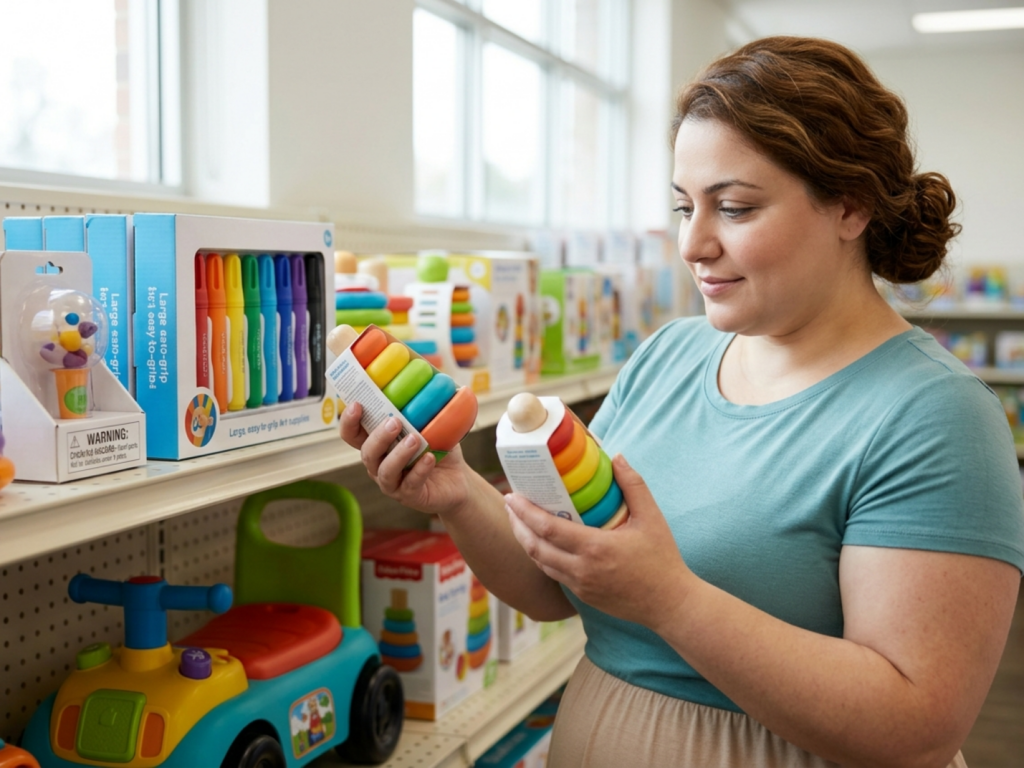
Choosing products for a child can feel like a medical, developmental, financial, and emotional decision all at once. A toy, carrier, feeding item, helmet, art supply, or secondhand crib is not just a purchase; it may influence injury risk, sleep quality, sensory comfort, motor practice, and family routines.
This overview is written for medically literate caregivers who want a structured way to think about child product safety without being overwhelmed by marketing claims. It cannot replace individualized guidance from a pediatrician, occupational therapist, injury-prevention specialist, or other qualified professional, especially for children with medical complexity, developmental differences, swallowing concerns, mobility needs, or sensory processing challenges.
Highlights
The safest child product is age-appropriate, well constructed, free of known hazards, and used exactly as intended.
Labels, recalls, condition checks, and supervision matter as much as brand reputation or price.
Children’s products should support development without adding unnecessary choking, strangulation, toxic exposure, fall, burn, or entrapment risks.
Secondhand items can be useful, but they require extra scrutiny for recalls, missing parts, outdated standards, and hidden damage.
Start with the child, not the product
Effective product selection begins with the individual child’s developmental profile rather than the manufacturer’s promise. Age labels are important because they reflect safety testing, choking-risk assumptions, and expected motor or cognitive skills, but they are only the starting point. A 4-year-old who still mouths objects, a 7-year-old with impulsive climbing behavior, or a toddler with delayed gross motor control may need products designed for a younger safety profile.
Think in terms of foreseeable use, not ideal use. Children pull, chew, throw, climb, submerge, disassemble, and combine products in ways adults do not anticipate. A product that is safe during calm, supervised play may become hazardous near stairs, water, pets, siblings, or bedtime. Developmentally appropriate child products should fit the child’s current skills while leaving room for safe exploration, not pressure the child into a task that exceeds their balance, judgment, airway protection, or fine-motor control.
Medical context also matters. Children with seizures, low muscle tone, visual impairment, oral aversion, pica, autism, ADHD, dysphagia, tracheostomy, gastrostomy tubes, or mobility devices may interact with products differently. In these situations, consult the child’s pediatrician or relevant therapist before using adaptive seating, weighted items, oral-motor tools, sleep-positioning products, or restraints marketed for behavior or comfort.
Use age labels, standards, and warnings as clinical clues
Age labels are not merely educational recommendations; they often indicate hazard thresholds. For example, toys intended for children under 3 years should not contain small parts that can lodge in the airway. Labels may also identify requirements for adult assembly, protective equipment, batteries, magnets, water use, or supervision. Read the entire label before purchase and again before first use, especially for products with multiple modes or detachable components.
Look for plain, specific safety information rather than vague claims such as “natural,” “premium,” or “parent-approved.” Useful labels may include nontoxic finishes, washable materials, flame-resistant or flame-retardant properties when relevant, and age grading. For art supplies, choose products labeled for children and avoid adult craft materials that may contain solvents, pigments, or small applicators unsuitable for mouthing or immature hand control.
Warnings should be taken literally. If a product says it is not for sleep, water, children under a certain age, or unsupervised use, do not reinterpret that warning based on convenience. A supportive rule for families is this: if the product requires constant perfect behavior from a child to remain safe, it is probably not the right product for that setting.
Screen for common physical hazards
The most important mechanical risks include choking, aspiration, strangulation, suffocation, entrapment, falls, cuts, burns, and eye injuries. Before buying, inspect for small detachable pieces, long cords, loops, sharp edges, brittle plastic, weak seams, exposed staples, splinters, and gaps that could trap fingers, limbs, or the head. For younger children, anything that fits entirely into a small-parts test cylinder, or appears similar in size to a grape, marble, button, or coin, deserves caution.
High-powered magnets and button or coin batteries require special vigilance. Ingestion can cause severe gastrointestinal injury, tissue necrosis, perforation, or obstruction. Products with battery compartments should close securely with screws or another child-resistant mechanism. Magnets should not be loose, tiny, or easily separated from the product. If ingestion is suspected, seek urgent medical advice or emergency care; do not wait for symptoms to evolve.
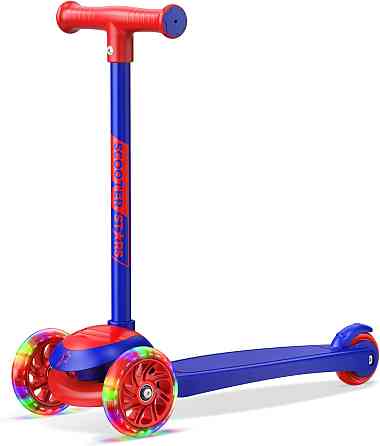
For ride-on toys, scooters, bicycles, skates, trampolines, and sports equipment, match the product to the child’s size and skill level and use properly fitted protective equipment. Projectile toys, darts, and toy weapons can cause ocular trauma even when labeled for play. Avoid products that shoot hard objects, have high velocity, or encourage aiming at faces.
Evaluate materials, chemicals, and hygiene
Children have higher exposure risk than adults because they mouth objects, breathe closer to floor dust, and have developing organ systems. Choose sturdy materials with smooth surfaces, secure paint or finish, and no strong chemical odor. Avoid toys with peeling paint, flaking coatings, sticky degraded plastic, or unknown origin, especially if the product is old enough to predate current safety standards.
For infants, toddlers, and children who mouth items, prioritize washable surfaces and designs that can dry completely. Bath toys with internal cavities can trap water and support mold growth. Plush toys should be machine washable when possible, especially for children with asthma, allergic rhinitis, eczema, or immunocompromise. Foam products that crumble, shed, or tear easily are poor choices for children likely to bite or pick at surfaces.
Claims such as “eco,” “organic,” or “chemical-free” should not replace safety verification. No physical product is literally chemical-free. A more useful approach is to look for age-appropriate child-safe labeling, reputable manufacturers, clear cleaning instructions, and materials that tolerate realistic household disinfection when needed. If a child has contact dermatitis, latex allergy, fragrance sensitivity, or complex immune concerns, discuss product materials with a clinician.
Consider developmental value without overmedicalizing play
Children benefit from products that invite active participation: grasping, stacking, pretending, drawing, sorting, balancing, building, reading, problem solving, and social interaction. The most developmentally useful items are often simple and open-ended. Blocks, books, balls, pretend-play objects, art supplies, puzzles, and outdoor play equipment can support sensorimotor integration, executive function, language, and social reciprocity without requiring a screen or complex electronics.
At the same time, avoid turning every purchase into a developmental intervention. A toy does not need to claim cognitive acceleration to be valuable. For many children, the best product is one that supports shared attention, safe movement, emotional regulation, and repeated practice at the child’s own pace. Choosing products for toddlers often means prioritizing durability, large pieces, stable bases, and safe opportunities for cause-and-effect play. Choosing products preschoolers can use independently may involve easier fasteners, washable art materials, and pretend-play items that encourage language. Choosing products school age kids will keep using often requires more attention to competence, identity, sports safety, and peer context.
Be cautious with products marketed as therapeutic, calming, posture-correcting, or sensory-regulating. Weighted blankets, compression garments, oral chew tools, swings, and adaptive seating may help some children but may be unsafe or inappropriate for others. Professional input is especially important when a product affects breathing, sleep, swallowing, circulation, mobility, or restraint.
Approach secondhand and inherited products carefully
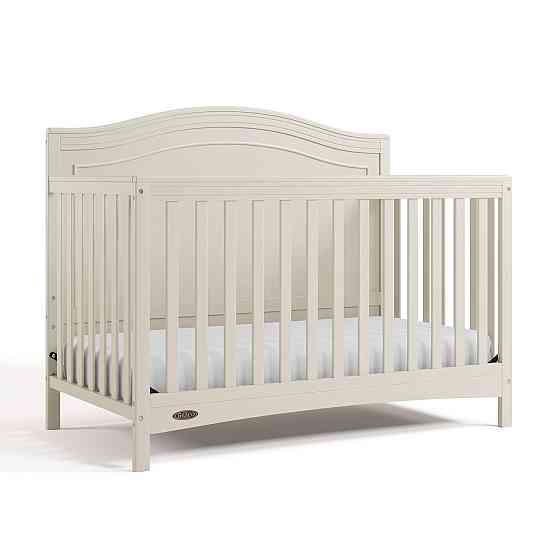
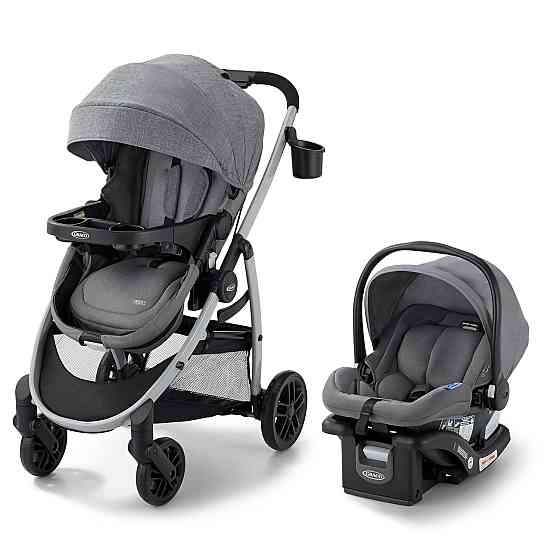
Secondhand items can reduce cost and waste, but secondhand child product safety requires a stricter inspection process. A used product may have missing hardware, degraded plastic, outdated safety features, unrecognized recalls, or invisible stress damage from crashes, heat, moisture, or improper storage. This is particularly important for car seats, cribs, strollers, high chairs, gates, helmets, and sleep-related products.
Before accepting or buying a used product, identify the exact manufacturer, model number, and date of manufacture. Check whether all parts are present, the instructions are available, and the product meets current safety requirements in your jurisdiction. Avoid items with cracks, rust, loose screws, frayed straps, damaged buckles, unstable frames, peeling paint, or unclear history. If you cannot verify the product’s identity or safe assembly, do not use it.
Child product recall checks should be routine, not reserved for high-cost purchases. Register new products when registration is available, keep manuals, and periodically search official recall databases. If a recall is issued, follow the official remedy rather than improvising a repair, because untested modifications can introduce new hazards.
Balance family practicality with supervision
A product that is theoretically safe but impossible for a family to use correctly is not truly safe in daily life. Consider cleaning demands, storage, assembly complexity, sibling access, travel needs, and whether caregivers can consistently supervise the product’s use. A toy with many small detachable pieces may be reasonable for an older child in a closed room but unsafe in a household with a crawling infant.
Create a “use zone” for higher-risk products. Art materials can stay at a table; small construction pieces can be used away from younger siblings; ride-on toys can be limited to helmeted outdoor play; bath toys can be drained and dried after each use. Storage is part of safety. Containers should not create suffocation or entrapment hazards, and heavy bins or shelves should be stable and, when appropriate, secured to prevent tip-over injuries.
Supervision should be active for products involving water, height, wheels, heat, electricity, small parts, or food-like items. However, supervision is not a substitute for safe design. If a foreseeable lapse in attention could quickly lead to serious harm, choose a different product or restrict access until the child is older.
Build a simple decision framework
Families often feel pressured by reviews, influencer recommendations, and fear-based advertising. A calm framework can reduce decision fatigue. Before purchasing, ask: Is this appropriate for the child’s age, size, and developmental abilities? What is the worst foreseeable misuse? Are there small parts, magnets, batteries, cords, unstable structures, sharp edges, or toxic materials? Can it be cleaned? Can it be stored safely? Is there a current recall? Do we understand the instructions?
For children with medical or developmental needs, add: Could this interfere with breathing, positioning, feeding, sleep, skin integrity, mobility, communication, or regulation? Has the relevant clinician recommended this type of product, or is the claim mainly marketing? Does the child tolerate the material and sensory input?
No caregiver can eliminate all risk, and product choice is only one layer of prevention. The goal is not perfection; it is a thoughtful pattern of safer choices, regular inspection, and timely professional consultation when uncertainty is clinically meaningful. When in doubt, pause the purchase or use until you can verify safety from a reliable pediatric, public health, or product-safety source.
Safety red flags
- Do not use products with loose high-powered magnets or unsecured button or coin batteries.
- Avoid any toy or product with small detachable parts for children who mouth objects or are under 3 years old.
- Do not use recalled products unless the official remedy has been completed.
- Avoid sleep products, positioners, or restraints that are not specifically approved for the child’s age and intended use.
- Seek urgent medical advice if ingestion of a magnet, battery, sharp object, or toxic substance is possible.
Tools & Assistance
- Keep a household product list with model numbers, purchase dates, and manuals.
- Register eligible child products so recall notices can reach you.
- Set a monthly inspection routine for toys, straps, buckles, batteries, magnets, and worn parts.
- Ask a pediatrician, occupational therapist, physiotherapist, or speech-language pathologist before using therapeutic or adaptive products.
- Use official government or pediatric safety resources when checking recalls and product standards.
FAQ
Are expensive child products usually safer?
Not necessarily. Safety depends on age appropriateness, construction, labeling, recall status, correct assembly, and proper use, not price alone.
Can my child use toys labeled for an older age if supervised?
Sometimes, but supervision does not remove hazards such as choking, magnets, batteries, or projectile injury. Follow age labels when safety hazards are involved.
Are secondhand products acceptable?
They can be, if you can verify the model, recall status, complete parts, instructions, current safety standards, and good condition. Avoid items with unknown history or damage.
When should I ask a healthcare professional before choosing a product?
Ask when a product affects sleep, feeding, breathing, posture, mobility, sensory regulation, restraint, or a child’s specific medical or developmental needs.
Sources
- HealthyChildren.org, American Academy of Pediatrics — How to Buy Safe Toys
- Health Canada — Is Your Child Safe?
- Nemours KidsHealth — Choosing Safe Toys for Toddlers and Preschoolers
Disclaimer
This article is for general educational purposes and does not diagnose, prescribe, or replace care from a qualified healthcare professional. Consult a clinician or product-safety authority for individualized medical or safety concerns.














Please log in to leave a comment.