
Intro
A well-prepared diaper bag gives you flexibility when plans shift, a feed runs long, or a routine errand becomes an unexpected afternoon away. The goal is not to carry every possible item. It is to organize a dependable baseline, then adjust supplies for your baby's age, feeding needs, health considerations, destination, and time away from home.
For medically literate caregivers, diaper-bag planning can also support observation: knowing your baby's usual intake, wet diapers, medications, and comfort measures makes it easier to notice meaningful changes. Pack for practical care while keeping individualized advice from your pediatric clinician at the center of decisions about illness, feeding, and medicines.
Highlights
Start with a consistent core kit, then add supplies according to travel time, feeding intervals, weather, and access to shops or clean changing areas.
A practical diaper estimate is one diaper for every two to three hours away, plus extras for delays, loose stools, or a spill during a change.
Separate clean items, feeding supplies, and soiled items so urgent tasks can be handled quickly without contaminating the rest of the bag.
For longer outings, a concise medical information card and only clinician-directed medicines can reduce stress when care is needed away from home.
Build a dependable base kit
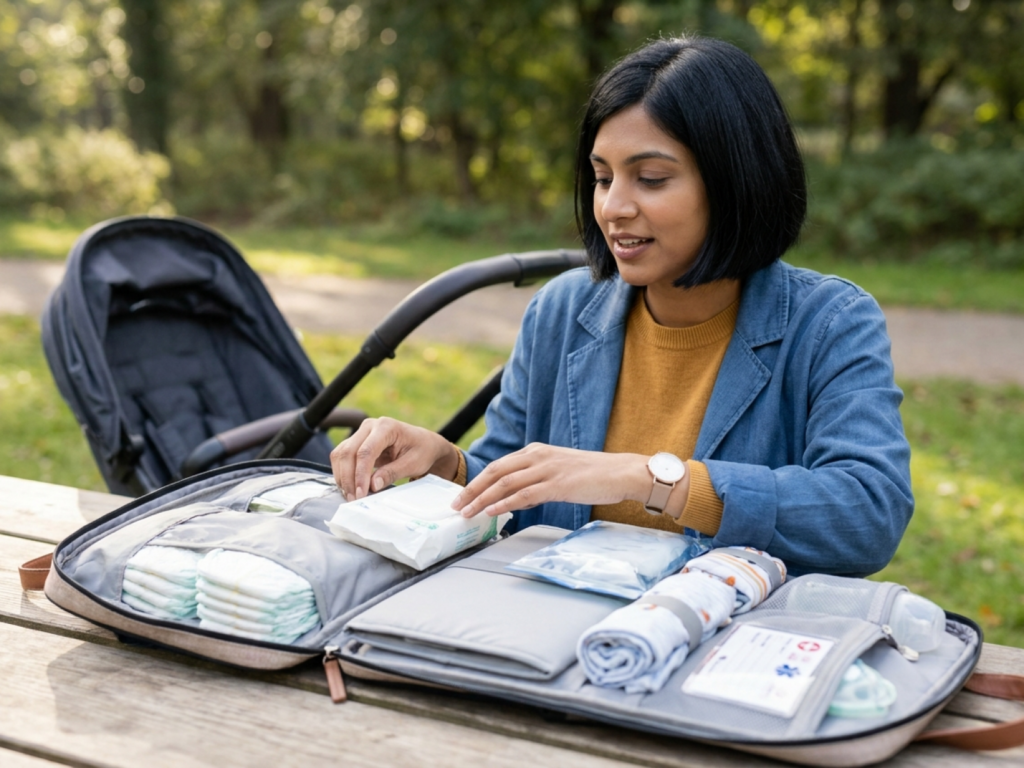
Begin with a bag you can open one-handed and carry comfortably while holding your baby. Use small labeled pouches or clear compartments so you can reach changing supplies without emptying the entire bag. A dependable base kit generally includes diapers, unscented wipes if your baby tolerates them, a portable changing pad, disposal bags, diaper cream already known to be appropriate for your child, hand sanitizer, and a spare outfit.
Include a wet bag or sealed pouch for damp or heavily soiled clothing. This is more hygienic than placing soiled items next to bottles, snacks, or clean layers, and it prevents odor from spreading through the bag. Pack a lightweight burp cloth, bib, and a small receiving blanket or muslin cloth; these can manage spit-up, create a clean surface, or provide modest shade without being used to obstruct airflow around a stroller or car seat.
Think through the destination before leaving. A pharmacy-adjacent shopping trip may allow a lighter bag than a trail, long drive, crowded event, or visit where changing surfaces are uncertain. Your baseline should make the first several hours manageable even when the outing does not proceed exactly as scheduled. Refill the bag after each return home rather than discovering depleted supplies on the next departure.
Pack for a short outing of one to two hours
For a walk, brief appointment, school pickup, or quick errand, pack enough to cover a routine change and a small delay. Two diapers are often a reasonable starting point for many babies, but bowel patterns, recent feeds, and your baby’s individual needs matter more than a fixed number. Bring wipes, a changing pad, disposal bags, diaper cream if your baby is prone to irritation, and one complete change of clothing.
A compact short-trip feeding kit depends on how your baby eats. A breastfeeding parent may need water, a burp cloth, nursing cover if personally useful, and breast pads. For expressed milk or formula, use clean, appropriately prepared feeding equipment and account for how long it will be safely stored under the conditions of the trip. Do not rely on a bag’s exterior pocket to maintain a safe temperature.
Even a short outing warrants attention to temperature and sun exposure. Add a season-appropriate outer layer or hat, while avoiding loose blankets that could interfere with safe positioning in a car seat. Check that the infant remains visible, has an unobstructed airway, and is not overheated. These small preparations make short outings feel less rushed while keeping the bag light enough to use consistently.
Scale up for a half-day outing
A half-day outing introduces more uncertainty: traffic, missed naps, multiple feeds, and the possibility that your baby soils clothing more than once. A useful rule of thumb cited in diaper-bag checklists is one diaper for every two to three hours away, plus a few extras. For a four- to six-hour plan, calculate from your baby’s usual output and add a buffer for delays. Babies with diarrhea, diaper rash, or frequent leaking may need more than a standard estimate.
Bring two changes of clothes for the baby, including socks or an extra layer if the weather is variable. Consider a spare shirt for the adult caregiver as well; this is not excessive when spit-up or a diaper leak could otherwise make a long outing uncomfortable. Add more wipes, disposal bags, burp cloths, and a larger wet bag than you would use for a quick trip.
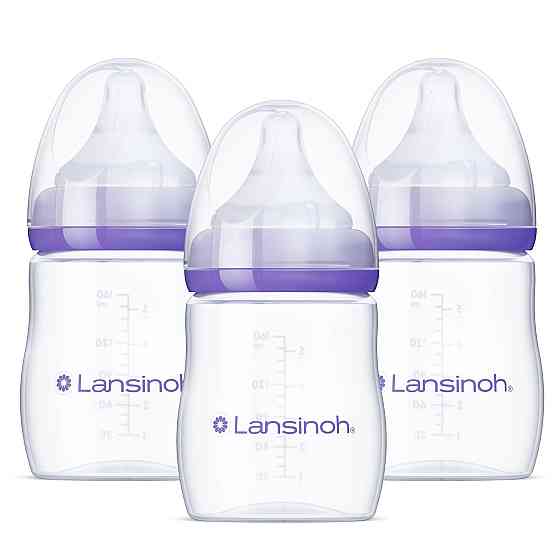
Build a clear feeding plan for baby outings. Estimate the feeds likely to occur, then pack the required supplies plus a realistic delay margin. Formula-fed babies may need measured formula, safe water, clean bottles, and a means of storage consistent with product instructions and public-health guidance. For babies taking solids, bring familiar age-appropriate foods, a bib, spoon if needed, and a way to clean hands and the eating surface. Avoid introducing a new food when you will be far from home or unable to observe your child comfortably.
Prepare for a full day or extended travel
For an all-day visit, day trip, or extended time in transit, packing should reflect limited access to clean water, private changing areas, refrigeration, laundry, and familiar stores. Divide supplies into modules: a changing pouch, a feeding pouch, a clothing pouch, and a health-information pouch. This structure avoids rummaging during a change and lets another caregiver locate essentials quickly.
Bring a more generous diaper reserve, extra wipes, multiple disposal bags, at least two or three complete outfits depending on your baby’s history of spit-up or leaks, and weather layers that can be added or removed. Plan for where you will change the baby. A portable pad protects the child from public surfaces, but it does not replace hand hygiene. Clean your hands before feeding and after diaper changes whenever possible, and wipe down the changing pad after use.
For travel that moves beyond a single neighborhood, carry a concise baby medical summary for travel. It can include the child’s name and date of birth, clinician contact information, allergies, chronic conditions, current medication names and doses as prescribed, and emergency contacts. Keep medication in original labeled containers and carry only what has been recommended for your baby. Do not start, share, or adjust a medication based solely on a packed “just in case” supply. Discuss travel-specific needs with the pediatric clinician before departure, particularly for premature infants or children with complex medical needs.
Organize feeding and hydration safely
Feeding supplies require more planning than diaper supplies because quantity, safe storage, and sanitation depend on feeding method and infant age. Use your baby’s usual schedule as a guide, but expect it to vary in unfamiliar settings. Breastfed infants may feed for comfort as well as nutrition during travel. Bottle-fed infants need enough clean equipment and appropriately handled milk or formula for the anticipated time away.
Follow current product directions and local public-health guidance for preparation, storage, transport, and discarding of expressed breast milk and prepared formula. An insulated bag with suitable cold packs may be useful, but it is not a substitute for verifying storage time and temperature. Bring clean water and a cup only when developmentally appropriate and consistent with your clinician’s advice. For young infants, do not substitute plain water for breast milk or formula.
Keep an eye on usual feeding and output patterns during a long day, especially in heat or when illness is a concern. Dehydration signs in infants can include fewer wet diapers than usual, a dry mouth, reduced tears when crying, unusual sleepiness, or a sunken soft spot in some cases. These signs can have different causes and deserve prompt clinical guidance rather than home diagnosis. Seek urgent medical assessment for concerning symptoms, difficulty breathing, marked lethargy, persistent vomiting, or an infant who is difficult to wake.
Review the bag for comfort, safety, and health needs
Before leaving, take sixty seconds to review the plan: how long you expect to be away, the next likely feed, the number of diapers, weather changes, and the nearest place to wash hands or buy emergency supplies. Check that your phone is charged and that essential caregiver contacts are accessible. A small paper list can be helpful when a phone battery fails or another caregiver takes over.
Keep personal medical items individualized. For a baby with allergies, reflux, seizure disorders, prematurity, cardiac disease, respiratory conditions, or other ongoing needs, ask the treating clinician what should travel with you and what symptoms require escalation. A prescribed rescue plan should be current, clearly labeled, and understood by every caregiver. Avoid packing loose tablets, expired products, or unmarked syringes.
Finally, make the system sustainable. Restock diapers and wipes, launder the changing pad, remove food and soiled items, and replace season-specific clothing after each outing. Note what you actually used. Over a few trips, you will develop a bag that reflects your baby rather than a generic checklist, while still leaving room for practical backups when plans run longer than expected.
Safety reminders
- Seek urgent medical care for breathing difficulty, unresponsiveness, a seizure, or other acute emergency rather than relying on bag supplies.
- Do not give medicines, electrolyte products, or water to an infant unless appropriate for age and directed by a healthcare professional.
- Keep formula, expressed milk, and prepared foods within recommended storage conditions; discard items when safety is uncertain.
- Never leave a baby unattended on a changing surface, even for a moment.
- Use only prescribed, labeled medications and discuss travel plans for infants with complex medical needs with their clinician.
Tools & Assistance
- Create a reusable diaper-bag restock checklist
- Use labeled pouches for changing, feeding, clothing, and soiled items
- Locate nearby pharmacies and clean changing facilities before a long outing
- Keep pediatric clinician and emergency contact details available offline
FAQ
How many diapers should I pack for an outing?
A common planning guide is one diaper for every two to three hours away, plus extras. Adjust upward for your baby's usual stooling pattern, frequent leaks, illness, or likely delays.
Should I keep medicine in every diaper bag?
Carry only medications your baby's clinician has recommended, ideally in original labeled containers. Review expiration dates and dosing instructions regularly.
What is the most useful item for unexpected messes?
A sealed wet bag, disposal bags, wipes, and a complete spare outfit work together well. Keeping them in the same pouch makes them easy to find during a rushed change.
How should I handle bottles on a long day out?
Plan the number of feeds, bring clean equipment, and follow applicable storage and preparation guidance for expressed milk or formula. When safe storage is uncertain, ask a pediatric clinician or qualified feeding professional for tailored advice.
Sources
- Pampers — What to Pack in a Diaper Bag: The Essentials
- CNET — Essentials to Pack in Your Diaper Bag
- Healthline — Diaper Bag Essentials: What Do You Really Need?
Disclaimer
This article is for general informational purposes and does not replace individualized medical advice. Consult your pediatric healthcare professional about feeding, medications, hydration concerns, or travel plans for your baby.











Please log in to leave a comment.