
Intro
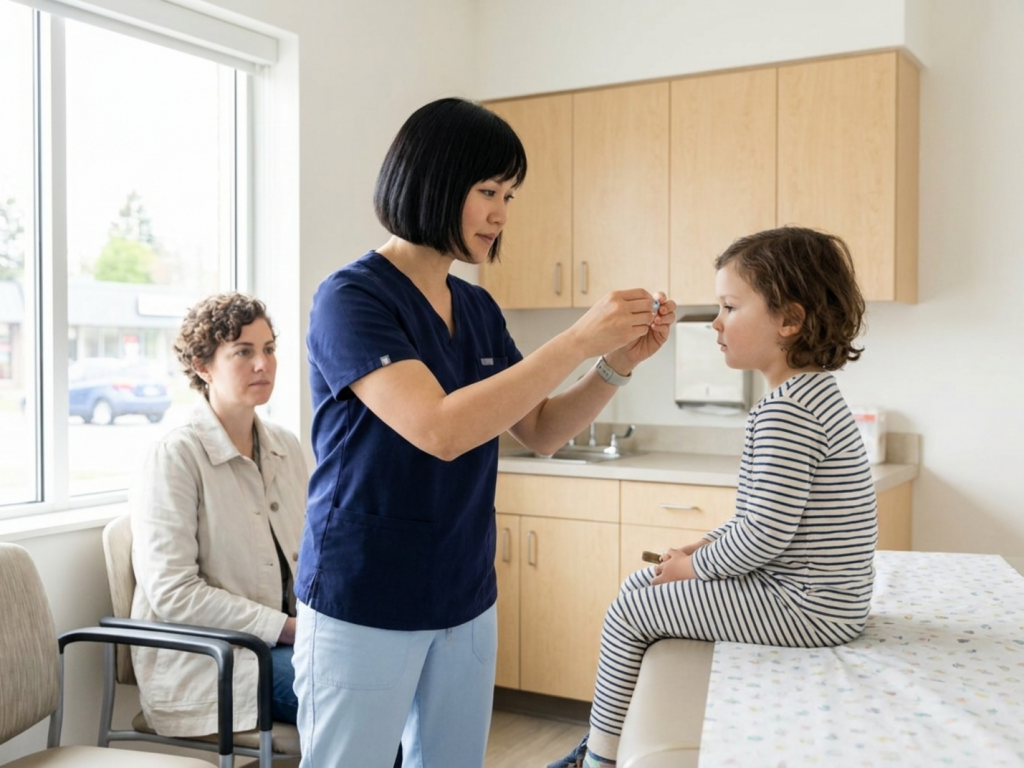
A child’s headache can be distressing for everyone in the home, especially when the child is young, frightened, or unable to describe the pain clearly. Most pediatric headaches are not caused by dangerous disease, but some patterns and associated symptoms require timely medical assessment.
This article explains how clinicians think about serious headache warning signs in children, why context matters, and when parents or caregivers should seek urgent help rather than watching and waiting.
Highlights
Most headaches in children are primary headaches, such as migraine or tension-type headache, but secondary causes must be considered when the pattern is unusual or the child appears unwell.
Red flags include sudden severe onset, neurological deficits, early morning vomiting, headache that wakes a child from sleep, meningism, and signs of raised intracranial pressure.
Some warning symptoms are common in children with benign headaches, so clinical judgment and examination are often more informative than any single symptom.
A headache diary, hydration history, sleep pattern, medication use, and school functioning can help clinicians decide whether referral or imaging is needed.
Why headaches in children need context
Headache is common in childhood, and many episodes are related to viral illness, dehydration, skipped meals, poor sleep, eye strain, stress, or primary headache disorders such as migraine. A serious headache is not defined only by pain intensity. Children with migraine can look pale, vomit, avoid light, and need to sleep; those features can be dramatic but still benign when they fit a familiar pattern and the child recovers fully.
Clinicians therefore look at the whole clinical picture: the child’s age, baseline health, immunization status, recent infections, trauma, medications, cancer or immune history, and whether the headache pattern is stable or changing. A first severe headache, a rapidly worsening pattern, or a headache with abnormal neurological signs carries more concern than a recurrent headache that is identical to previous episodes and resolves with rest and appropriate home care advised by a clinician.
It is also important to acknowledge uncertainty. Research shows that some red-flag symptoms, such as headache on waking or headache that interrupts sleep, are reported relatively often in pediatric emergency settings. Many of these children do not have serious intracranial disease. Still, these symptoms deserve attention because, in combination with vomiting, visual change, abnormal examination, or progressive worsening, they can indicate a secondary headache cause.
Emergency headache warning signs
Some presentations should be treated as urgent because they may reflect infection, bleeding, raised intracranial pressure, stroke-like disorders, or other serious disease. Caregivers should seek emergency care or local urgent medical advice if a child has a sudden, explosive, or maximal-at-onset headache, sometimes described in adults as a thunderclap pattern. This is unusual in children and should not be managed at home without medical input.
Other emergency warning signs include headache with confusion, reduced consciousness, seizure, fainting that does not have an obvious benign explanation, persistent weakness, facial droop, new problems speaking, severe dizziness with inability to walk, or new double vision. These are focal neurological symptoms and may indicate irritation, compression, inflammation, or dysfunction of the nervous system.
Headache with fever can be part of a routine viral infection, but fever plus neck stiffness, photophobia, a non-blanching rash, severe lethargy, repeated vomiting, or a child who is difficult to wake raises concern for meningitis or sepsis. Headache after a significant head injury also requires caution, particularly if vomiting, worsening drowsiness, behavioral change, severe scalp swelling, seizure, or persistent severe pain occurs.
In infants and toddlers, serious headache may not be verbalized. Warning signs may appear as inconsolable crying, persistent irritability, a bulging fontanelle, repeated vomiting, abnormal eye movements, loss of milestones, or a child who refuses to walk or play. Because younger children cannot describe headache quality reliably, a lower threshold for professional assessment is appropriate.
Patterns that suggest raised intracranial pressure
Raised intracranial pressure means pressure within the skull is higher than expected. It can occur from many causes, including mass lesions, hydrocephalus, hemorrhage, cerebral edema, infection, or idiopathic intracranial hypertension. Not every child with morning headache has raised pressure, but certain combinations are clinically important.
Concerning patterns include headache that is worse on waking, early morning vomiting, headache that wakes the child from sleep repeatedly, or pain that is aggravated by coughing, straining, bending, or lying flat. A progressively worsening headache over days to weeks, especially when school attendance, concentration, balance, or behavior deteriorates, deserves prompt medical review.
Visual symptoms can be particularly important. Blurred vision, transient visual obscurations, double vision, loss of peripheral vision, or new squint may reflect papilledema or cranial nerve involvement. Papilledema is swelling of the optic disc seen during eye examination and may be a sign of raised intracranial pressure, although its absence does not always exclude serious pathology.
Occipital headache, meaning pain at the back of the head, has historically been considered a warning sign in children. Current clinical interpretation is more nuanced: location alone is not enough to diagnose a dangerous cause, but occipital pain combined with neurological signs, vomiting, night waking, or worsening pattern should increase concern. The safest approach is to report the full pattern rather than focusing on one feature in isolation.
Neurological and systemic clues clinicians take seriously
A careful neurological examination often guides the level of concern. Clinicians assess mental status, eye movements, pupils, visual fields when possible, facial symmetry, speech, strength, reflexes, coordination, gait, and signs of meningeal irritation. Abnormal findings are among the strongest reasons for urgent referral or neuroimaging, because they suggest the headache may be secondary to a process affecting the brain, meninges, blood vessels, or cranial nerves.
Systemic symptoms also matter. Weight loss, night sweats, persistent fever, immunosuppression, known malignancy, sickle cell disease, clotting disorders, or recent neurosurgery can change the risk profile. A child with cancer, a ventricular shunt, immune suppression, or a bleeding disorder should generally be assessed more promptly for a new or severe headache than an otherwise well child with a familiar migraine pattern.
Functional decline is another serious clue. Parents and teachers may notice reduced school performance, increasing sleepiness, personality change, clumsiness, avoidance of sports, or loss of previously acquired skills. Children may not say, “My headache is getting worse”; instead they may stop reading, avoid screens, sit out of play, or become unusually irritable. These observations are clinically valuable.
Medication exposure should be discussed openly. Frequent use of analgesics can contribute to medication-overuse headache in children, while certain medications can be associated with intracranial hypertension or other headache syndromes. Caregivers should not stop prescribed medication abruptly without advice, but they should bring a complete medication list, including over-the-counter products, supplements, and recent antibiotics or acne treatments.
When recurrent headache still needs medical review
Recurrent headaches are often migraine or tension-type headaches, but they should still be reviewed if they are frequent, disabling, or changing. A child who misses school repeatedly, stops normal activities, needs analgesics often, or has headaches that increase in frequency, duration, or severity should be evaluated. Recurrent headaches in children are not “just stress” until a clinician has considered medical, sleep, vision, psychological, and environmental contributors.
Migraine in children may be bilateral, shorter than adult migraine, and associated with abdominal pain, nausea, vomiting, light sensitivity, sound sensitivity, motion sensitivity, pallor, or a strong need to sleep. A family history can support the pattern but is not required. Tension-type headache is often described as pressure or tightness and may relate to stress, posture, sleep deprivation, or prolonged screen use. However, overlap is common, and diagnosis should be made by a healthcare professional.
Clinicians may ask about triggers such as dehydration and childhood headaches, skipped breakfast, caffeine, irregular sleep, menstruation in adolescents, exertion, and stress. They may also screen for anxiety, depression, bullying, vision problems, sinus disease, dental issues, hypertension, and sleep-disordered breathing. These factors do not make the pain imaginary; they are real physiological and psychosocial contributors that can amplify headache vulnerability.
A headache diary for children can be very helpful. Record the date, time, duration, location, severity, associated symptoms, food and fluid intake, sleep, menstrual timing when relevant, medications used, school absence, and recovery. This pattern may help the pediatrician decide whether reassurance, lifestyle adjustments, referral, or further testing is appropriate.
What to do while arranging care
If the child is alert, behaving normally, and has no emergency warning signs, caregivers can support comfort while seeking routine advice when needed. Encourage fluids, offer food if meals were skipped, reduce noise and bright light, and allow rest in a dark quiet room for headache. Follow previously provided clinician instructions for pain relief if the child has an established headache plan. Avoid giving repeated doses beyond label instructions or combining medicines without professional guidance.
Before contacting a clinician, note the child’s temperature, recent illnesses, trauma, vomiting frequency, hydration and urination, medications, and whether the headache is new or familiar. If possible, ask the child to point to the pain, describe its quality, and rate severity using an age-appropriate scale. For younger children, behavior may be more reliable than words: playfulness, walking, eye contact, and consolability all matter.
Seek a same-day call to the pediatrician when headache is new and persistent, recurrent and worsening, associated with vomiting, causing school absence, occurring in a child under about five years, or accompanied by visual symptoms even if the child otherwise seems well. Seek emergency care if neurological symptoms, meningism, altered consciousness, severe sudden onset, or signs of serious dehydration or sepsis are present.
Parents should not feel guilty for asking for help. Serious causes of pediatric headache are uncommon, but the stakes are high when they occur. A supportive clinician can help separate low-risk patterns from concerning ones, arrange examination, and decide whether blood tests, ophthalmologic assessment, neuroimaging, or referral to a pediatric neurologist for headaches is appropriate.
How clinicians may investigate a serious headache
Evaluation usually begins with history and examination rather than immediate scanning. The clinician may check vital signs, blood pressure, hydration, neck movement, skin findings, sinus or ear signs, and a detailed neurological assessment. Fundoscopy or formal eye examination may be used to look for papilledema or other ocular causes.
Neuroimaging, such as MRI or CT, is not required for every child with headache. Imaging is more likely when there are abnormal neurological findings, signs of raised intracranial pressure, sudden severe onset, concerning trauma history, cancer or immune risk, or a clearly progressive pattern. MRI avoids ionizing radiation and is often preferred when clinically feasible, while CT may be used in emergencies where speed is essential. The choice depends on the suspected condition and local protocols.
Blood tests, lumbar puncture, or infectious workup may be considered when fever, meningism, inflammation, immunosuppression, or systemic illness is suspected. Lumbar puncture is not a casual test; clinicians weigh benefits and risks, especially if raised intracranial pressure is possible. The main goal is not to label the child quickly, but to identify children who need urgent treatment while avoiding unnecessary procedures for those with primary headache disorders.
After serious causes are excluded or considered unlikely, follow-up remains important. A child’s headache pattern can evolve, and families should know which headache warning signs in children require re-contact. Good care combines medical vigilance with reassurance, because children and parents need both safety and confidence.
Seek urgent help now if headache comes with
- Sudden severe headache, especially maximal at onset or unlike any previous headache.
- Confusion, seizure, fainting with poor recovery, weakness, facial droop, speech trouble, or abnormal walking.
- Fever with neck stiffness, non-blanching rash, severe lethargy, or a child who is difficult to wake.
- Early morning vomiting, persistent night waking from headache, double vision, or signs of raised intracranial pressure.
- Worsening headache after head injury, especially with repeated vomiting, drowsiness, or behavior change.
Tools & Assistance
- Call your child’s pediatrician or local urgent care line for same-day advice when warning signs are unclear.
- Use emergency medical services for severe sudden headache, neurological symptoms, meningitis signs, or reduced consciousness.
- Keep a headache diary with timing, triggers, associated symptoms, medications, and school impact.
- Bring a complete medication list, including over-the-counter pain relievers and supplements.
- Ask whether eye examination, blood pressure measurement, or pediatric neurology referral is appropriate.
FAQ
Is vomiting with a child’s headache always serious?
No. Vomiting can occur with pediatric migraine or viral illness. It is more concerning when it is early morning, recurrent, associated with worsening headache, neurological signs, dehydration, fever with neck stiffness, or altered alertness.
Should every child with headaches have a brain scan?
No. Many children have primary headaches and normal examinations. Imaging is usually considered when there are abnormal neurological findings, signs of raised intracranial pressure, sudden severe onset, trauma concerns, systemic risk factors, or a progressive pattern.
What if my child wakes at night with headache?
Night waking can occur in benign headaches, but repeated nocturnal headache, especially with vomiting, visual changes, morning worsening, or abnormal behavior, should be discussed promptly with a healthcare professional.
Can stress cause serious headache symptoms?
Stress can contribute to real and disabling headaches, but clinicians should be cautious about attributing headache to stress alone when the pattern is new, progressive, severe, or associated with neurological or systemic signs.
When should a young child with headache be assessed?
Younger children, especially preschool-aged children who cannot describe symptoms reliably, should be assessed sooner if headache is persistent, recurrent, associated with vomiting or behavior change, or interferes with play, walking, sleep, or development.
Sources
- PubMed Central (NIH) — Red flags Presented in Children Complaining of Headache in Primary Care and in Neurology Clinics
- PubMed / National Library of Medicine — Red flag findings in children with headaches
- NHS Greater Glasgow and Clyde — Headache in Children: Advice for Referrers
Disclaimer
This article is for informational purposes only and does not replace medical evaluation. Seek advice from a qualified healthcare professional for diagnosis, treatment, or urgent symptoms.















Please log in to leave a comment.