
Intro
Raising children is expensive, and it is completely reasonable to look for safer ways to stretch a household budget. Second hand and budget friendly kids gear can be a practical, environmentally thoughtful choice when families know which products tolerate reuse and which should be approached with extra caution.
The goal is not perfection or pressure to buy everything new. It is to reduce preventable injury risks, understand product history, and make informed choices that fit your child’s age, size, neurodevelopmental stage, and health needs.
Highlights
Second hand gear can be safe and economical when you verify recalls, condition, age, labels, and instructions before use.
Some items, especially safety-critical equipment, should usually be bought new or accepted only with a fully known history.
Cleaning matters, but cleaning cannot fix structural fatigue, missing parts, expired safety components, or damage after a crash or fall.
A budget plan works best when it prioritizes fit, function, and injury prevention over brand names or trends.
Start with risk, not price
Budget pressure can make every purchase feel urgent, especially during rapid growth phases when shoes, coats, diapers, feeding supplies, and school items seem to become obsolete overnight. A safer approach is to sort gear by risk. Low-risk items are easy to clean, have no complex moving parts, and do not protect the child during sleep, travel, falls, or feeding. Higher-risk items support the airway, restrain the body, bear weight, or prevent traumatic injury.
For example, many books, simple wooden toys, dress-up clothing, rain boots, and storage bins are good second hand candidates if they are clean, intact, and age appropriate. In contrast, a car seat, helmet, cot mattress, or damaged stroller has a much narrower margin for error. The clinical concern is not just visible dirt; it is hidden structural compromise, entrapment risk, strangulation risk, choking hazards, microbial contamination, or outdated safety standards.
Before buying, ask three questions: What injury is this product supposed to prevent? What could happen if it fails? Can I verify its history and instructions? If the answer to the last question is no for a safety-critical item, saving money may not be worth the uncertainty.
Items that are often good second hand buys
Many everyday items can be excellent pre-owned purchases when inspected carefully. Clothing is usually a strong option, particularly coats, snow pants, sleep sacks that meet safe sleep guidance, school uniforms, and occasion wear. Check that drawstrings, loose buttons, beads, snaps, and decorative parts cannot become choking or strangulation hazards. Wash items before use with a detergent that suits your child’s skin; children with eczema, allergic contact dermatitis, or sensory sensitivity may do better with fragrance-free products.
Toys can also be budget friendly if they are developmentally appropriate and free of broken edges, peeling paint, button batteries, loose magnets, or small detachable pieces for children under 3 years or children who mouth objects. This is where secondhand toy safety checks are especially important. For school-age children, inspect sports items, science kits, art supplies, and electronics for missing protective components or damaged battery compartments.
Books, puzzles, building blocks, play kitchens, child-sized tables, backpacks, and many outdoor play items are usually reasonable if they can be cleaned and have no splinters, rust, mold, sharp points, or unstable parts. For toddlers, secondhand toddler gear safety means thinking about climbing, tipping, mouthing, and entrapment. A bargain is only helpful if it matches the child’s current motor skills and supervision needs.
Products that deserve extra caution or a new purchase
Some products are difficult to assess without complete history. Car seats are the clearest example. They may have expiration dates, crash histories, missing inserts, recalled components, or degraded plastics. A second hand car seat should only be considered if you know and trust its full history, it has not been in a crash, it is not expired or recalled, all parts and labels are present, and the manual is available. Many families benefit from consulting a certified child passenger safety technician.
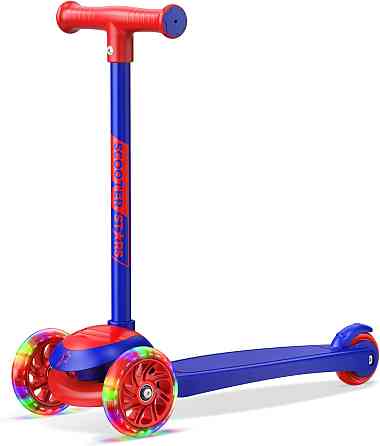
Helmets for bicycles, scooters, skating, and winter sports should generally be bought new unless you can verify that they have never been involved in an impact. Foam liners can compress after a fall even when the shell looks normal. Similarly, older cribs, bassinets, cot mattresses, and sleep positioners require caution because infant sleep surfaces relate directly to suffocation, entrapment, and unsafe sleep risks. Avoid products with missing hardware, drop sides, soft padding, or unclear standards.
Feeding equipment needs careful review. High chairs and boosters should have stable bases, intact restraint systems, no cracked trays, and no pinch points. Breast pumps, bottle nipples, pacifiers, and teething items have hygiene and material-degradation concerns; replace soft parts and follow manufacturer cleaning instructions. If your child has aspiration risk, dysphagia, prematurity-related feeding issues, or medical technology needs, discuss feeding gear with the clinical team before relying on second hand items.
A practical inspection checklist before you pay
Use a consistent checklist so emotion and time pressure do not decide for you. First, identify the exact brand, model, and manufacturing date if available. Then check recall databases or the manufacturer’s recall page before purchasing. A recalled product is not automatically unusable if an official repair kit exists, but you should not use it until the remedy is complete.
- Look for cracks, warping, rust, frayed straps, exposed foam, sharp edges, loose screws, mold, bite marks, and unstable joints.
- Confirm that all original parts are included, especially restraints, buckles, trays, wheels, brakes, adapters, and hardware.
- Ask whether the item was in a crash, fall, flood, fire, smoke exposure, or pet-heavy environment.
- Find the instruction manual online or request it from the seller, then keep it with the product.
- Check labels for age, weight, height, safety standard, care instructions, and warnings.
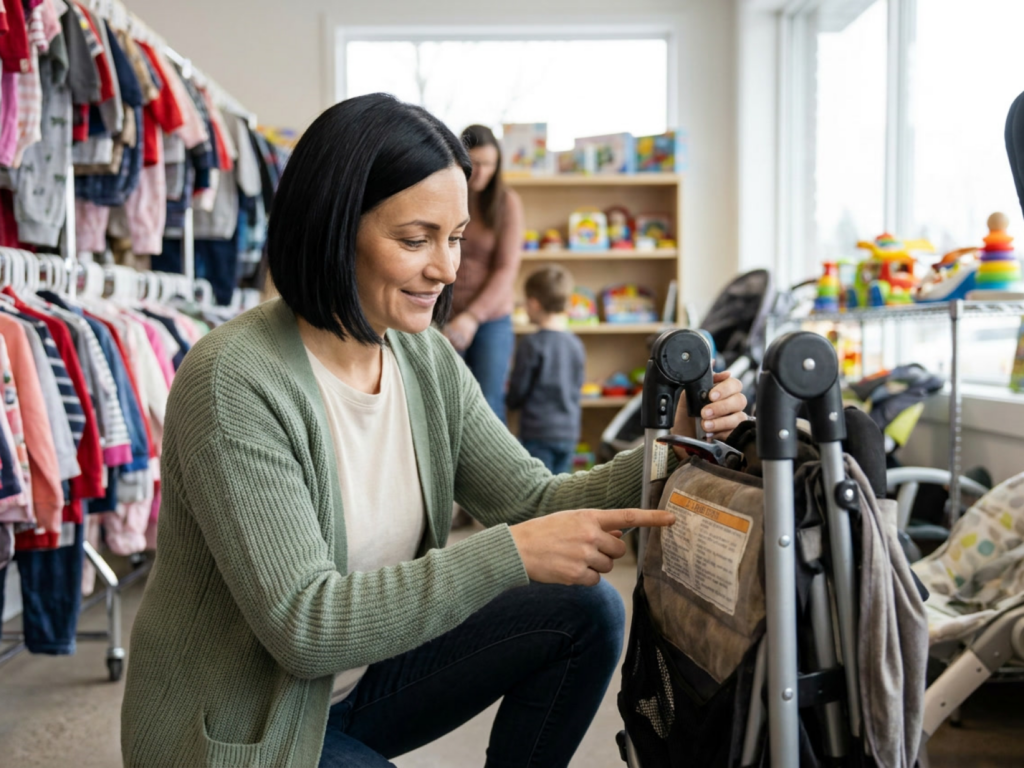
Strollers and pushchairs deserve a hands-on test. Fold and unfold them, lock the frame, engage the brakes, check wheel alignment, and test the harness. If the product feels wobbly, sticks during folding, or has improvised repairs, walk away. Secondhand child product safety depends on function under real use, not only appearance in a listing photo.
Cleaning, infection control, and allergens
Cleaning is part of safety, especially for items that contact saliva, food, skin, or mucous membranes. Wash washable textiles according to the care label. Wipe hard surfaces with an appropriate cleaner, rinse if required, and allow full drying to reduce mold growth. For toys, avoid soaking items with batteries, seams, or internal cavities where water can remain trapped.
Families often focus on germs, but allergens and irritants matter too. Second hand gear may carry fragrance residues, tobacco smoke, pet dander, dust mites, latex, or cleaning chemical residues. These can aggravate asthma, allergic rhinitis, eczema, or contact dermatitis in susceptible children. If an item retains a strong odor after washing and airing, it may not be worth keeping.
Do not assume that disinfecting makes an unsafe product safe. A cracked high chair tray, missing stroller harness, recalled sleep product, or helmet after an impact remains unsafe even when spotless. Conversely, some cosmetic wear is acceptable when structure and function are intact. The aim is a calm, evidence-informed distinction between dirt that can be removed and damage that changes risk.
Budget strategies that protect both safety and dignity
Families deserve practical options, not judgment. Start by making a short list of what the child truly needs in the next three months. Prioritize sleep, transport, weather protection, feeding, school participation, and medically necessary equipment. Delay nice-to-have items until you can compare prices or borrow them. Community swaps, library toy-lending programs, parent groups, consignment stores, charity shops, and seasonal sales can all reduce costs.
When buying online, ask for clear photos of labels, model numbers, wear points, straps, hinges, and the underside of products. Meet in a safe public place when possible, and avoid pressure to decide instantly. For higher-cost items, compare the used price with an entry-level new version that includes warranty, current instructions, and known history. Sometimes the safest budget choice is not the cheapest listing.
Plan for growth and individual needs. A child with hypotonia, hypermobility, cerebral palsy, developmental coordination disorder, sensory processing differences, or chronic illness may need different seating, footwear, adaptive clothing, or mobility supports. Do not modify equipment in ways that change restraint geometry, stability, airway positioning, or manufacturer design without professional input. Pediatricians, physiotherapists, occupational therapists, and specialist nurses can help families adapt safely within real budgets.
Use extra caution
- Do not use a car seat, helmet, crib, or stroller with unknown crash, fall, recall, or repair history.
- Avoid products with missing restraints, cracked frames, loose magnets, accessible button batteries, or peeling paint.
- Never rely on cleaning alone to correct structural damage, expired components, or unsafe sleep design.
- Check age, weight, and height limits every time gear moves from one child to another.
- Consult a qualified professional before using modified or adaptive gear for a child with medical or developmental needs.
Tools & Assistance
- Search official recall databases before purchase and again before reuse by a younger sibling.
- Keep manuals, model numbers, receipts, and photos of labels in a shared family folder.
- Use a certified child passenger safety technician for car seat fit and installation questions.
- Create a three-month needs list before browsing marketplaces or consignment shops.
- Ask pediatric, therapy, school, or community teams about equipment loan programs when costs are difficult.
FAQ
Is it safe to buy a used stroller?
Often, yes, if it is not recalled, has all parts and instructions, locks securely, brakes work, the harness is intact, and the frame has no cracks or improvised repairs.
What should I never buy second hand?
Avoid or be extremely cautious with items that have unknown impact history or safety-critical function, such as car seats and helmets. Older sleep products and damaged restraints also carry higher risk.
How do I clean second hand toys safely?
Follow the material and manufacturer guidance. Wash textiles, wipe hard surfaces, avoid soaking electronic toys, dry thoroughly, and discard items with mold, trapped water, loose magnets, or battery-compartment damage.
Can I accept hand-me-down gear from family?
Yes, but still check recalls, labels, parts, instructions, and condition. Familiarity with the giver does not replace a safety inspection.
When should I ask a healthcare professional?
Ask when a child has feeding, breathing, mobility, sensory, skin, or developmental needs, or when equipment positioning, restraints, or adaptations could affect safety.
Sources
- Michigan Medicine — 4 steps to take before using pre-owned children's equipment
- RoSPA — Second-hand goods safety
- Which? — Second-hand baby products: what's safe and what's not?
Disclaimer
This article is for general educational purposes and is not medical advice. Consult your child’s healthcare professional or a qualified safety specialist for concerns about equipment, development, injuries, or medical needs.











Please log in to leave a comment.