
Intro
School-age children are capable, curious, and increasingly independent, which can make product choices feel both easier and more complicated. A backpack, calculator, lunchbox, toy, pair of shoes, or digital device is not just an object; it can affect posture, safety, participation, emotional confidence, and family finances.
Most school age product mistakes are understandable. Parents and caregivers are often trying to follow supply lists, prevent social embarrassment, save time, or keep a child safe. The goal is not perfection, but a calmer, more clinically sensible approach: choose developmentally appropriate items, test them before they are needed, and ask for professional or school support when health, disability, budget, or safety concerns arise.
Highlights
The most common mistakes are often practical: buying too early, buying too much, or buying items a child cannot comfortably use without practice.
Safety still matters in school-age children; age labels, protective equipment, choking hazards, and product recalls should not be ignored just because a child is older.
Expensive school products, such as laptops or graphing calculators, may be rentable, shareable, available through school programs, or unnecessary for a specific course.
A product that looks helpful can backfire if it increases musculoskeletal strain, sensory overload, anxiety, or daily conflict.
Healthcare professionals, teachers, school nurses, occupational therapists, and community support programs can help families choose safer, more realistic options.
Mistake 1: Treating the school supply list as a medical order
A school supply list is a useful starting point, not an individualized prescription. Families sometimes buy every listed item immediately, in the most expensive version, and in duplicate “just in case.” This can create financial stress and clutter, and it may not match the teacher’s actual classroom workflow. Some items are communal, optional, used later in the year, or available through school donation closets.
A more measured approach is to sort the list into categories: essential for day one, likely needed later, optional enrichment, and items that require clarification. This is especially relevant for costly products such as graphing calculators, laptops, specialized art materials, or brand-specific notebooks. Schools may rent calculators, loan devices, provide fee waivers, or connect families with no-questions-asked support programs. Community networks may also help with upcycling binders, folders, backpacks, or lightly used supplies.
From a child health perspective, financial pressure is not trivial. Household stress can affect sleep routines, nutrition planning, and emotional climate. If the list feels unmanageable, contacting the teacher, school counselor, or administrative office is appropriate. Asking “Which items are needed the first week?” or “Are loaner devices available?” is not a failure; it is good resource stewardship.
Mistake 2: Buying adult-sized solutions for a child-sized body
School-age children grow quickly, but they are not simply small adults. Backpacks, shoes, sports gear, desks, headphones, and musical instrument cases should match their current size, strength, coordination, and endurance. Oversized or poorly fitted products can contribute to discomfort, compensatory posture, tripping, fatigue, and avoidance of activities.
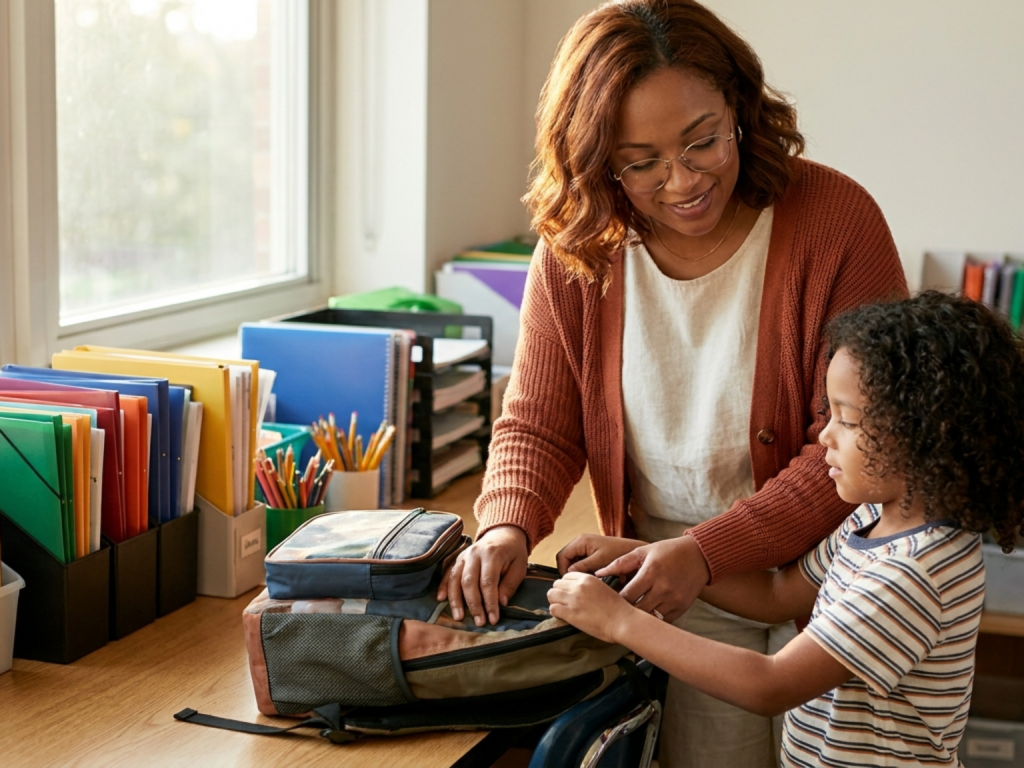
Backpack weight is a common example. A large backpack with many compartments may invite overpacking. Wide padded straps, a chest strap when tolerated, and a size that sits close to the back are usually more functional than a trendy bag that hangs low. If a child has persistent pain, asymmetry, weakness, gait changes, or numbness, caregivers should consult a pediatrician or physical therapist rather than simply buying a different bag.
Shoes deserve similar attention. A child may say shoes “feel fine” in the store but develop blisters after recess, stairs, or physical education. School shoes should be tested during walking, running, and bathroom transitions before the first full day. For children with orthotics, hypotonia, hypermobility, cerebral palsy, juvenile idiopathic arthritis, or other mobility-related conditions, shoe choices should be coordinated with the relevant clinician.
Mistake 3: Assuming new products are intuitive
Many school age product mistakes happen because adults assume a child will know how to use new gear under pressure. A lunchbox with clever compartments may be hard to open. A water bottle may leak if the lid is not aligned. A raincoat may have fasteners the child cannot manage quickly. A backpack may be too complex for a child with executive function challenges.
Practice is a safety and autonomy tool. Before school starts, children benefit from brief test runs: opening containers, carrying the loaded backpack, putting on shoes, using zippers, packing the folder, finding the bus pass, and identifying which pocket holds medication forms or emergency cards. A lunchbox test run can reveal whether the child can open packaging, tolerate food temperature, and finish eating within the school’s lunch period.
Labeling is also not just about lost property. Clear labels on water bottles, outerwear, lunch containers, and sports gear reduce confusion, lower replacement costs, and help school staff return items. For children with allergies or medical needs, labeling should follow the school’s policy and should not replace formal care plans, medication authorization, or direct communication with the school nurse.
Mistake 4: Ignoring age ratings, small parts, and injury mechanisms
School-age children may no longer mouth objects in the same way toddlers do, but choking, aspiration, ingestion, and injury risks still exist. Age guidelines on toys and activity products are based on more than maturity; they may reflect small parts, projectile force, chemical components, magnets, button batteries, sharp edges, or required motor skills. A child who is advanced academically may still lack the impulse control or coordination needed for a particular product.
Small parts choking hazards are especially relevant in homes with younger siblings or visiting children. Craft kits, building sets, science kits, novelty erasers, beads, and toy accessories can migrate into shared spaces. High-powered magnets and button batteries are particularly concerning if swallowed and require urgent medical evaluation. Caregivers should also check recall information and inspect secondhand products for missing guards, damaged battery compartments, frayed cords, or broken fasteners.
Protective equipment is part of the product, not an optional add-on. Scooters, bicycles, skateboards, hoverboards, roller skates, and some sports equipment should be paired with properly fitted helmets and, when appropriate, wrist guards, knee pads, or other padding. If a child has had a concussion, seizure, syncope, balance disorder, or significant visual impairment, activity choices and safety gear should be discussed with a healthcare professional.
Mistake 5: Overbuying technology before defining the need
Technology can support learning, accessibility, communication, and creativity. It can also become an expensive product mistake when purchased before the actual academic requirement is clear. Families may feel pressured to buy a laptop, tablet, smartwatch, phone, or graphing calculator because “everyone has one,” even when the school provides devices, restricts personal electronics, or uses a different platform.
Before buying, ask the school what specifications are required, whether a rental or loan program exists, whether insurance is available, and whether personal devices are allowed in class. For graphing calculators, some courses and standardized testing situations require specific models, while others provide classroom sets. Waiting for teacher confirmation can prevent costly mismatches.
Digital products also have health and developmental implications. Screen brightness, notification load, late-night use, online safety, cyberbullying risk, and ergonomic setup matter. Children with attention-deficit/hyperactivity disorder, anxiety, migraine, photosensitivity, sleep disorders, or learning differences may need individualized boundaries and accommodations. Families should consult educators and clinicians when technology use is affecting sleep, mood, headaches, school avoidance, or functioning.
Mistake 6: Choosing products that solve one problem while creating another
A product can be technically useful and still wrong for a particular child. Noise-canceling headphones may reduce auditory overload but interfere with hearing safety instructions. A weighted lap pad may be calming for one child but distracting or inappropriate for another. A highly organized planner may help one student and overwhelm a child with dysgraphia or executive dysfunction.
For children with sensory processing differences, autism, ADHD, developmental coordination disorder, anxiety, or chronic medical conditions, school-age organization tools should be simple, consistent, and chosen with the child’s input. Occupational therapists, school psychologists, special educators, and pediatric clinicians can help distinguish preference from functional need. This is particularly important when products are marketed with therapeutic claims that are not individualized or evidence-based.
The best product is often the one the child can use repeatedly without shame or excessive adult rescue. That may mean fewer compartments, larger zipper pulls, visual labels, a predictable morning checklist, or a duplicate set of low-cost supplies kept at school. When a product increases conflict every morning, it is worth reassessing the design rather than assuming the child is being careless.
Mistake 7: Forgetting the health details in everyday items
Everyday school products can intersect with medical issues. Lunch containers, water bottles, hand sanitizers, art supplies, sports equipment, and classroom donations may matter for children with food allergy, asthma, eczema, diabetes, migraine, celiac disease, immunocompromise, or medication needs. Product choices should align with the child’s written school health plan when one exists.
For food allergy, caregivers should verify school rules about shared snacks, allergen-containing classroom projects, and lunch storage. For asthma, sports bags should not substitute for authorized medication access. For eczema or contact dermatitis, fragranced sanitizers, costume materials, adhesives, or certain art products may be irritating. For migraine-prone children, glare, noise, dehydration, skipped meals, and heavy bags can all interact with product choices.
It is also a mistake to rely on a product instead of communication. A medical bracelet, labeled lunchbox, or special pouch can be helpful, but it does not replace a care plan, staff training, emergency medication authorization, or discussion with the school nurse. If symptoms are new, worsening, or interfering with attendance and participation, families should seek medical advice rather than trying to solve the issue through shopping alone.
Product choices that deserve extra caution
- Seek urgent medical care if a child swallows a button battery, high-powered magnet, or sharp object.
- Do not rely on helmets or protective gear after a significant impact unless they are designed and cleared for continued use.
- Persistent pain, numbness, limping, headaches, or school avoidance should be discussed with a healthcare professional.
- Do not buy expensive required technology until the teacher or school confirms exact specifications and loan options.
- Products marketed as therapeutic should be individualized with appropriate clinical or educational guidance.
Tools & Assistance
- Ask the teacher which supplies are needed during the first week and which can wait.
- Contact the school office about device loans, calculator rentals, fee waivers, or supply closets.
- Do a home test run with the backpack, lunchbox, shoes, water bottle, and clothing fasteners.
- Check age labels, recall notices, battery compartments, and protective gear fit before use.
- Consult the school nurse, pediatrician, occupational therapist, or physical therapist when health needs affect product choices.
FAQ
Should I buy everything on the school supply list before the first day?
Not always. Buy true first-week essentials, then clarify costly, brand-specific, or unclear items with the teacher or school office.
How do I know if a backpack is a problem?
Watch for pain, red marks, leaning forward, numbness, fatigue, or refusal to carry it. Persistent symptoms should be discussed with a pediatric clinician.
Are age labels still important for older children?
Yes. Age labels can reflect small parts, magnets, batteries, projectile risk, chemical exposure, or motor skills, not just maturity.
Is it better to buy a laptop or rent one from school?
Ask first. Many schools provide devices, have specific platform requirements, or offer loan programs that prevent unnecessary expense.
What if my child has sensory or medical needs?
Choose simple, usable products and coordinate with the school nurse, teacher, and relevant clinicians so products support the child’s care plan.
Sources
- Business Insider — Teacher: 5 Mistakes Parents Make When Buying School Supplies
- Statesman Journal — Avoid these 4 safety mistakes when shopping for kids' toys
- YouTube (Parenting Channel) — 7 Back-to-School Mistakes Parents Make (and What to Do Instead)
Disclaimer
This article is for informational purposes only and does not diagnose, treat, or replace professional medical advice. Consult a qualified healthcare professional for concerns about pain, injury, development, allergies, chronic conditions, or school health planning.














Please log in to leave a comment.